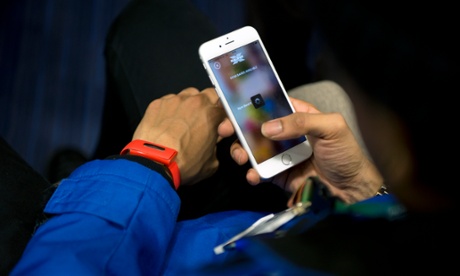
Passwords, pin codes and memorable words could soon be a thing of the past if new heartbeat technology being trialled by a high street bank takes off.
Halifax is the first UK bank to test electronic wristbands that use customers’ heartbeats to verify their identities in an effort to make online banking safer.
The technology means that people will not need to remember multiple passwords when they log into their accounts. The Nymi band, which looks like a watch, authenticates the wearer by identifying the unique electrical signals emitted by his or her heart, known as an electrocardiogram, when it is first placed on the wrist.
The customer wears the band on one wrist and touches the top sensor with the opposite hand. Another set of sensors detects whether the person is still wearing the band, and shuts the device down if their heartbeat is not recognised.
This is how it works: first, you check your heartbeat pattern on a computer and store it on the wristband. You then need to pair the band with your smartphone, using a banking app and Bluetooth, so whenever you want to do your banking you put on the wristband and it automatically connects with your phone.
The wristband has been developed by Toronto-based technology firm Bionym, which has also trialled it with Royal Bank of Canada.
Halifax, which is owned by Lloyds Banking Group, says the technology is superior to fingerprints or iris scans as the heartbeat is a “vital signal of the body and as such, naturally provides strong protection against intrusions and falsification”.
The bank will ask some customers entering its branches to try out the electronic wristband when they log into their bank accounts on a smartphone or computer. A spokeswoman said: “You could fake someone’s fingerprint, but you can’t fake someone’s heartbeat.”
The band has sensors that in the future could be used in other areas, for example for gesture recognition, such as unlocking a door.