The exhibition examines the significance of the hajj as one of the five pillars of Islam, exploring its importance for Muslims and looking at the historical evolution of this spiritual journey Photograph: Leiden University Library
The British Museum exhibition documents contemporary journeys to Mecca alongside historical artefacts
Photograph: Nasser D Khalili Collection of Islamic Art (Khalili Family Trust)
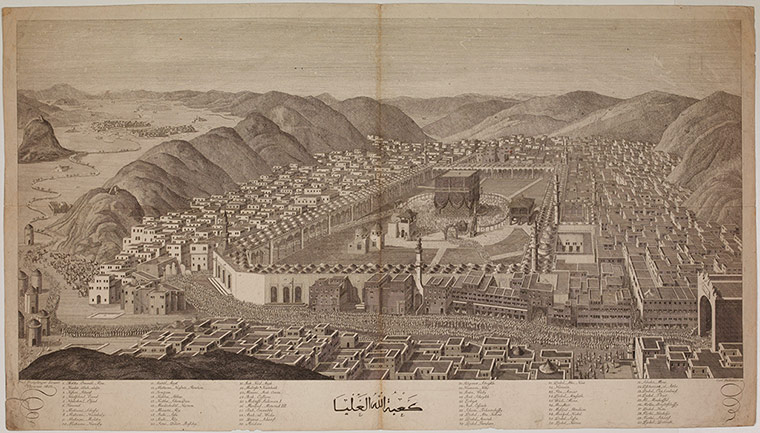
Hajj: Journey to the Heart of Islam examines three key strands of the faith: the pilgrim’s journey, with an emphasis on the major routes used (from Africa, Asia, Europe and the Middle East); the hajj today and its associated rituals; and Mecca, the destination of hajj, its origins and importance Photograph: The Trustees of the British Museum
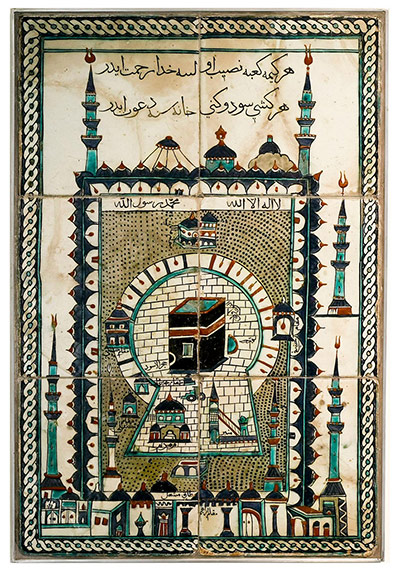
It is laid down in the Quran that it is a sacred duty for Muslims everywhere, if they are able, to make the journey to Mecca at least once in their lives Photograph: Benaki Museum, Athens
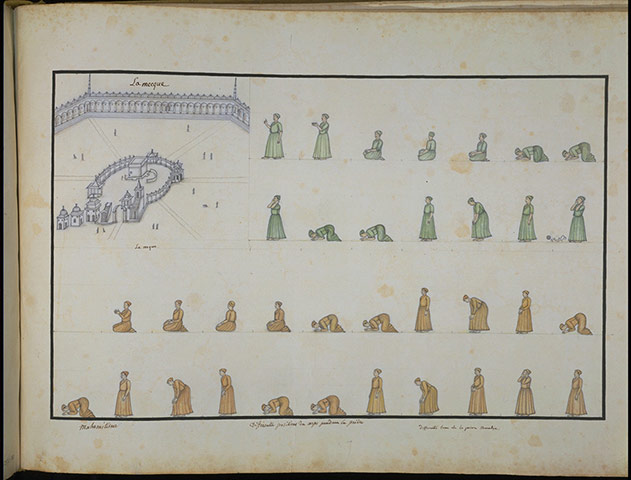
The pilgrimage takes place during the last month of the Islamic year, known as Dhu’l Hijja Photograph: V&A Images/Victoria and Albert Museum
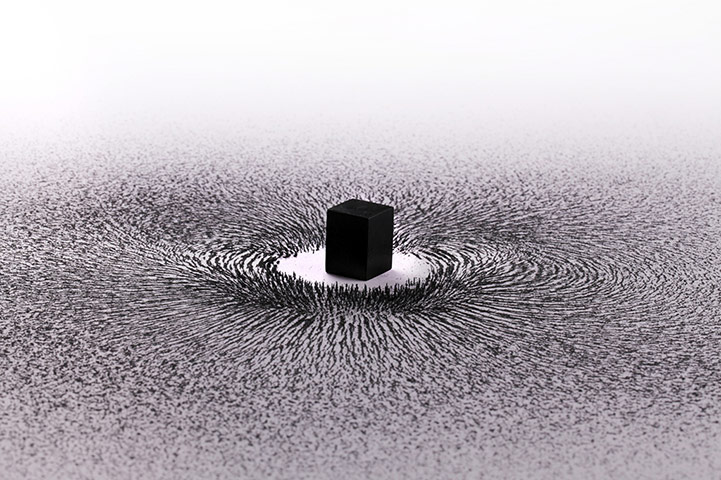
At the heart of the sanctuary at Mecca lies the Ka’ba, the cube-shaped building Muslims believe was built by Abraham and his son Ishmael Photograph: Ahmed Mater and the Trustees of the British Museum

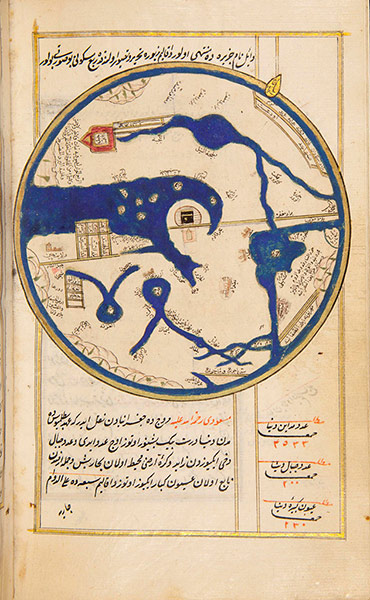
It was in Mecca that the Prophet Muhammad received the first revelations in the early 7th century. The city has long been viewed as a spiritual centre and the heart of Islam. The qibla is the direction Muslims all over the world must face in prayer, towards Mecca Photograph: The Trustees of the British Museum
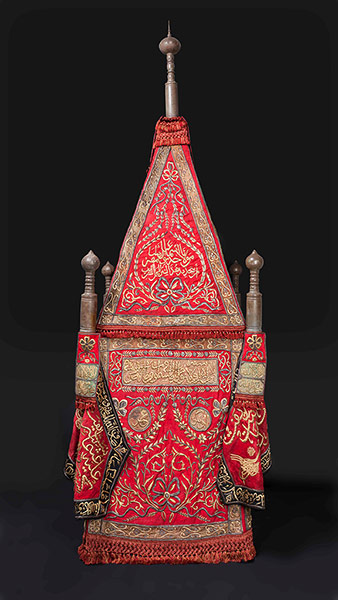
The mahmal was a canopied litter, sent by the rulers of Egypt with a caravan of pilgrims travelling to Mecca; their journey was made in honour of a pilgrimage made by a medieval sultan's wife, Shajaret-ed-Durr
Photograph: Christopher Phillips/Nasser D. Khalili Collection of Islamic Art (Khalili Family Trust)
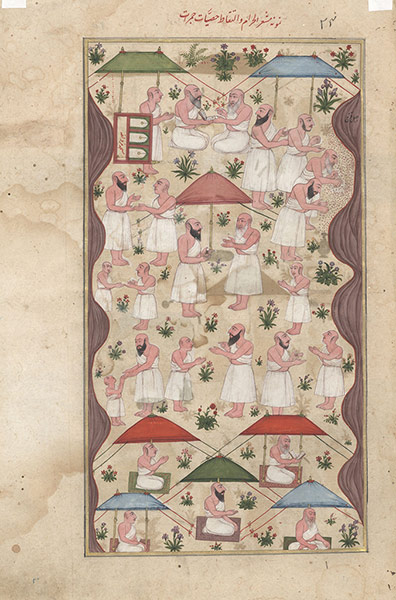
The rituals involved with hajj have remained virtually unchanged since its beginning Photograph: Nasser D. Khalili Collection of Islamic Art (Khalili Family Trust)
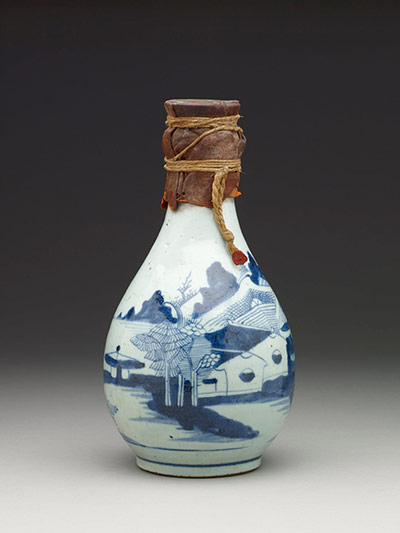
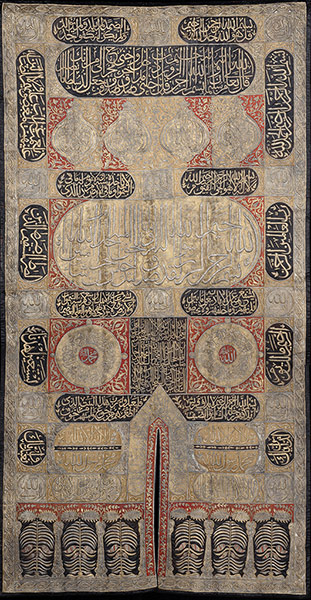
The objects in the exhibition document the long and perilous journey associated with the hajj, including gifts offered to the sanctuary as acts of devotion and souvenirs – such as water from the holy Zamzam well in Mecca
Photograph: The Trustees of the British Museum
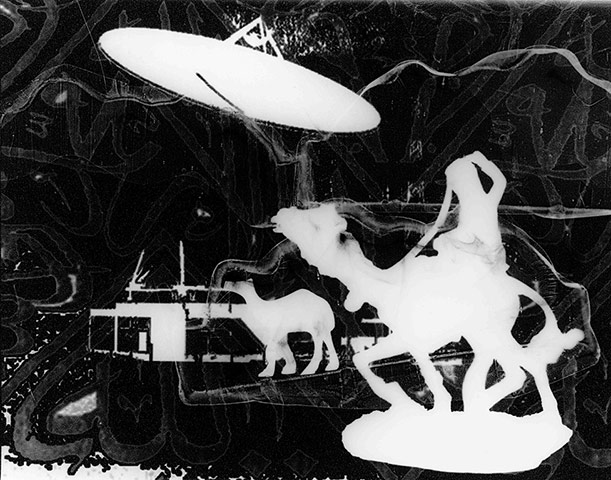
The hajj has a deep emotional and spiritual significance for Muslims, and continues to inspire a wide range of personal, literary and artistic responses, many of which are explored in the exhibition Photograph: British Museum, London