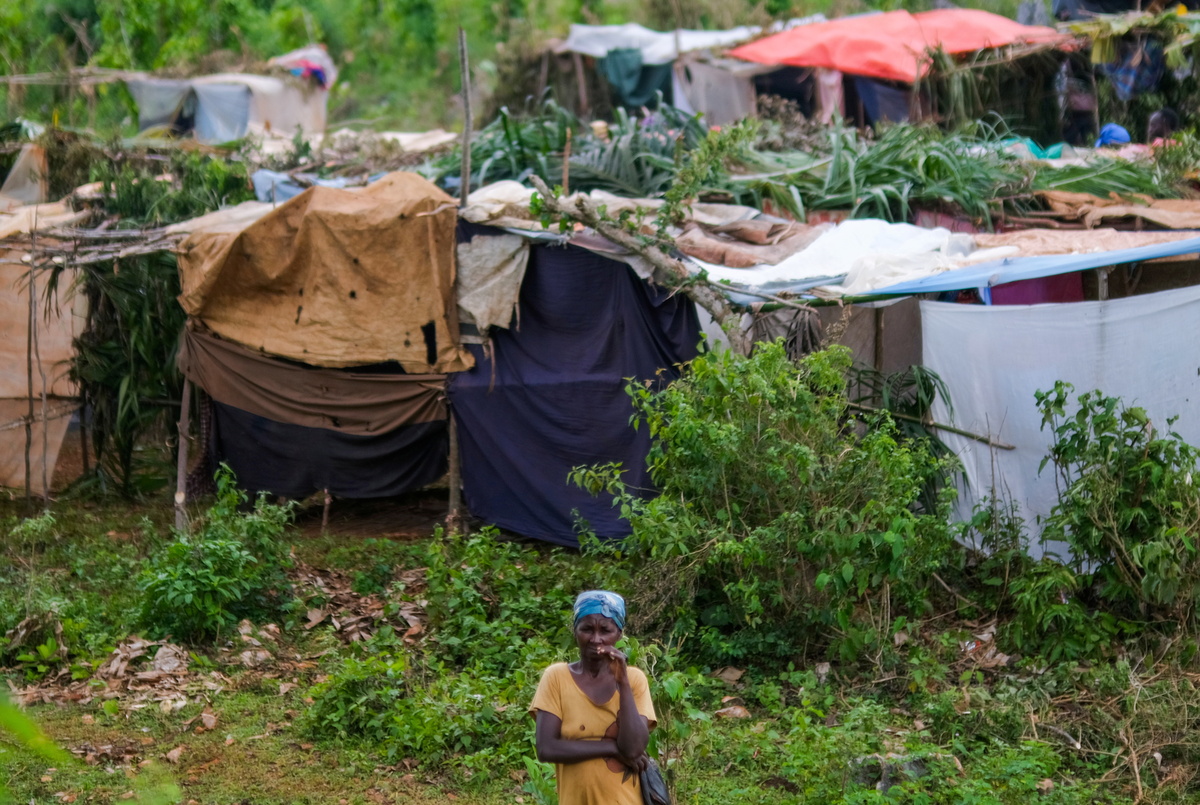
In a tent encampment in the mountains of southern Haiti, where hundreds of villagers sought shelter after a powerful earthquake flattened their homes this month, a single charred cob of corn was the only food in sight.
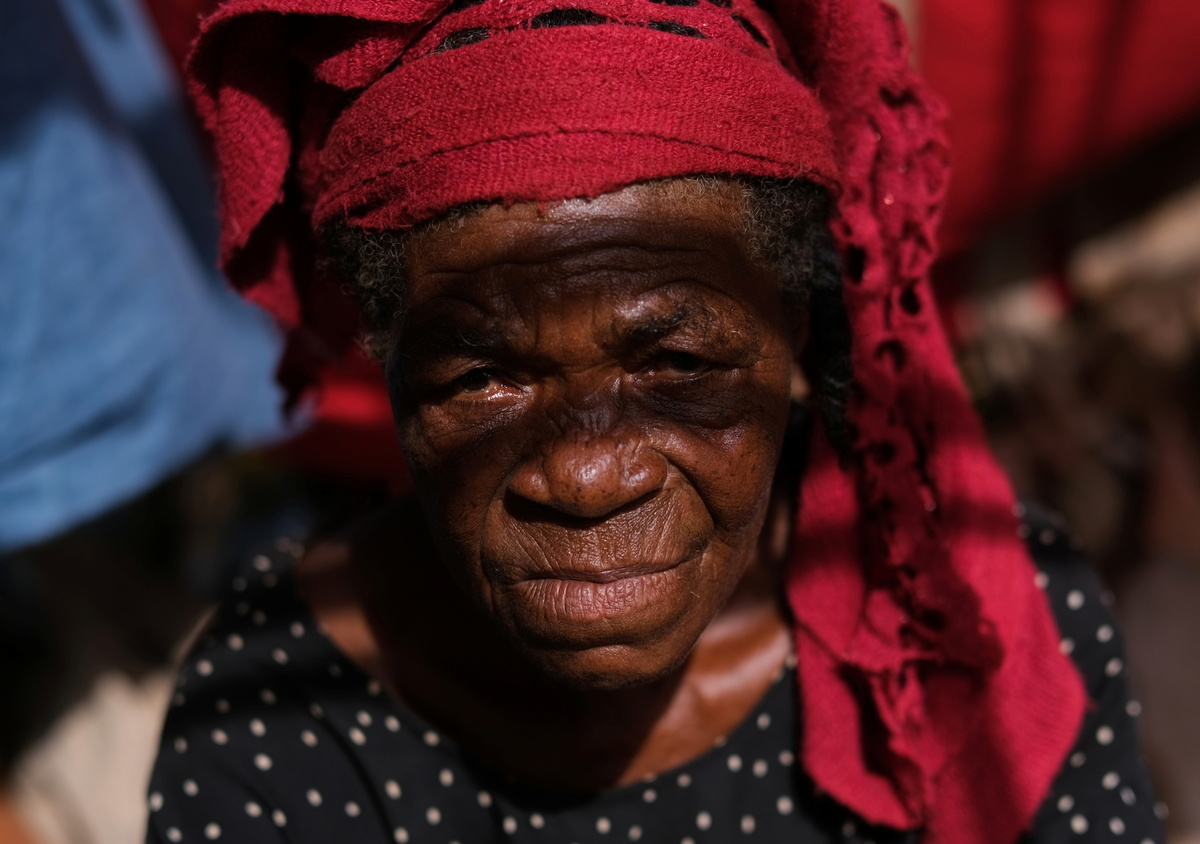
"I'm hungry and my baby is hungry," said Sofonie Samedy, gesturing to her pregnant stomach.
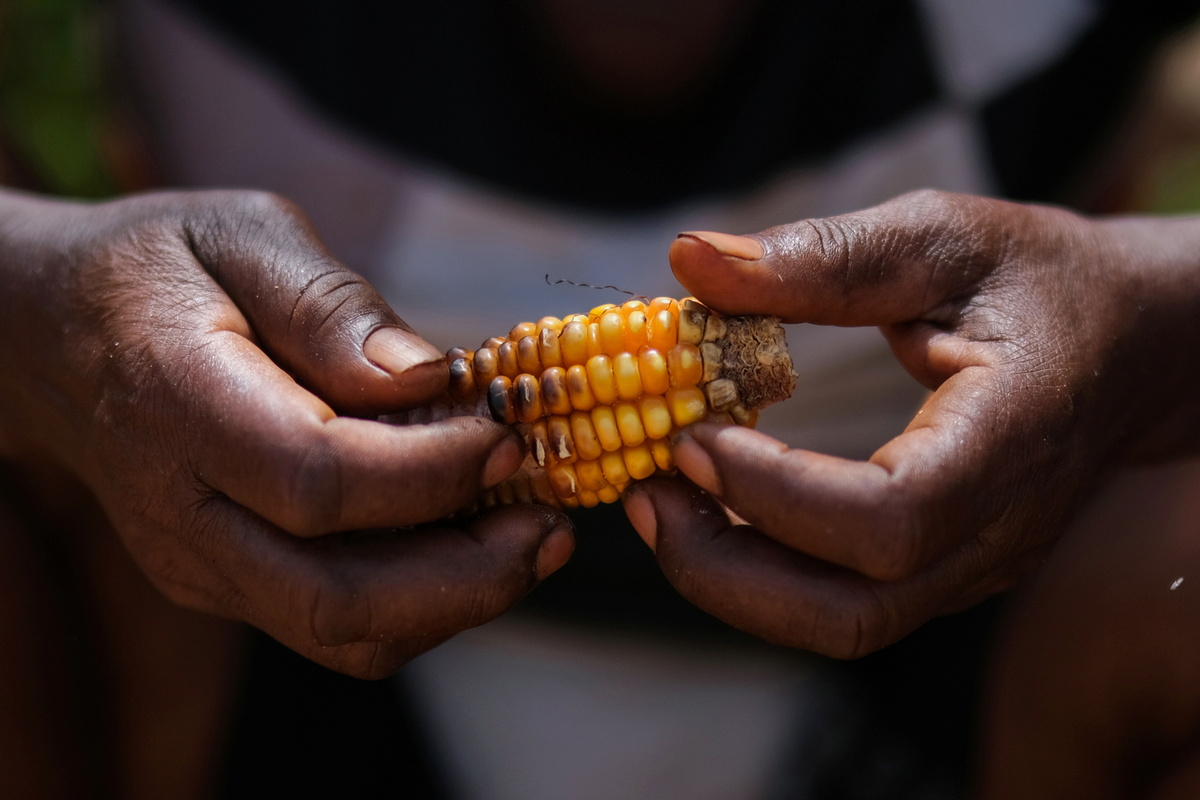
Samedy had eaten only intermittently since the 7.2-magnitude earthquake on Aug. 14 destroyed much of Nan Konsey, a remote farming village not far from the epicenter. Across Haiti, the quake killed more than 2,000 people and left tens of thousands homeless.
In Nan Konsey, the earth's convulsions tore open the village's cement cisterns used to store drinking water and triggered landslides that interred residents' modest subsistence farms.
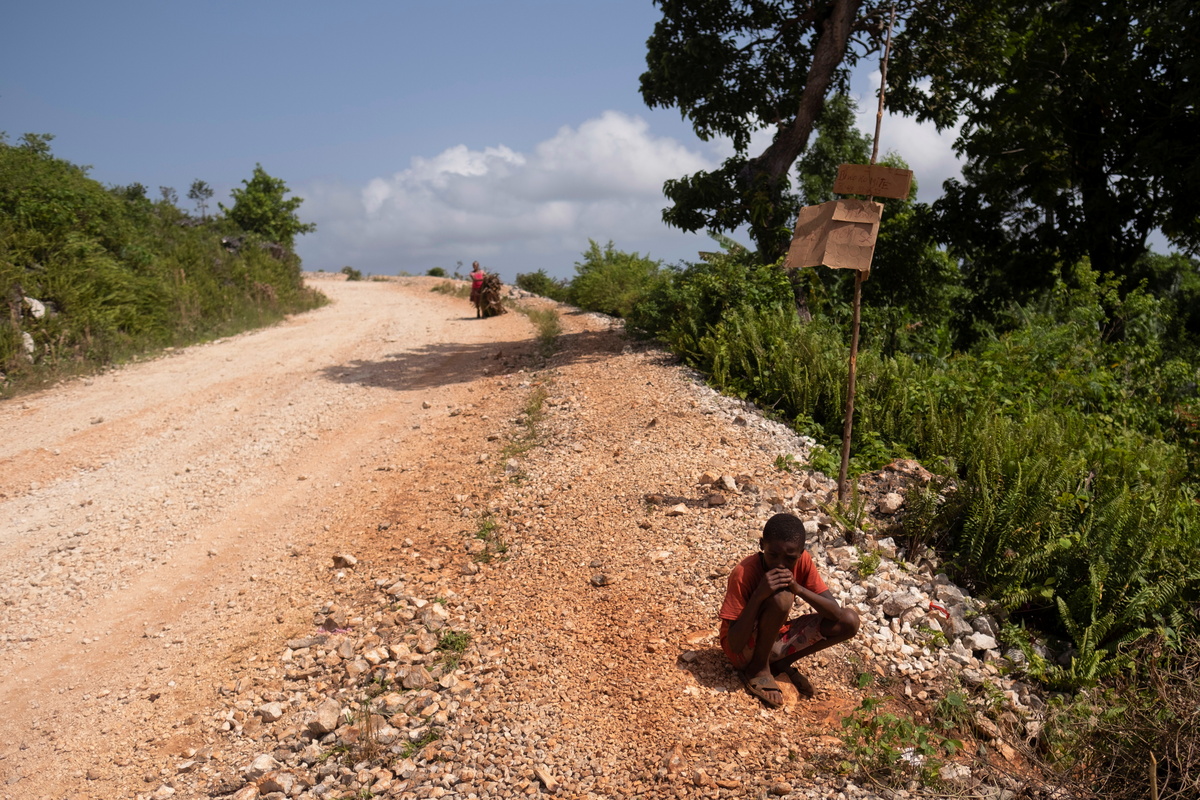
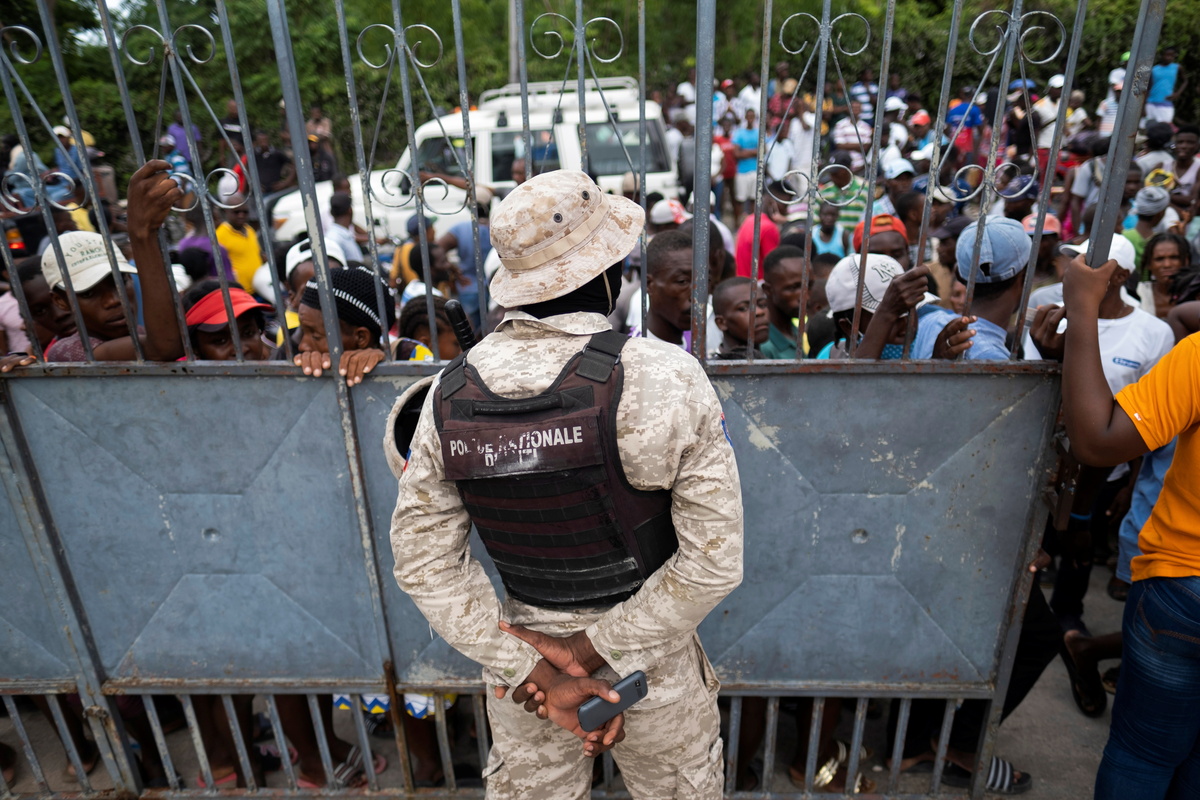
Since then, Samedy and the rest of the community have camped alongside the main highway, about a 40-minute walk from their village, hoping to flag down the rare passing truck to ask for food and water.
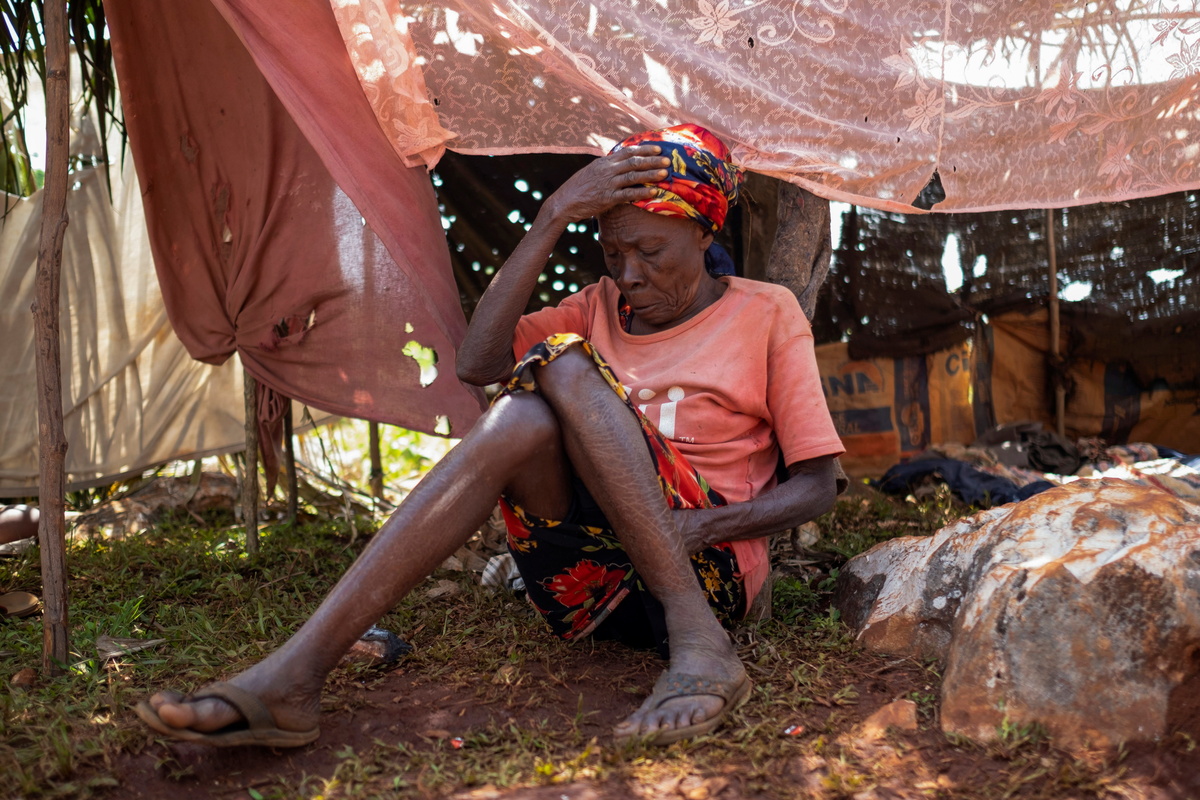
"I'm praying I can still give birth to a healthy baby, but of course I'm a little afraid," she said.
Haiti, the poorest country in the Americas, has long had one of the world's highest levels of food insecurity Last year, Haiti ranked 104 out of the 107 countries on the Global Hunger Index. By September, the United Nations said 4 million Haitians - 42% of the population - faced acute food insecurity.
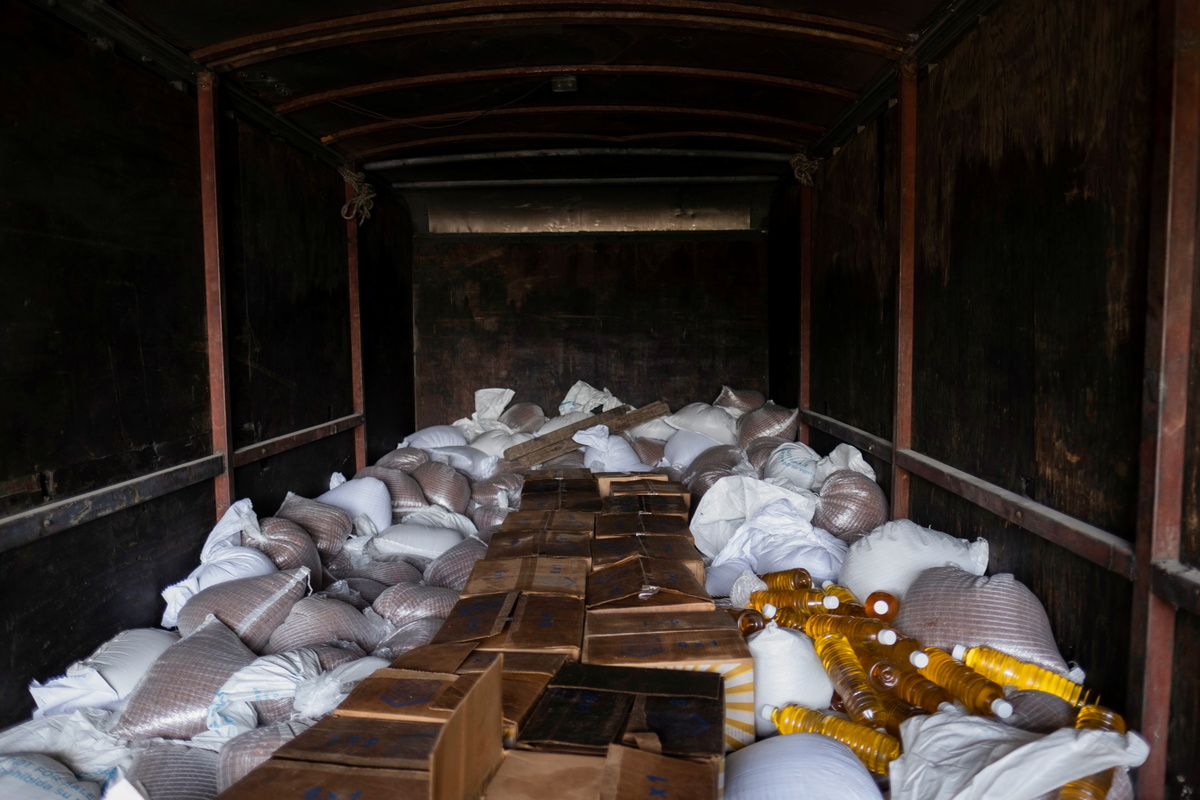
This month's earthquake has exacerbated the crisis: destroying crops and livestock, leveling markets, contaminating waterways used as sources of drinking water, and damaging bridges and roads crucial to reaching villages like Nan Konsey.
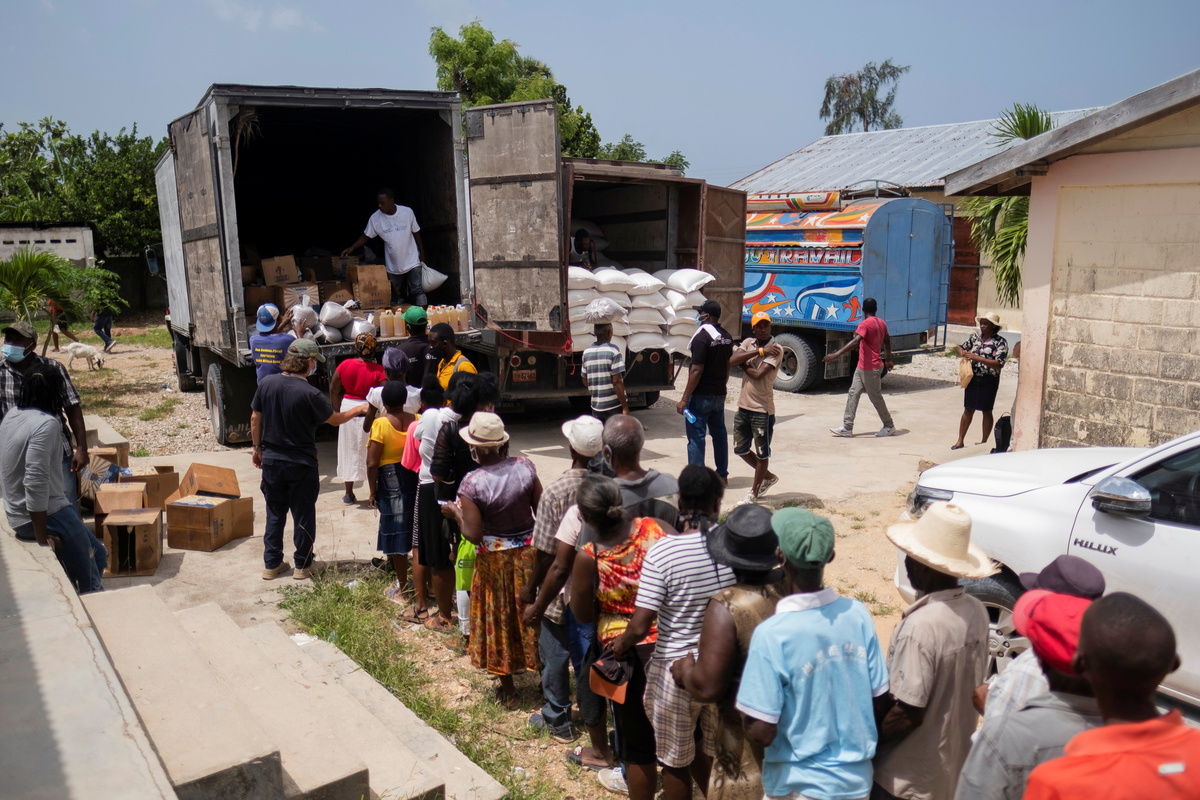
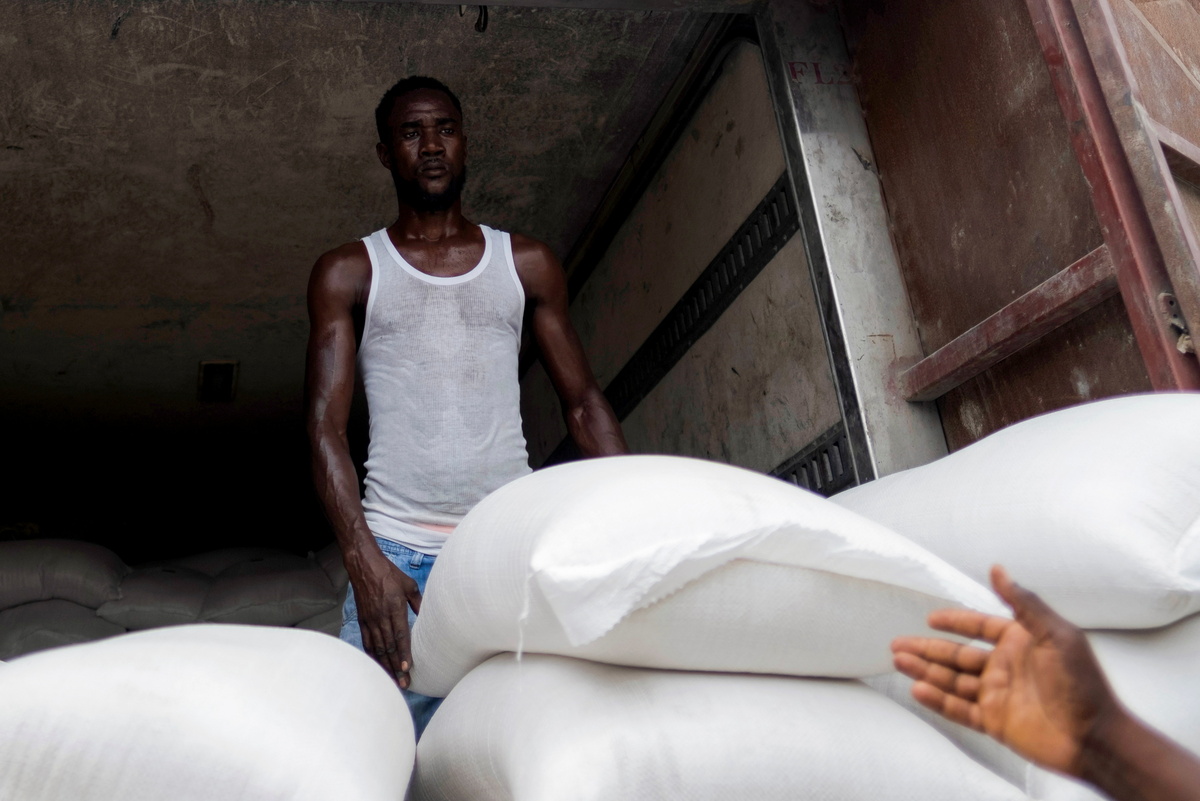
The number of people in urgent need of food assistance in the three departments hardest-hit by the earthquake - Sud, Grand'Anse and Nippes - has increased by one-third since the quake, from 138,000 to 215,000, according to the World Food Programme (WFP).
"The earthquake rattled people who were already struggling to feed their families," Lola Castro, WFP's regional director for Latin America and the Caribbean, said in a statement.
"The compound effects of multiple crises are devastating communities in the south faced with some of the highest levels of food insecurity in the country."
'IN THE HANDS OF GOD'
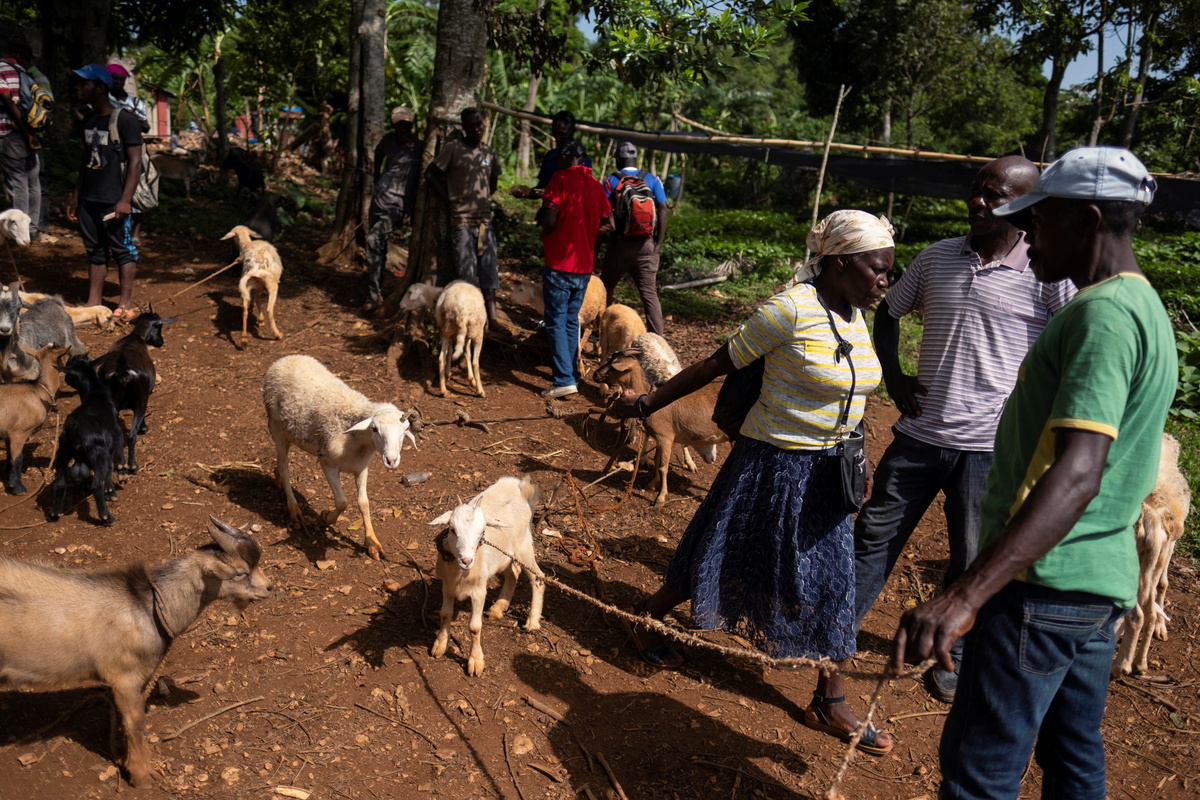
Just off the highway leading to Nan Konsey, a few dozen men gathered at a goat market, where they sold off their remaining livestock to secure cash to feed their children or to pay for family members' funerals.
Before the quake, farmer Michel Pierre had tended 15 goats and cultivated yams, potatoes, corn, and banana trees. He arrived at the market with the only two animals that survived the earthquake.
With his crops also buried beneath landslides, he hoped to earn about $100 from the sale to feed himself, his wife and his children.
When that money runs dry, he said, he isn't sure what he will do. He is still in debt from when Hurricane Matthew ravaged Haiti in 2016.
"Day by day, it's getting harder to be a farmer," he said. "I am in the hands of God."
Haiti was largely food self-sufficient until the 1980s, when at the encouragement of the United States it started loosening restrictions on crop imports and lowered tariffs. A subsequent flood of surplus U.S. crops put droves of Haitian farmers out of business and contributed to investment in the sector tailing off.
In recent years, climate change has made Hispaniola - the island Haiti shares with the Dominican Republic - increasingly vulnerable to extreme droughts and hurricanes. Spiraling food costs, economic decline and political instability have worsened the shortages.
For Gethro Polyte, a teacher and farmer living north of the town of Camp-Perrin, the earthquake decimated his two main sources of income: leveling the school where he taught fourth grade, and submerging his crops and livestock in an avalanche of earth.
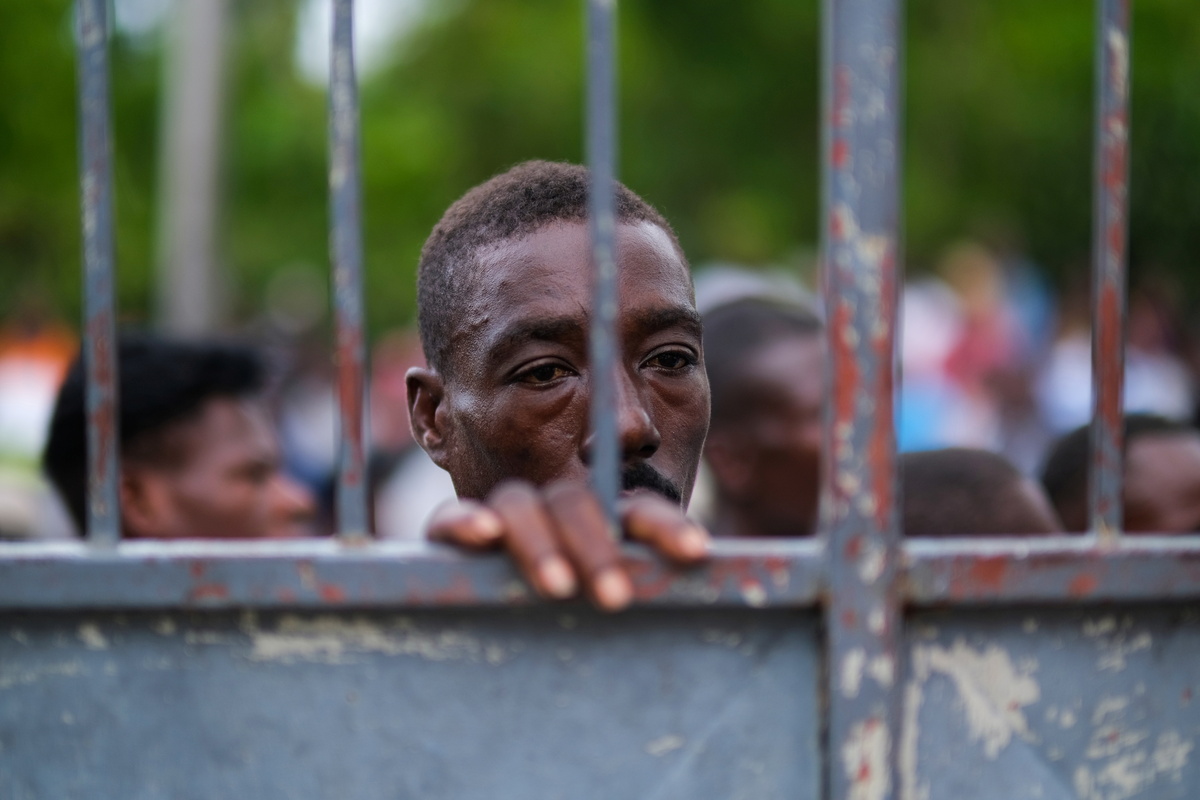
Before the disaster, he and his family had been able to pull together two meals a day and draw water from underground springs, he said. But since then, his food supplies have dwindled down to a few yams and bananas, and the water has been contaminated with silt.
Polyte doubted the school would be rebuilt for classes to start in September and for him to receive a paycheck, given the chaos following the assassination of President Jovenel Moise in July. And with bank loans still to pay off, he doubted he'd be able to secure money to invest in rebuilding his farm.
"We are living now by eating a little something just to kill the hunger," he said. "And, of course, things will only grow worse in the coming days."
(Reporting by Laura Gottesdiener in Haiti, additional reporting by Ricardo Arduengo and Herbert Villarraga in Haiti; Editing by Daniel Flynn and Rosalba O'Brien)