Gustav Klimt: Painting, Design and Modern Life in Vienna 1900
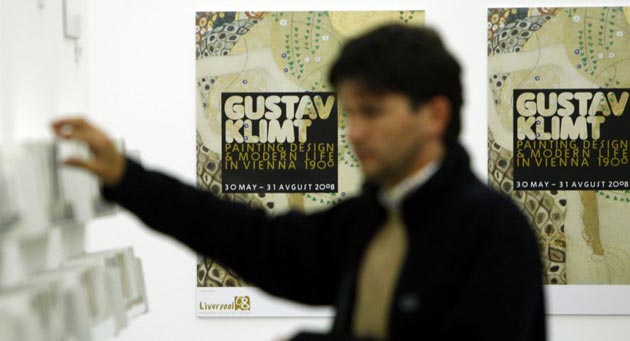
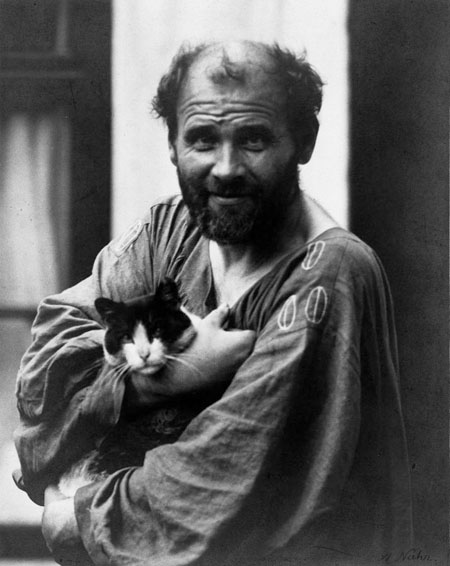
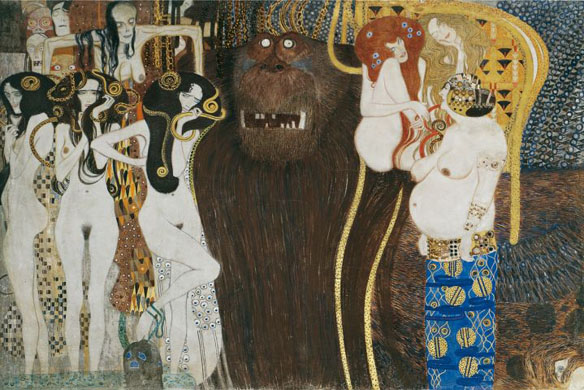
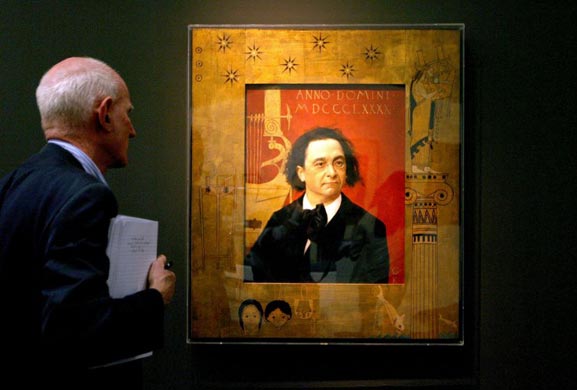
The exhibition collects a wide variety of Klimt's paintings. Transporting the works has been a difficult operation, due to their fragility and immense valuePhotograph: Paul Ellis/AFPGustav Klimt holding one of his cats, in front of his Viennese studio at Josefstaedter Strasse in 1912Photograph: Moriz Naehr/GettyA detail from Beethoven Frieze I, 1901-2, from an ambitious cycle of wall paintings created for an exhibition on the composer at the Sezession in ViennaPhotograph: Belvedere, Vienna /PR
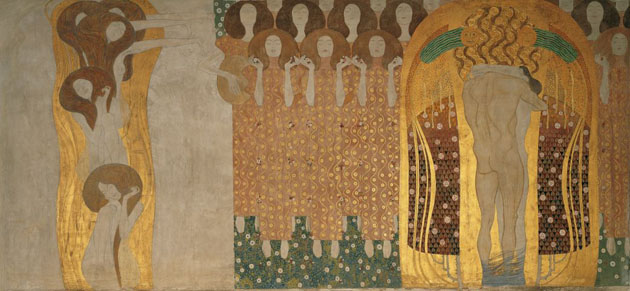
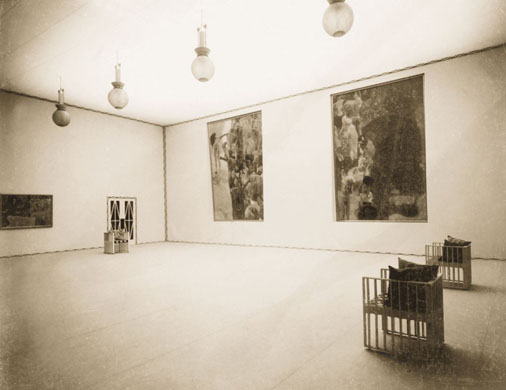
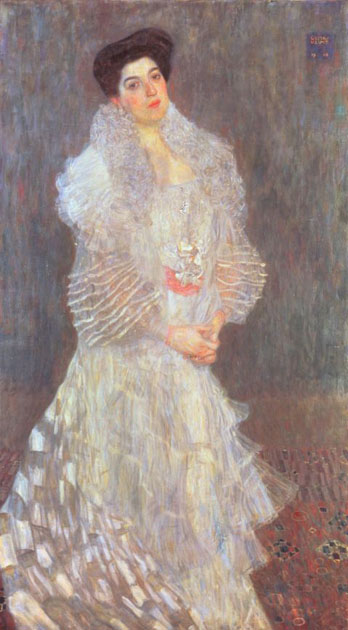
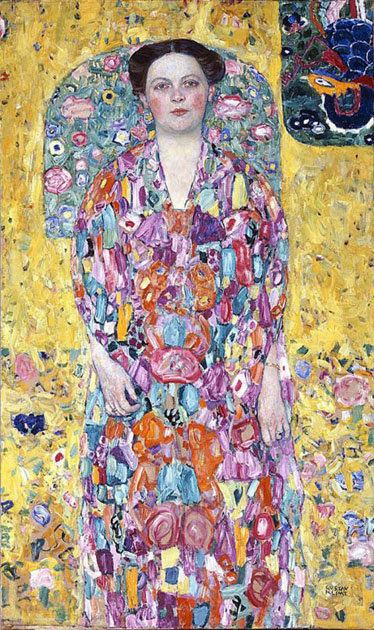
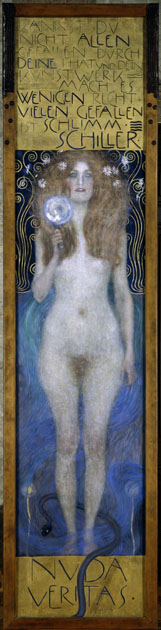
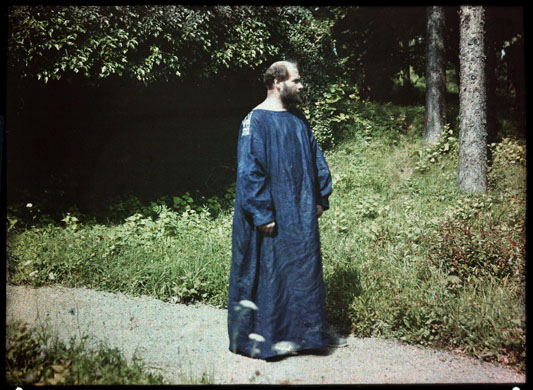
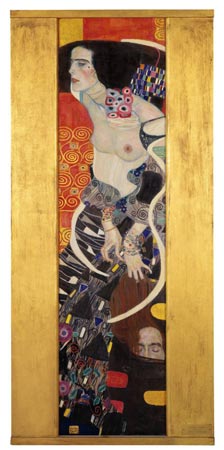
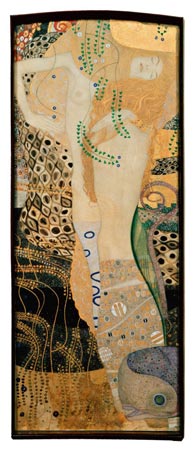
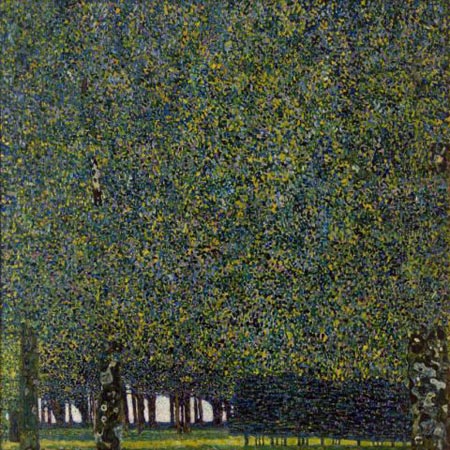
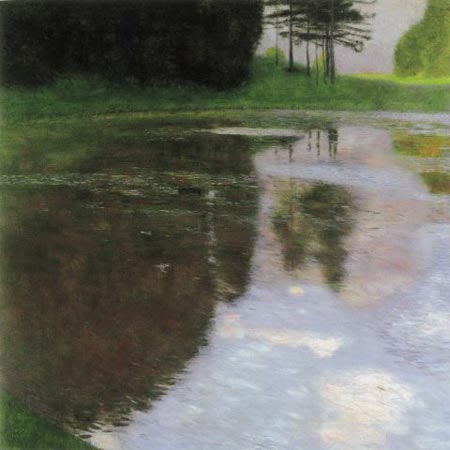
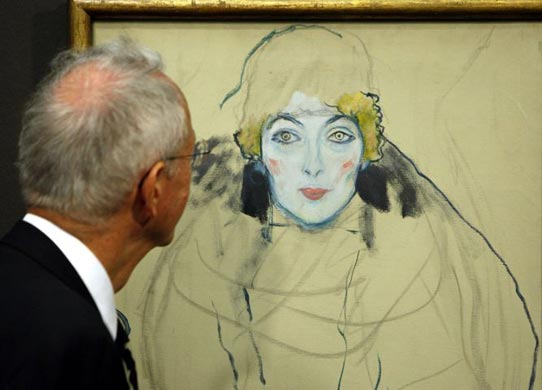
Another detail from the Beethoven Frieze, Klimt's attempt to turn art into music. A replica will be shown in the Tate exhibition, the original remaining in the Vienna SezessionPhotograph: Belvedere, Vienna /PRThe main hall of the Sezession exhibition in 1903, with interior design by Kolo Moser. On the left is Klimt's Medicine, one of three paintings rejected by Vienna University and destroyed by fire in 1945Photograph: Imagno/GettyPortrait of Hermine Gallia, 1904. The sitter, the wife of a patron of the arts, wears a dress designed by Klimt Photograph: The National Gallery, London/PRPortrait of Eugenia Primavesi from 1913. Klimt knew the sitter well, perhaps explaining the more naturalistic style of the portraitPhotograph: Toyota Municipal Museum of Art/PRNuda Veritas, from 1899, is inscribed with a quotation from Schiller: 'If you cannot please everyone with your deeds and your art, please a few. To please many is bad.'Photograph: Österreichisches Theatermuseum oder OETM /PRThis image, taken using the Lumiere autochrome technique, shows Gustav Klimt at Attersee, Austria, circa 1910Photograph: Friedrich Walker/GettyJudith II (Salome), 1909. Tradition depicts Judith as a heroine for seducing and decapitating a drunken Holofernes but Klimt depicts her as a more contemporary femme fatalePhotograph: Musei Civici Veneziani, Galleria Internazionale d'Arte Moderna di Ca' Pesaro, VeniceWater Serpents, 1904-1907. Some of Klimt's work was considered so sexually provocative that three works were destroyed by retreating SS forces in 1945Photograph: Public domainThe Park, 1909-1910. Around 90 per cent of the surface of the canvas is covered with texture, one of the most radical expressions of this idea at the timePhotograph: Public domainCalm Pond in the Park of Schloss Kammer, 1899. Schloss Kammer provided an inspiration that Klimt returned to for several yearsPhotograph: Public domainThis painting entitled 'Portrait of a Woman's Face' is unfinished and dates from 1917, the year before Klimt's deathPhotograph: Paul Ellis/AFPThe exhibition runs from May 30 to August 31 and is possibly the last time such a large collection of Klimt's work will be collected in an exhibitionPhotograph: Peter Byrne/PA
Sign up to read this article
Read news from 100’s of titles, curated specifically for you.