Landlocked and surrounded by richer, more powerful neighbors, Malawi has long been a victim of geography and economics. It now finds itself at the sharp end of a crisis being made more than 3,000 miles away.
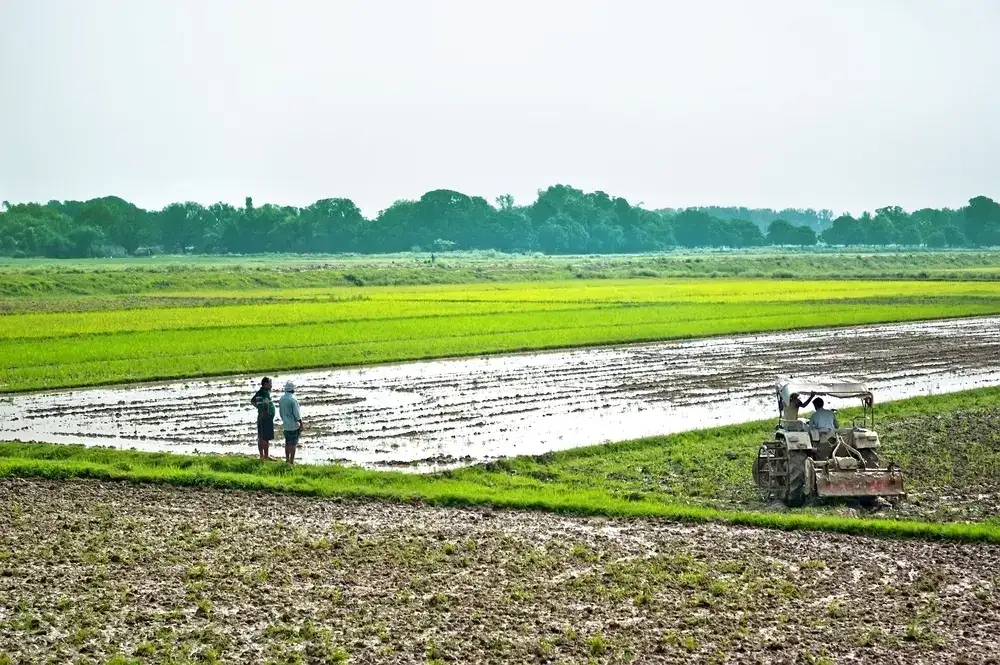
As farmers struggle with rising fuel costs and an increasing scarcity of fertilizer, there are concerns worldwide about the impact on crops. But Africa, where more than half of the 1.3 billion population relies on agriculture, is the most vulnerable along with parts of Asia. Malawi is an extreme example of how severe the consequences could be for food security.
Small-scale farmers make up the bulk of the nation’s 22 million people. As they prepare for the planting season, it’s already getting too expensive to transport some fertilizer to rural regions, and that’s if it’s available at all. Global supplies of both fuel and plant nutrients are being choked off by the effective closure of the Strait of Hormuz as the US and Israel wage war on Iran.
“My biggest worry this year is not even just price, but availability,” said Yashodan Gharat, Malawi country director at One Acre Fund, a nonprofit that supports farmers in 10 African countries. “Everybody is going to be looking for fertilizer and when that’s the case, will fertilizer come to a small market like Malawi? I have my doubts.”