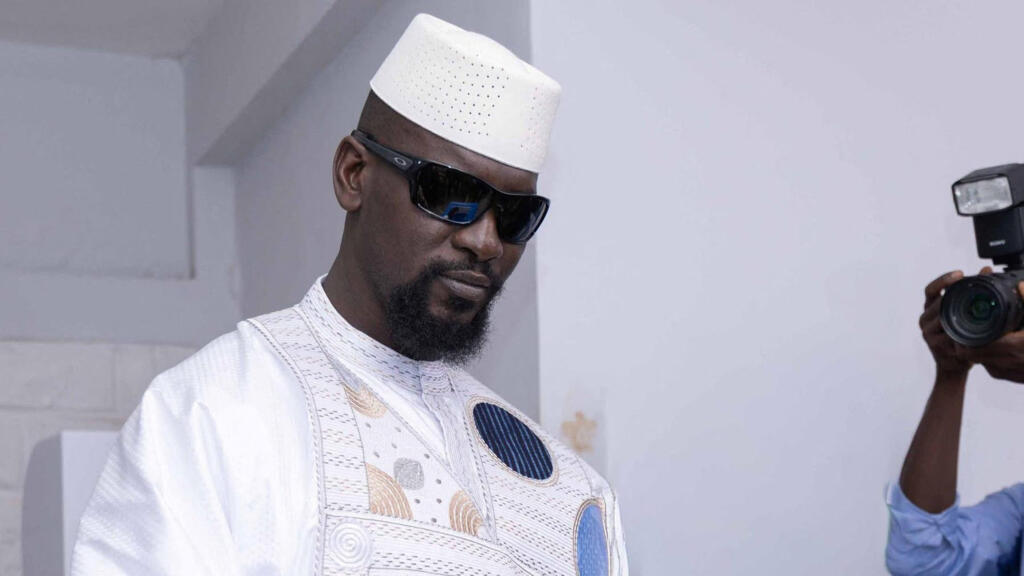
Guinea’s junta chief Mamady Doumbouya has been elected president with an overwhelming majority, according to provisional results released by the country’s election commission. Doumbouya had vowed not to seek office after seizing power four years ago.
Doumbouya, 41, secured just under 87 percent of the vote in the first round, comfortably above the threshold required to avoid a run-off, the General Directorate of Elections said on Tuesday.
Turnout was put at almost 81 percent, a figure that suggests strong participation despite calls from parts of the opposition to stay away from the polls.
The general faced eight rivals in the weekend vote, but Guinea’s most prominent opposition leaders were barred from standing under new constitutional rules and had urged supporters to boycott what they described as a foregone conclusion.
Early results showed Doumbouya winning decisively across much of the country. In some districts of the capital, Conakry, he took more than 80 percent of the vote, according to partial tallies read out by election chief Djenabou Touré on state broadcaster RTG.
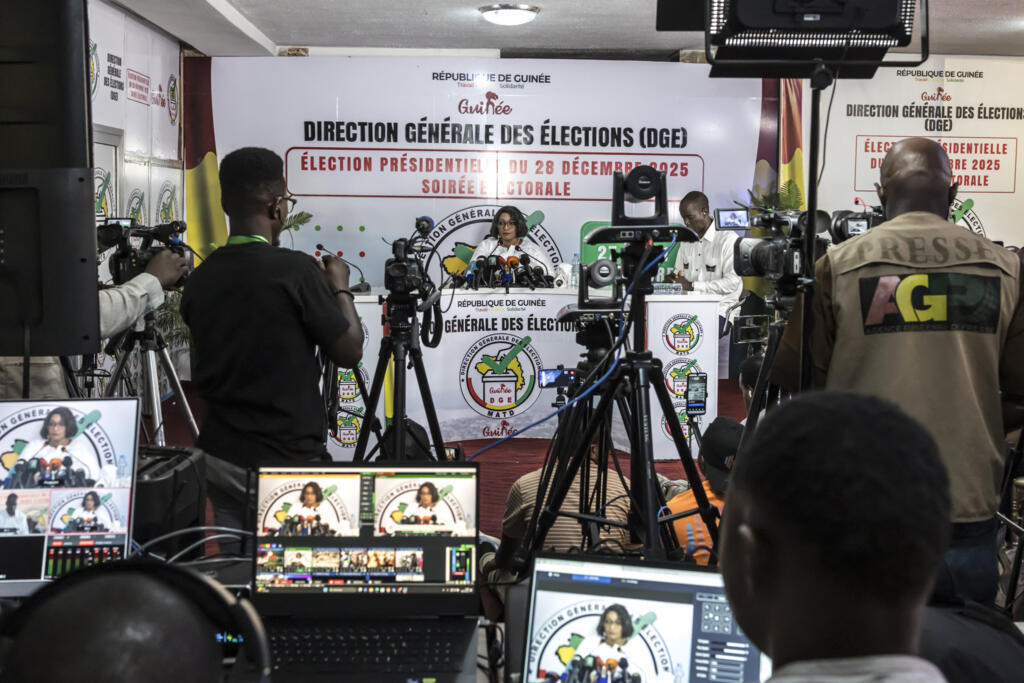
However, the scale of the victory was swiftly challenged by critics. The National Front for the Defence of the Constitution, a citizens’ movement campaigning for a return to civilian rule, said a “huge majority of Guineans chose to boycott the electoral charade”.
Doumbouya came to power in September 2021 after leading a coup that ousted Alpha Condé, Guinea’s first freely elected president.
At the time, he promised a swift transition back to civilian rule and said he would not run for office himself.
Since the coup, the junta has tightened its grip on power. Protests have been banned, civil liberties curtailed and a number of opponents arrested, prosecuted or pushed into exile.
Guinea votes in presidential election expected to cement Doumbouya's rule
'Electoral banditry'
Several of Doumbouya’s rivals also questioned the conduct of the vote. Candidate Abdoulaye Yero Balde cited “serious irregularities”, including the refusal to allow his representatives into vote-counting centres and allegations of ballot stuffing in some areas.
Another contender, Faya Millimono, complained of “electoral banditry”, which he said involved undue influence being exerted on voters.
The election follows a constitutional referendum held in late September, in which Guineans approved a new basic law allowing members of the ruling junta to run for office.
The revised constitution also extended presidential terms from five to seven years, renewable once – changes that cleared the path for Doumbouya to run.
Guinea's presidential candidates hold final rallies before vote
The same rules excluded several heavyweight opposition figures. Former prime minister Cellou Dalein Diallo was barred because he lives in exile and has his main residence outside Guinea.
Condé and another former prime minister, Sidya Touré, were ruled ineligible on age grounds, as both are over the newly imposed age limit of 80.
(with newswires)