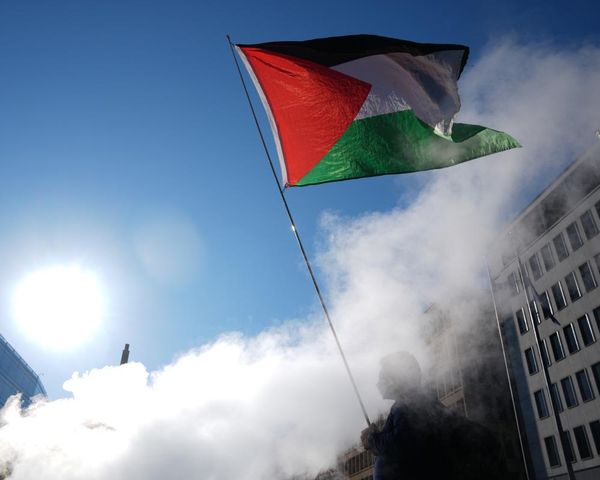
Conakry resembled a ghost town on Thursday with continuing protests by the National Front for the Defense of the Constitution (FNDC) ahead of polls on 1 March. Voters are expected to cast their ballot on both the changes to the constitution and choose candidates in a parliamentary poll.
Civil society and opposition parties are against a potential third term by President Condé and most shops and restaurants in the capital city are closed. “I’ve closed my shop to mark my protest against plans to change the constitution,” Ousmane Barry, a shopkeeper in Hamdallaye neighbourhood, told RFI.
Traffic on the “The Prince” road through the capital was flowing freely on Thursday, in contrast to the usual congestion of cars and motorcycles. The FNDC did not give a precise location for protests, suggesting a more general move calling on people to go out in their neighbourhoods.
The draft constitution also aims to set in stone gender equality, and end the practice of female circumcision and under-age marriage. However, critics are worried that the real reason for the changes are to reset term limits giving 81-year-old Condé the opportunity to stand for re-election later this year.
The main opposition parties have boycotted Sunday’s polls and there has not been much campaigning in Conakry this week, except for billboards in favour of changing the constitution to achieve equality or greater inclusion of the youth. Few public rallies took place, but there were clashes between young people and the security forces in the Conakry suburb of Wanindara on Thursday.
Fears of violence
Human rights groups are concerned that the action by armed forces in response to protests risks throwing the country into a cycle of violence.
“The International Federation for Human Rights (FIDH) and its member organisations call on the government to billet the armed forces in their barracks to prevent any violence against demonstrators and stop the repression of opponents,” FIDH said in a statement.
FIDH said the armed forces had been put on alert ahead of the polls with commanders requested to organise daytime and nighttime patrols. A sign of escalation that “could threaten peace and unity in the county”, the FIDH added, saying at least 37 people had been killed since October durings protests.
Abdoul Gadiry Diallo, president of the Guinean Organisation for the Protection of Human Rights and the Citizen (OGDH), said the situation is critical. He is worried about a repeat of the massacres carried out by soldiers on 28 September 2009 when at least 150 people were killed and dozens of women raped by members of the presidential guard.
Ecowas distances itself from polls
Regional West African bloc Ecowas on Thursday announced that it would not be carrying out a high-level visit by heads of state ahead of the polls. The visit led by Niger’s President Mahamadou Issoufou as well as the presidents of Nigeria, Ghana and Burkina Faso had to “unfortunately be delayed” owing to the commitments of Guinea’s Condé.
There are “certain factors” suggesting that the situation on the ground is “not free of all risks”, according to an Ecowas communiqué.
Daily news briefReceive essential international news every morning
Subscribe