GUANTANAMO BAY NAVAL BASE, Cuba _ Lawyers for the accused mastermind of the 2000 USS Cole bombing asked the military judge Wednesday to order four key CIA figures at the time of the captive's waterboarding to testify even before the trial begins in a bid to throw the case out.
"You need to hear from the torturers themselves," criminal defense attorney Rick Kammen argued, seeking an indefinite freeze over CIA clandestine service chief Jose Rodriguez's order in 2005 to destroy videotapes of interrogations of Saudi captive Abd al Rahim al Nashiri, 51, the accused bomber, and others held in the spy agency's secret prison network.
For his part, lead case prosecutor Mark Miller suggested the tape-destruction issue was premature at this phase of pretrial hearings _ the judge has not yet set a Cole case trial date _ and the judge, Air Force Col. Vance Spath, appeared to agree with him.
But it afforded criminal defense attorney Kammen an opportunity to refer to revelations in a new book, "Enhanced Interrogation," by one of the sought witnesses _ former CIA contract psychologist James E. Mitchell _ who described how the slight Saudi was too small and slipped from the straps of the waterboard during three sessions of simulated drownings.
Kammen told the judge if he doesn't dismiss now, defense lawyers are entitled to the most graphic possible examples of "what we call torture, they call enhanced interrogation" _ maybe "screams, tears, vomit ... we don't know" _ to argue at trial against admissibility of evidence in some instances, and against execution if Nashiri is convicted.
The Saudi is accused of overseeing the bombing of the destroyer on Oct. 12, 2000, in Aden Harbor at the behest of Osama bin Laden. Seventeen sailors died in that attack, and dozens more were wounded.
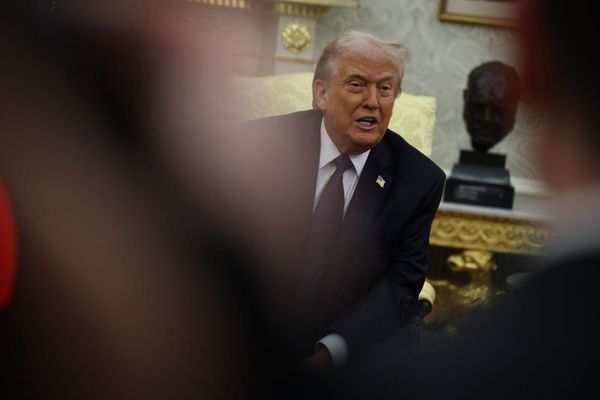
President Barack Obama has declared waterboarding torture; President-elect Donald Trump has said he might authorize it "if it's so important to the American people."
Nashiri's lawyers want former CIA attorney John Rizzo, Rodriguez, Mitchell and his CIA interrogation program partner Bruce Jessen to testify about the tapes, as well as about their destruction at the time of a federal protection order.
Miller, an assistant U.S. attorney from New Orleans on loan to the case, also opposed the defense lawyers' request for all material from an investigation carried out by another assistant U.S. attorney, John Durham, into the videotape destruction that ended in no charges.
"If the government was aware of that and came into possession of those they would be disclosed in due course after an equitable proceedings review has occurred," Miller said of Durham investigation documents.
Mitchell and Jessen, psychologists who helped design the CIA's Black Site interrogation techniques, got $81 million for their services, according to the public portion of a mostly hidden Top Secret 6,700-page Senate Intelligence Committee report on the spy agency program. Nashiri disappeared into the dark sites for nearly four years before his September 2006 transfer to Guantanamo for the death penalty trial.
Kammen argued the four witnesses had no Fifth Amendment right not to testify out of fear of self-incrimination. "Quite frankly the statute of limitations has run," he said.
Mitchell's just released book provides details that even defense attorneys entitled to top secret information for years didn't know, Kammen told reporters earlier this week. The Indianapolis-based seasoned death penalty defender, however, stopped short of say what details had not already been furnished for fear of putting his top secret security clearance at risk.
In court Kammen referred to the book then said:
"If the tapes showed the CIA slapping him around and punching him in the face and punching in the genitals, that's one thing. If they're trying to waterboard him and that's not working well, that's another."
Mitchell writes that Nashiri, whose height was logged in at 5-foot-5 on his arrival at Guantanamo, is as "a really small guy. Security personnel had trouble securely strapping him to the large hospital gurney that the medical personnel wanted us to use as a waterboard at the time.
"When the guards stood the gurney up on end so that he could clear his sinuses," he wrote, Nashiri "would slide down, and his arms and hands would almost slip out from under the wide Velcro bands designed to hold him in place. We were concerned that he would fall off the gurney and get hurt. We were all feeling uncomfortable."
The waterboarding was discontinued after three sessions, Mitchell wrote.
Nashiri missed the hearing, voluntarily, according to his lawyer.
After court, two fathers of sailors killed aboard the USS Cole and a sailor who survived it expressed disgust at the prolonged, pretrial hearings _ and what they believed to be a proposed start date of 2024. It was suggested that the delays and pretrial motions demonstrated the fairness of the military commissions system to critics across the globe.
"I could care less about the world," remarked Thomas Wibberly, who said his son Seaman Craig Bryan Wibberly had a slow death about the U.S. Navy destroyer after the attack by two al-Qaida suicide bombers. "I could care less if they tortured him."
Spath expects to hear Thursday from a detention center commander and senior medical officer over a bid by Nashiri's lawyers to let him sleep at the war court compound, Camp Justice. His attorneys say the commute between Camp 7 and the court re-traumatizes the Saudi. A prosecutor predicted earlier in the week that the unnamed military medical officer will say Nashiri suffers from motion sickness.