A plan to water down, but not extinguish, Western Australia's special GST deal has been offered as a compromise to end the years-long battle with eastern states.
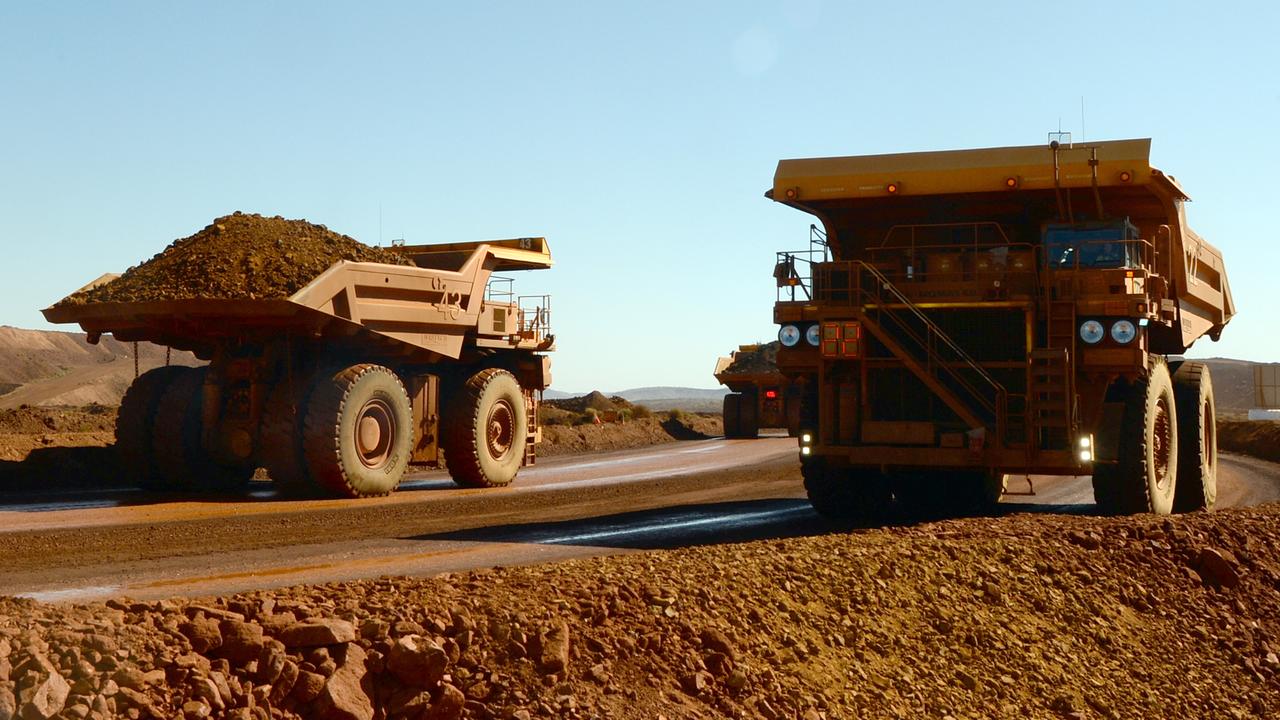
Despite being the fiscally strongest state off the back of iron ore royalties, WA's portion of GST revenue increased by $1.3 billion in the latest carve-up of the national pool.
The state has benefited from a 2018 deal struck with the then-coalition federal government, ensuring it could not receive less than 75 cents to the dollar of what it would get under conditions applying to other states and territories.
That floor increased to 82 cents for the coming financial year.
NSW Treasurer Daniel Mookhey has long argued the distribution should be calculated on a per capita basis, with top-ups for financially strained states.
But on Friday he opened the door to compromise: keeping WA's floor but lowering it to 50 cents.
"The existing system is busted, it's broken and it needs to be fixed," he told reporters on Friday.
"We aren't purists about this.
"We're happy to work on a reasonable compromise."

NSW taxpayers had seen more of their money put to work fixing the budgets of Victoria and WA, which is on track to post its eighth consecutive budget surplus, according to Mr Mookhey.
Federal Labor and the opposition have been unwilling to redraw the rules, with federal Treasurer Jim Chalmers emphasising payments to all states and territories were increasing as the GST pie increases.
But Mr Mookhey maintained no state east of the Nullabor was satisfied with the status quo.
NSW's share of the GST pool has now fallen to 82 cents in the dollar in 2026/27, down from 92.4 cents three years earlier.
That 82-cent mark also became the new floor for WA under the second phase of the 2018 deal.
The changes were initially forecast to set the federal budget back $9 billion over eight years, but independent economist Saul Eslake estimates it will top $60 billion over 11 years.
WA Premier Roger Cook defended his state, claiming it subsidised other states as it facilitated investment in private industry.
"These other states that cry poor really should look at themselves," he said on Friday.
"No state pays as much to the other states in terms of surrender of its GST than Western Australia."
The distribution of GST has historically been decided based on need, which from about 2000 to 2018 meant resource-rich WA received a lower per capita share than poorer states like Tasmania.
WA received 30 cents and 34 cents in the two years before the new deal.
Mr Mookhey is outlining his proposal in a detailed submission to the Productivity Commission into the GST deal ahead of a report slated for August.