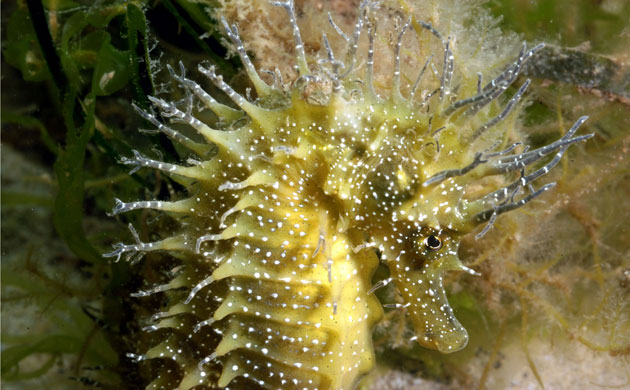
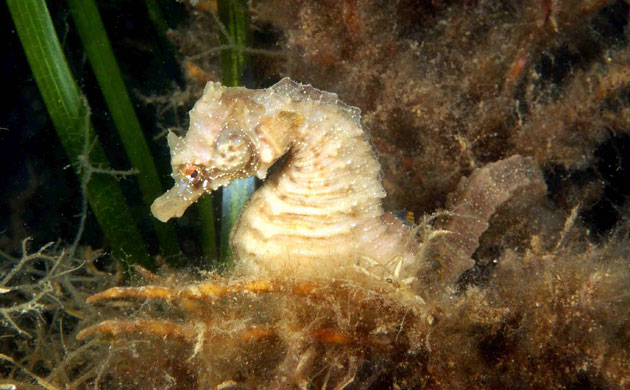
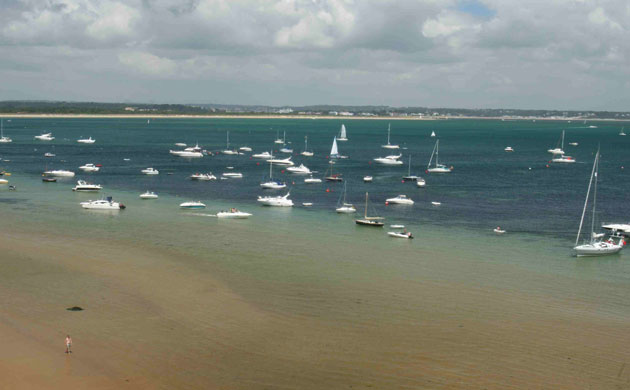
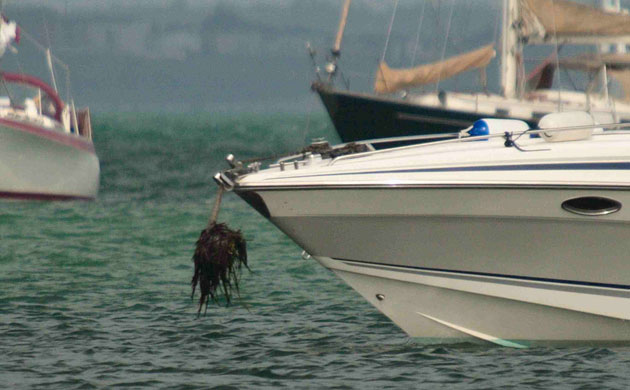
The spiny seahorse, or hippocampus guttulatus, is the most common seahorse found in Studland, Dorset. They can reach a length of around 20cm (eight inches). A pregnant male spiny seahorse like this one can give birth to up to 300 young at a timePhotograph: Steve Trewhella/Steve TrewhellaThe short-snouted seahorse, or hippocampus hippocampus, is much stockier and can grow to around 17.5cm. Like the spiny seahorse it is a master of disguise and can change its colour to match its surroundingsPhotograph: Steve Trewhella/Steve TrewhellaAs well as being an important breeding site for seahorses, Studland Bay in Dorset is a popular destination for boats. Several hundred at a time can be moored in the shallow waterPhotograph: Steve Trewhella/Steve Trewhella
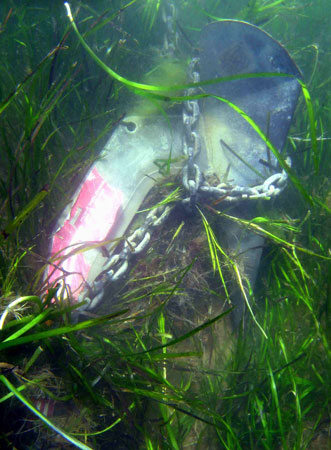
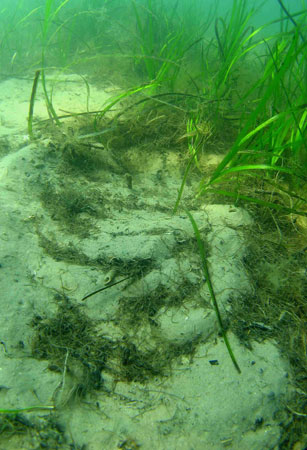
But conservationists agree that the anchors can be damaging to the eel grass on the sea bed, which is home to both species of British seahorsePhotograph: Steve Trewhella/Steve TrewhellaThe anchors pull up clumps of eel grass as they are hauled in. Conservationists say eel grass is also an important nursery for commercial fisheriesPhotograph: Steve Trewhella/Steve TrewhellaThis image shows how the sea bed in Studland is damaged by boat anchors. The issue has ignited a debate about the best way to protect the seahorsesPhotograph: Steve Trewhella/Steve Trewhella
Sign up to read this article
Read news from 100’s of titles, curated specifically for you.