It is a paradox of the 2025 economy: grocery warehouses are full of food, but store shelves are often empty. The reason isn’t a supply chain breakdown in the traditional sense; it is a labor breakdown. As the year ends, grocery chains are reporting an intensifying shortage of stocking crews and back-room staff. This “last 100 feet” problem means that products are sitting on pallets in the back room while customers stare at empty spots on the shelf, creating a frustrating experience where availability is determined by staffing levels rather than inventory.

The “Stocking Lag” Phenomenon
Shoppers are noticing a new pattern: the store looks decimated at 5:00 PM. In the past, “mid-day recovery” crews would restock shelves throughout the afternoon. With current labor shortages, many stores have abandoned these shifts, relying solely on overnight crews. If a popular item sells out by noon, it remains empty until the next morning, even if fifty cases of it are sitting in the back. This “stocking lag” forces shoppers to adjust their schedules, making early morning trips the only guarantee of full selection.
The Skill Drain
It is not just about the number of bodies; it is about experience. High turnover means that many stocking crews are new and untrained. They may not know where specific items are located, leading to “orphan” products being placed in the wrong spot or cases left unopened because the worker didn’t recognize the packaging. Experienced stockers who could efficiently pack out a cereal aisle in an hour have moved on to higher-paying logistics jobs, leaving stores with slower, less efficient teams.
Impact on Sale Items
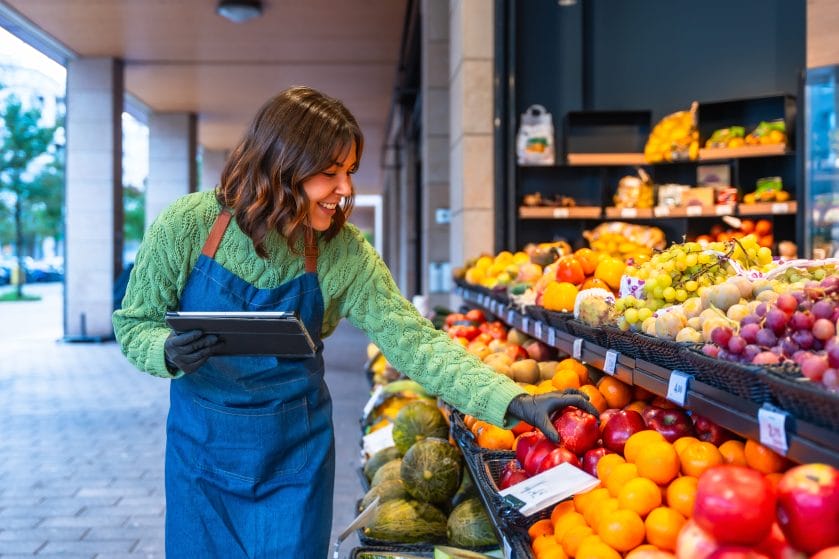
The shortage hits sale items the hardest. High-velocity promotional items (like Buy-One-Get-One soda) require constant restocking. When labor is tight, managers prioritize stocking essential staples like milk and eggs over promotional displays. This means the very items that drew you into the store—the deep discounts—are the most likely to be out of stock simply because no one had time to refill the end-cap.
The Rise of “Shelf-Ready” Packaging
To cope, retailers are demanding “shelf-ready” packaging from manufacturers—boxes that can be ripped open and placed directly on the shelf without stacking individual cans. While this saves labor, it leads to a messier aesthetic and often makes it harder for shoppers to reach the last few items in the back of the box. The store environment is becoming more utilitarian and warehouse-like as a survival mechanism against the labor crunch.
Customer Strategy
The best defense against the labor shortage is timing. Shopping as early as possible—ideally right when the store opens—gives you access to the work done by the overnight crew. Alternatively, asking a manager to check the back is becoming a necessary part of the shopping trip. Often, the product is there; it just lacks a person to move it those final few yards.
What to Read Next
Retail Workers Note Growing Safety Concerns During Late-Night Restocks
Bakery Workers Report Ingredient Substitutions That Affect Quality
Grocery Workers Warn: “We’re at the Bottom of the Food Chain” While Prices Soar Behind the Scenes
7 Products Costco Workers Wouldn’t Spend Their Own Money On
Why Grocery Workers Dread Seeing This One Item at Checkout
The post Grocery Worker Shortages Intensify as Stores Struggle to Keep Shelves Stocked appeared first on Grocery Coupon Guide.