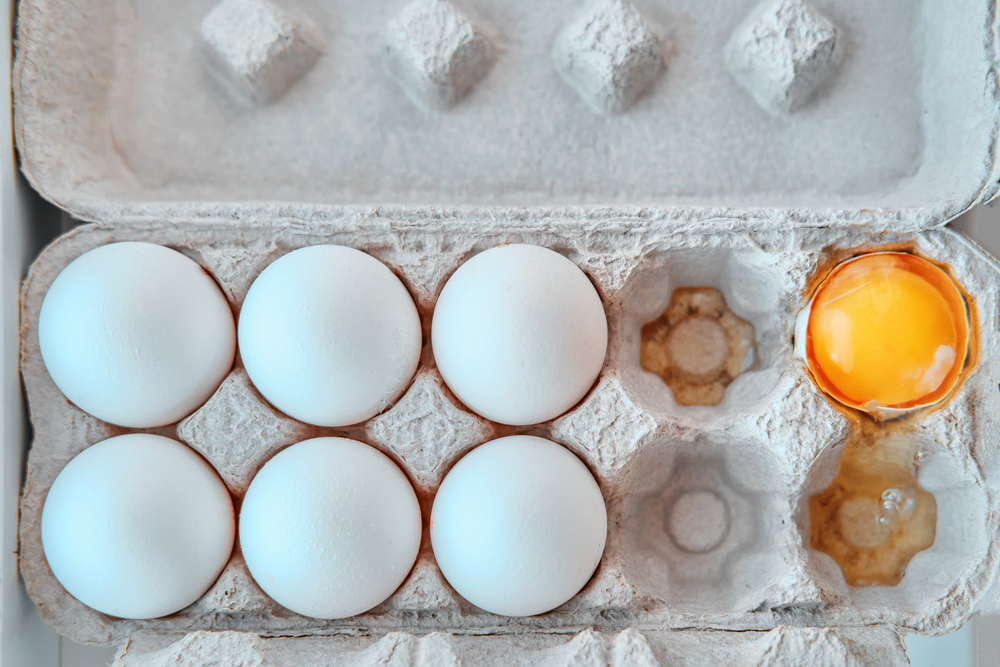
You know that moment when you grab a “new” box of cereal and the top is crushed, or you pick up a yogurt only to see the foil is dented and leaking? It’s easy to assume someone in the aisle mishandled it, but many grocery employees say the problem often starts before the product ever reaches the shelf. More shipments are showing up with torn cases, punctured packaging, broken seals, and bruised produce that has to be sorted out fast. That extra damage can shrink what’s available, slow down restocking, and sometimes push prices up when stores have to write off losses. Here’s what an increase in damaged goods can mean for shoppers—and how to protect your wallet and your kitchen from surprise disappointments.
What “Damaged” Actually Looks Like In Real Life
Damage isn’t always dramatic, like a shattered jar in a box. Sometimes damaged goods show up as dents, weakened seals, hairline cracks, or packaging that got wet and softened in transit. In produce, damage can mean bruising, split skins, and early spoilage that looks fine until you get home. In frozen items, damage might be crushed boxes or signs of thawing and refreezing, like ice crystals or warped packaging. Even pet food and diapers can arrive with torn outer bags or compromised closures. These small issues matter because they change freshness, safety, and how long your purchase lasts.
Why Damage Seems To Be Increasing
Several factors can stack at once: tighter delivery schedules, understaffed warehouses, and faster turn times that leave less room for careful handling. When pallets get built quickly or wrapped poorly, they shift in transit and crush what’s on the bottom. Damaged goods also rise when loads get reworked mid-route, like when a shipment gets split across stops or reloaded after a delay. Weather can play a role too, because humidity, heat, and temperature swings can weaken packaging and cause condensation. Even small changes—like thinner cardboard or lighter plastic—can make products less resilient on the road.
How Stores Handle It Before You Ever See It
Most grocery teams don’t want compromised items on shelves because they create refunds, complaints, and safety risks. Employees often inspect cases as they arrive and pull out damaged goods to credit back to the vendor or distributor. That takes time, and it can delay stocking because workers have to sort, document, and discard instead of filling shelves. In some categories, like bread or produce, a small amount of damage can wipe out a big portion of the display. When shoppers see gaps, it’s not always “sold out”—sometimes it’s “removed.”
The Shopper Impact: Availability, Waste, And Cost
Damage can hit your budget in a few sneaky ways. First, it reduces selection, which pushes you toward pricier substitutes or smaller sizes. Second, it raises the odds you bring home an item that fails early, which becomes wasted food and wasted money. Damaged goods also create hidden labor costs for stores, and while you won’t see a line item for that, operational losses can influence pricing over time. The end result is frustrating: fewer options and less confidence that what you buy will last until you use it.
How To Spot Damage Before You Buy
A quick habit shift can prevent most disappointments. Check seals and corners on boxes, especially for pasta, cereal, crackers, and snacks, because crushed edges often mean the inner bag got punctured. Look at jar lids for dents and confirm vacuum seals on items like pickles and sauces, since compromised seals can lead to spoilage. For cans, avoid deep dents on seams, and skip anything with bulging ends or leaking, even if it’s discounted. With refrigerated items, inspect tops and edges for tiny leaks and choose the coldest-looking product from the back when possible. For produce, flip containers and look for moisture pooling, mold spots, or crushed fruit hidden underneath.
What To Do If You Get It Home And It’s Bad
Even careful shoppers can miss a problem, especially with items that fail after a day or two. Take a photo right away, keep the receipt if you can, and contact the store while the issue is still fresh. Many stores will refund or replace without drama, but they usually need the product or clear proof. If it’s a food safety concern—like a broken seal, off smell, or signs of spoilage—don’t taste-test to “confirm.” Damaged goods aren’t your fault, and a quick report can help stores track patterns with a vendor. Being polite but specific gets the fastest resolution.
Budget-Smart Ways To Shop When Damage Is Common
If you’re seeing more crushed boxes or bruised produce, adjust your strategy without overspending. Buy fewer fragile items in bulk unless you can inspect them, because large packs are more likely to get crushed in transit and harder to return. Consider sturdier alternatives, like frozen produce when fresh looks rough. Shop earlier in the day for the best chance at intact stock, since damaged goods often get pulled as staff works shipments. If you rely on delivery, add clear substitution notes and ask for “no dented cans” when the platform allows it. Your goal is simple: reduce waste so every dollar turns into something you actually eat.
The Quiet Fix That Saves You The Most Money
You can’t control how vendors pack pallets, but you can control what you bring home. A 10-second inspection habit protects your budget better than chasing the perfect coupon, because wasted food is full-price loss. Damaged goods also remind us that “cheap” isn’t always a deal if it spoils early or needs a second trip to replace it. When you shop with a sharp eye, you keep your pantry reliable and your meal plan on track. That’s real savings, even when the supply chain gets messy.
Have you noticed more crushed, dented, or leaking items lately—what category seems worst at your stores?
What to Read Next…
Produce Managers Address Surge in Customer Complaints About Freshness
The Grocery Item That Cashiers Say Gets Returned the Most
Are “Manager’s Special” Items a Good Deal or a Trap?
Meat Departments Battle Supply Disruptions Affecting Popular Cuts
Winter Shelf Rotation Patterns That Influence Clearance Finds
The post Grocery Teams Note Increase in Damaged Goods Arriving From Vendors appeared first on Grocery Coupon Guide.