Aldi recently announced a value-brand packaging refresh, and nothing makes shoppers pause like seeing a familiar low-priced item suddenly look “new.” A big packaging redesign can feel exciting, but it also raises fair questions about whether the product changed, whether the price will creep up, and whether coupons will still work the same way. Value brands matter most when budgets feel tight, so even small shifts on the shelf can impact how families shop week to week. The good news is that you can treat a new look like a quick audit instead of a surprise. Here’s how to read the changes, protect your grocery plan, and still grab the best deals.
Why Value Brands Get a Makeover
Stores refresh value lines to look more modern, easier to shop, and more consistent across categories. Clearer labels can help shoppers spot flavors, sizes, and dietary info faster while they’re comparing prices. Retailers also use new packaging to separate “basic” value items from premium store-brand tiers. Sometimes the update supports better shelf organization, which makes restocking and shopping quicker. The change can be helpful, but it can also hide smaller package sizes or quieter price moves.
How a Packaging Redesign Signals Value
A new look often aims to build trust by making value items feel intentional rather than “generic.” You may see cleaner fonts, bigger product photos, and simpler color systems that make the brand easier to recognize. Retailers also tend to highlight quick benefit claims like “family size,” “no artificial flavors,” or “made with real ingredients.” That messaging can be useful, but it can also steer shoppers toward paying more for features they don’t actually need. The best signal of value is still the unit price, not the design.
What Changes Shoppers Will Notice First
Most shoppers notice shelf presence first, because bold colors and clearer categories jump out from a distance. You might also see a new brand name structure, like sub-lines for snacks, frozen foods, or pantry basics. A packaging redesign can change where items sit on the shelf, which makes it easy to miss your usual pick during a fast trip. Pay attention to package shapes, because a slimmer box can look “sleek” while holding less product. If your cart total rises, the cause may be a small size shift you didn’t catch.
How to Tell If It’s the Same Product Inside
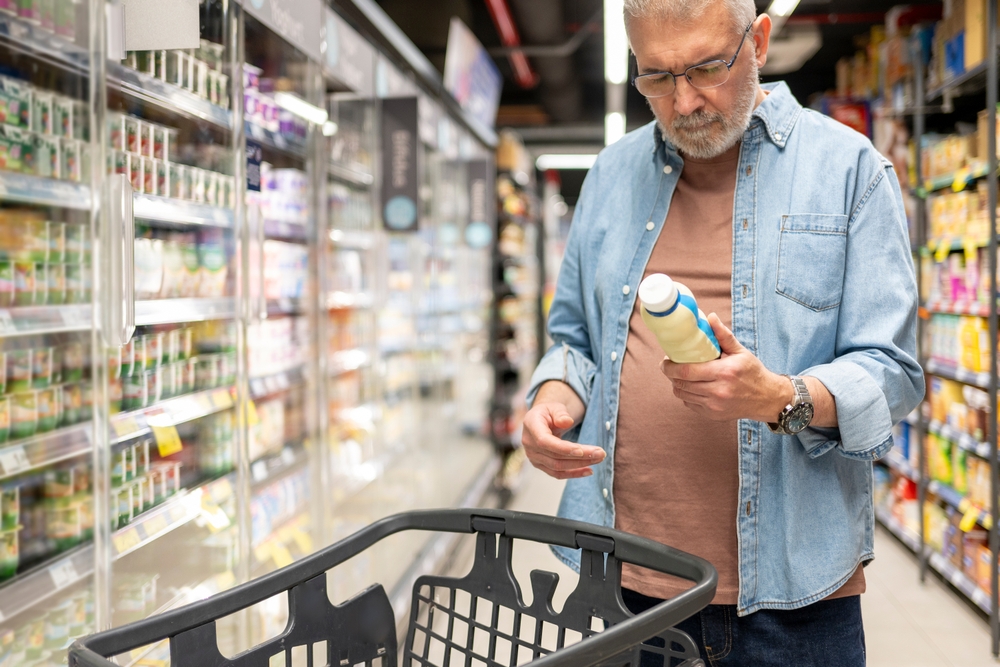
Start by checking the net weight or fluid ounces, then compare it to the old version if you remember the size. Next, scan the ingredient list, focusing on the first three ingredients, because that’s where meaningful changes often show up. If the nutrition panel looks different, verify the serving size, since a new serving size can make the numbers look “better” without changing the food much. A packaging redesign can also come with a new manufacturer or supplier, so taste and texture might shift slightly in some categories. If you’re unsure, buy one as a test instead of stocking up immediately.
Where Coupons and Store Deals Fit After a Redesign
Store brands usually rely on loyalty pricing, digital store coupons, and weekly ad specials more than manufacturer coupons. When labels change, item listings in apps can temporarily look confusing, so double-check that the size and flavor match the offer. A packaging redesign can also trigger new barcodes, which may cause a deal to misapply at checkout for a short time. Protect yourself by watching the screen as items ring up and by saving your receipt when you try the “new look” for the first time. If a discount doesn’t apply, ask right away, because fixes are easier in the moment than later.
How to Avoid Paying More for the “New Look”
Treat every updated package like a fresh comparison, even if it feels like the same product you always buy. Check the unit price on the shelf tag, because that’s the fastest way to spot shrinkflation or a price bump. Set a personal threshold, like “I only switch if the unit price is within 5% of my usual,” so you don’t drift into pricier habits. A packaging redesign can also tempt impulse buys if the item looks “new and improved,” so stick to your list before browsing. If you want to try something new, swap it for another treat item instead of adding it on top.
What This Means for Meal Planning and Pantry Staples
Pantry planning gets easier when you know which value items your household will actually eat, even if the label changes. Keep a short list of staple categories where you’ll default to store brands, like rice, pasta, canned tomatoes, frozen vegetables, or oats. When a packaging redesign hits those staples, use one trip to re-confirm size, price, and quality, then lock your routine back in. If your family is picky, prioritize stability in “high-drama” categories like cereal, yogurt, and sauces where changes can trigger complaints. The goal is steady meals at steady prices, not constant experimenting.
A Fresh Package Should Still Earn Its Spot
A new label can be a helpful refresh, but it should never replace your usual deal-checking habits. The simplest strategy is consistent: unit price first, size second, ingredients third, and then taste. When you shop that way, design changes become information, not confusion. Value brands work best when you trust your own process more than the marketing on the front of the box. If you stay intentional, your grocery budget stays the boss.
When a store brand changes its packaging, do you treat it like the same product—or do you re-test it before buying it again?
What to Read Next…
10 Tiny Packaging Changes That Add Up to Big Bills in the Cart
8 Grocery Items That Quietly Changed Packaging to Hide Shrinkflation
6 Packaging Tricks That Make Shoppers Pay More for Less
10 Packaging Tricks That Push You to Buy Expensive Brands
6 Times Big Brands Were Sued for Copying Store-Brand Packaging
The post Grocery Retailer Announces Major Packaging Redesign for Value Brands appeared first on Grocery Coupon Guide.