Sustainability is the buzzword of 2026, but for the grocery shopper, it often translates to a higher bill at the checkout line. Major retailers are racing to meet ambitious environmental goals, investing millions in “green” initiatives that range from electric delivery fleets to zero-waste packaging. While these programs are good for the planet, the costs are inevitably filtering down to the shelf price, creating a phenomenon known as “greenflation.” Understanding these changes helps shoppers identify where they are paying a premium for sustainability.
The Cost of Sustainable Packaging
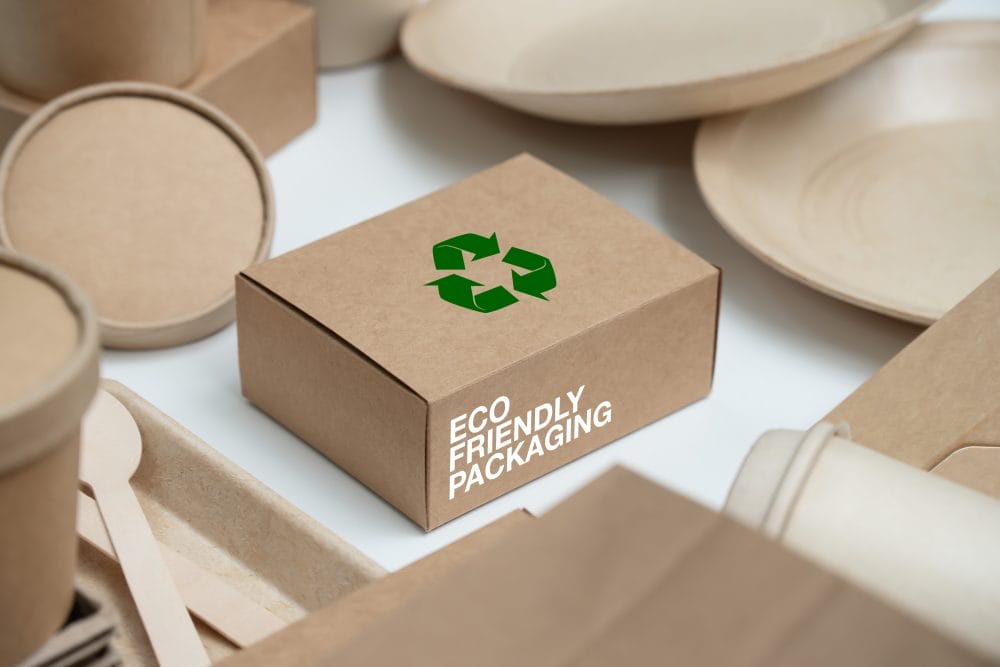
One of the most visible changes is in the produce and meat aisles. Retailers are replacing cheap plastic foam trays and bags with compostable, plant-based, or recycled materials. These eco-friendly alternatives are significantly more expensive to produce than virgin plastic. Consequently, the price of ground beef or a container of strawberries may tick upward to absorb the cost of the new tray. Shoppers are often paying for the package as much as the product.
The “Upcycled” Premium
A major trend for 2026 is the rise of “upcycled” food products—items made from ingredients that would have otherwise been wasted, like “ugly” fruit snacks or bread made from spent brewery grains. While this reduces food waste, these products are often marketed as premium, boutique items rather than budget-friendly solutions. A bag of crackers made from rescued vegetable pulp often costs twice as much as a standard box of saltines, despite using “waste” ingredients.
Energy-Efficient Logistics
Retailers are upgrading their refrigeration systems and delivery trucks to reduce carbon emissions. While these investments lower energy bills in the long run, the upfront capital expenditure is massive. To maintain margins during this transition, stores may reduce the frequency of deep-discount promotions or slightly raise the base price of energy-intensive frozen and refrigerated goods.
The Reusable Bag Shift
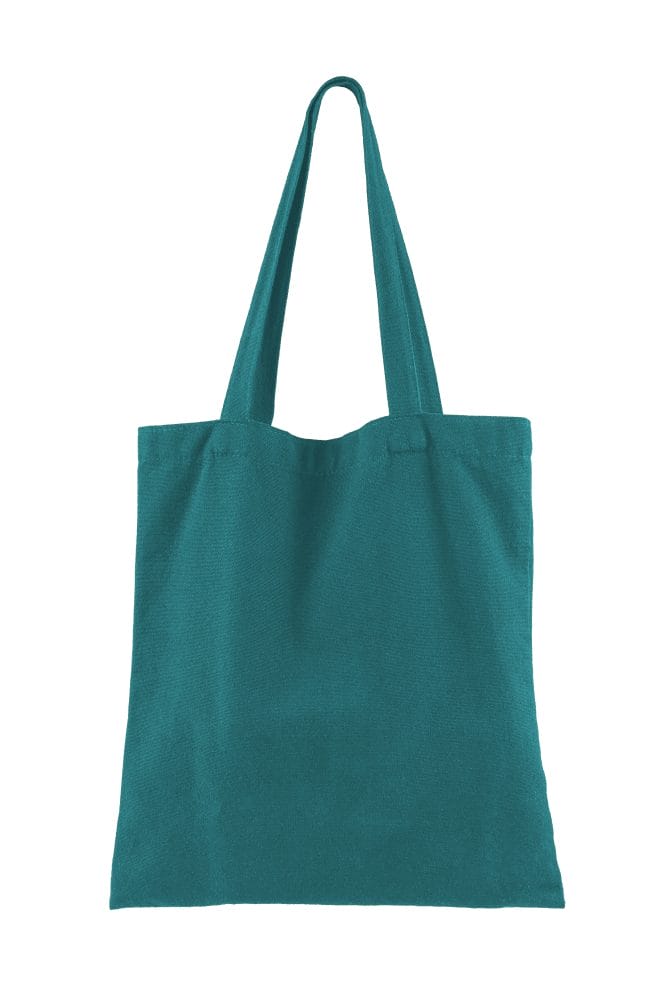
Many states and chains have banned single-use plastic bags entirely, forcing shoppers to buy heavier, reusable plastic or cloth bags at the register. While a few cents per bag seems trivial, for a family buying a cartload of groceries weekly, this adds a recurring “sustainability tax” to every trip if they forget to bring their own bags. Some stores are even removing paper bags, leaving prepared shoppers with no free option to carry their goods home.
Finding the Balance
Shoppers who want to support sustainability without breaking the bank should look for “bulk” sections where they can fill their own containers, bypassing the packaging premium entirely. Additionally, focusing on whole, unprocessed produce—which requires the least amount of industrial packaging—remains the most eco-friendly and budget-conscious way to shop.
Do you willingly pay more for sustainable packaging? Or do you feel the retailer should absorb these costs? Share your thoughts!
What to Read Next
Why Consumers Are Losing Trust in “Sustainably Sourced” Labels
Forget About Eating These 5 Meats: Try These Vegetarian Options Instead
Why Powdered Milk Is Suddenly Making a Comeback in 2025
9 Sneaky Ways Supermarkets Use Colors to Influence What You Buy
The post Grocery Chains Investing in Sustainability Programs That Affect Prices appeared first on Grocery Coupon Guide.