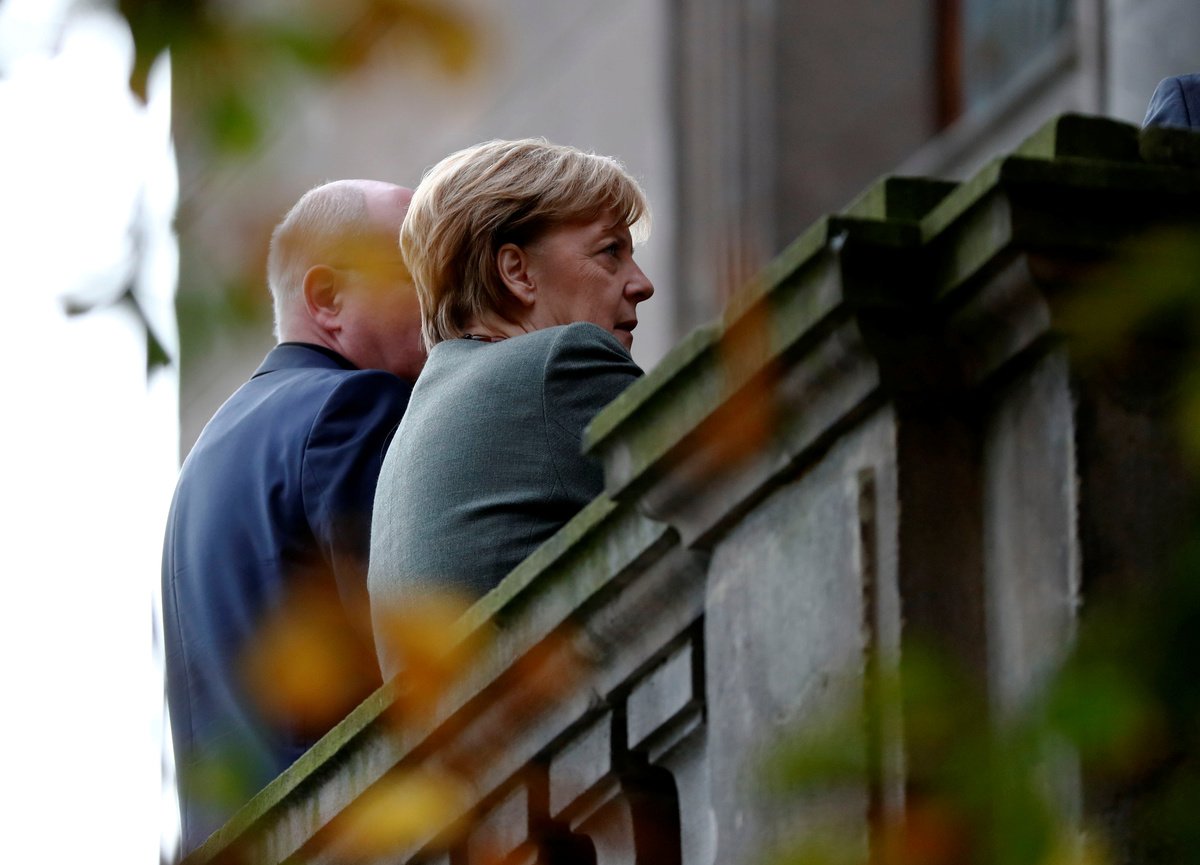
BERLIN (Reuters) - Disputes about climate and immigration policy dominated German media ahead of resumed talks among Chancellor Angela Merkel's conservatives, the pro-business Free Democrats (FDP) and the environmental Greens about forming a coalition government.
Officials from all three political groups traded barbs and insults in a series of media interviews, dimming hopes that next week's talks could result in progress for a so-called Jamaica coalition - a name chosen because the parties' black, yellow and green colors mirror those of the Jamaican flag.
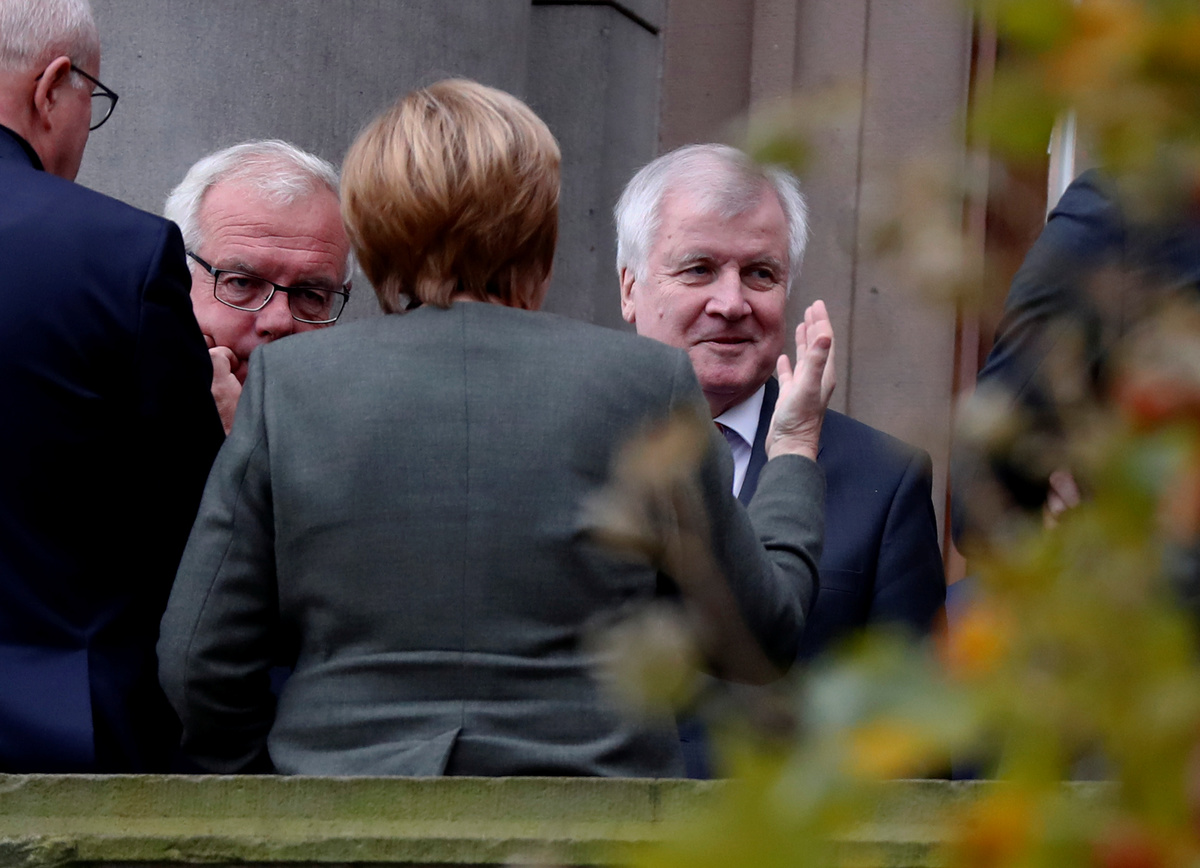
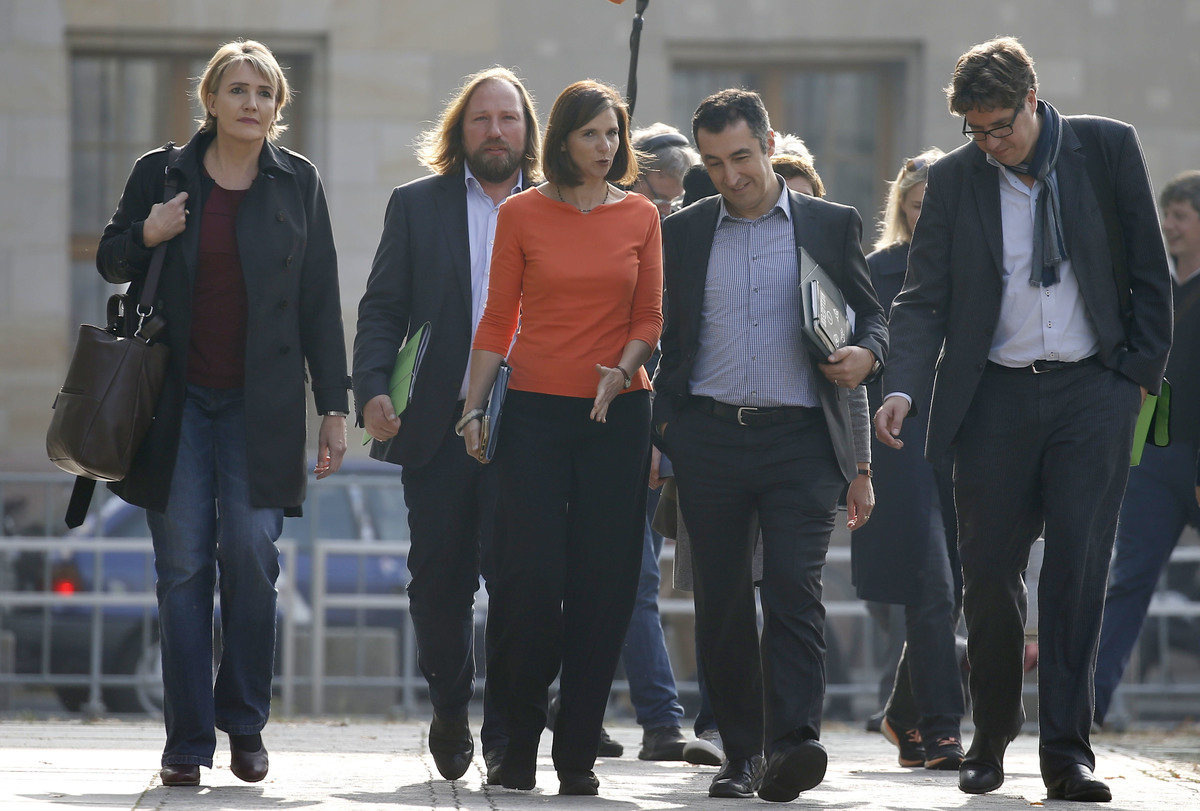
Simone Peter, co-leader of the Greens, told Reuters the FDP must agree to honor existing carbon dioxide reduction promises before her party would continue coalition talks. She said her party viewed conservative's insistence on a migrant cap as a "no go".
FDP Leader Christian Lindner shot back in an interview with the Bild am Sonntag newspaper: "If the Greens don't budge in future talks, Jamaica will remain a castle in the air."
Merkel, whose conservative alliance suffered its worst result in September elections since 1949, is trying to forge a tricky three-way coalition that is untested at a national level.
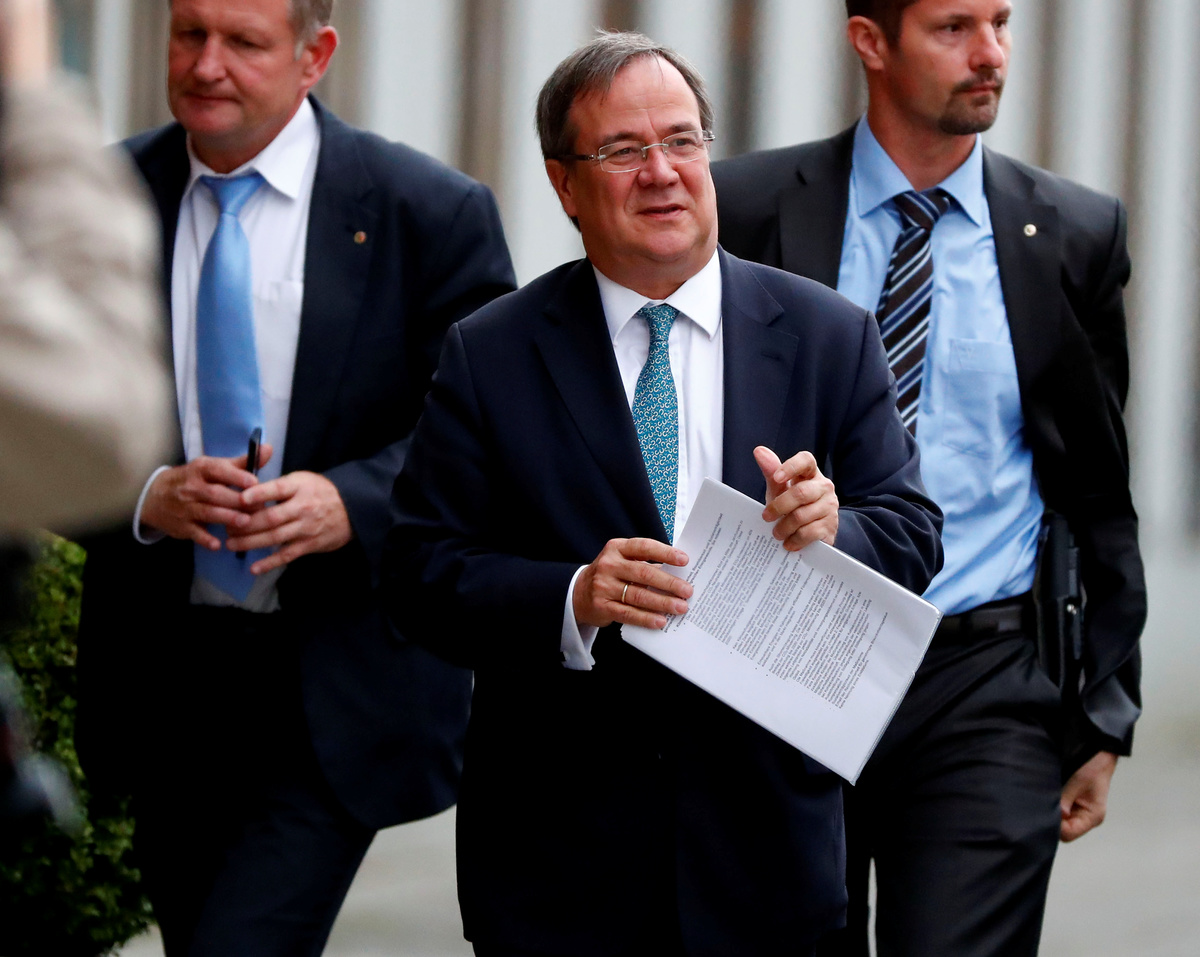
The exploratory talks are to continue Monday after the three sides failed to reach agreement on immigration and climate issues during an 11-hour session on Thursday.
A new poll for Bild am Sonntag newspaper showed support for conservatives down one percentage point to 31 percent - its lowest level this year - while support for the Greens and FDP was unchanged at 10 percent and 11 percent.
Peter told Reuters it was nonsense to continue talks unless the FDP committed to a 2007 pledge to reduce carbon dioxide emissions by 40 percent from 1990 levels by 2020.
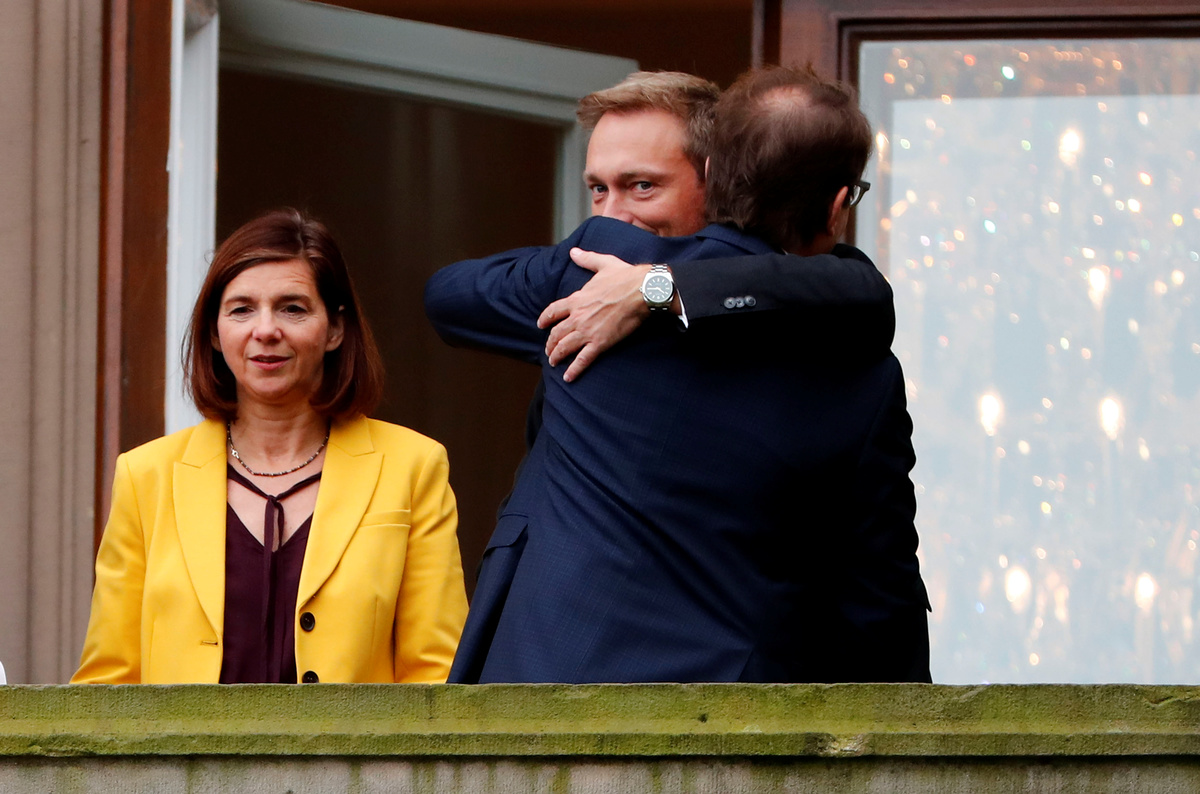
"Before exploratory talks continue, the FDP must accept unconditionally the climate protection goals," Peter told Reuters in an interview. "Otherwise the talks make no sense."
Deputy FDP leader Wolfgang Kubicki told the RND newspaper chain on Friday that no agreement was possible if the Greens insisted on sticking to that target.
Lindner blasted the Greens' "maximum demands" for ending coal production and giving refugees unlimited rights to bring their families to Germany. He told the Bild am Sonntag such actions would only boost support for the far-right Alternative for Germany (AfD) party, which parlayed public frustration to win 12.6 percent of the vote in September.
Alexander Dobrindt, a top negotiator for the Bavarian sister party of Merkel's conservatives, told the paper that building a coalition would be "more than difficult" unless the Greens modified their position rejecting limits on migration.
Many conservatives want to take a harder line on immigration, blaming the election setback on Merkel's decision to allow in more than a million migrants in 2015 and 2016.
They insist that an agreement by Merkel's CDU and the CSU on guidelines that would limit annual refugee numbers must form the basis of any coalition accord. The Greens reject such a cap.
The right to asylum is guaranteed under Germany's constitution.
(Writing by Andrea Shalal; editing by John Stonestreet)