Greenpeace charts a course to measure melting Arctic glaciers
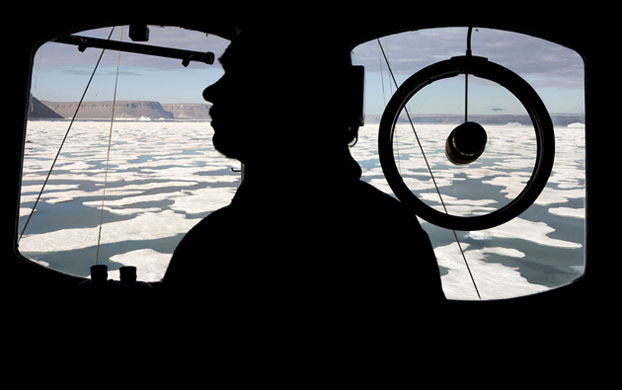
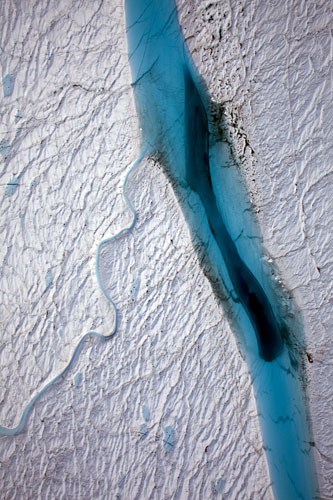
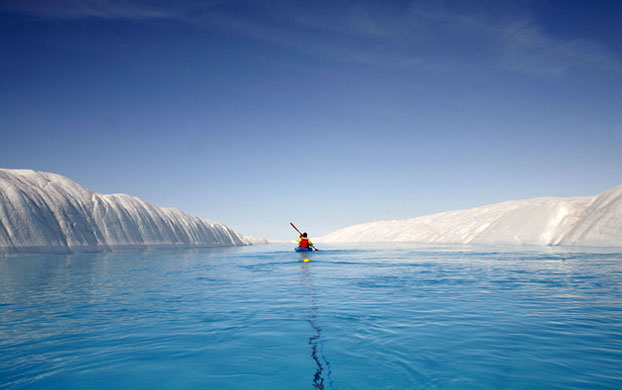
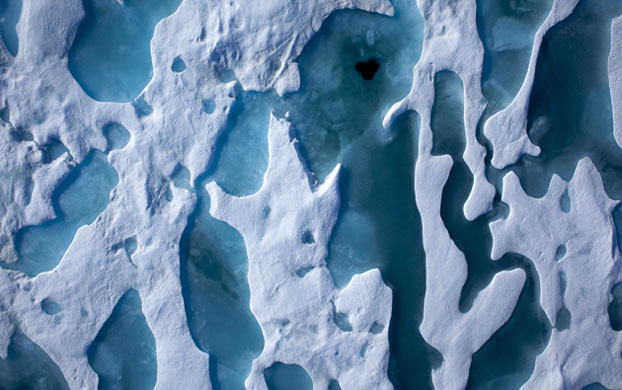
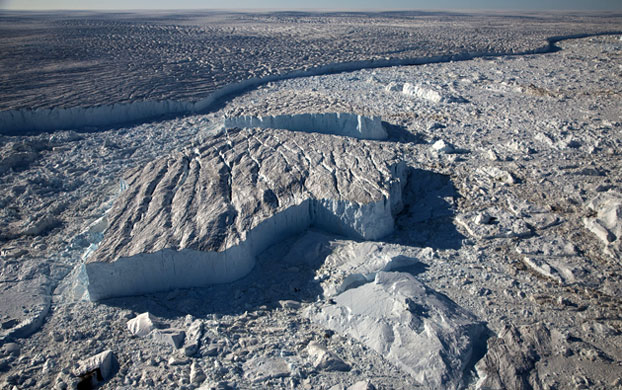
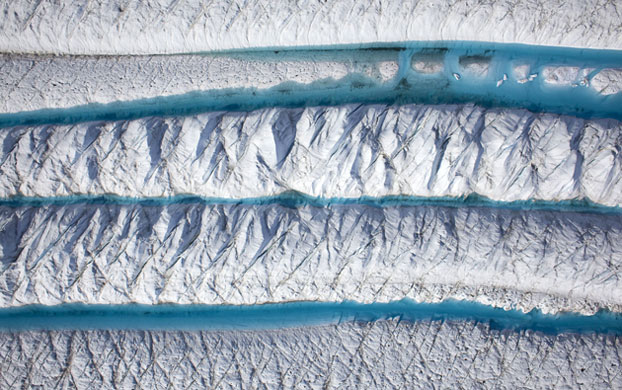
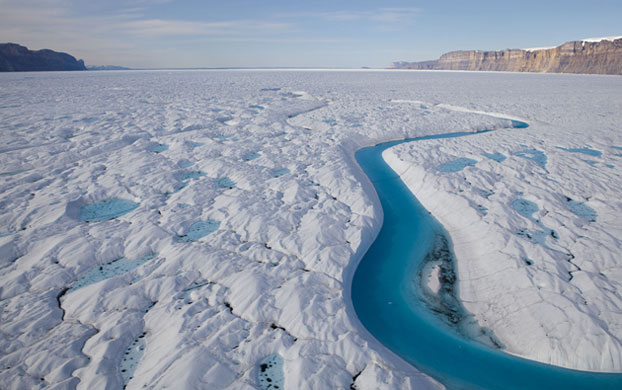
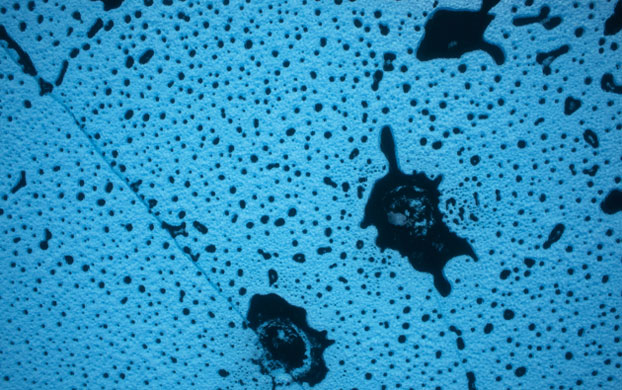
The Greenpeace ice-breaking ship Arctic Sunrise, led by Australian polar explorer Eric Philips, is on a three-month voyage to document the impact of climate change on the Arctic ahead of the the Copenhagen climate summit in December. Philips is joined by ice-sheet climatologist Jason Box, glaciologist Alun Hubbard and geophysicist Richard BatesPhotograph: Nick Cobbing/GreenpeaceArctic sea ice is suffering a rapid decline in thickness, age and extent. Scientists are predicting that by 2030, the Arctic will be entirely ice-free in the summer. The team of scientists and Greenpeace have come to Greenland to study Petermann Glacier, one of the biggest glaciers in the region that is in the process of breaking upPhotograph: Nick Cobbing/GreenpeaceThousands of lakes form on top of Greenland's glaciers every summer due to the increased sunlight and warmer airPhotograph: Nick Cobbing/Greenpeace
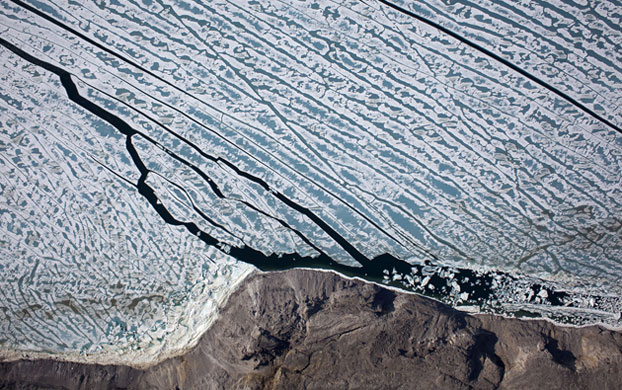
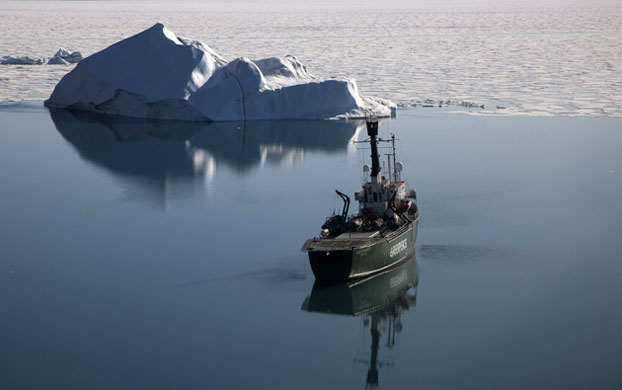
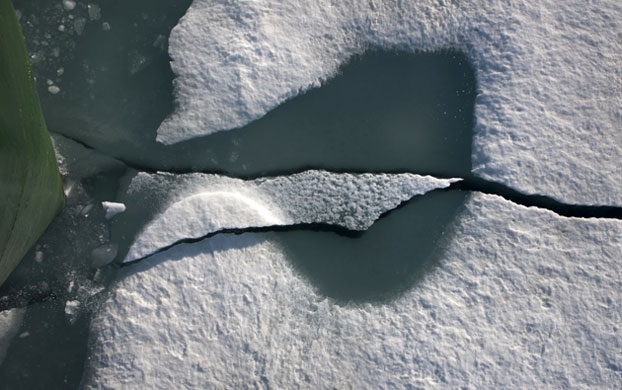
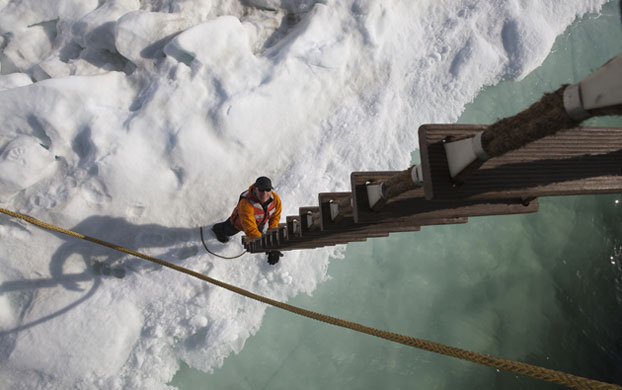
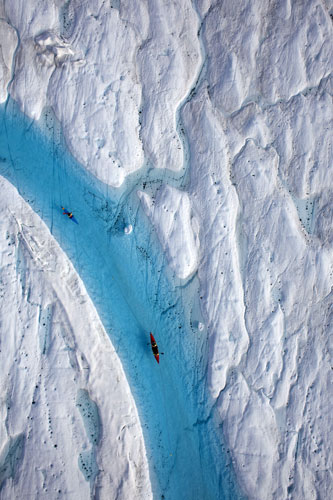
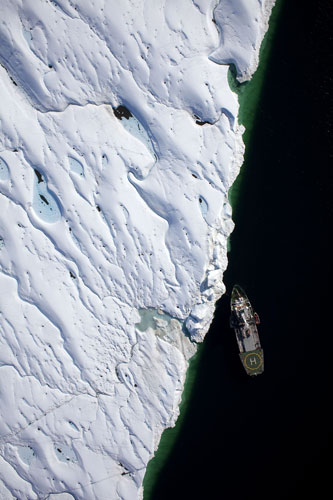
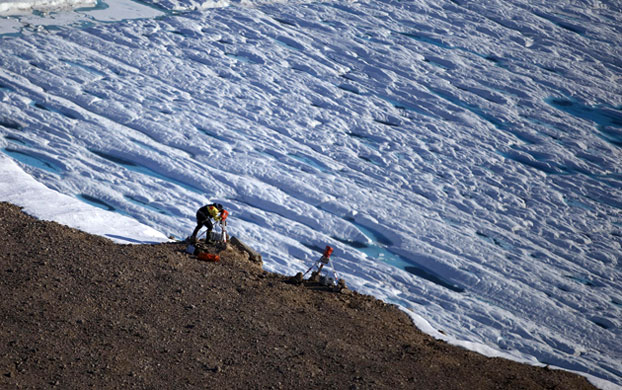
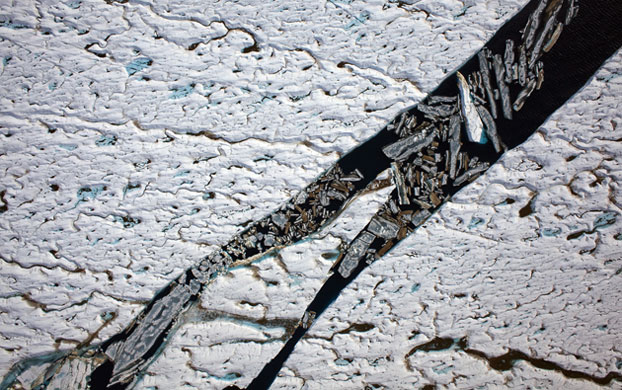
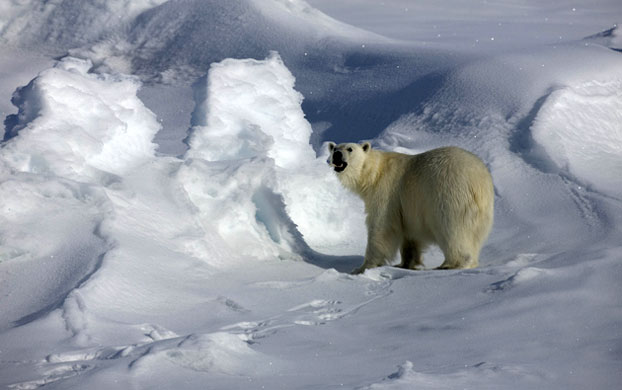
The Arctic Sunrise anchored at its new base - a close encounter with a collapsing ice bridge meant the team had to relocate or face being frozen inPhotograph: Nick Cobbing/GreenpeaceThe ship was forced to leave its temporary base at Hall Basin opposite the Petermann glacier because of drifting sea ice. The ship steamed south through Kennedy channel in the Nares Straits, and is currently anchored in shelter just under Talilenguak cliffs. To access the shallow water needed to drop anchor, the ship cut through a small ice floe of first-year sea ice, approximately half a metre thickPhotograph: Nick Cobbing/GreenpeacePhilips volunteers to rig mooring lines around a solid bollard of ice on the front of the Petermann Glacier. The mooring line will allow the Greenpeace ship to stay fast to the ice and operate as a base for continuing researchPhotograph: Nick Cobbing/GreenpeaceThe three scientists fit a radar transmitter, receiver and antennas to a chain of kayaks in order to survey a section of the Petermann Glacier in Greenland Photograph: Nick Cobbing/GreenpeaceThe ice penetrating radar will obtain valuable data on the processes operating over floating ice shelvesPhotograph: Nick Cobbing/GreenpeaceThis image of the Arctic Sunrise at the Petermann glacier was captured by a remote controlled camera attached to a small helicopter. The camera is connected to a portable GPS and all of the ship's positions are being logged Photograph: Nick Cobbing/GreenpeaceGlaciologist Dr Jason Box adjusts his remote time-lapse cameras which are trained across Petermann Glacier, one of Greenland's largest and most northerly glaciers. The images from the two cameras will be placed together to make a panoramic image. At 980m high (3,000 feet), the cliffs provide an ideal vantage point to monitor the glacier. The installation of the time lapse cameras is a joint initiative between Greenpeace and Extreme Ice Survey (EIS). It is hoped that the remote cameras will give a clear picture of the process by which the glacier breaks and how parts of it drift out to seaPhotograph: Nick Cobbing/GreenpeaceImages of the glacier's surface are captured by the 'heli-cam' Photograph: Nick Cobbing/GreenpeaceHumboldt Glacier, which calves bergs into the Kane Basin in northern Greenland, is the widest glacier in the northern hemisphere, and measures 110km across its face. The two glaciers that are both being studied by Greenpeace - Humboldt and Petermann - drain most of the ice from the north-western part of the Greenland ice sheet. Between them, the two glaciers are responsible for 10% of the total ice drained from the Greenland ice sheetPhotograph: Nick Cobbing/GreenpeaceChannels of water on the surface of the Petermann Glacier, captured by the heli-camPhotograph: Nick Cobbing/GreenpeaceGreenland is the world's largest island and second largest icecapPhotograph: Nick Cobbing/GreenpeaceA polar bear walking along the edge of the 'ice bridge' in the Robeson channel, near the border between Greenland and Canada. This is the southernmost extent of the summer sea ice which usually extends much further south into the Nares Strait. Greenpeace says it has receded dramatically in recent yearsPhotograph: Nick Cobbing/GreenpeaceA ravine of melt water that runs through the centre of the frontal part of the Petermann Glacier in north Greenland. Melt water from the upper part of the glacier flows down the incline of the glacier towards the sea, creating channels between three and 10m deep. The water exploits cracks and fissures in the ice, using these to flow downwards, deeper into the glacier's structure probably merging with underlying seawater. These can have the appearance of whirlpoolsPhotograph: Nick Cobbing/GreenpeaceSurface water lies on top of the glacier. The ship will be in Greenland for the next two months, during which time the Greenpeace-supported initiative will all but circumnavigate the islandPhotograph: Nick Cobbing/Greenpeace
Sign up to read this article
Read news from 100’s of titles, curated specifically for you.