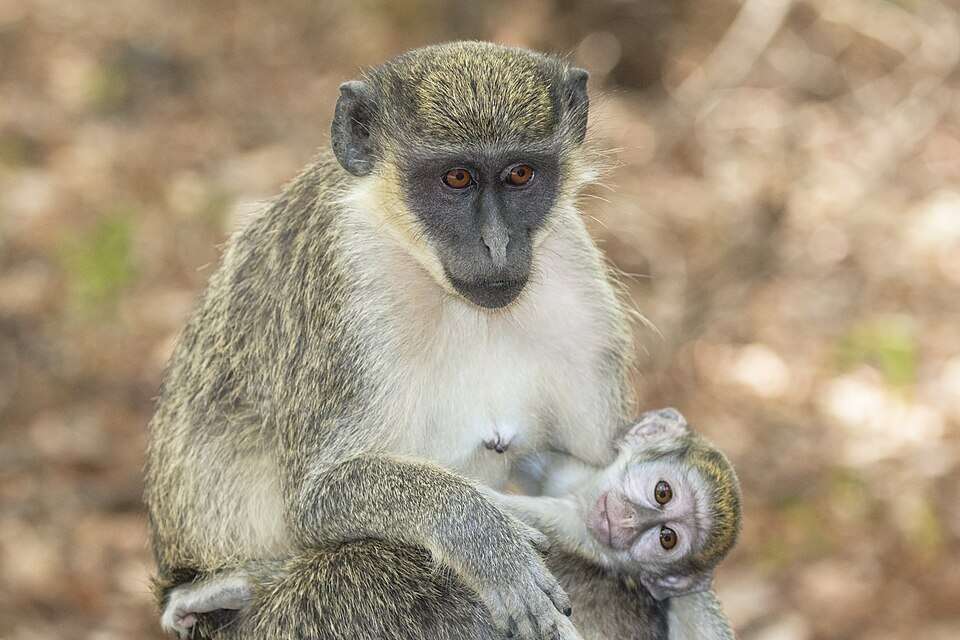
The green monkey (Chlorocebus sabaeus), which is indigenous to West Africa, is not naturally found in the Caribbean islands. Historical accounts show that the animal species may have been carried across the Atlantic by Europeans during the slave trade era in the 17th century either as pets, trade animals or curiosities. Some managed to escape from captivity while others were set free on such islands as Barbados, St. Kitts and Nevis, and became established in the wild.
Get breaking news anytime, anywhere. Download the TOI app now!
Over 300 years since their introduction, these introduced species continue to be one of the most distinctive features of several Caribbean islands. Even though the monkeys have been integrated into the cultural fabric of the Caribbean, they are also viewed as pests to agriculture. Their raiding of fruit, vegetable, and sugarcane plantations causes a great deal of monetary damage annually.
How green monkeys crossed the Atlantic
Unlike native Caribbean wildlife, green monkeys originated in the savannas and woodlands of West Africa. According to historical research by anthropologist Woodrow W. Denham, the animals most likely reached the Caribbean during the 1600s aboard ships involved in the Atlantic slave trade.
The exact circumstances remain uncertain, but historical documents indicate that monkeys were commonly transported on European vessels as exotic pets or trade items. French missionary Jean-Baptiste Labat described monkeys being carried alongside enslaved people and other goods from West Africa to Caribbean colonies. Once on the islands, some escaped captivity and formed breeding populations in the wild.
Denham's review of historical shipping records suggests the monkeys may have arrived from several regions along the West African coast rather than from a single location. The study also argues that introductions probably occurred repeatedly over many decades, giving the animals numerous opportunities to establish themselves successfully.
With few natural predators and abundant food available in cultivated landscapes, the monkeys adapted remarkably well to their new environment. Over successive generations, they spread across Barbados, St. Kitts and Nevis, becoming one of the Caribbean's most successful introduced mammals.
From escaped pets to agricultural pests
As human populations expanded and agriculture intensified, interactions between farmers and monkeys became increasingly common.
Green monkeys are highly intelligent, social primates capable of exploiting cultivated crops with remarkable efficiency. They feed on sugarcane, bananas, mangoes, papayas, sweet potatoes, maize and many other fruits and vegetables. Rather than consuming an entire crop, they frequently sample multiple fruits before moving on, increasing the overall level of damage.
Historical accounts show that crop raiding is not a recent problem. Research published in Nature described farmers on St. Kitts employing dedicated "monkey-watchmen" to protect sugarcane and sweet potato fields from repeated raids by large groups of monkeys, demonstrating that agricultural conflict has persisted for well over a century.
Today, governments and experts agree that monkey-related losses of crops can total several million dollars per year in parts of the eastern Caribbean region. In addition to attacking commercial farms, monkeys also invade gardens and orchards to look for food.
Managing a centuries-old invasive population
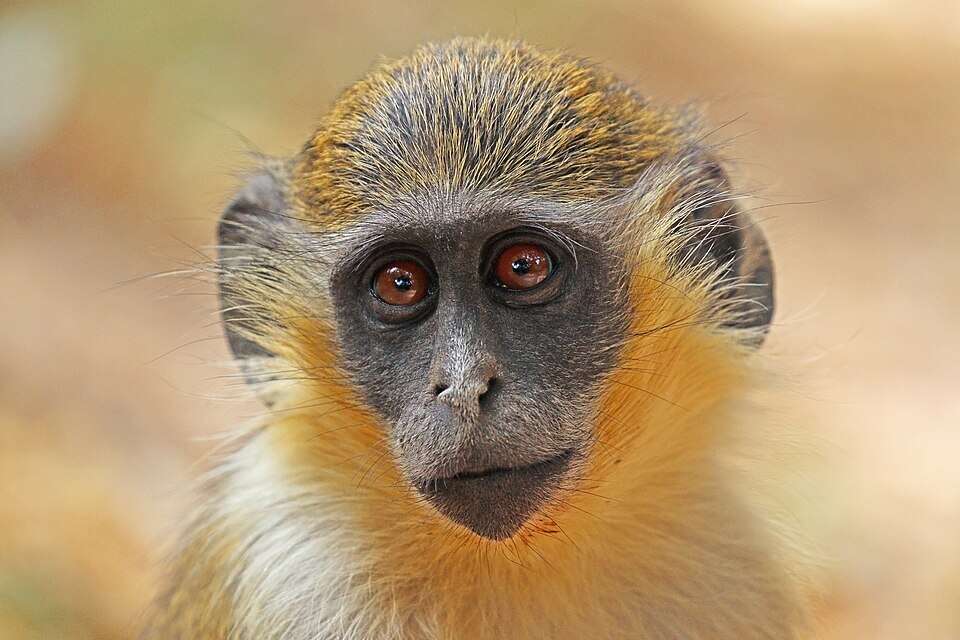
Unlike new invasive species which may be eliminated promptly, the green monkeys have existed in the Caribbean islands for over three hundred years. It is impossible to eliminate them from the region completely owing to their long existence and widespread presence. Researchers are developing ways to minimise the animals' impact on agriculture while considering animal welfare and local attitudes. They have also recently tested approaches such as sterilisation, culling, habitat modification and crop protection. In practice, integrating ecological and local knowledge is more effective than relying on a single management approach.
According to the History of green monkeys in the West Indies , scientists view Caribbean green monkeys as an important natural experiment in evolution. Having remained isolated from African populations for hundreds of years, the animals have become valuable for studying adaptation, behaviour and population genetics. Their history offers insights into how introduced species establish themselves, adapt to unfamiliar environments and interact with human societies over long periods.
Although the monkeys were introduced as an unintended consequence of colonial trade, their descendants still affect the environment, farming and scientific research in the region today. This case study shows how even the migration of just a few organisms across continents may cause lasting environmental and economic impacts.,