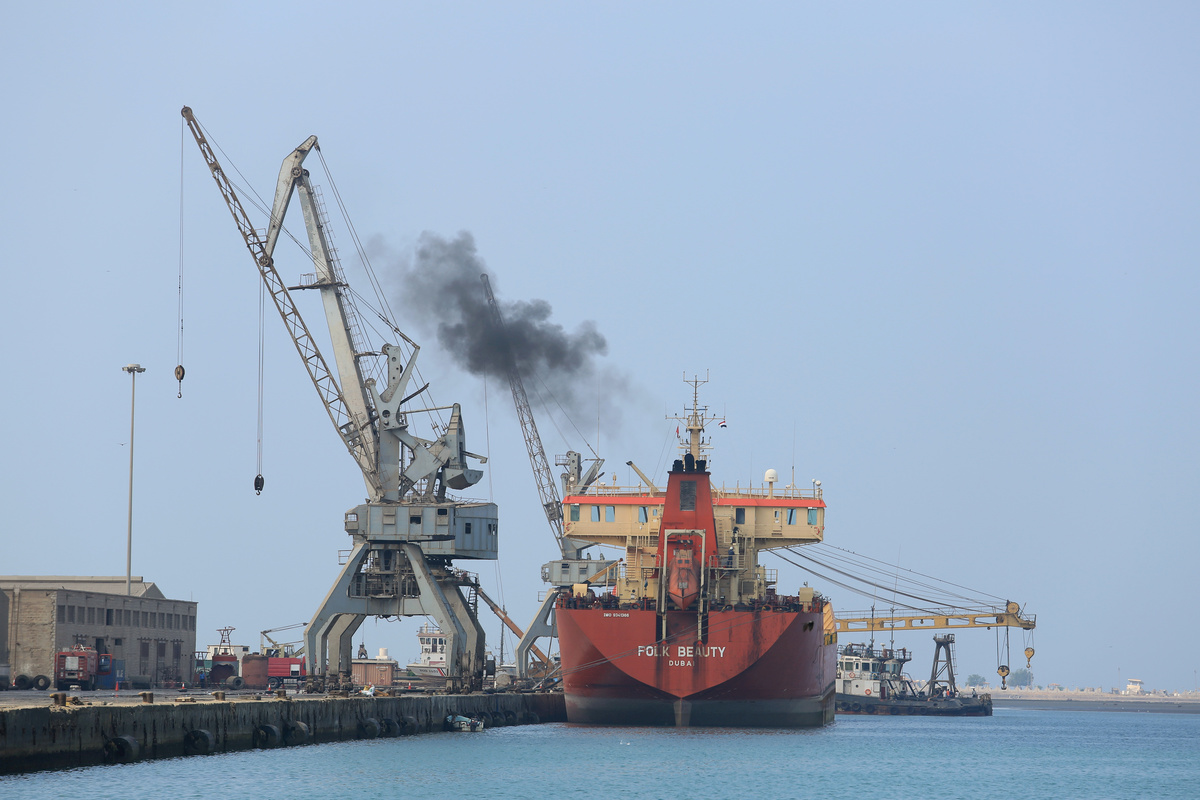
Green groups on Monday called for a ban on the use of new low sulphur fuel in the Arctic region, citing research showing that blends of the marine fuel contributed to highly polluting black carbon emissions in the environment.
Since the start of this year, United Nations shipping agency the International Maritime Organization (IMO) has banned ships from using fuels with a sulphur content above 0.5%, compared with 3.5% previously, in the biggest shake up for the oil and shipping industries in decades.
The regulations, known as IMO 2020, are aimed at improving human health by reducing air pollution.
Only ships fitted with sulphur-cleaning devices known as scrubbers will be allowed to continue burning high-sulphur fuel. Ship owners can also opt for cleaner fuels such as liquefied natural gas (LNG).
Germany and Finland submitted a paper on the Artic to the IMO last year showing that new blends of marine fuels with 0.5% sulphur content can contain a large percentage of aromatic compounds, which have a direct impact on black carbon emissions.
It is the first time that a link between blends of low sulphur fuel and black carbon -- the product of incomplete combustion of carbon-based fuels and a contributor to climate change -- has been raised in the context of the IMO.
Sian Prior, lead advisor with the Clean Arctic Alliance, a coalition of non-governmental organisations working for a ban on heavy fuel oil from Arctic shipping, said if the IMO did not take immediate action on the use of very low sulphur fuel oil it "would lead to a massive increase in black carbon emissions, and this will both accelerate the melting of Arctic sea ice and have a major impact on earth’s climate".
The Alliance called for an immediate switch to distillate fuels for ships in the Arctic and sought clarification on how low sulphur fuel blends were developed for IMO 2020.
An IMO spokesperson said the next session of its sub-committee on pollution prevention and response in February would discuss the submissions, including the impact on the Arctic of black carbon emissions.
The IMO has been looking at how to measure and report on black carbon emissions.
(Reporting by Jonathan Saul; Editing by Kirsten Donovan)