ANTWERP, Belgium (Reuters) - European brewers expect they will need to tell more demanding drinkers as much about the environmental impact of a beer as its taste in the next decade as Europe enforces pollution laws.
The European Union has brought in waste management laws and banned single-use plastics in the last 12 months, as well as setting limits on carbon emissions from trucks, while Green parties gained in last month's European Parliament election.
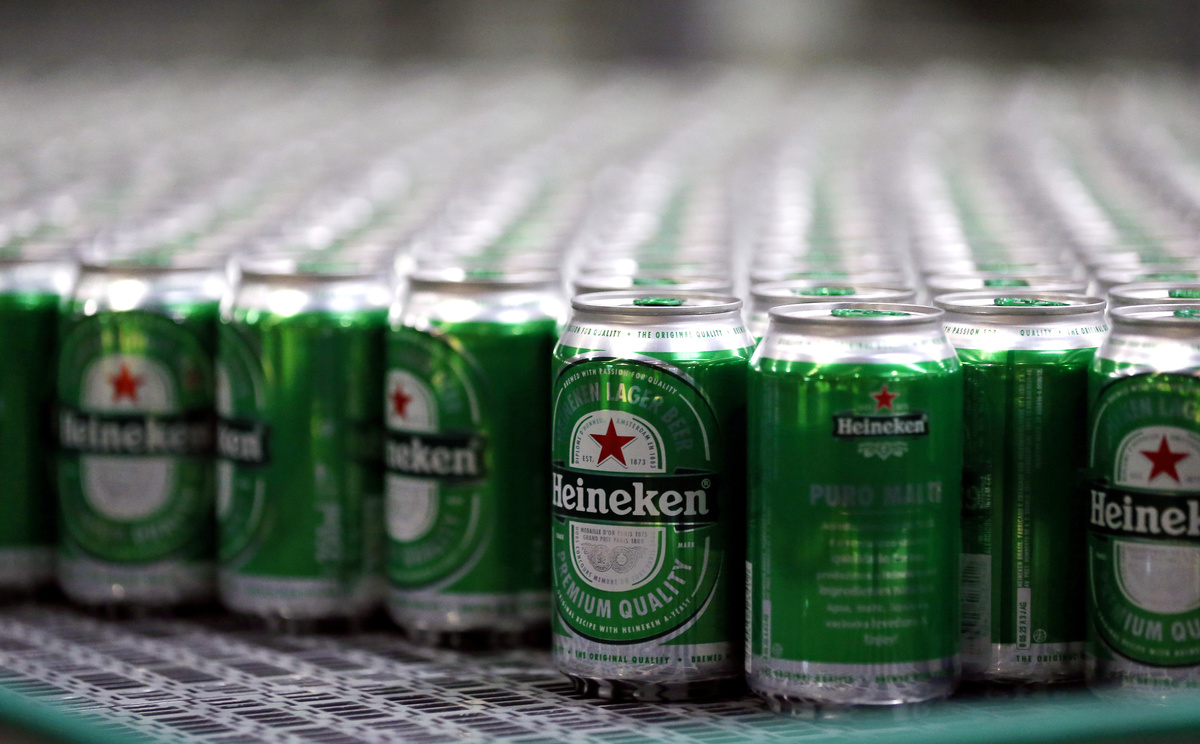
"The changing political landscape is forcing us to think there will be a stronger push for topics like climate change," said Heineken Chief Executive Jean-Francois van Boxmeer told the Brewers of Europe Forum in Antwerp on Monday.
Brewers at the gathering of some 1,000 beer specialists in the Belgian city said they would need to innovate to meet these new demands and the targets they have set for themselves.
"The biggest thing for us now as a new challenge is how do we make it sustainable," Carlsberg Chief Executive Cees 't Hart said. The Danish brewer has set itself green objectives which include cutting carbon emissions from its breweries to zero and water usage by half by 2030, with intermediate targets for 2022.
"We know how to reduce further. What we don't know is how we go from 2022 to 2030," Carlsberg's 't Hart said.
PACKAGING PUZZLE
Meanwhile Van Boxmeer, whose Dutch company introduced new targets for water use in March, said brewers still had work to do on packaging, whose CO2 footprint is 36 percent of the group's total, double that of the brewing process.
"We have to deliver a lot more on the 36 percent ... That is perhaps one of the most technically challenging things we have to do," Van Boxmeer said.
Japan's Asahi Breweries, a relative newcomer to Europe, said innovation had to go beyond turning out new brand variants.
"Beyond the liquid, we're going to see innovation in the areas of pouring technology and packaging. There will be very important changes coming from that direction," Asahi's Paolo Lanzarotti, head of its central European operations, said.
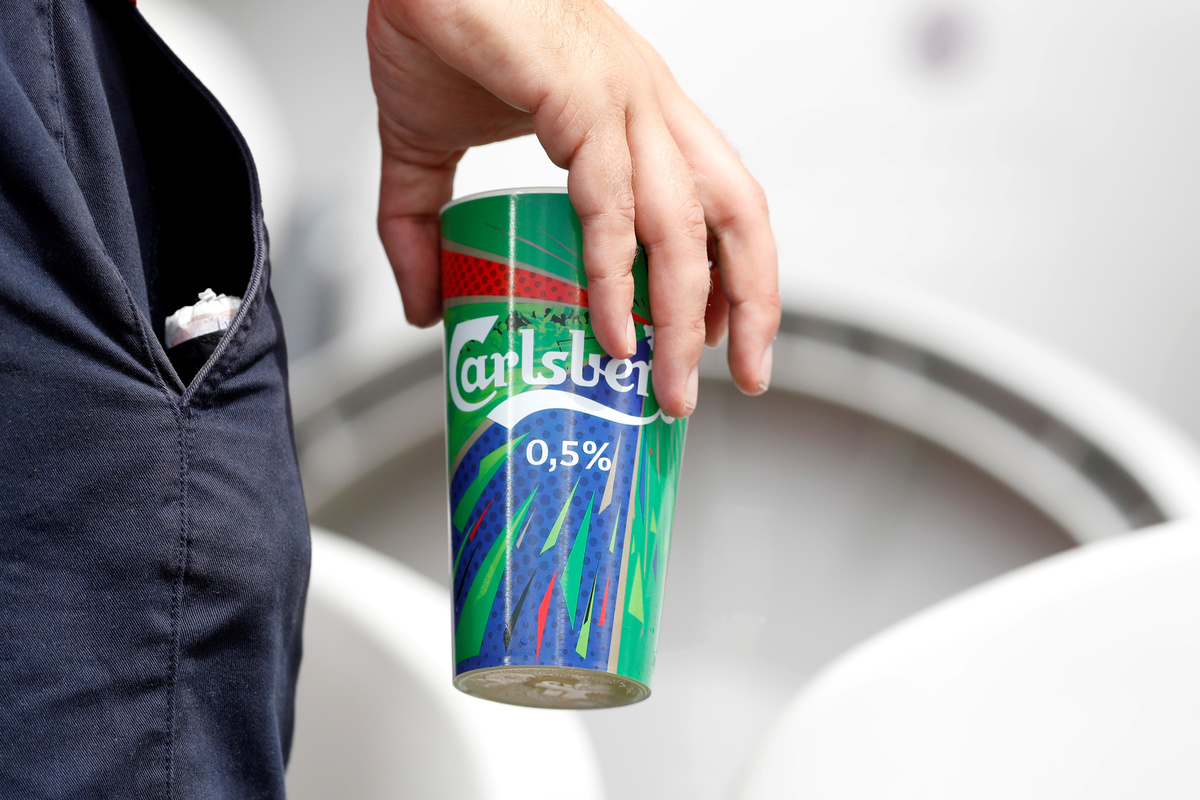
Brewers also highlighted the rising trend for zero and low alcohol beers, which while profitable also reinforced the wider public health message of drinking responsibly.
As a result the drinks industry faces potential legislation such as setting minimum pricing and in Ireland the possibility of giving drinkers warnings linking alcohol to cancer.
"It is very important to be pro-active... before you get badly legislated," Van Boxmeer said.
(Reporting by Philip Blenkinsop; Editing by Alexander Smith)