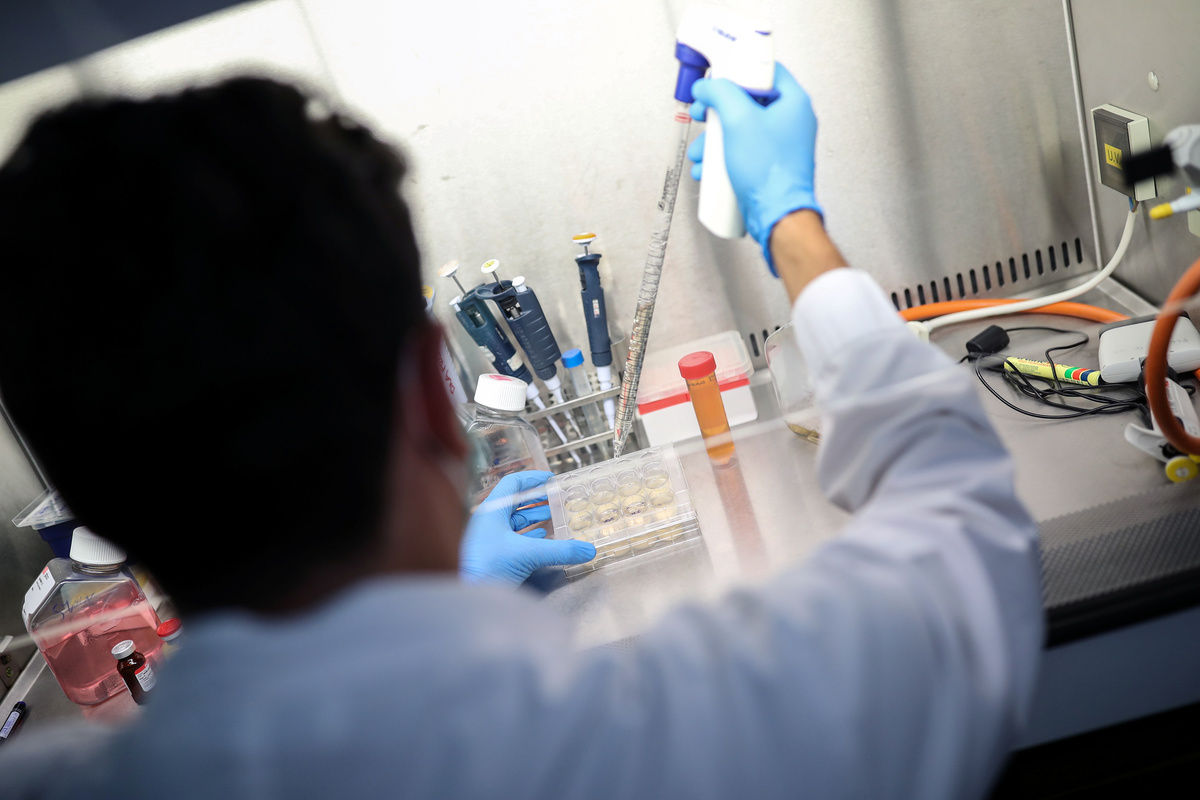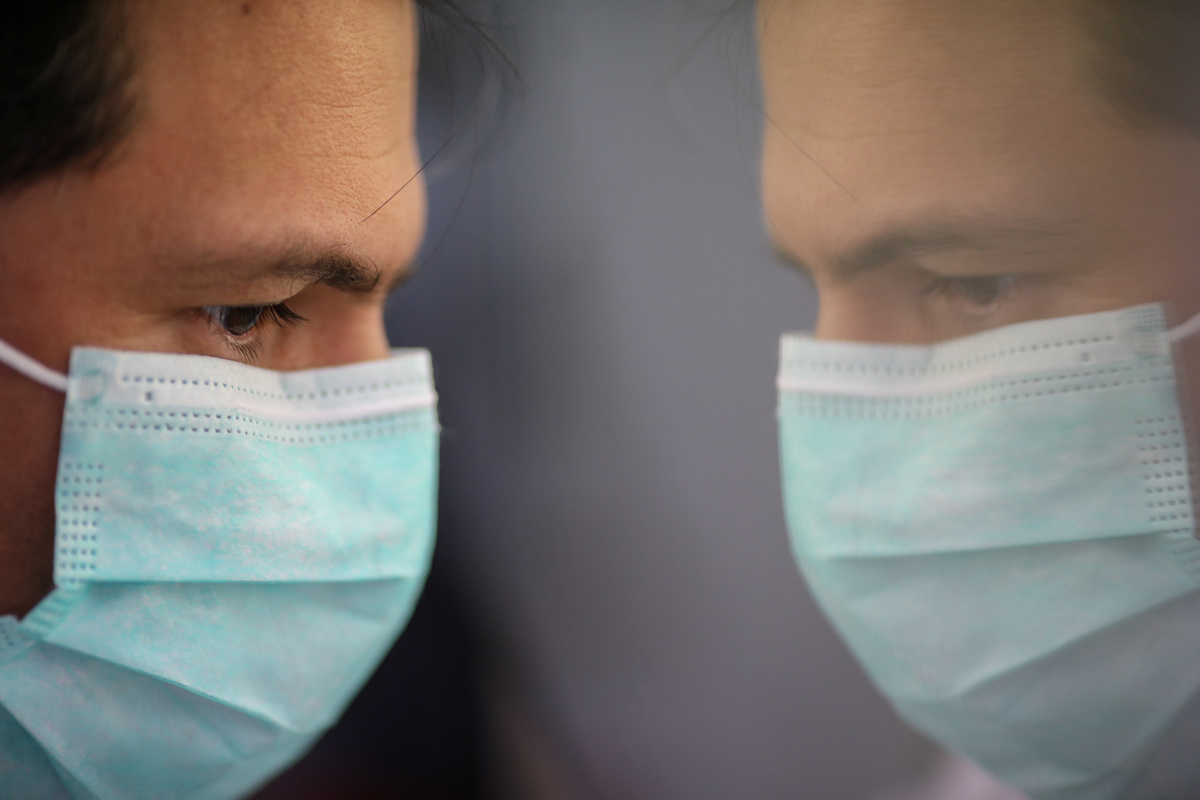
Researchers in Greece say they are close to launching a molecular test to detect COVID-19 which could provide a cheaper alternative to imported kits and uninterrupted access to supplies.
Greece currently uses diagnostic kits imported from a variety of suppliers abroad. The potential new test would use nasal swab samples, two researchers said, and could be available "in the coming future".
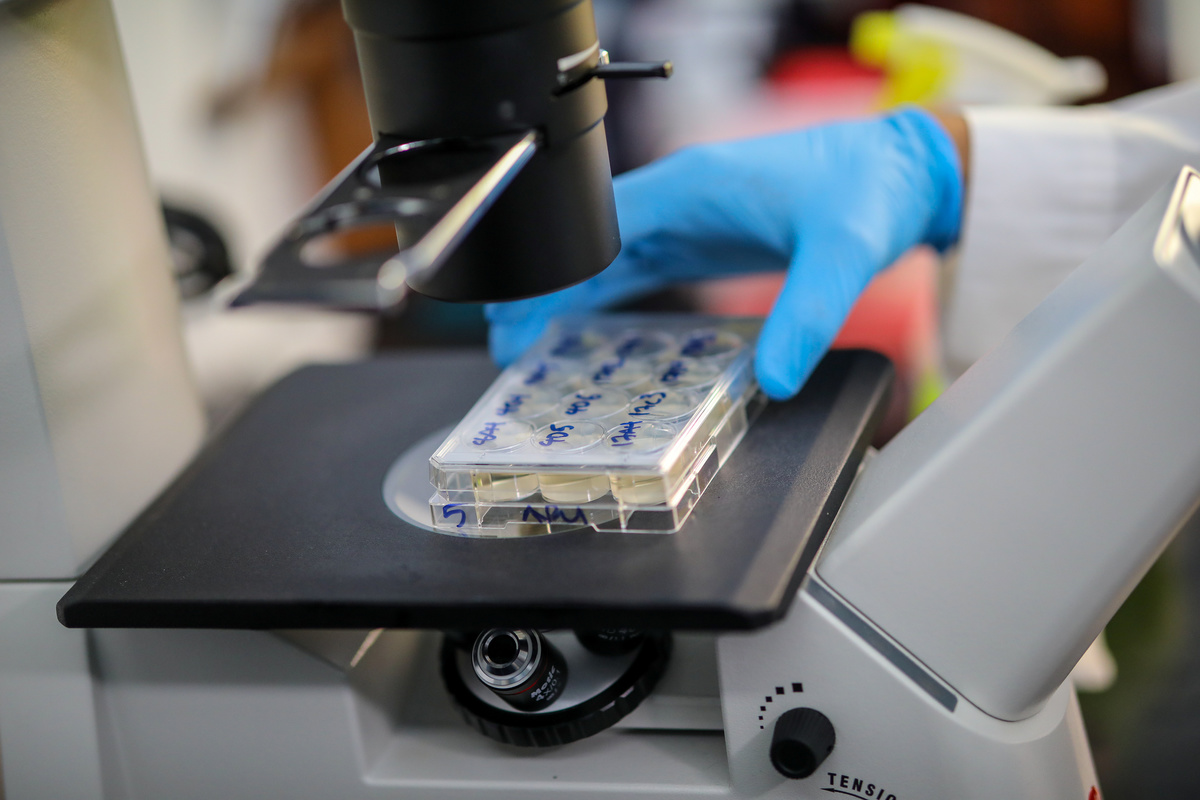
Both researchers requested anonymity because of the sensitivity of the project.
Generally, tests both for the virus itself and for the antibodies the immune system produces to fight the infection are becoming more widely available, but they are not perfect. The tests can come back with false positives, false negatives or confoundingly ambiguous results.
The researchers said their test had a more than a 90 percent accuracy rate. Research centres and at least two publicly-funded Greek universities are involved in the project, launched in February, they said.
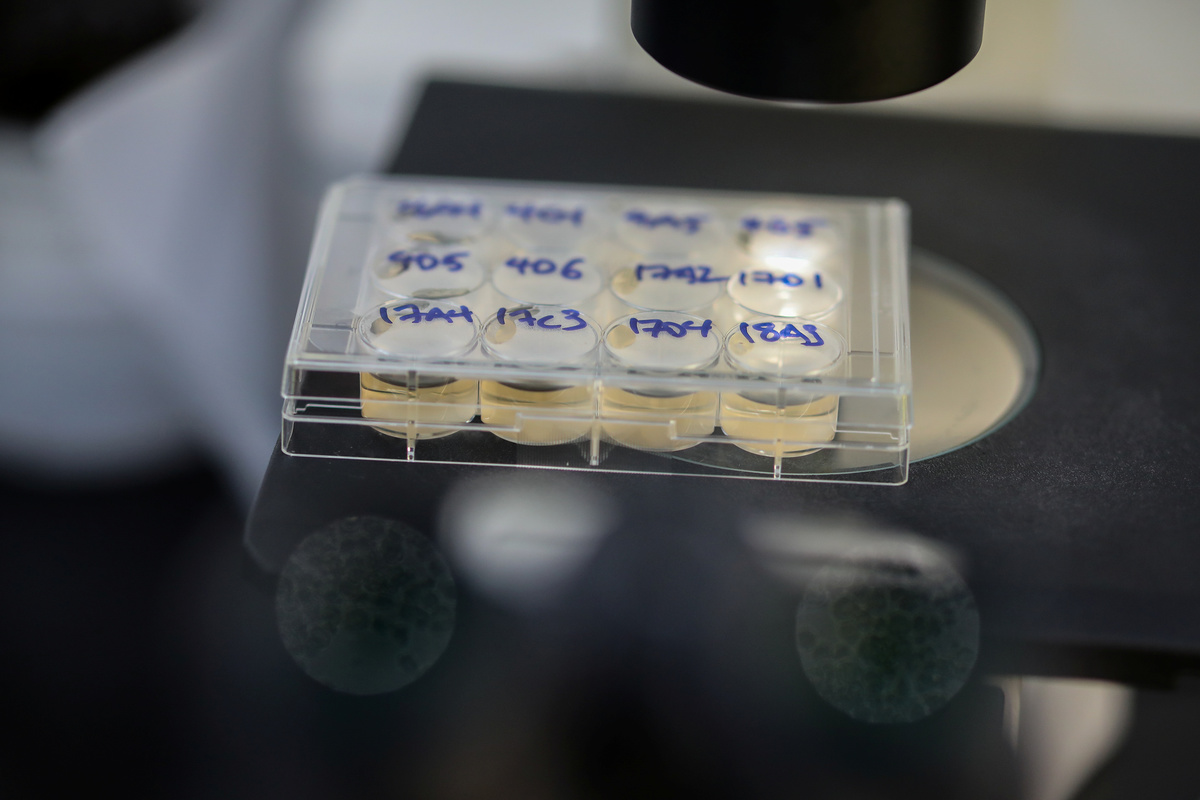
In an interview this week, Greek Prime Minister Kyriakos Mitsotakis called the research "great work'.
"We won't be depending on tests from abroad, and I believe we will be in a position to make some significant announcements on research into therapy protocols," Mitsotakis told Skai radio.
Greece moved swiftly to contain the virus outbreak by initiating a broad lockdown in March, recording less than 4000 cases, and less than 200 deaths.
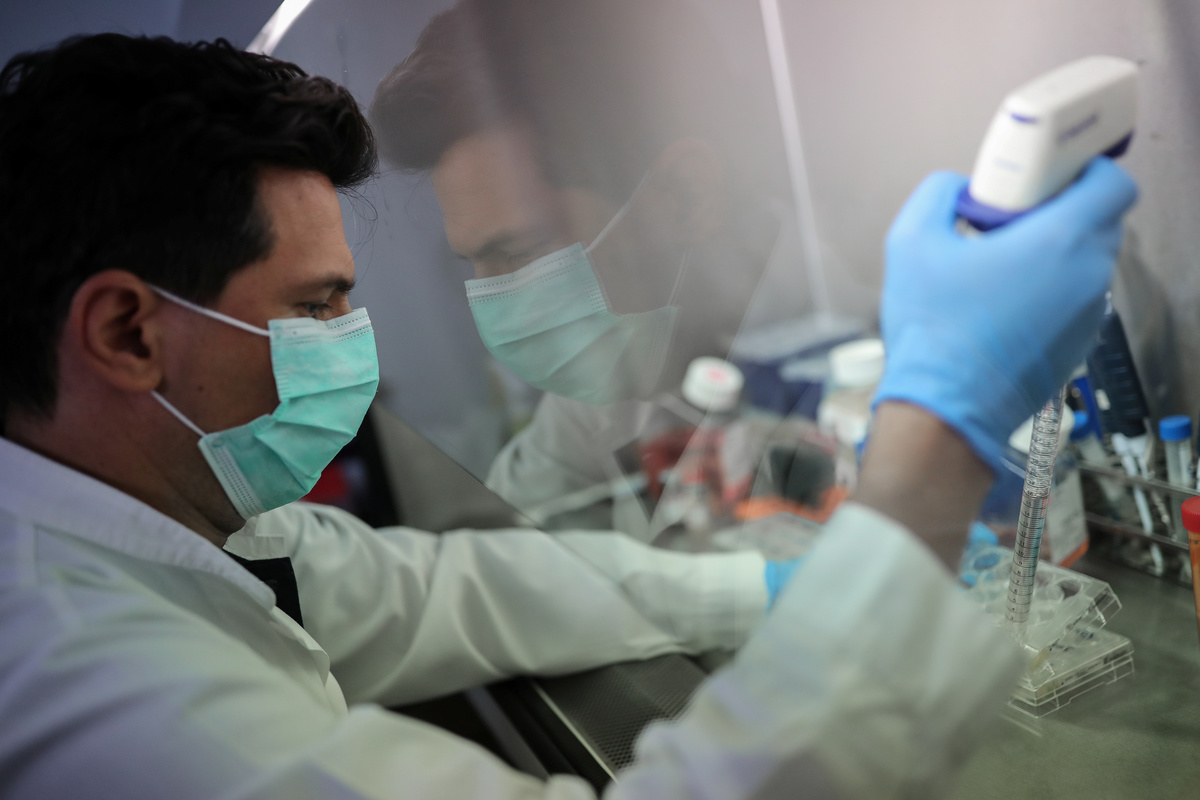
Researchers said they had also developed a test with 'more than 90 percent accuracy' which can detect COVID-19 antibodies, a sign that someone had contracted the virus.
Research was also underway into how antibodies could be used in a potential cure, they said.
(Reporting by Lefteris Papadimas; Editing by Alexandra Hudson)