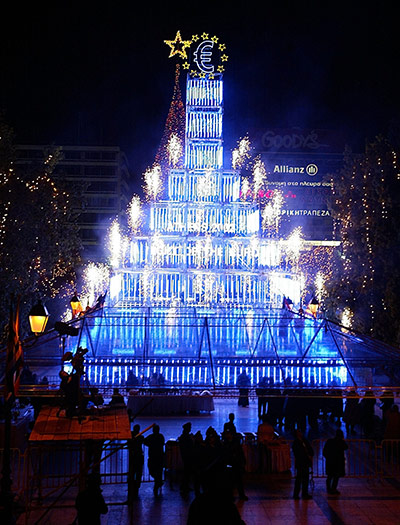
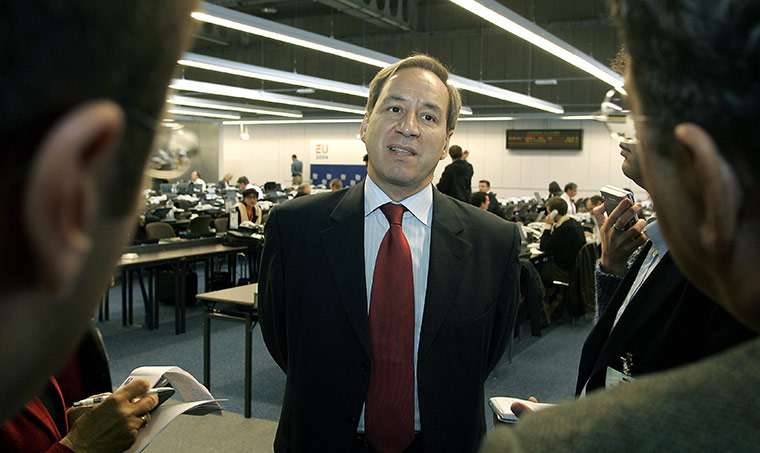
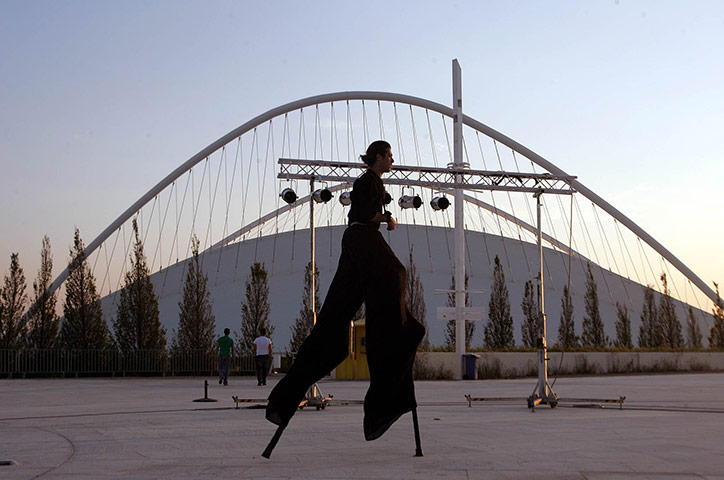
1 January 2002: Greece joins the euro. Greece joins the single currency two years after the eurozone was created. The Athens government claims the “historic” achievement will put Greece at the heart of Europe and guarantee stability and prosperity, since it has brought its finances into line with EU demands. But even then, critics question whether the euro project will suffer from the inclusion of another weaker member. Wim Duisenberg, president of the European Central Bank at the time, warns that Greece must keep striving to improve its economy, with inflation at an unacceptably high 4%. Pictured: Athens celebrates the launch of the euro in Athens' Syntagma SquarePhotograph: Louisa Gouliamaki/AFP15 November 2004: Greece admits fudging euro entry. The first clear proof that all is not well in Greece comes when the government admits it has not actually met the qualifying standard to join the eurozone at all. Revised budget data shows that the Greek budget deficit has never been below 3% since 1999, as EU rules demand. Pictured: Greek Economy and Finance minister Georgios Alogoskoufis gives an informal press point during an ECOFIN Council meeting in Luxembourg Photograph: Gerard Cerles/AFP29 March 2005: Austerity measures: Having ousted Greece’s socialist government a year earlier, the right-wing New Democracy party imposes an austerity budget to try to slash Greece’s deficit and get the public finances back on track after the cost of hosting the 2004 Olympics. It includes higher taxes on alcohol and tobacco, and an increase in VAT from 18% to 19%. Pictured: A stilt performer passes the Olympic VelodromePhotograph: Louisa Gouliamaki/AFP
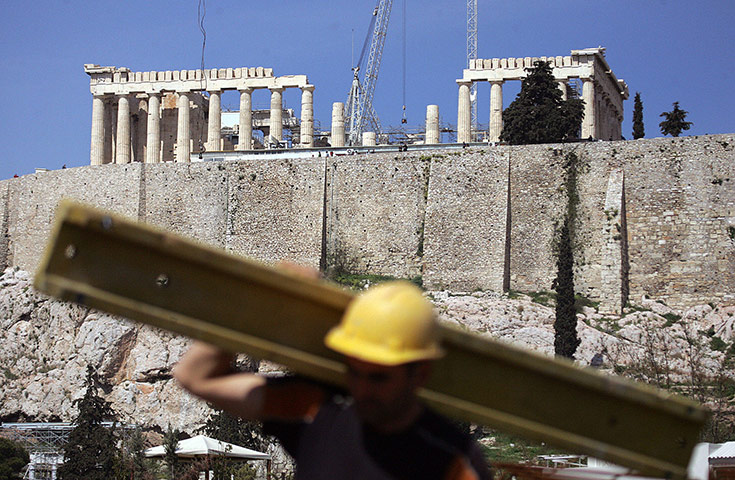
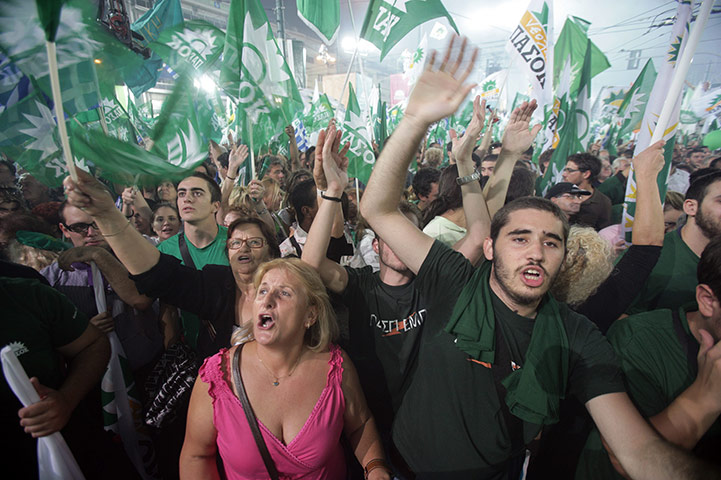
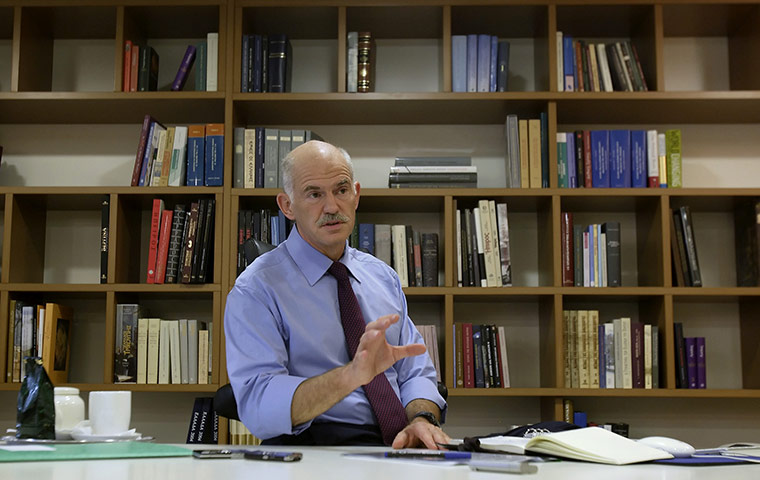
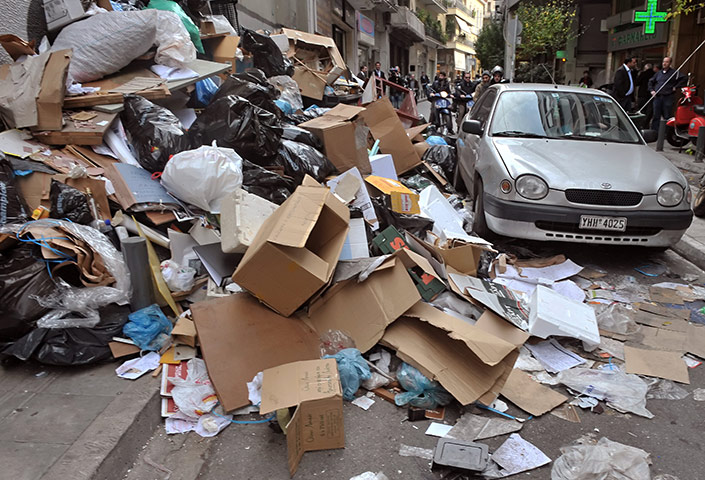
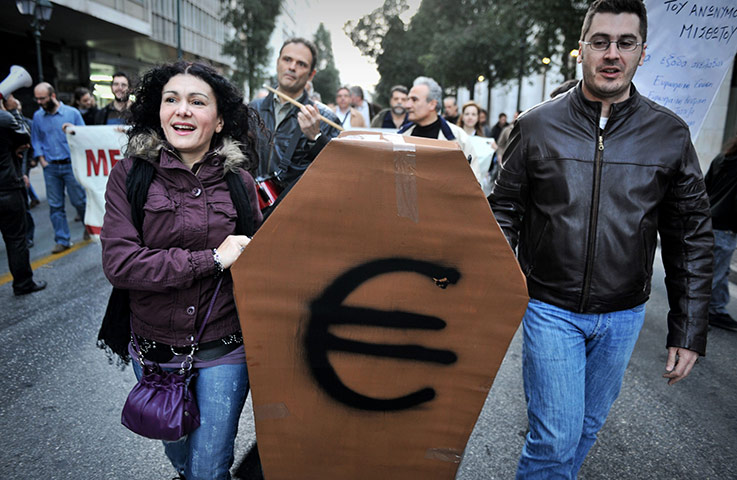
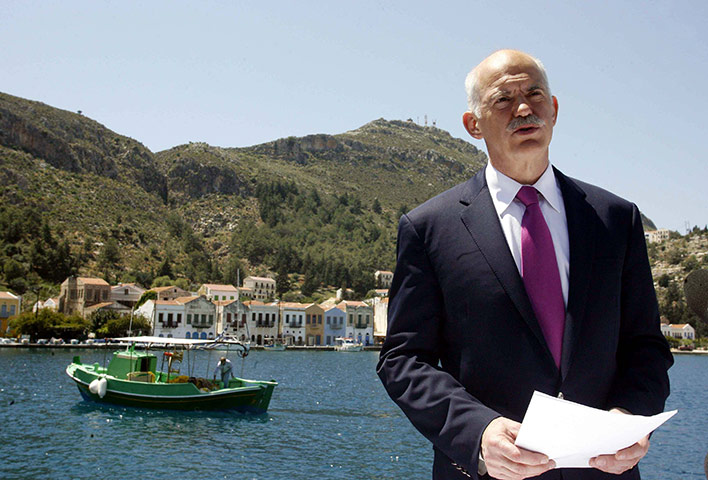
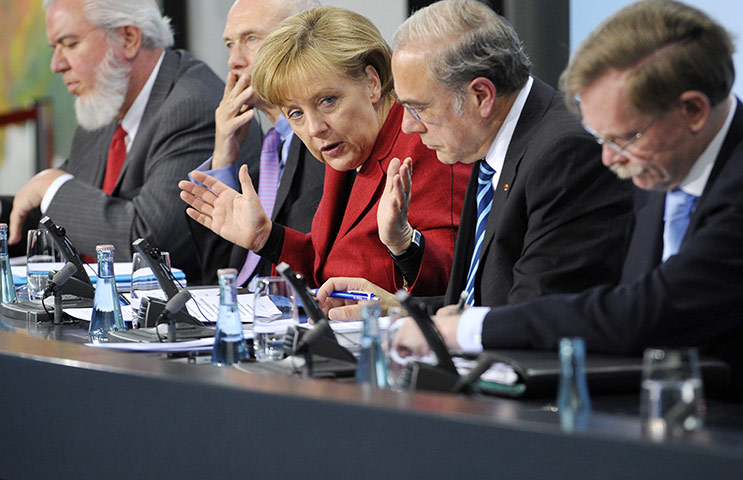
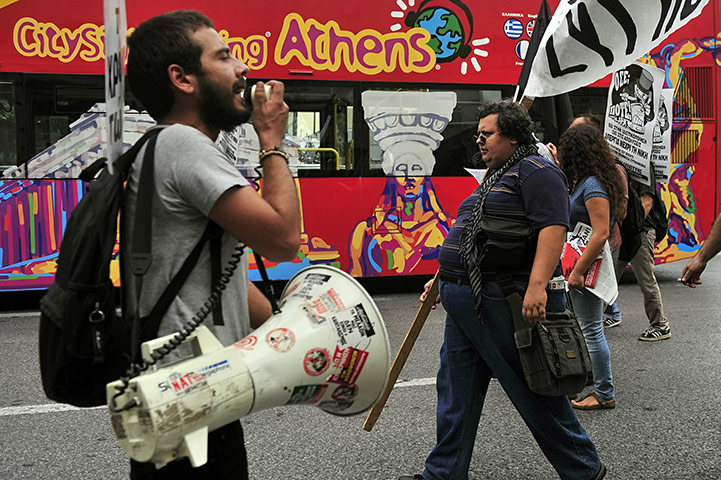
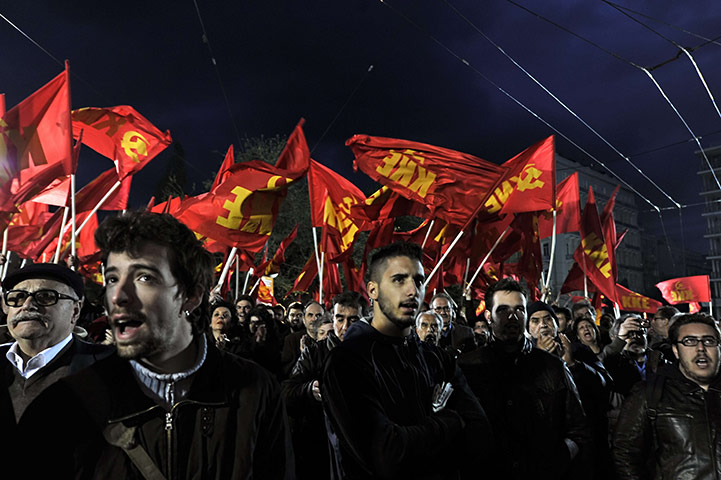
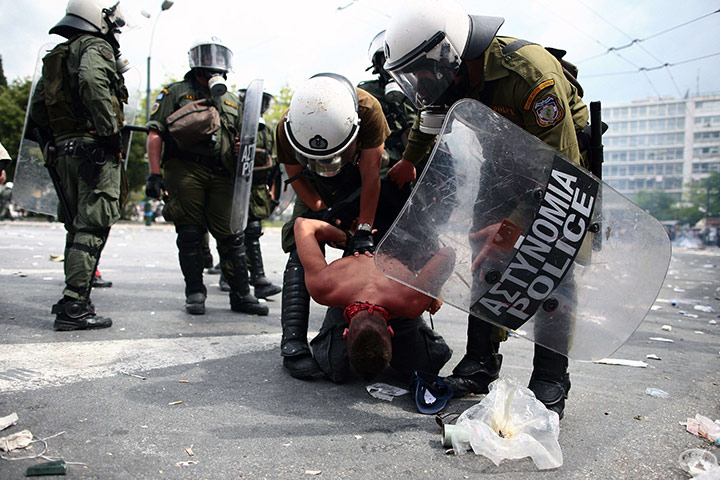
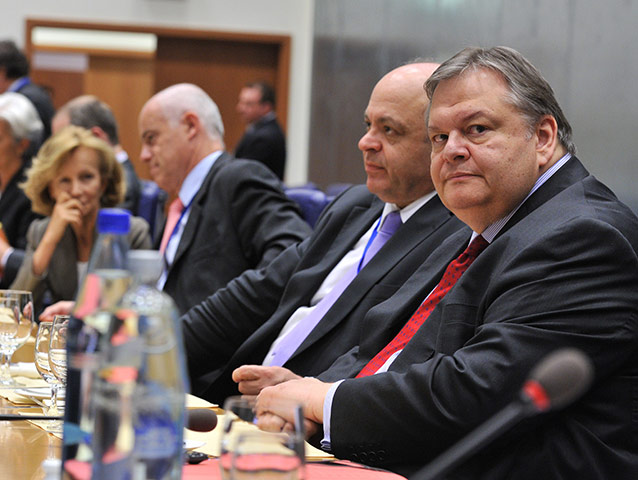
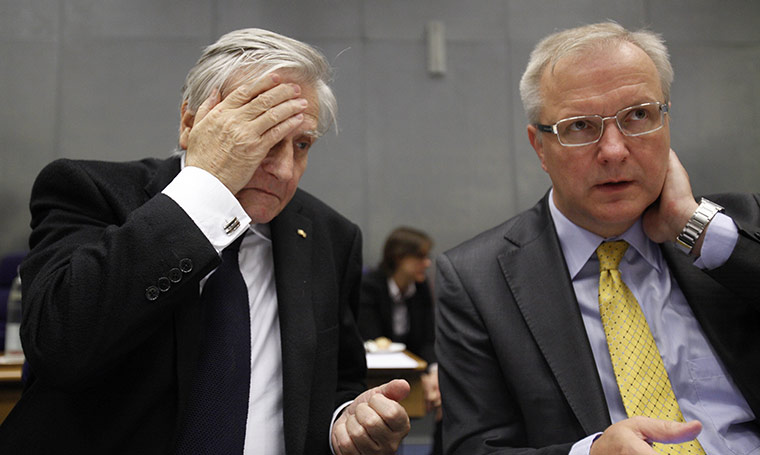
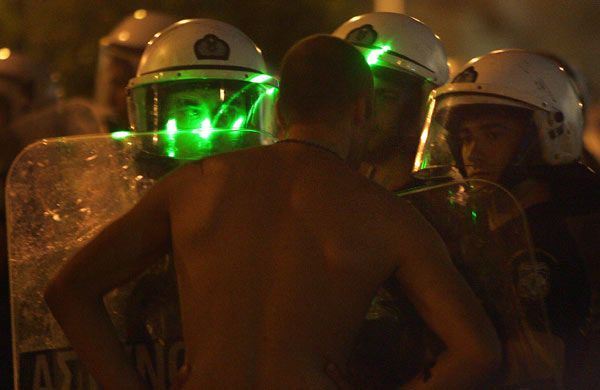
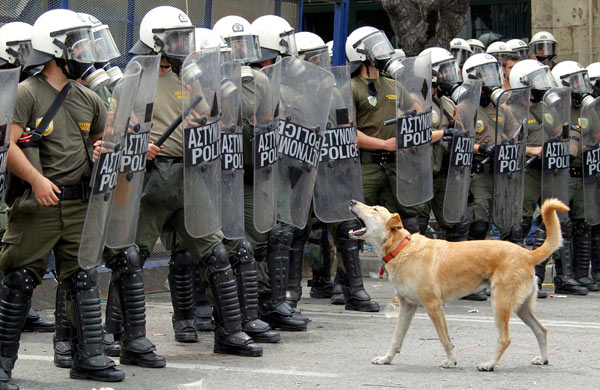
Spring 2006: Bouncing back? A year after the austerity budget, Greece’s economy appears to be growing strongly again, with GDP up 4.1% in the first three months of 2006. Pictured: A labourer works on the roof of the new Acropolis museum in AthensPhotograph: Aris Messinis/AFP/Getty Images4 October 2009: George Papandreou becomes prime minister. Papandreou’s Panhellenic Socialist Movement (Pasok) party wins power after New Democracy calls a snap general election, asking the Greek people for a new mandate to tackle the looming financial crisis. The economy has contracted by 0.3%, and the national debt has risen to €262bn, from €168bn in 2004. At this stage, the government expects the 2009 deficit to reach 6% of GDP. Pictured: Supporters of Greece's Socialist Party (PASOK) leader George Papandreou attend a rally Photograph: Milos Bicanski/Getty Images30 November: Debt fears mount. Papandreou admits that the Greek economy is in “intensive care”, as European finance ministers express concern about the size of the country’s debt Photograph: Petros Giannakouris/AP8 December: Credit rating downgraded. Fitch cuts Greece’s long-term debt to BBB+, from A-. This is the first time in a decade that Greece does not have an A-rating, and the move sends shares falling across the world. Standard & Poor’s soon follows suit. Pictured: A car tries to makes its way through piles of rubbish obstructing a street in the centre of Athens due to a strike of municipal workersPhotograph: Louisa Gouliamaki/AFP/Getty Images3 March 2010: Greece unveils radical austerity package. Papandreou announces a tough austerity package, as Greece struggles to persuade the financial markets that it can cut its deficit and repay its debts. Pictured: Demonstrators carry a cardboard-made coffin with an Euro symbol on it during a protest march in AthensPhotograph: Louisa Gouliamaki/AFP/Getty Images23 April: Greece activates €45bn EU/IMF loans. Papandreou turns to the International Monetary Fund for help, after Greece is priced out of the international bond markets Pictured: Greek Prime Minister George Papandreou speaks to media during his visit to the island of KastelorizoPhotograph: Tatiana Bolari/AFP/Getty Images2 May: EU debt crisis – Greece granted €110bn aid to avert meltdown. European finance ministers agree a €110bn rescue package for Greece, designed to cover the country’s borrowing requirements until 2013. In return, Greece pledges to bring its budget deficit into line, through unprecedented budget cuts. German Chancellor Angela Merkel gestures as she addresses a press conference after a meeting at the chancellery in Berlin Photograph: Michael Gottschalk/AFP/Getty Images29 September: Europe’s day of action against cuts. Thousands of workers take to the streets in Greece, as part of co-ordinated action against the austerity measures being implemented across Europe. Strikes and protests also take place in Portugal, Ireland, Slovenia and Lithuania. Pictured: A protester shouts slogans while joining striking Hellenic railways employees and other public tranport unions in a protest march in Athens Photograph: Louisa Gouliamaki/AFP/Getty Images17 April 2011: Furious Greeks press for country to default on debt. Greek borrowing costs start rising sharply again, on fears that its austerity measures are failing to work. Greece is now deep in recession, and the number of people taking to the streets demanding a change of course keeps growing. Pictured: Pro-communist party Greeks patricipate in a protest rally against austerity measures Photograph: Louisa Gouliamaki/AFP/Getty Images15 June: General strike prompts violent clashes in Athens. Papandreou’s efforts to pass a four-year austerity programme to save €28bn hang in the balance, as police clash with protesters during a general strike. The depth of anger fuels fears that Greece will not keep qualifying for its original bailout. Pictured: Riot police arrest a protester during a demonstration near parliament Photograph: Alkis Konstantinidis/AFP/Getty Images19 June: Greece needs another €110bn bailout to avoid debt default, says Papandreou. Greece admits that it needs a second rescue package to fend off default. Germany drops its demand that private creditors must take a “haircut”, but European leaders remain split over the best way forward. Pictured: Greek Finance Minister Evangelos Venizelos looks on during an Eurogroup meeting at the EU Headquarters in LuxembourgPhotograph: Georges Gobet/AFP/Getty Images21 June: EU leaders must act decisively or face disaster, says IMF. The IMF warns European leaders that they risk creating a second financial crisis unless they resolve the Greek situation rapidly, ahead of a crucial vote of confidence in Papandreou’s administration. Pictured: European Central Bank President Jean-Claude Trichet, left, and European Commissioner for the Economy Olli Rehn wait for the start of a meeting of the European Stability Mechanism in Luxembourg Photograph: Virginia Mayo/APA protestor in Athens' Syntagma Square in the early hours of 22 June, after the Greek government survived a vote of no confidencePhotograph: Simela Pantzartzi/EPA'Riot dog', a regular sight at Greek protests, barks at a formation of riot police near parliament in AthensPhotograph: Pascal Rossignol/REUTERS
Sign up to read this article
Read news from 100’s of titles, curated specifically for you.