Great British Marine Animals by Paul Naylor – in pictures
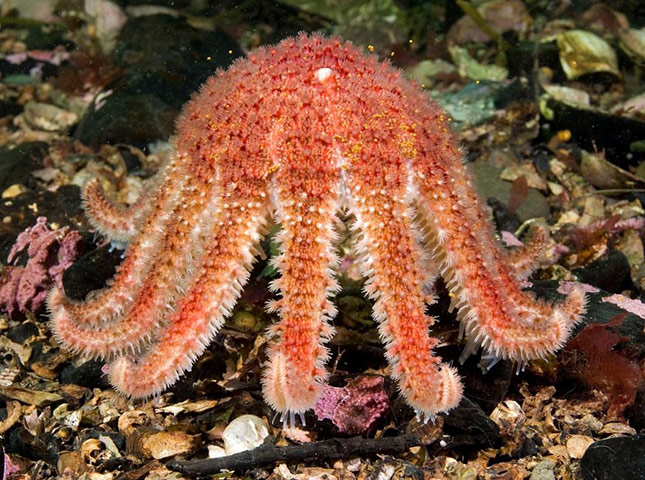
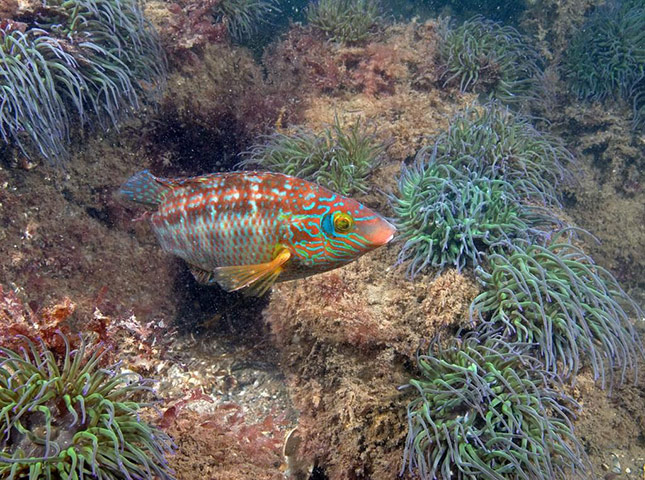
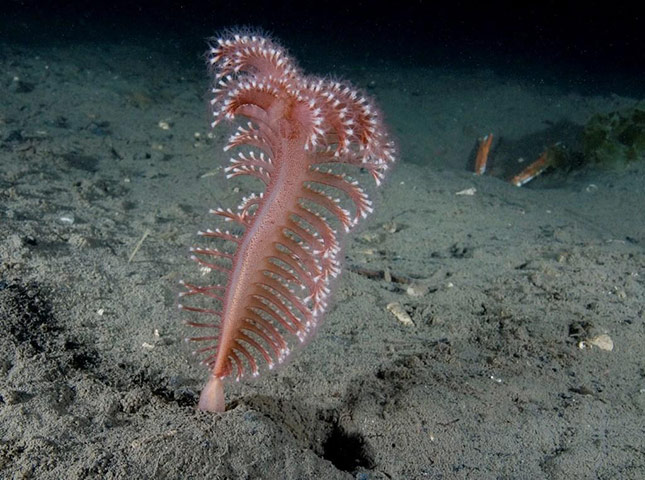
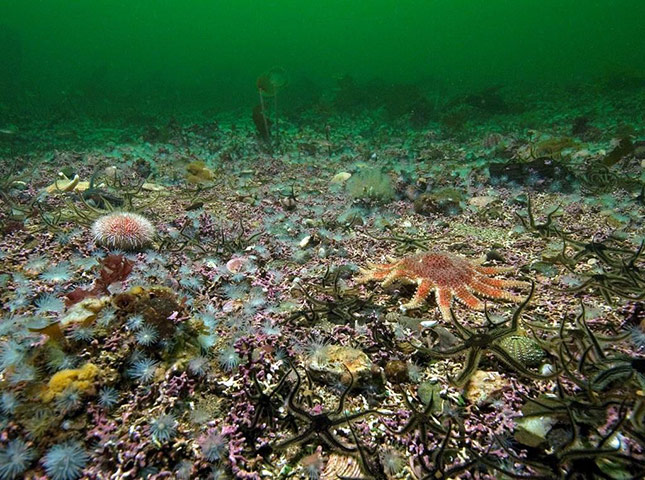
A spawning sunstar stands up to release its eggs. The eggs of this species are unusually large and yolky, and the individual ones (small orange spheres) can be seen drifting off in the currentPhotograph: Paul Naylor/The Wildlife TrustsMale corkwing wrasse take on colourful livery when they are building and defending their nest. This one’s nest was among green and purple snakelocks anemonesPhotograph: Paul Naylor/The Wildlife TrustsMuddy seabeds in deep water have many beautiful inhabitants. The orange claws of a Norway lobster, often used to make scampi, can be seen protruding from its burrow behind the phosphorescent sea penPhotograph: Paul Naylor/The Wildlife Trusts
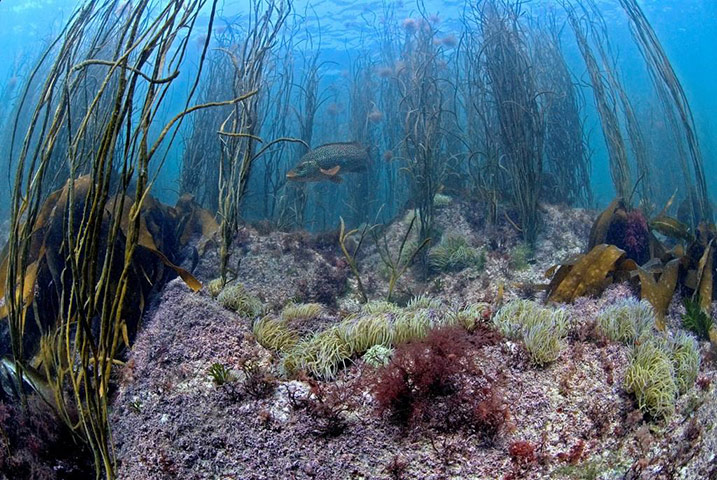
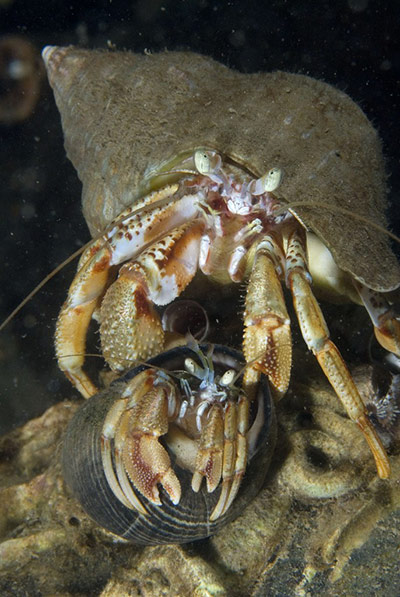
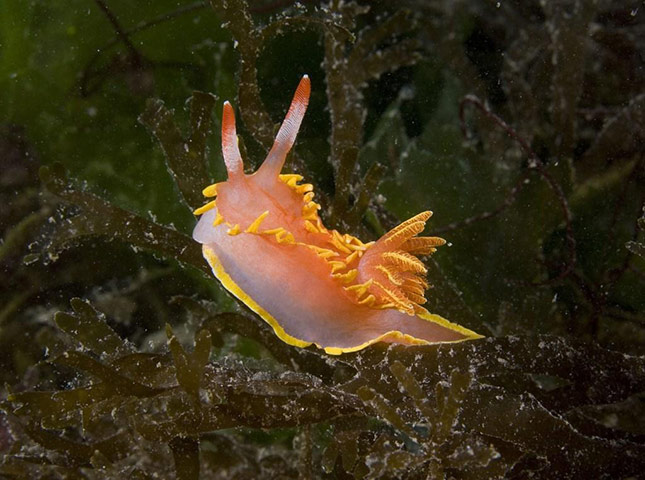
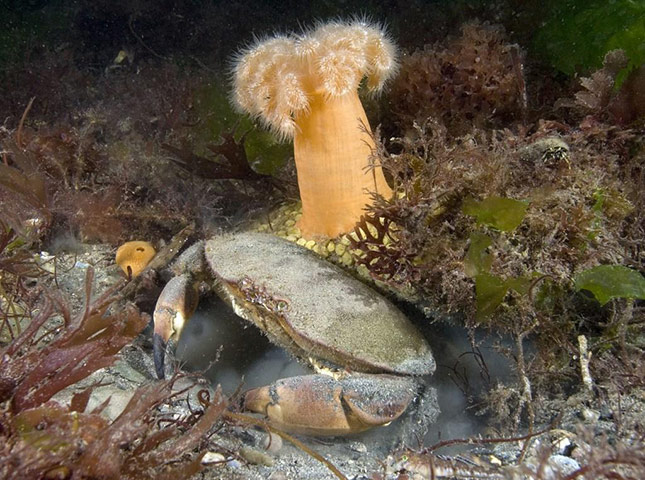
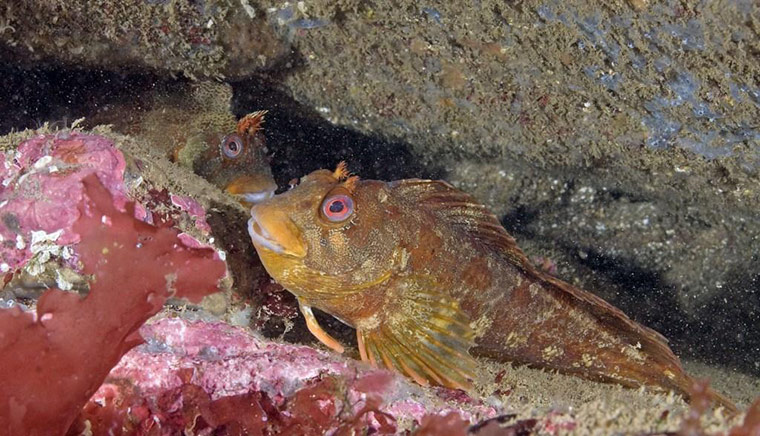
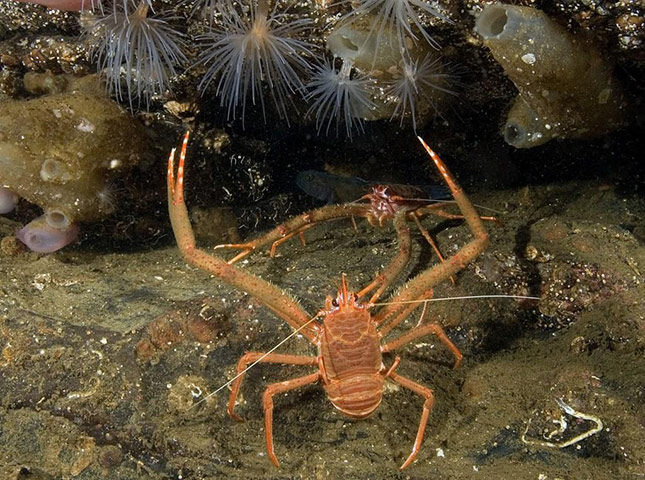
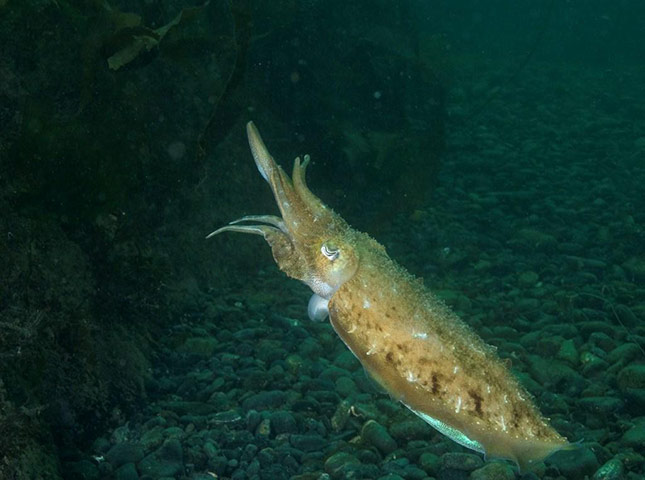
In very calm conditions, the scenery in shallow water among a thongweed forest can be stunning; and it can easily be seen by snorkelers, not just divers.Photograph: Paul Naylor/The Wildlife TrustsLarge male hermit crabs carry small females around before mating, generally dragging them by the shellPhotograph: Paul Naylor/The Wildlife TrustsSea slugs like this one have no hard shell and can crawl only slowly. They rely on deterrent chemicals in their skin to repel predatorsPhotograph: Paul Naylor/The Wildlife TrustsBeds of maerl (calcified seaweed nodules) are incredibly rich habitatsPhotograph: Paul Naylor/The Wildlife TrustsShowing the potential diversity in our seas; an edible crab, plumose anemone, boring sponge, two small hermit crabs (one with its shell enveloped in orange sponge) and a painted goby all in a small patch of seabed Photograph: Paul Naylor/The Wildlife TrustsPairs of tompot blennies can be found in rocky crevices. They often seem agitated but it is difficult to tell whether a particular pair is courting or engaged in some sort of rivalryPhotograph: Paul Naylor/The Wildlife TrustsLong-clawed squat lobsters live in the rocky crevices in sea lochs. Disputes between two of them, over a particular hiding place or piece of food, are commonPhotograph: Paul Naylor/The Wildlife TrustsA multi-skilled cuttlefish hunting. It has sophisticated buoyancy control, jet propulsion, a sophisticated brain and an ability to change its pattern and colour that would put a chameleon to shamePhotograph: Paul Naylor/The Wildlife Trusts
Sign up to read this article
Read news from 100’s of titles, curated specifically for you.