Half of the Great Barrier Reef is “dead or dying” and almost all of it is on the brink of extinction, according to scientists.
A “significant” event is occurring that could lead to the death of the world’s biggest living ecosystem, according to Australian ministers.
Only seven per cent of the reef has escaped “bleaching”, which happens when the water warms and leads to the coral to expel the algae that lives inside of it and turn white. If temperatures don’t drop, then the coral will not be able to recover and will lead to it dying.
And half the reef has already died or is dying, according to scientists.
The event is partly being caused by the strong El Nino weather system that swept across the world. But global warming is the underlying cause, say scientists, and so the bleaching and death is likely to continue.
"We've never seen anything like this scale of bleaching before. In the northern Great Barrier Reef, it's like 10 cyclones have come ashore all at once," said Professor Terry Hughes, conveyor of the National Coral Bleaching Taskforce, which conducted aerial surveys of the World Heritage site.
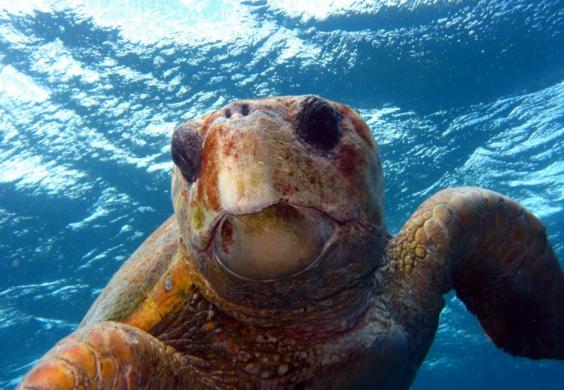
"Our estimate at the moment is that close to 50 percent of the coral is already dead or dying," Hughes told Reuters.
The Great Barrier Reef stretches 2,300 km (1,430 miles) along Australia's northeast coast and is the world's largest living ecosystem.
"There were some who said that the worst had passed. We rejected that, and they were wrong," Environment Minister Greg Hunt told reporters. "Let it be known that this is a significant event. We take it seriously."
U.S. President Barack Obama embarrassed Australia 18 months ago by warning of the risk of climate change to the reef during a G20 meeting.
UNESCO's World Heritage Committee last May stopped short of placing the Great Barrier Reef on an "in danger" list, but the ruling raised long-term concerns about its future.
Australia is one of the largest carbon emitters capita because of its reliance on coal-fired power plants for electricity.
Despite pledging to cut carbon emissions, Australia has continued to support fossil fuel projects, including Adani Enterprises Ltd's proposed A$10 billion ($7.7 billion) Carmichael coal project in the Galilee Basin in western Queensland.
"It's not good enough for them to say they care about the reef while they keep backing the coal industry and avoid tackling climate change," said Shani Tager, a Greenpeace campaigner.
The findings will likely place pressure on Prime Minister Malcolm Turnbull ahead of an expected federal election on July 2.
Turnbull is an advocate of carbon trading and supports progressive climate policies, but has left some disappointed over a failure to strengthen his party's commitment to addressing climate change.
Additional reporting by Reuters