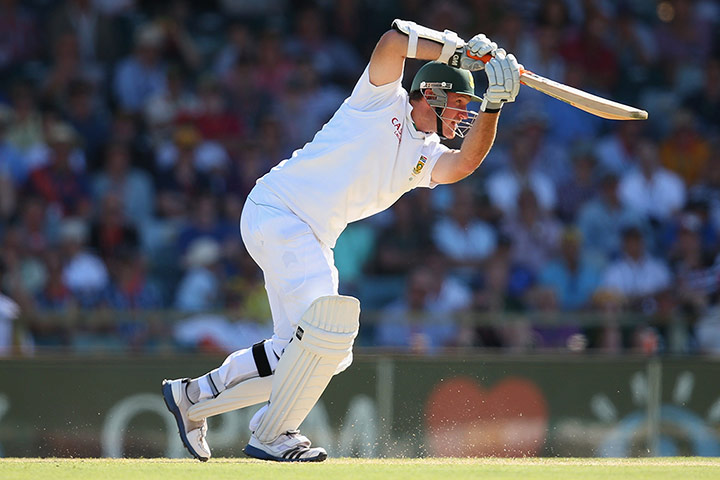
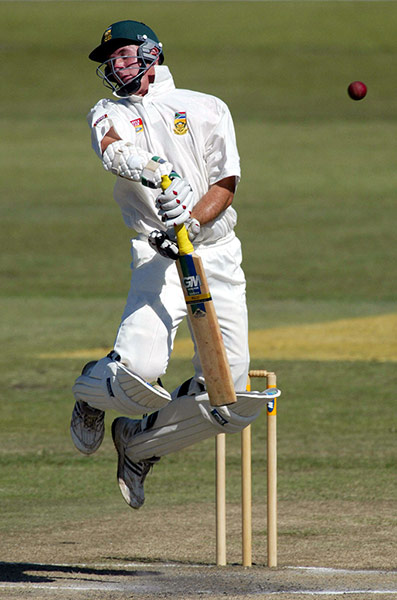
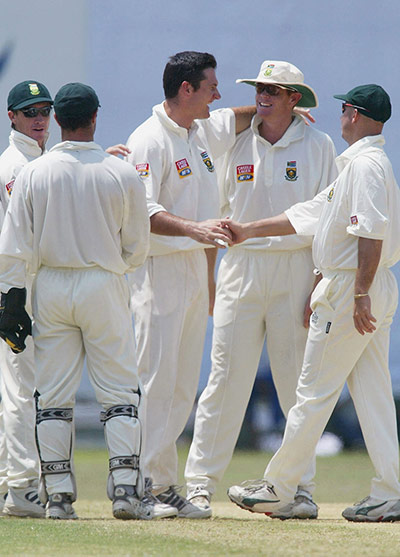
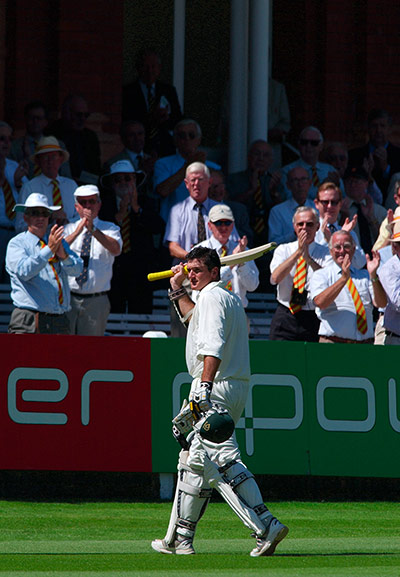
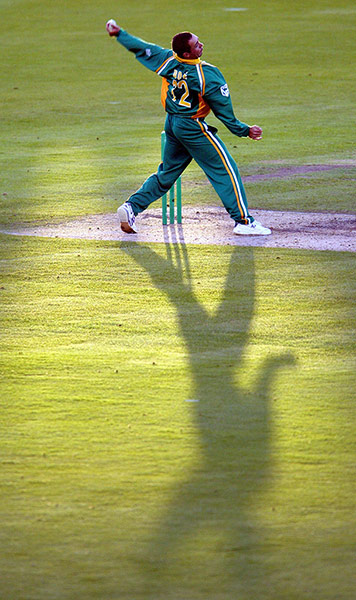
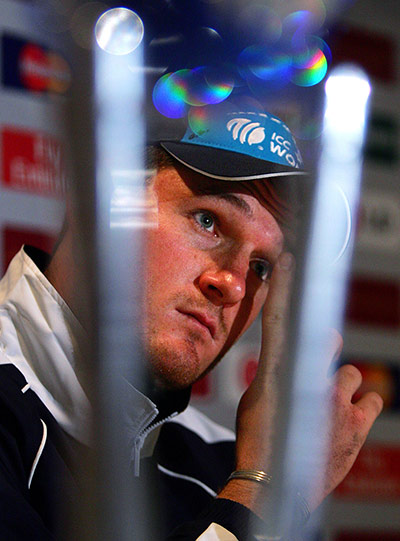
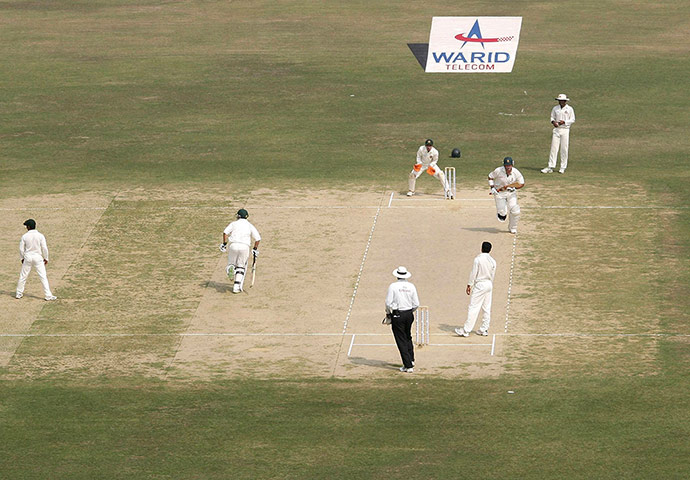
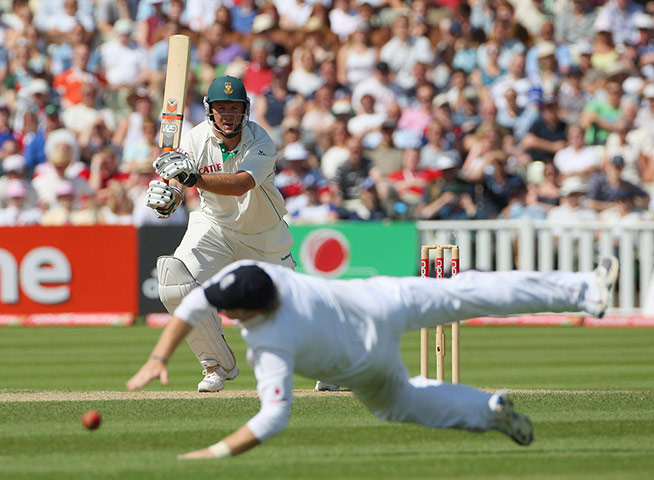
South Africa captain Graeme Smith hangs up his bat with a number of records to his name: Smith holds the world record of captaining in most Test matches (102–101 as captain for South Africa, and 1 for ICC); The world record of highest number of wins in Test matches as a captain with 50 wins; The most number of centuries (15) by a captain in Test match wins. He also holds the world record of a non-wicketkeeper taking most catches (82) in Test match wins and is the fastest South African cricketer to reach 1000 Test runsPhotograph: Cameron Spencer/Getty ImagesHere a 21-year-old Smith makes his Test debut for South Africa in March 2002 in Cape Town against Australia. He batted at No3 and scored 68 in the second inningsPhotograph: Getty Images/Getty ImagesFollowing the 2003 Cricket World Cup and Shaun Pollock's subsequent resignation, Smith was selected as captain for South Africa's next Test, after playing only eight Test matches and 22 ODIs. He was only 22 years and 82 days old when he captained his first match against Bangladesh, the youngest ever South Africa captain. Here he is congratulated after taking his first Test wicket with Shaun Pollock taking the catch on day four of the first Test in ChittagongPhotograph: Duif du Toit/Getty Images
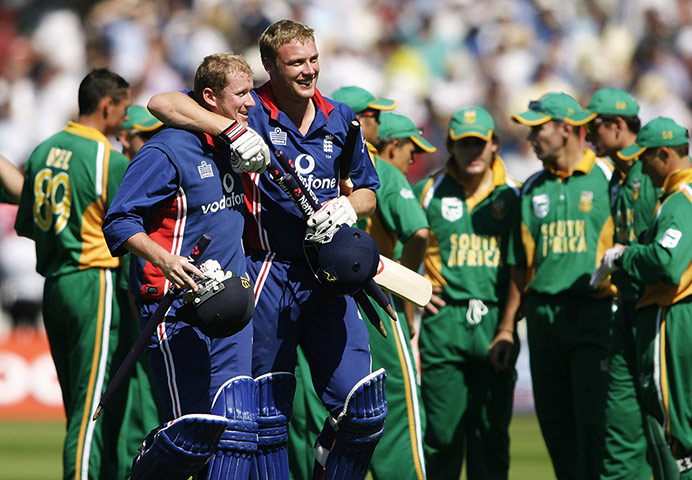
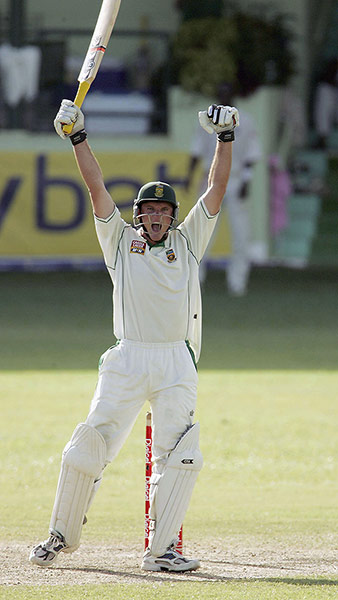
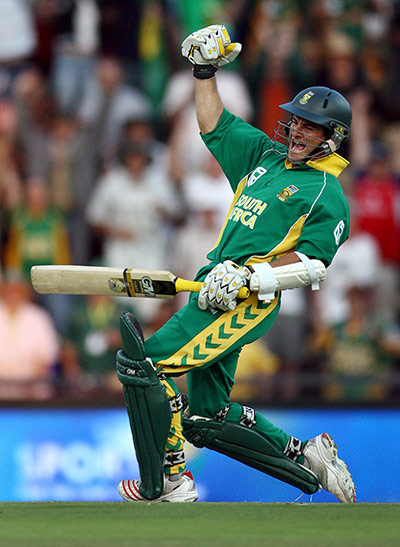
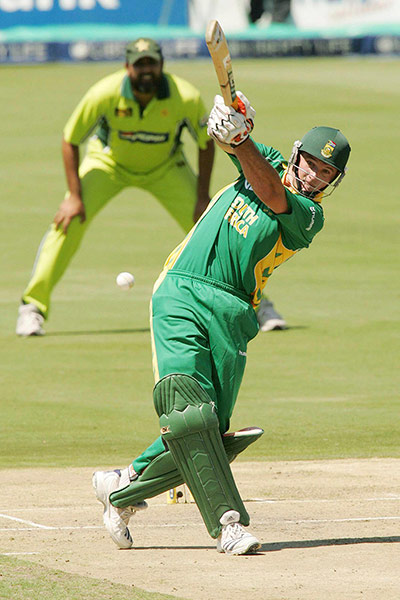
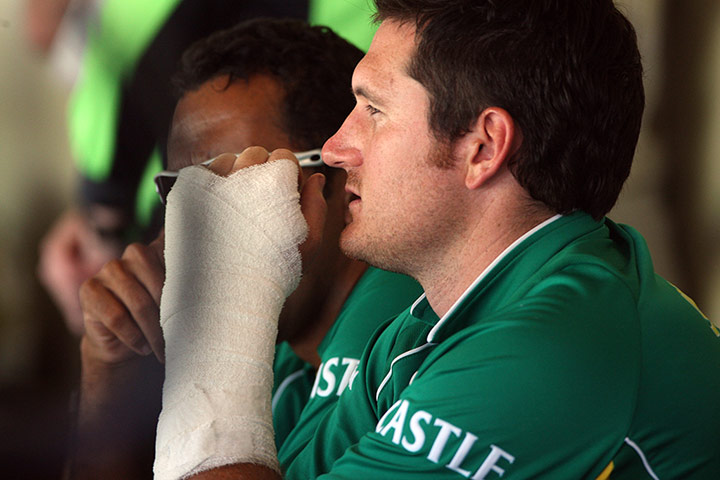
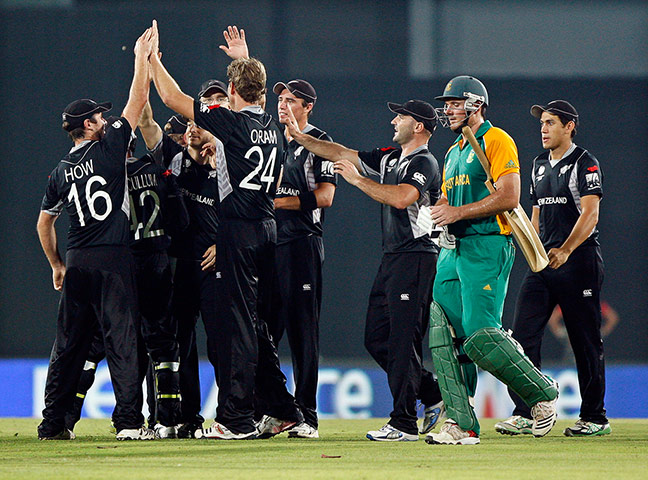
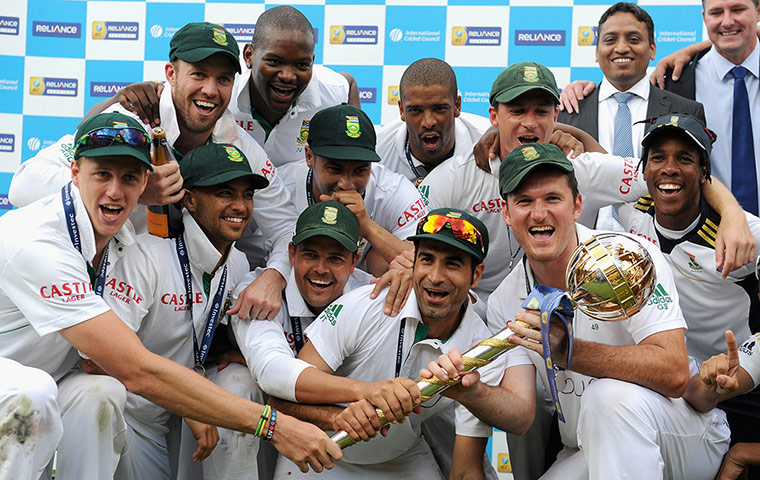
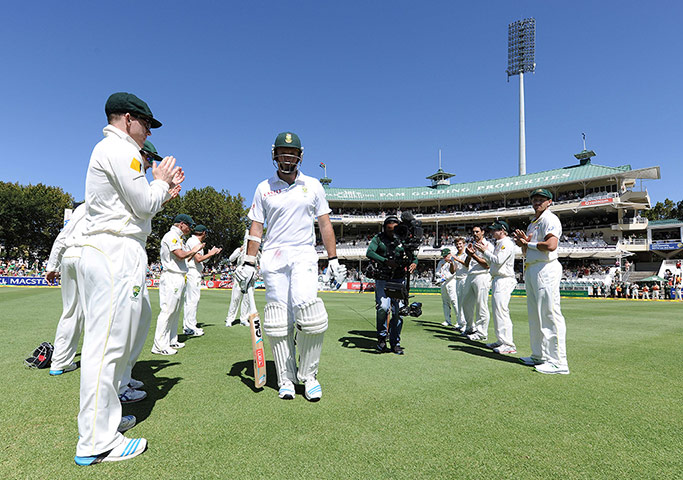
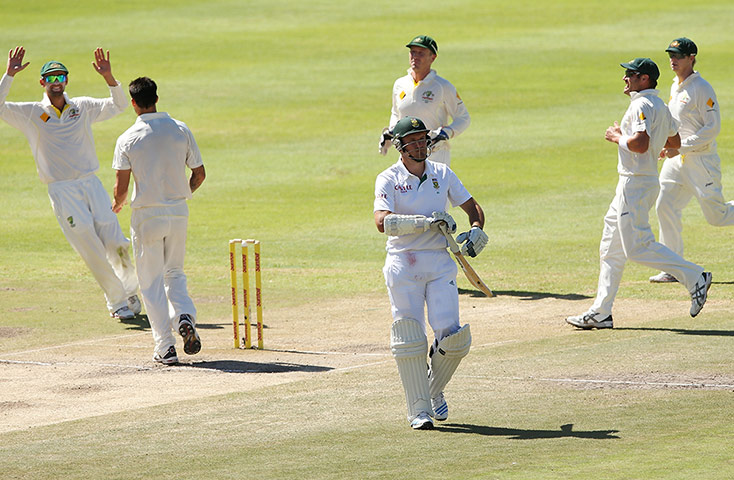
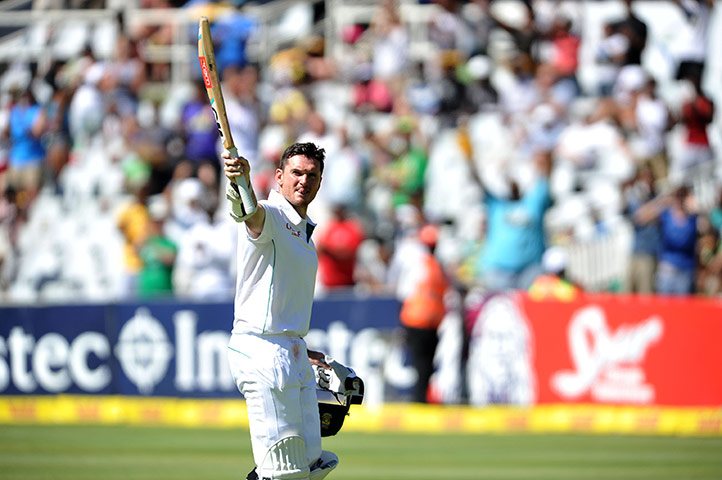
Andrew Flintoff and Anthony McGrath celebrate England's seven-wicket thrashing of South Africa in the final of the NatWest One Day Triangular Series. Following Smith's accusation of England's "arrogance" the captain Nasser Hussain hit back by referring to Smith as "Wotsisname" saying that Smith and his side were "there for the taking"Photograph: Craig Prentis/Getty ImagesSmith had other ideas, notching 277 (and 85 from 70 balls in the second innings) in the first Test at Edgbaston and then following that up with 259 at Lord's. He became only the fourth batsman to score double hundreds in consecutive Tests. These performances prompted Alec Stewart to call him "the most impressive 22-year-old I have seen in cricket"Photograph: Patrick Eagar via Getty ImagesSmith and South Africa had a significantly less successful year in 2004. They had a 5–1 series loss to New Zealand and a 5–0 series loss to Sri Lanka in ODI cricket. In Test matches also South Africa suffered a poor run with series losses to England, India and Sri Lanka. South African cricket was described as being in a state of "freefall"Photograph: r/ReutersDespite these setbacks his growth in the role of captain was evidenced when he was selected to captain the ICC World XI against Australia in the ICC Super Series Test match in October 2005Photograph: Tim Wimborne /ReutersNormal service resumed briefly in 2005 when South Africa won a Test series in the West Indies, with Smith scoring centuries in three consecutive Tests: 148 at the Queen's Park Oval, 104 at the Kensington Oval (above) and 126 at AntiguaPhotograph: Touchline/Getty ImagesAfter those highs, AB de Villiers and his South Africa team-mates experienced lows as they succumbed to a 2–0 series defeat on their Australian tour and a 3–0 home series whitewash on the return tourPhotograph: Ryan Pierse/Getty ImagesPride was restored when Smith led his team to victory in South Africa's win over Australia in a one-day international at the Wanderers Stadium, Johannesburg in March 2006. Mark Boucher punches the air in celebration after hitting the winning runs. In this landmark match Australia beat the existing world record with 434 runs for the loss of four wickets in their allotted 50 overs. South Africa beat the target total with one ball to spare, achieving a world record score of 438 runs for nine wickets and took the five-match series 3-2Photograph: Jon Hrusa/EPAIn the first ODI against Pakistan on 4 February 2007, Smith hit an over bowled by Naved-ul-Hasan for 27 runs, and became the first player in ODI history to hit six fours off an over; Smith scored 72 from 47 balls as South Africa totalled 392–6Photograph: Gallo Images/Getty ImagesDuring day two of the second Test between Bangladesh and South Africa in March 2008, Graeme Smith plays a shot to set a new first wicket partnership world record with Neil McKenzie of 415. They had finished day one with 405 runs on the board which was the most ever put on by a pair in a single day of Test cricket without losing a wicket. The partnership was Smith's fourth opening partnership of over 300 runs, and his sixth of over 200 runs, both Test recordsPhotograph: Gallo Images/Getty ImagesSmith strikes the ball past Ian Bell during his second-innings knock of 154 not out in the victorious third Test at Edgbaston which gave South Africa their first series victory in England since 1965Photograph: Tom Shaw/Getty ImagesDuring South Africa's 2008-09 tour of Australia Graeme Smith sits in the stands during day four of the third Test with a broken hand Photograph: Tim Clayton/CorbisDespite this injury the South Africa captain showed amazing courage by batting with a broken hand to try and save the Test. He fell with 10 balls remaining as Australia won the Test though he received a standing ovation for his bravery and the satisfaction that South Africa won the series 2-1Photograph: Tim Clayton/CorbisAfter South Africa lost to New Zealand in the quarter-finals of the 2011 World Cup, Smith resigned as ODI and Twenty20 captainPhotograph: Abir Abdullah/EPASmith had to recover from an ankle injury to face England in a three-test series in 2012. By winning the first and third Tests and drawing the second – he led South Africa to a series victory which put South Africa back on top of the ICC Test rankingsPhotograph: Gareth Copley/Getty ImagesGraeme Smith receives a guard of honour from the Australia team for his last international Test innings on day four of the third Test match between South Africa and Australia Photograph: Luigi Bennett/AFP/Getty ImagesUnfortunately there is no fairtytale finish to Smith's international career when he is out for three on the third ball of his final Test innings after popping a short ball from Mitchell Johnson straight to short legPhotograph: Morne de Klerk/Getty ImagesSmith is applauded off by all the Australians as well as the South Africans; he kisses his helmet and waves his bat to all parts of the ground. All his team-mates have come down on to the steps to pat him on the back and walk him into the dressing-room. It’s rare to see quite such an overt display of respect and lovePhotograph: Luigi Bennett/AFP/Getty Images
Sign up to read this article
Read news from 100’s of titles, curated specifically for you.