A Kermadec Sanctuary was first floated in 2013 but eight years on and New Zealand is no closer to landing the marine reserve. While New Zealand First was accused of roadblocking it under the last government, political editor Jo Moir explains the hurdles are bigger than that.
In July 2018 then-deputy prime minister Winston Peters said he was confident a resolution for the Kermadec Sanctuary would be found by the end of that year.
Back then it was a Labour-New Zealand First coalition with the Green Party in a supply and confidence role.
Peters had pitched a mixed model sanctuary, which the Greens had no appetite for as it would allow for some fishing in the area.
At the time Peters said the Greens would need to eventually decide whether some form of sanctuary was better than nothing at all.
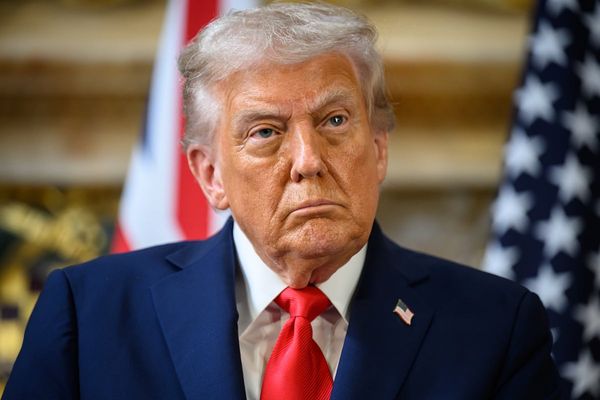
Rewind to 2015 when former Prime Minister John Key announced the idea with great fanfare at the United Nations.
But he’d failed to first properly consult with iwi and National's political partner, the Māori Party.
The deal hit the rocks before it had even set sail and subsequently Te Ohu Kaimoana, the guardian of Māori fishing interests, lodged its opposition with the High Court on the basis the sanctuary was a breach of its rights to fish in the area.
The sanctuary covers a 620,000 sq km area in New Zealand’s exclusive economic zone around the Kermadec Islands, northeast of the country’s North Island.
Oceans and Fisheries Minister David Parker has held responsibility for the sanctuary for almost four years and told Newsroom it would be “unfair to blame New Zealand First for the fact it wasn’t landed’’.
In fact, he believed the party wanted to strike a deal as well and didn’t hold the last government back.
Parker said the deal fell apart initially because National ploughed ahead without respect for “Māori fishing interests’’.
“That’s a very delicate issue for them and given how injured they were by the earlier process, it’s something we haven’t rushed at.’’
That said, Parker thinks good progress is being made, including the set-up of an interdepartmental advisory group involving the Department of Conservation and the ministries for Primary Industries, Fisheries, Environment and Māori Development.
He’s hopeful a deal can be struck this parliamentary term but he can’t guarantee it.
That’s because there are differing views on the issue, even within iwi.
“Some iwi feel quite strongly the Kermadec Sanctuary is a really good idea and would push on with it.
“Others think the fisheries settlement should be protected and from their point of view, not threatened by a creation of a fisheries reserve in the Kermadecs.
“They’re the issues we’re trying to balance,’’ Parker said.
“There have been some deep relationships and important complexities to work through as to how you give a voice to those concerns, but still achieve some level of protection.’’
Asked whether he would accept a sanctuary with any form of permitted fishing, Parker declined to comment.
That speaks to the ongoing complexities of any deal – whether or not some fishing interests are observed and if so how much.
The Green Party is unlikely to see a model that includes permitted fishing as meeting the criteria for a Kermadec Sanctuary given their commitment to a target of 30 percent of New Zealand's marine environment having protected area status.
The Labour Party also committed to that during last year’s election campaign but hasn’t done anything substantial to achieve that since returning to power.
During the last government, the Greens held the conservation portfolio, which gave a ministerial line to the Kermadec Sanctuary.
Labour now holds the environment, oceans and fisheries and conservation portfolios - pushing the Greens out of the decision-making but also giving the party’s MPs the ability to be more critical of any lack of progress.
Parker told Newsroom he didn’t “withhold information from the Greens, but they’re not responsible for the policy work that’s being done in an effort to land it’’.
While stumbling blocks exist outside of New Zealand First’s involvement in the last government, there is an argument the commercial fishing industry successfully lobbied a bigger stake than they might have otherwise had.
And with New Zealand First gone, the commercial sector’s objections might fall on deaf ears under the new Labour-majority Government, weakening its position.
That would give the Government more room to concentrate on Māori interests and settling their concerns.
Te Ohu Kaimoana’s chief executive Lisa te Heuheu is optimistic about striking a deal and told Newsroom it was all “good signals’’ from talks with the Government.
While she said the specific principles of any deal are confidential, the basis of a sanctuary would need to balance commercial customary rights with the role of Māori as kaitiaki (guardian) of the area.
While New Zealand fishing vessels don’t currently operate in the Kermadec area due to distance, te Heuheu said it’s about the “future potential’’ for Māori.
National Party MP Nick Smith still has a member’s bill to set up a Kermadec Sanctuary in the ballot at Parliament.
While he has attempted to seek leave to progress it in the House, it hasn’t been picked up by the Government.





.jpg?w=600)