Union Health Minister Dr. Mansukh Mandaviya, on Wednesday, reviewed public health preparedness for the management of heat-related illnesses. He highlighted the importance of timely action as soon as IMD alerts are received in the states. “Timely, advance and wide awareness among the people on the preventive measures will hugely support in reducing the severe impact of such heat waves”, he said in the meeting in which Dr. Bharati Pravin Pawar, Union Minister of State for Health and Family Welfare and Dr. V K Paul, Member (Health), NITI Aayog were also present.
The Indian Meteorological Department (IMD) has issued warnings about a possible heatwave in several states across India. The IMD has predicted that heatwave conditions are likely to prevail from April 3 to 6 over parts of east and peninsular India and thunderstorms could hit several parts on April 7. It is predicted that this year heat wave will prevail for 10-20 days as opposed to the normal 4.8 days.
Diabetes? 7 lifestyle changes you must do right now
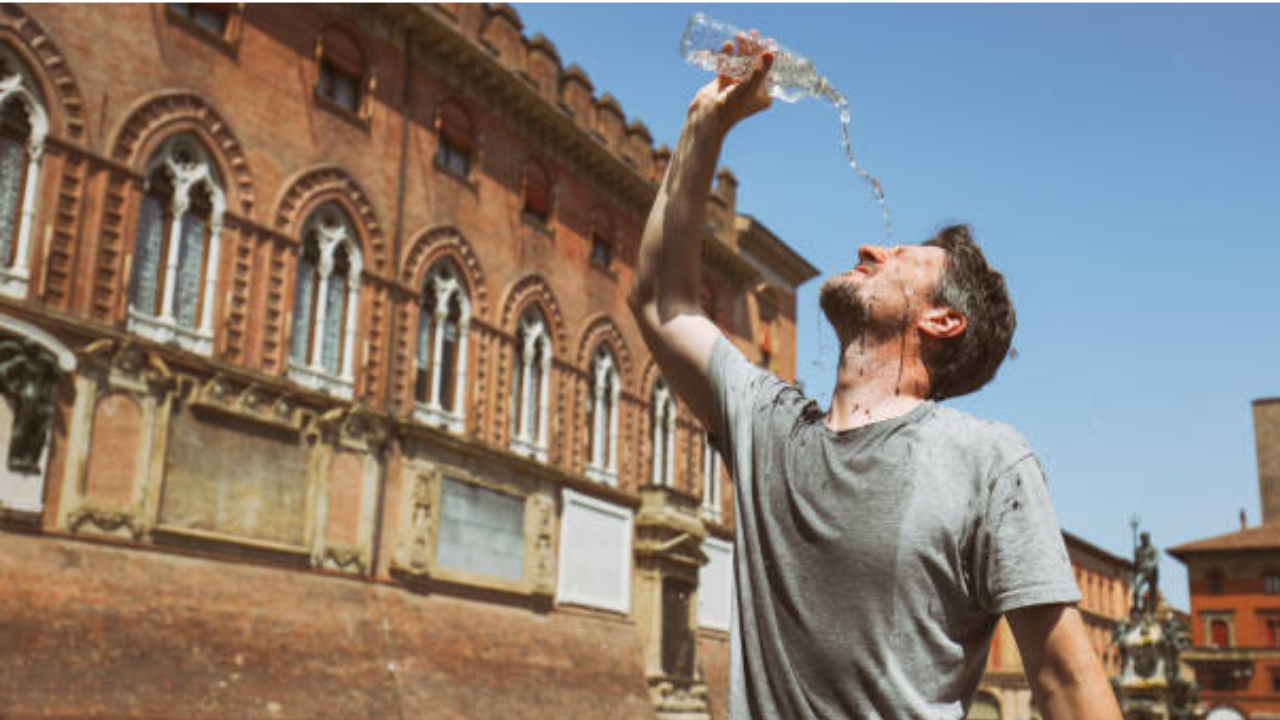
Heat wave-related illnesses encompass a range of conditions caused by prolonged exposure to high temperatures. Heat exhaustion is characterized by symptoms such as heavy sweating, weakness, nausea, and fainting. Heatstroke is a more severe condition, marked by a dangerously high body temperature, altered mental state, and potential organ damage. Dehydration, heat cramps, and heat rash are also common heat wave-related ailments. Vulnerable populations, including the elderly, young children, and those with certain medical conditions, are at higher risk. Prevention strategies such as staying hydrated, seeking shade, and avoiding strenuous activity during peak heat can mitigate the risk of heat-related illnesses.
As per the National Disaster Management Authority (NDMA), to minimise the impact of heatwave avoid going out in the sun between 12pm and 3pm. Other guidelines that can help cut down the impact of heatwave are:
Drink sufficient water and as often as possible, even if not thirstyWear lightweight, light-colored, loose, and porous cotton clothes. Use protective goggles, umbrella/hat, shoes or chappals while going out in sun.Avoid strenuous activities when the outside temperature is highWhile traveling, carry water with you.Avoid alcohol, tea, coffee, and carbonated soft drinks, which dehydrate the body.Avoid high-protein food and do not eat stale food.If you work outside, use a hat or an umbrella, and also use a damp cloth on your head, neck, face, and limbsDo not leave children or pets in parked vehiclesIf you feel faint or ill, see a doctor immediately.Use ORS, homemade drinks like lassi, torani (rice water), lemon water, buttermilk, etc. which helps to re-hydrate the body.Keep animals in shade and give them plenty of water to drink.Keep your home cool, use curtains, shutters or sunshade and open windows at night.Use fans, damp clothing and take bath in cold water frequently.