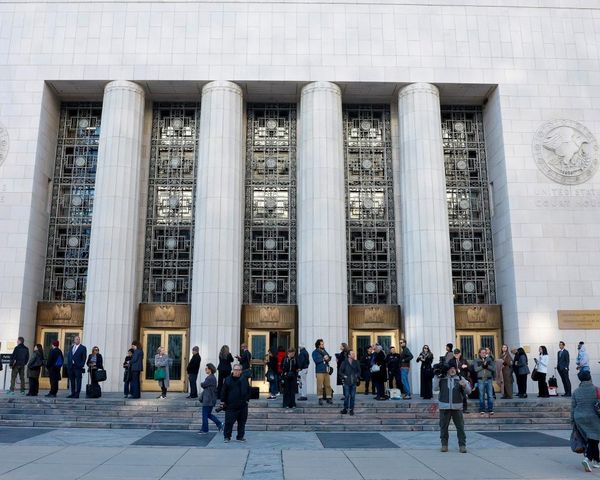
As many as 6,000 teachers brought central London to a standstill yesterday, marching at the start of a one day strike which was the first industrial action over cost of living allowances in the capital for 30 years. An estimated half a million youngsters were unable to attend school as nearly 800 schools in inner London and the home counties were fully or partly closed.
But the walkout by members of the National Union of Teachers was strongly criticised by ministers and head teachers as likely to damage children's education in the run-up to exams. The education secretary, Estelle Morris - herself a former teacher and a NUT member - warned in the Commons: "We will be tough on strike action because that should not happen. Striking will achieve nothing but damage to pupils, parents and teachers themselves."
Labour had increased the salaries of London teachers by 63% since 1997, she added.
The one day strike by members of the largest classroom teaching union was in protest against government plans to increase the London allowances by 3.5% from next month, in line with the teachers' pay award. Strikers yesterday said that last year the London allowance for police officers was doubled to £6,000, although the NUT has demanded a 33%, boost to take the inner London payment to £4,000. Free travel and help with high London costs are also being demanded.
The NUT general secretary, Doug McAvoy, said the punitive costs of living in London were driving teachers from the capital at a time of acute shortages and did not rule out further walkouts if the government refused to discuss raising the allowances: "We will have to wait and see but that will only be a last resort. If the government refuses to talk, I cannot rule out the possibility."
In the meantime, he said, the NUT would be working with parents, school governors, employers and politicians who were "sympathetic" to its cam paign to try to persuade the government not to duck the issue for another year.
It also emerged that Unison, which has the largest number of members in education, is balloting on cost of living allowances. Its membership includes thousands of non-teaching staff who have long complained of their poor pay.
And the education minister, Margaret Hodge, is expected to warn head teachers in a speech to the Secondary Heads Association annual conference in Bournemouth today not to take industrial action. Members of the traditionally moderate SHA and the National Association of Head Teachers are threatening to boycott the work needed to assess performance related pay for their staff.
In the Commons yesterday, the shadow education secretary, Damian Green, told Ms Morris: "You are the first education secretary since state education was introduced in 1870 to unite head teachers to threaten industrial action."
· School league tables are unfair to comprehensive schools and have led to the narrowing of pupils' educational experience, state and independent headteachers say in a rare joint statement today, writes Will Woodward.
The Headmasters' and Headmistresses Conference, which represents independent school leaders, and the Secondary Heads Association call on the government to scrap the annual publication of performance tables.