The Government likes talking about the jobs it has created over the past five years. They can wax lyrical about the 1.8m net jobs created in the past five years.
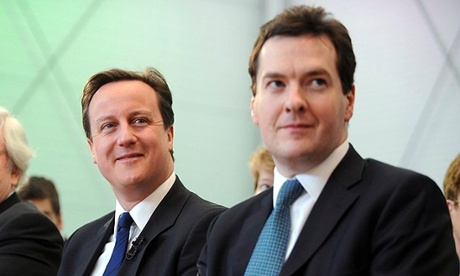
Perhaps unsurprisingly, the Conservatives are a bit more reticent about the UK’s abysmal productivity record on their watch. Like the record balance of payments deficit, the fact that Britain appears to be going backwards in terms of economic effectiveness is not something David Cameron and George Osborne wish to dwell upon.
In reality, the government’s employment and productivity record are the two sides of the same coin. The economy could have had a better productivity record since 2010 but only if fewer people had been employed. Why? Because productivity is a measure of national output divided in one of two ways: by the number of people employed or by the amount those people produce per hour.
Output per hour worked is the better measure. Judged by this yardstick, productivity in the UK is 27-31% below that in Germany, France and the US. The gap with the rest of the G7 is 17 percentage points – the widest since 1992. Only Japan among the leading western industrial nations has a worse record.
Britain’s recent economic record explains why the productivity gap has opened up. In previous recessions, there has tended to be a big shake-out in the labour market, followed by a strong recovery in output, accompanied by rapid investment growth as businesses become more optimistic about their future prospects. Employment growth has lagged the pick-up in output growth, with the result that each worker produces more per hour. Productivity rose sharply.
This time it’s been different. The UK did not have the traditional V-shaped recession. It had a big plunge in output followed by a recovery aborted shortly after the coalition came to power. The economy then moved sideways for two years.
Another unusual feature was that the loss of jobs was much smaller than in previous recessions, though. Firms held onto workers who proved willing to take pay cuts to avoid joining the dole queue. There was no surge in investment and no need for one because companies had access to a massive reserve army of cheap labour. Why invest in expensive kit when you can pick up workers on zero-hours contracts?
For years, the Bank of England has been predicting that Britain’s productivity performance will improve. It assumed that once the problems of the banks were sorted out, capital would start to flow to firms that wanted to invest. It assumed that as unemployment fell, companies would stop hiring and get each worker to produce more output. Neither has happened and after seven years the explanations are starting to look a bit unconvincing.
Productivity matters because living standards can only rise when we get better at doing things. In the past, we have tended to get about 2% or so better at doing things each year. For the past seven years, there has been no productivity growth and we are a poorer nation as a result.
.jpg?w=600)