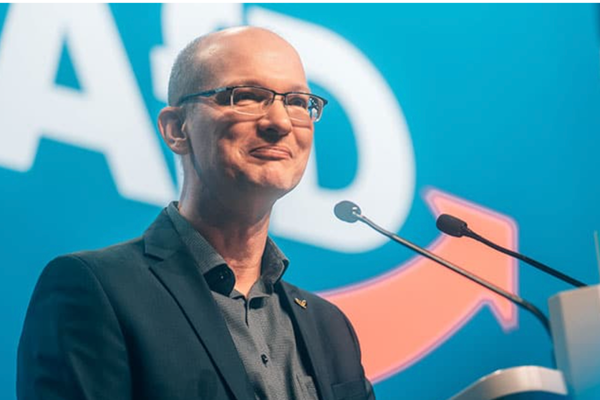
Larian Studios, the developer behind award-winning Divinity: Original Sin 1 and 2, 2023’s Game of the Year Baldur’s Gate 3, and the newly announced Divinity, is under considerable heat after the founder, CEO, and the studio head, Swen Vincke, made comments about the usage of generative AI in development.
These comments were printed in a Bloomberg report by Jason Schreier about Larian’s next game, Divinity. There, Vincke said the studio has been “pushing hard” on generative AI, even though no major efficiency gains were found.
Generative AI in Larian’s concept art?
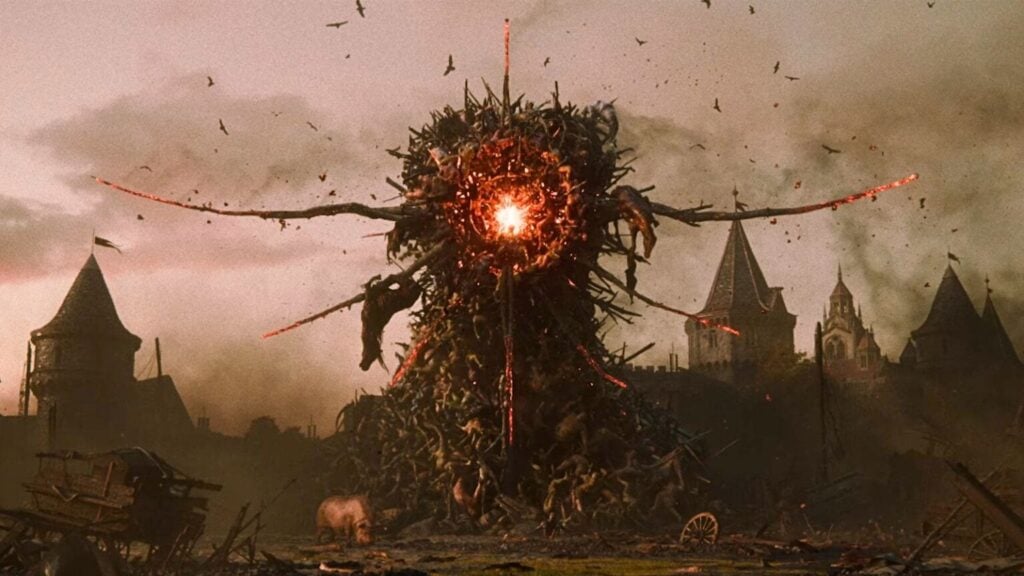
The report described AI being used for internal work like exploring ideas, polishing presentations, placeholder text, and concept art experimentation, while also stressing that finished, player-facing content wouldn’t be AI-generated.
The quotes immediately garnered backlash from the players and industry professionals who see generative AI being fundamentally tied to unethical art scraping, job loss, and environmental issues, regardless of how “limited” the studio says its use is.
Vincke quickly wrote a follow-up post on X, where he rejected the “pushing hard” framing and insisted Larian isn’t using AI to replace concept artists. He said the studio has 72 artists, including 23 concept artists, and that Larian is hiring more, and AI tools are used more like reference gathering and rough ideation that gets replaced by original work.
Larian’s publishing lead Michael Douse also spoke on the topic, commenting that people were simply out for blood without any nuance. People, however, pointed out his inconsistent stance: not even a year ago, he was outspoken against AI in no uncertain terms, yet now he is defending the decisions.
Industry criticism
Not everyone accepted the clarification from Vincke. Some of the sharpest criticism came from people with ties to the studio. Former Larian dev Selena Tobin posted on Bluesky condemning the direction, including one message that said they “loved working at Larian until AI,” urging the studio to reconsider.
Acclaimed concept artist RJ Palmer also weighed in with his opinion, claiming that if AI is used in the ideation process, it’s deceptive to say that the finished process includes no AI.
Additionally, Vincke issued a more buttoned-up clarification to IGN:
We’ve been continuously increasing our pool of concept artists , writers and story-tellers, are actively putting together writer rooms, casting and recording performances from actors and hiring translators.
Since concept art is being called out explicitly – we have 23 concept artists and have job openings for more. These artists are creating concept art day in day out for ideation and production use.
Everything we do is incremental and aimed at having people spend more time creating.
Any ML tool used well is additive to a creative team or individual’s workflow, not a replacement for their skill or craft.
We are researching and understanding the cutting edge of ML as a toolset for creatives to use and see how it can make their day-to-day lives easier, which will let us make better games.
We are neither releasing a game with any AI components, nor are we looking at trimming down teams to replace them with AI.
While I understand it’s a subject that invokes a lot of emotion, it’s something we are constantly discussing internally through the lens of making everyone’s working day better, not worse.
Seeing the chaos that ensued after his Bloomberg report, Jason Schreier decided to post the expanded transcript from the interview, which many said painted Vincke in a worse light than it seemed initially.
Industry support
But among all the criticism, some fellow developers and industry professionals came to Vincke’s defense. Daniel Vávra, the game director of the Kingdom Come: Deliverance series, said that the anti-AI sentiment was akin to the hysteria against the steam engines in the 19th century, claiming that the genie was already out of the bottle and almost everyone already uses AI in some capacity.
Almost identical claims were made by Tim Soret, the developer of The Last Night, which premiered at E3 2017 but still hasn’t been released.
You’re becoming ridiculous.
Yes Gen AI is becoming part of the creative process in every ambitious studio. Not to replace talents, but to augment them! Many intermediary steps between ideation & final asset can be accelerated this way.
The ability to generate custom-made references, to quickly explore dozens of variations, to create high quality placeholders, it’s invaluable.
This way humans can focus on their true value: taste, curation, and final asset creation when every detail matter.
You’ll get higher quality / more interesting games, and less stressed teams thanks to these new tools.
Vincke’s stance seems to be corroborated by many game development companies, even if they don’t admit it outright. Sandfall Interactive’s Clair Obscur: Expedition 33, which just won Game of the Year at The Game Awards 2025, has had AI-generated art shipped into the release version. This has already been rectified, and the fallout was nowhere near as big, but Sandfall also never positioned itself as the “good guy” AAA-adjacent studio and being player-first, creativity-forward, and anti-corporate nonsense. It’s no wonder that both players and developers alike felt betrayed after that famous speech Swen Vincke gave at last year’s TGA.