Gorilla bean harvest in the Democratic Republic of the Congo – in pictures
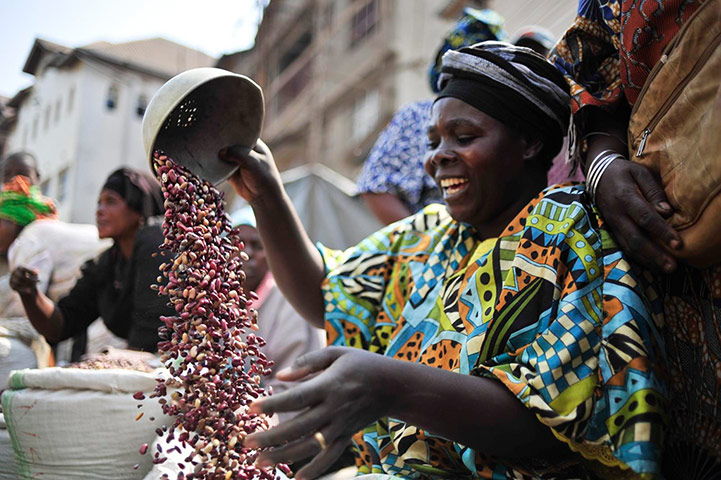
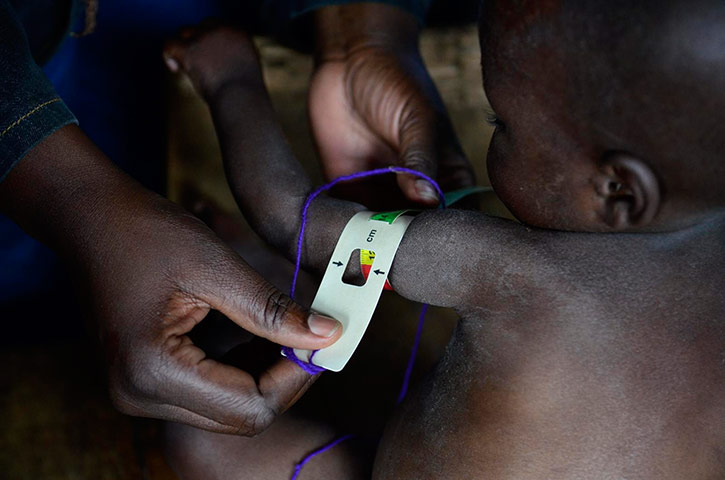
A gorilla bean vendor at a market in Bukavu, South Kivu province. Pulses, a vital source of protein and other essential nutrients, are one of the most popular food groups in many parts of Africa. They are being used by HarvestPlus, a joint venture between the International Centre for Tropical Agriculture (CIAT) and the International Food Policy Research Institute, in its fight against global micronutrient malnutritionPhotograph: Neil Palmer for HarvestPlus/CIATGorilla beans have been bred by research scientists in DRC, neighbouring Rwanda, and by CIAT in ColombiaPhotograph: Neil Palmer for HarvestPlus/CIATAn infant’s health is monitored at a nutrition centre in Katana village, South Kivu. Malnutrition is widespread in DRC and more than 70% of children are anaemic (pdf)Photograph: Neil Palmer for HarvestPlus/CIAT
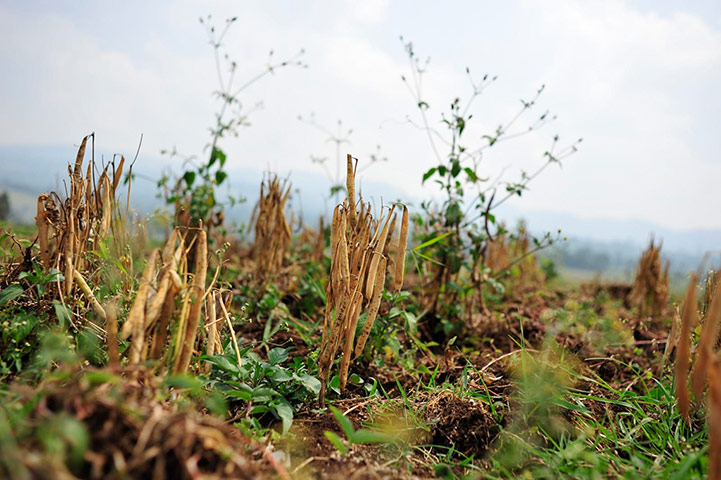
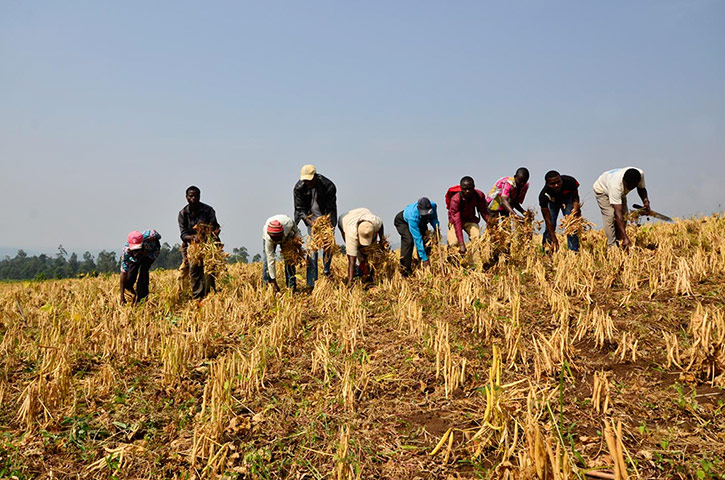
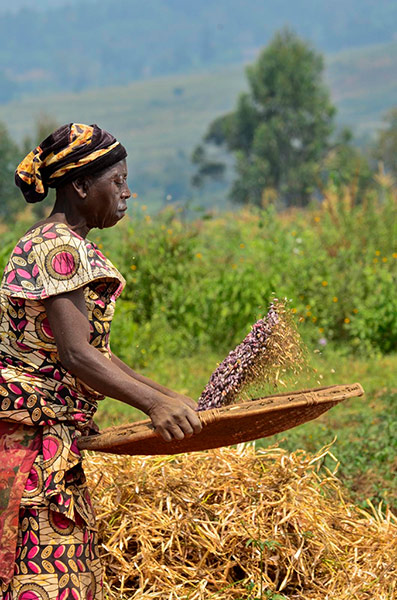
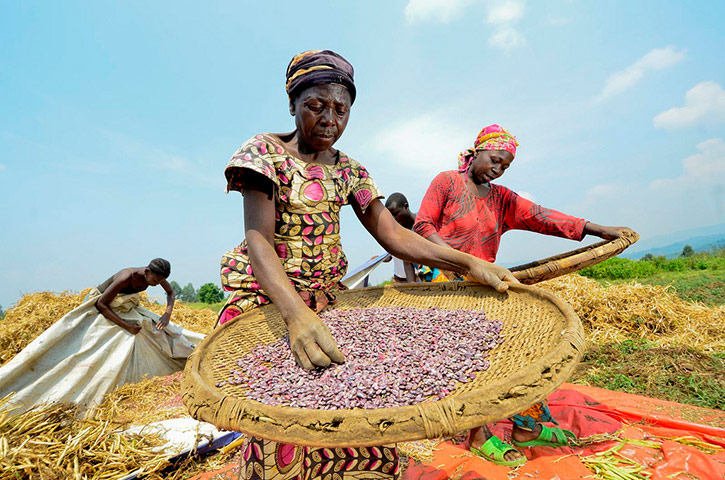
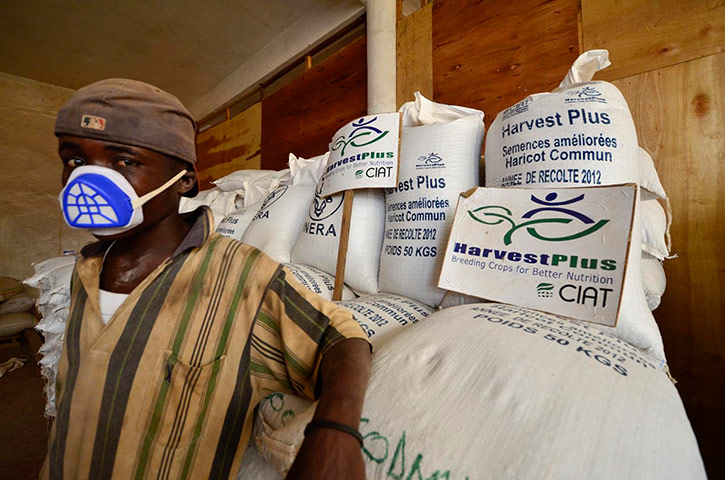
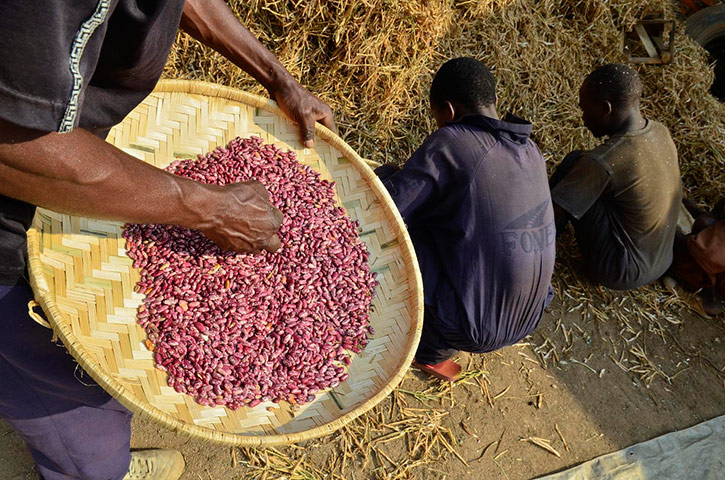
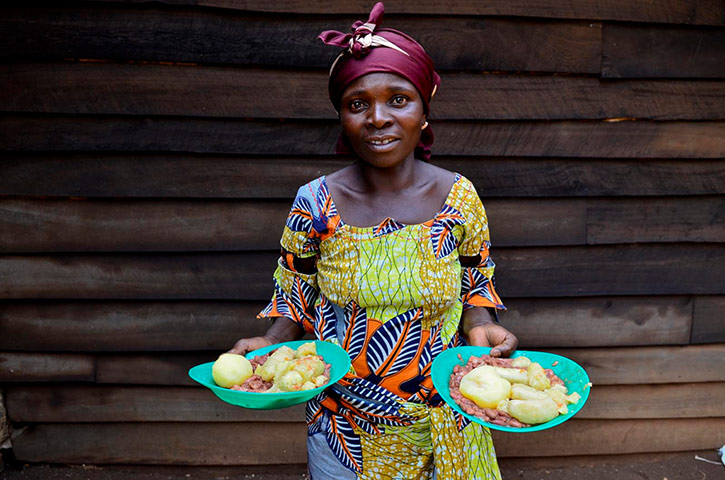
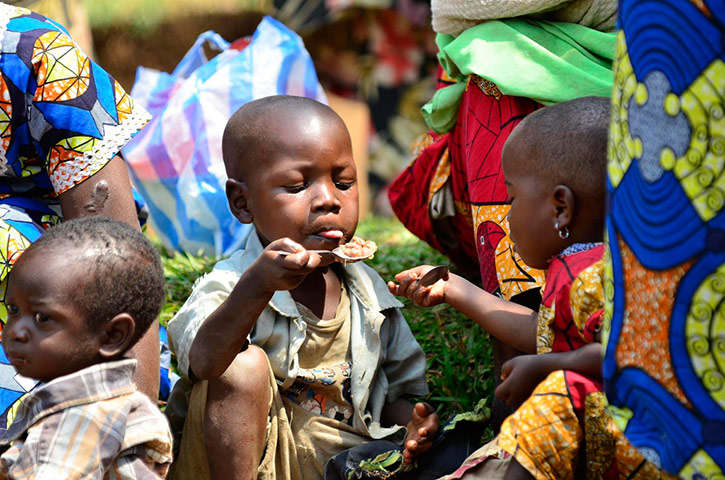
Iron-rich gorilla beans flourish in a field in South Kivu. The name comes from the beans' greater resistance to disease, drought, heat and heavy rainPhotograph: Neil Palmer for HarvestPlus/CIATHarvesters in Mulungu, South Kivu, sweep a gorilla-bean trial site. The men collect mature sun-dried pods, which will then be sold to smallholder farmers to plant at homePhotograph: Neil Palmer for HarvestPlus/CIATA worker at a seed multiplication site in Kashusha, South Kivu, winnows the harvest to remove soil and debrisPhotograph: Neil Palmer for HarvestPlus/CIATWomen remove contaminants including stray seeds from other varietiesPhotograph: Neil Palmer for HarvestPlus/CIATSacks of gorilla beans at a storage facility in Bukavu, ready for distribution to markets in eastern DRC. For those smallholder farmers unable to afford the beans, HarvestPlus operates a payback scheme, where farmers are given 1kg of free seed in exchange for 1.5kg when they harvest months later. After setting aside enough to feed their families, farmers can plant or sell the surplus, which can sometimes be substantialPhotograph: Neil Palmer for HarvestPlus/CIATHarvestPlus hopes gorilla beans alone could eventually provide rural families with almost two-thirds of the recommended daily intake of iron. Lack of iron impairs mental development and learning capacity in children and adults, reducing their ability to work; severe anaemia can increase the risk of women developing complications during childbirthPhotograph: Neil Palmer for HarvestPlus/CIATGorilla beans served with boiled potatoes and plantains for mothers and toddlers at the Katana village nutrition centrePhotograph: Neil Palmer for HarvestPlus/CIATChildren eat a meal of gorilla beans. The pulses, which have proved popular in DRC, are being disseminated in Rwanda and Uganda. HarvestPlus expects that more than 8 million people in DRC and Rwanda will be growing and consuming the beans by 2018Photograph: Neil Palmer for HarvestPlus/CIAT
Sign up to read this article
Read news from 100's of titles, curated specifically for you.