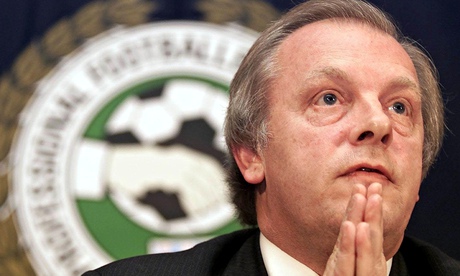
How much is Gordon Taylor paid? Last year he received a pay and benefits package of £3,368,653, made up of his salary of £2,932,615, £31,626 in benefits, and £404,412 in national insurance contributions. In 2013 he received a salary of £1,132,615, NI contributions of £233,775 and benefits of £34,769.
How does this compare with Premier League chief executives, Premier League footballers and other trade union leaders? According to Forbes the best-paid Premier League player is Wayne Rooney, who they estimate received a salary and bonuses last year totalling £12.75m. The average English top-flight player, however, received a comparatively meagre £2.2m in 2014, with players in the Championship averaging £500,000.
Not every Premier League club specifies the salary paid to their chief executives but in the year to June 2014 Tottenham paid their chairman, Daniel Levy, £2.17m, and Arsenal paid their chief executive, Ivan Gazidis, £2.19m. Others are paid considerably less: the highest-paid director at Everton gets £350,000 and at West Ham £636,000.
In 2001 Taylor’s salary was £319,671, and he received benefits totalling £138,699, making his total package five and a half times the £84,000 received by John Edmonds, then leader of the GMB union. By 2014 the salary paid to the GMB’s general secretary, now Paul Kenny, had risen to £121,000 – and Taylor package is 27.84 times greater.
Where does the money come from? The PFA has always received money from their members’ annual subscriptions and from the 1950s they have also received a percentage of Football League (and now Premier League) television income – originally 7%, rising to 10% in the 70s. When Premier League television deals started to generate large incomes, club chairmen moved to reduce this payment, and in 2001, after the agreement of a £550m-a-year TV package, they offered the PFA 1.5%, or £8.25m. This led to the threat of strike action, with Taylor complaining: “The Premier League wants to destroy the union. They are trying to wipe out the PFA because they don’t want any control over what they do.” The union finally accepted an offer of £17.5m a year. Their latest accounts show income of £534,180 from members’ subscriptions and television fees of £20,808,537, with total income of £22,525,121.
How long has he worked for the PFA? Taylor was first elected chairman in 1978, when he was a 33-year-old winger playing for Bury. He became assistant secretary following his retirement in 1980, and secretary the following year. Having been described by the Times in 1985 as “undoubtedly the most impressive administrator and negotiator in football” he was invited to apply to succeed Graham Kelly as chairman of the Football League three years later. Instead he decided to stay at the PFA after his salary was increased, again according to the Times, “to a level equivalent to the game’s other leading administrators”. That report added that “neither did he request nor does he require greater financial benefits to prolong his contribution” to the union.
How does Taylor justify his salary? In 2001 Taylor insisted that criticism of his pay was “archaic and insulting”. “I don’t see why I have to defend it. It is decided by the players as a salary for their union leader,” he said. In 2010 – when he received £1,143,464 – he insisted: “Why is it a problem if you get a good salary because you are a trade union leader as opposed to a captain of industry? Mine pales into insignificance compared to the bankers’.”
In 2014, Ross McEwan, the chief executive of the Royal Bank of Scotland, was paid £2.7m.
Is this the first time Taylor has been the centre of controversy? Throughout his leadership he has been criticised for defending players in public even for serious indiscretions. In doing so, earlier this year he controversially compared the convicted rapist Ched Evans with those who died at Hillsborough, saying they were an example of “person or persons to be found guilty and maintain their innocence and then been proved right”. He subsequently apologised.
His salary has been considered excessive for many years, with the then Birmingham City chairman, David Gold – now joint chairman of West Ham – accusing him in 2002 of “building a mausoleum to greed”. “This cash is coming from television monies awarded to the clubs which should be used to pay our players,” said Gold. “Instead a percentage is going to the union who then hand themselves big pay increases. It’s scandalous.”
In 2013 it was reported that he had run up a gambling debt of more than £100,000, after which his deputy, Bobby Barnes, insisted: “Gordon Taylor has done a tremendous job for football and footballers over the last 30 years.”
Have the PFA been accused of overspending before? In 1999 they controversially bought LS Lowry’s Going to the Match at Sotheby’s for £1,926,500, nearly four times a top estimate of £500,000. “We are trying to build up a collection of memorabilia – caps, medals, jerseys – and good football pictures,” Taylor explained. Ken Bates, then Chelsea chairman, raged: “If they can afford a £2m Lowry painting why do they need any more money – if, indeed, anything at all?”
Unrepentant, last year the PFA bought Lowry’s preparatory sketch for the painting.
What has been the backlash? “It proves how ludicrous the money washing around in football now is, when the guy who is meant to be sticking up for players’ rights is on the sort of salary that a Premier League striker is earning,” said Nigel Adams, Conservative MP for Selby & Ainsty and a member of the culture, media and sport select committee. “It is an extraordinary salary for anyone, let alone the head of a union.”
• This article was amended on 29 July 2015. An earlier version stated that the highest-paid Everton director earned £604,000 a year. This has been corrected.