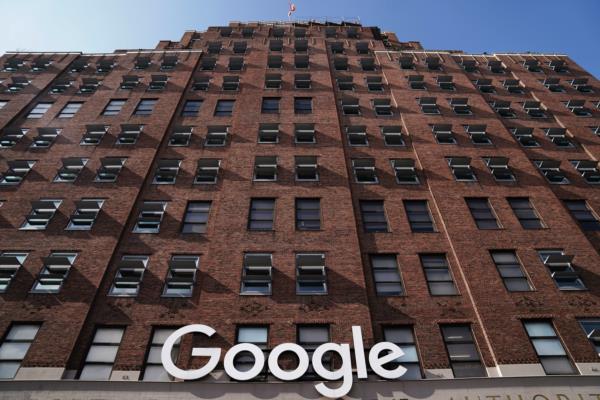
In a significant development in the tech industry, Google is set to face a high-profile antitrust trial in the United States over its digital advertising practices. The trial, scheduled for September, comes after years of scrutiny and investigation into the company's dominance in the online advertising market. The outcome of this trial could have far-reaching implications for the future of digital advertising and the tech giant's business practices.
The antitrust allegations against Google primarily focus on its control over the digital advertising ecosystem. The company, which operates the world's largest online advertising platform, has been accused of using its market power to stifle competition and maintain its dominant position. Critics argue that Google engages in unfair practices by favoring its own services and restricting access to rival platforms, ultimately limiting choices for advertisers and driving up costs.
The trial is the result of multiple investigations by state attorneys general across the United States, as well as an ongoing probe by the Department of Justice and the Federal Trade Commission. These investigations have been examining various aspects of Google's business operations, including its search engine practices and advertising technology.
At the heart of the trial is Google's control over the intricate digital advertising supply chain, from advertisers to publishers. The company's dominance extends beyond its search engine, as it also owns several other platforms and tools integral to the delivery of digital ads. Allegedly, Google has used its ownership of these platforms to establish a tight grip on the market, making it difficult for rivals to compete on a level playing field.
If the court rules against Google, the company could face major consequences, including financial penalties and potential changes to its business practices. This trial comes at a time when regulators around the world are increasingly scrutinizing tech giants and their market power. The outcome could serve as a precedent-setting case for future antitrust actions against other industry players.
For Google, the trial carries significant implications for its core business model. Digital advertising accounts for a substantial portion of the company's revenue, and any major disruption to its advertising practices could have a profound impact on its financial performance. Moreover, a ruling against Google may also embolden other advertisers and publishers to seek alternatives, potentially leading to a more competitive digital advertising landscape.
Google has consistently defended its practices, arguing that it operates in a highly competitive market and that its services benefit both advertisers and users. The company claims that its algorithms and technology enhance user experience and deliver relevant ads, while also providing advertisers with a wide range of targeting options.
As the trial date approaches, all eyes will be on the courtroom as both Google's legal team and the government prosecutors present their arguments. The tech giant will need to carefully navigate the proceedings to protect its interests and reputation. At the same time, regulators will aim to demonstrate the alleged anti-competitive behavior of the company and seek appropriate remedies if their allegations are proven in court.
The trial represents a crucial moment for the future of digital advertising and the tech industry as a whole. The outcome will shape the regulatory landscape and could pave the way for a more competitive and fair digital advertising market. As September draws near, the anticipation grows, and the fate of Google's digital advertising practices hangs in the balance.