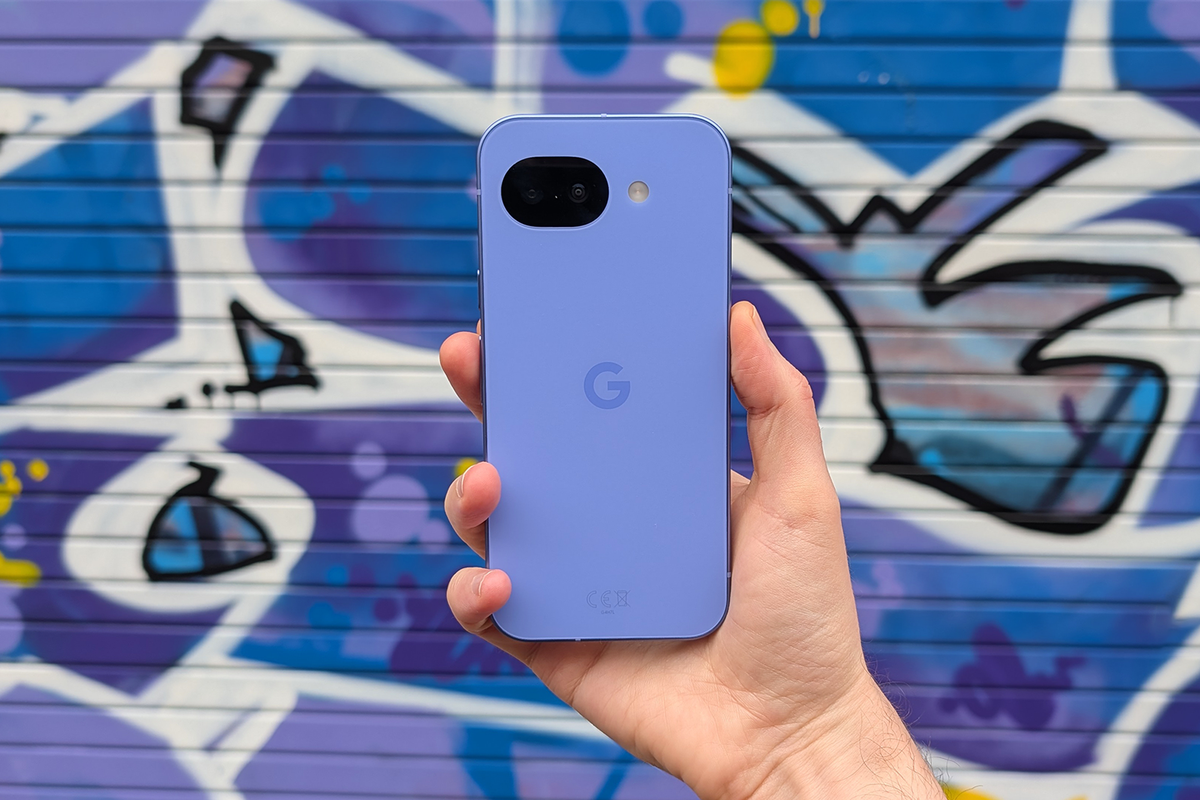
Let’s address the elephant in the room: the Google Pixel 10a is the most marginal annual smartphone update I’ve seen since I started reviewing smartphones. With Apple recently launching the iPhone 17e, it seems Google wanted to get its ducks in a row with a numbered update to its own budget handset. The result is a phone that, on paper and in the hand, is virtually indistinguishable from last year’s Pixel 9a.
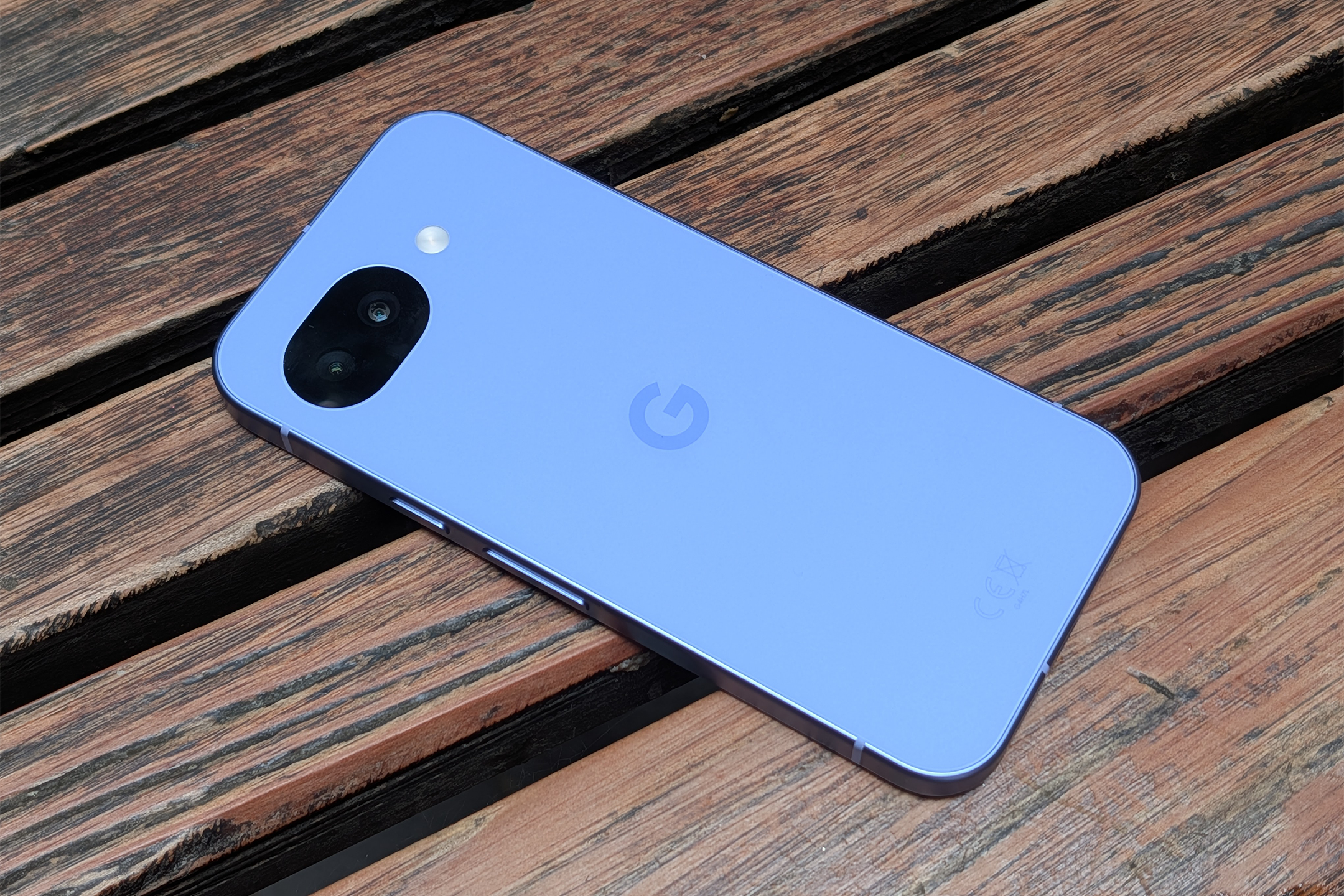
It runs on the same Tensor G4 processor, uses the exact same camera hardware and shares an almost-identical, flat-backed chassis – the camera island is now perfectly flush rather than poking out by less than a millimetre.
For a tech journalist looking for a shiny new angle, it gives me very little to talk about. But for the general consumer who hasn’t upgraded their phone in a few years, that year-to-year similarity really doesn’t matter. The Pixel 9a’s hardware specs were ahead of the mid-range curve in 2025, so the lack of physical upgrades to the Pixel 10a hasn’t crippled this phone’s appeal.
Read more: The best laptops in 2026, tested by experts
Just like every other tech company driving the world economy into Mad Max-scale oblivion, Google has been focusing its energy on artificial intelligence, deepening its Gemini AI integration on Pixel to create a device that’s smarter and more capable than ever.
Make no mistake, this is essentially a repackaged Pixel 9a with a slightly tougher screen and a brighter display. But whatever label Google slaps on the box, at £499, it remains one of the absolute best cheap phones you can buy.
How I tested
I’ve been using the Pixel 10a as my main phone for weeks to test its performance, camera and battery life under real-world conditions. That means juggling my usual apps, relying on the new Gemini AI features to organise my day, taking photos in varying lighting conditions, and seeing if the battery can survive heavy daily usage.
Pixel 10a
Screen size: 6.3in OLED (up to 120Hz)
Processor: Google Tensor G4
Cameras: 48MP main, 13MP ultrawide, 13MP selfie
Storage: 128GB / 256GB
RAM: 8GB
Battery: 5,100mAh
Why we love it
- Incredible value
- Class-leading camera software
- Great battery life
- Seven years of updates
Take note
- Identical hardware to last year
- No PixelSnap magnetic system
Design and display
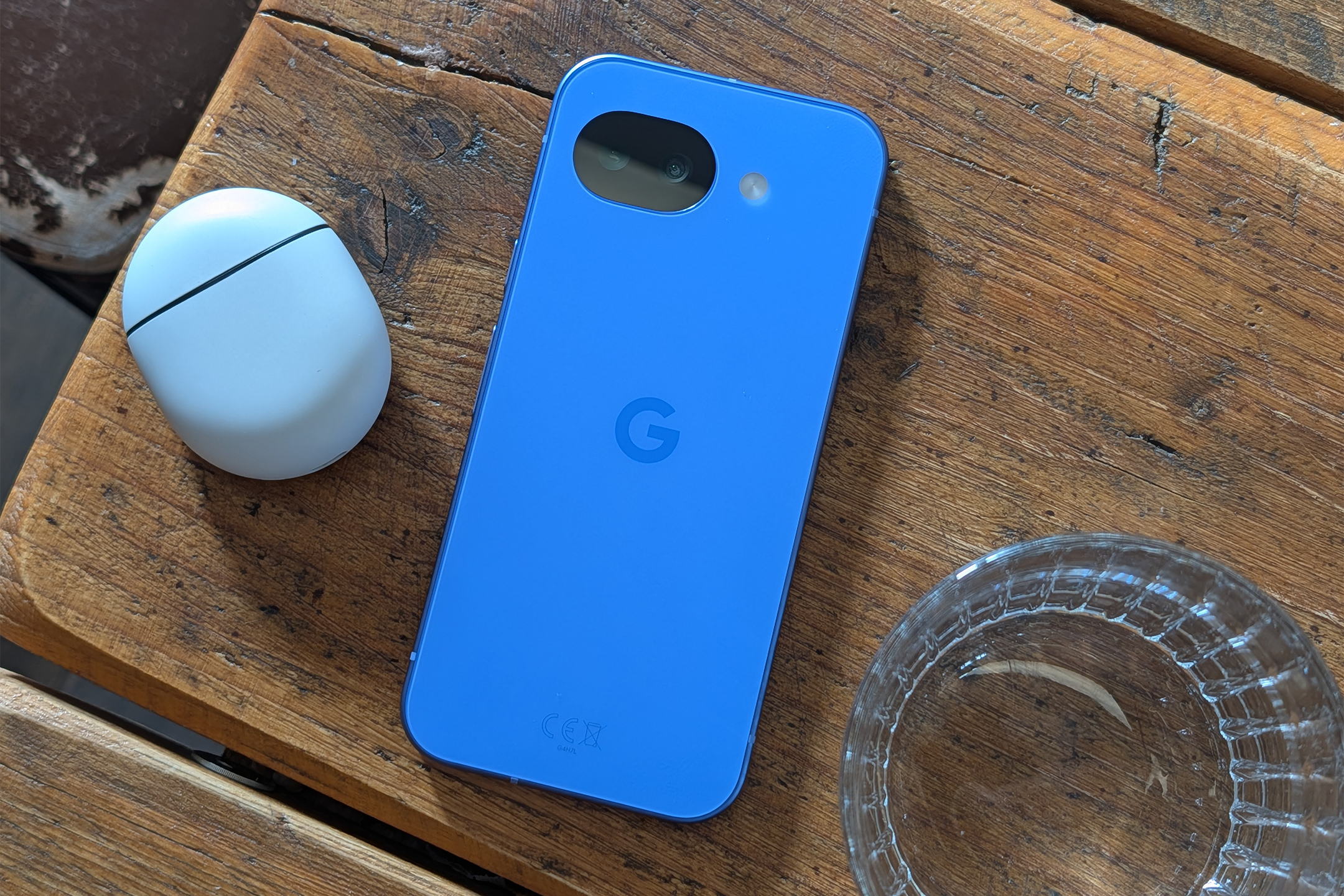
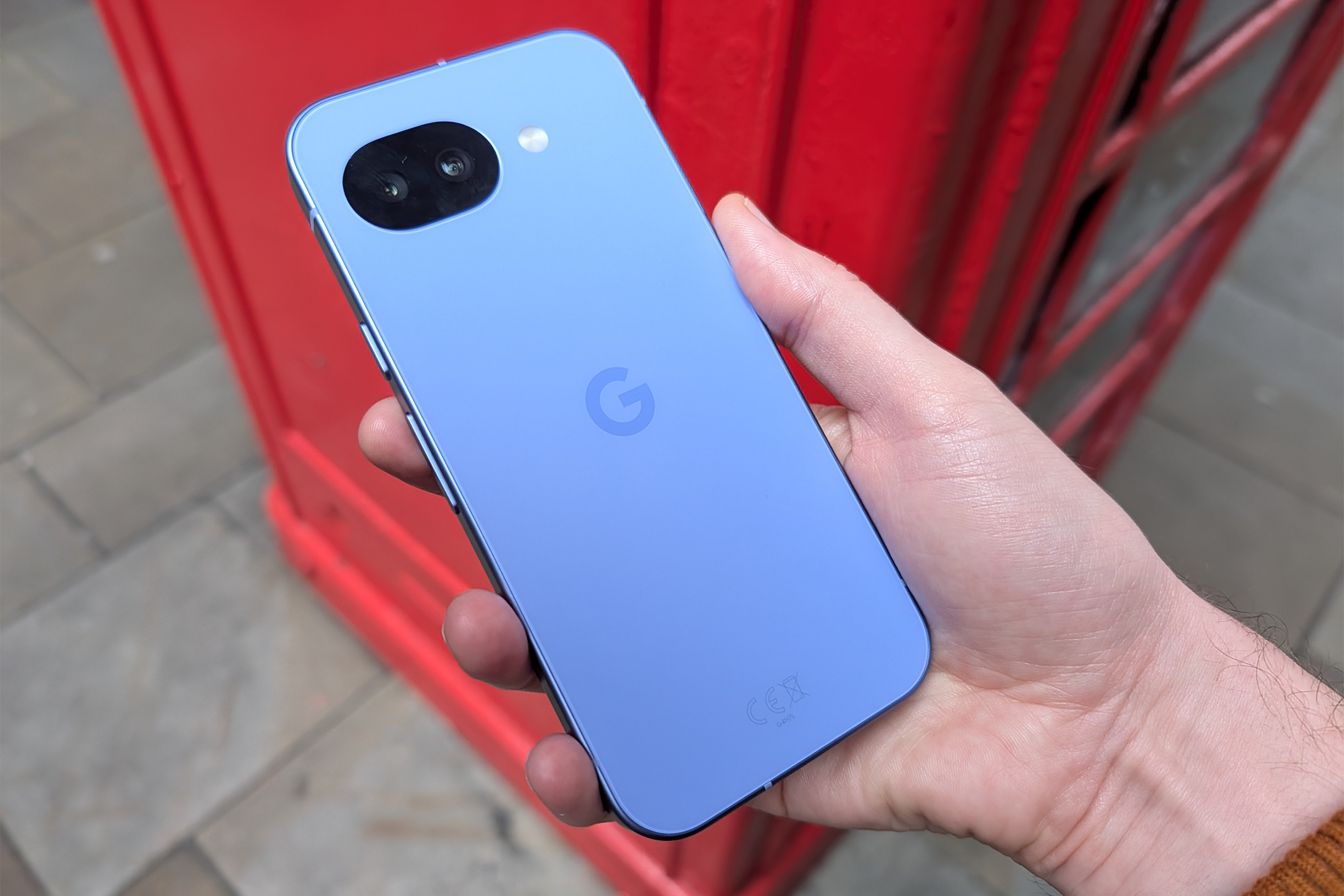
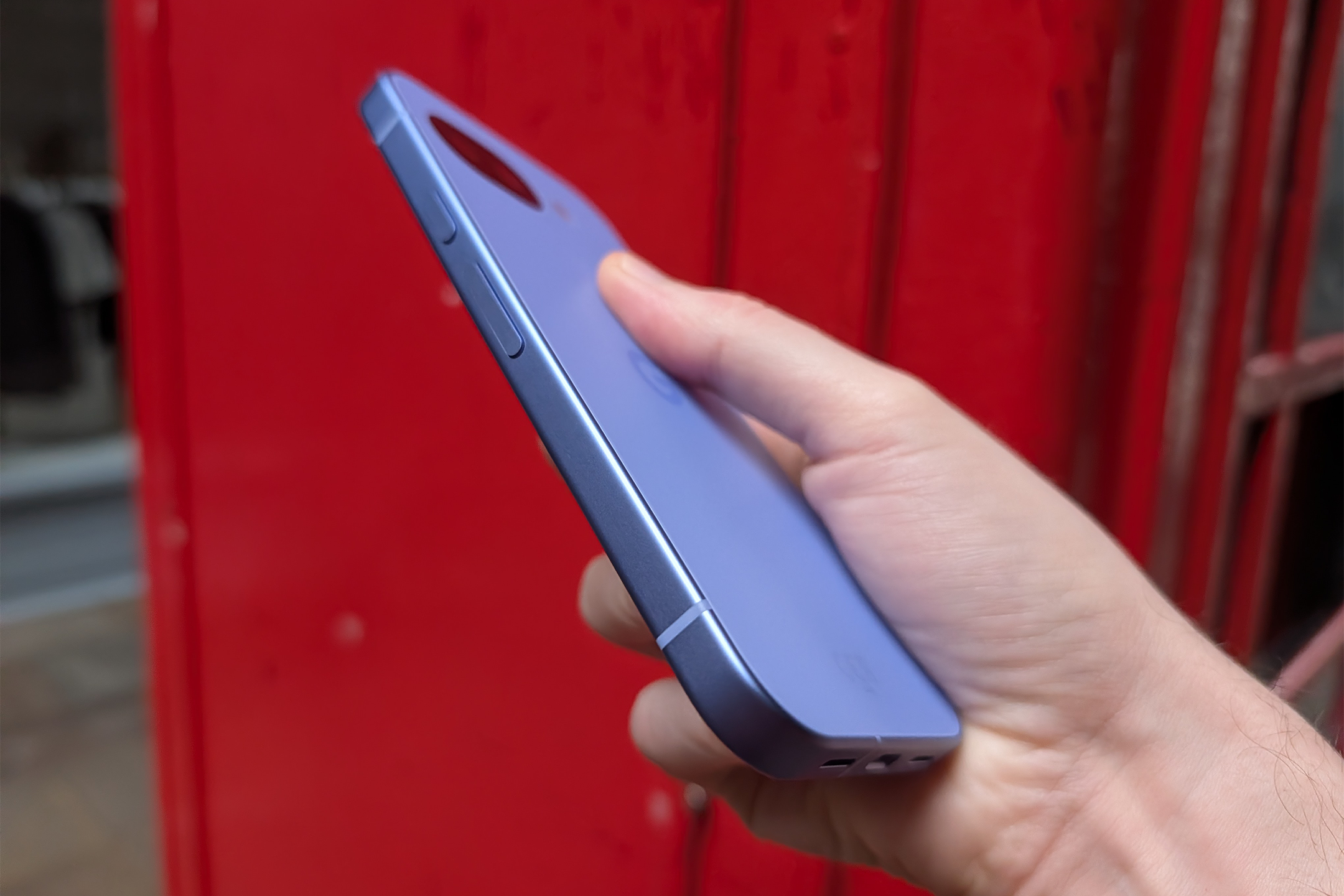
Top marks for the design of the Pixel 10a. It doesn’t attempt to look like its flagship siblings, instead ditching the iconic Pixel camera visor in favour of a perfectly flush back. Where the Pixel 9a had a slightly protruding camera bump, the Pixel 10a gets rid of that last half a millimetre to achieve complete flatness.
To keep the price down, the back panel is made from matte plastic rather than glass. It lacks the ultra-premium feel of the Pixel 10, but it still feels great in the hand and is far less likely to shatter if you drop it. The aluminium frame gives it a reassuring rigidity, and Google has upgraded the front display to Corning Gorilla Glass 7i for better scratch resistance. It also keeps its IP68 water and dust resistance rating, offering peace of mind against spills and pocket grot.
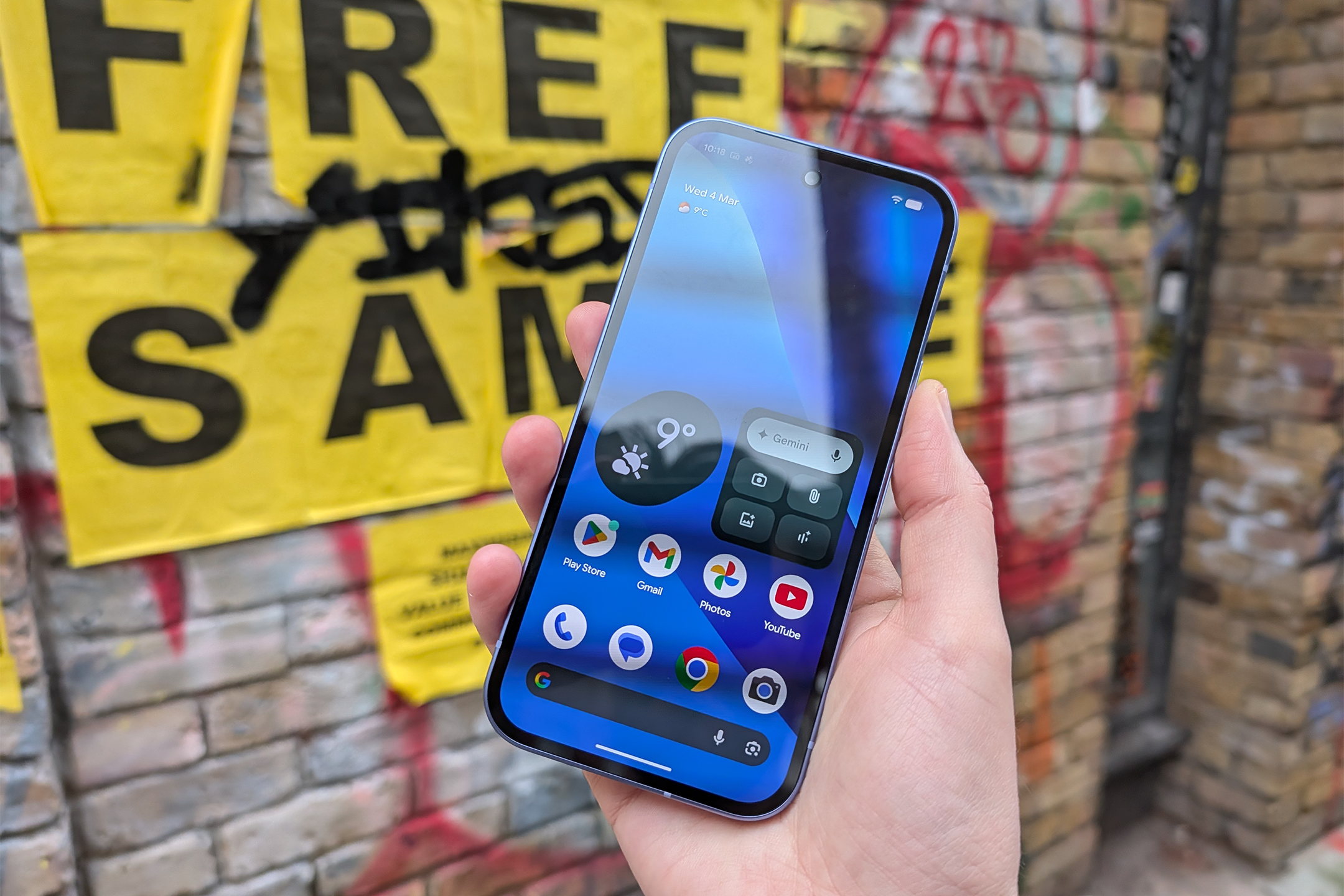
The 6.3in OLED display is excellent in this price range. While it still has the chunky bezels of the 9a – which take a day or two to get used to if you’re coming from an edge-to-edge flagship – the screen itself is sharp, vibrant and features a smooth 120Hz refresh rate that makes scrolling feel incredibly fluid.
Google has also boosted the peak brightness by 11 per cent (up to 3,000 nits), making it easier to read in direct sunlight. At UK latitudes, you’ll only notice this benefit at the absolute height of summer. It took me a trip to LA in August to realise why a phone’s high peak brightness makes any difference. An overcast day in Scunthorpe won’t touch the sides.
Performance and software
This is where the Pixel 10a breaks from tradition. Usually, the A-series gets the newest chip from the current flagships. This year, the Pixel 10a sticks with the Tensor G4 found in the Pixel 9 series, rather than upgrading to the new Tensor G5.
For a budget phone, the year-old chip really doesn’t matter. Unless you’re planning on a lot of mobile gaming – in which case a budget phone shouldn’t interest you – the Tensor G4 remains an everyday powerhouse. Performance feels snappy and apps open instantly.
The Pixel 10a launches with Android 16, and the updates since last year mark the biggest improvement to the Pixel experience. Gemini is now deeply woven into the operating system. The AI can pull contextual information from your screen, and Google has promised that the upcoming Gemini Agent – an on-device, multi-step AI that can carry out complex tasks across different apps for you – is arriving soon.
A bunch of Gemini features are locked into Google apps however, namely the AI’s ability to float relevant information from your inbox and calendar when using the stock Google Messages app. If like me you do all of your messaging in WhatsApp, you miss out on a huge chunk of the AI’s functionality.
Then there are the more boring, but important assurances: the Pixel 10a comes with seven years of guaranteed software, security, and OS updates. You could feasibly buy this £499 phone today and still be using it safely well into the 2030s.

Camera
So what are you giving up when you buy the Pixel 10a over the more expensive Pixel 10 or Pixel 10 Pro? You lose out mainly on the camera hardware. There’s no dedicated telephoto zoom lens here, just a 48MP main sensor and a 13MP ultrawide.
But because this is still a Pixel, the photography is excellent. Google’s image processing is industry-leading, constantly rescuing what should be mediocre shots without over-processing.
The Pixel 10a’s camera captures plenty of detail, dynamic range and punchy, accurate colours. You still get access to Google’s suite of AI editing tools too. ‘Add Me’ lets you seamlessly insert the photographer into group shots. New features like ‘Camera Coach’ offer real-time compositional advice and ‘Auto Best Take’ blends shots to ensure nobody is blinking when you press the shutter.
Battery life
What you lose in camera hardware, you gain in stamina. The Pixel 10a has a slightly thicker chassis than the flagship models, housing a hefty 5,100mAh battery. Combined with the power-efficient Tensor G4 chip, this gives the Pixel 10a better battery life than the premium Pixel phones. It comfortably breezed through a full day of heavy use in my testing, and less demanding users will easily stretch that to a day and a half.
Whereas the iPhone 17e has been treated to the luxury of MagSafe charging, there’s no such luck for the Pixel 10a. Google introduced its own MagSafe-compatible charging and accessory system with the main Pixel 10 range, but it hasn’t filtered down to the cheaper A-series. It’s the one physical upgrade that could have really set this phone apart from the Pixel 9a, so it’s sorely missed here.
Buy now £499, Amazon.co.uk
Is the Google Pixel 10a worth it?
The Pixel 10a is an exercise in “if it ain’t broke, don’t fix it”. To combat the fanfare of the new iPhone 17e, Google has essentially taken the brilliant Pixel 9a, hardened the glass, brightened the screen, shaved down the camera bump and pushed it out the door with a new number on the box.
If you already own a Pixel 9a, there’s no reason to upgrade – in fact, if you can find last year’s Pixel 9a on clearance, you should absolutely buy that over the Pixel 10a. Otherwise, if you’re coming from an older device and want a reliable, intelligent, speedy smartphone that takes great photos, has a chart-topping battery life and won't bankrupt you, the Pixel 10a remains the smartest purchase you can make.
How was the Pixel 10a tested?
To figure out if the Pixel 10a is worth the upgrade – or if you’re better off hunting for a cheap 9a – I swapped my SIM card into the new phone and used it as my daily driver for a full week. I pushed it beyond my usual TikTok scrolling to see how the older Tensor G4 chip handles modern demands, and how the deeper Gemini AI integration works in practice.
Why you can trust IndyBest reviews
Steve Hogarty is an award-winning tech journalist and former editor of PC Zone magazine. As The Independent’s tech critic, he has more than a decade of experience testing, reviewing, and reporting on the latest gadgets, from robot vacuums and electric toothbrushes to the best laptops and portable projectors. His phone reviews are designed to cut through the marketing jargon to measure real-world performance, while always keeping value for money at the forefront to help you work out which device is actually right for your budget.
Not convinced? Check out our round-up of the best phones of 2026