
A step in the right direction
The Google Pixel 10 Pro XL might not look too different than its predecessor, but there's a lot that's new under the hood. The new Tensor G5 chip, larger battery, brighter screen, and built-in magnets for Qi2 wireless charging makes it the best large Pixel yet.
Pros
- Pixelsnap Qi2 implementation is brilliant
- Access to all of Google's latest AI gadgets and apps
- Most AI features are processed on-device
- Excellent accessory ecosystem (first and third party)
- Notably improved gaming performance vs Pixel 6-9
Cons
- eSIM-only in the U.S.
- Forced battery throttling at 200 cycles
- Doesn't support the latest version of Vulkan
- Performance is less than half of Qualcomm's at times
- PWM rate is still bad
A safe bet
The Samsung Galaxy S25 Plus offers good value thanks to a crisp and eye-friendly display, slim and light design, and very quick charging. The unimpressive cameras and slightly boring design are its only real drawbacks.
Pros
- Navy is a standout color
- Snapdragon chip is powerful and efficient
- One UI 7 is a welcome update
- Stays cool while gaming
- All-day battery with Qi2 support
- Decent cameras with Log video for creators
- AI features are cool and work well
Cons
- Lacks magnetic Qi2 support
- Not much in the way of hardware upgrades
- Most colors are dull
The Pixel 10 series might not look too different than its predecessors, but there are a lot of changes under the hood. The Google Pixel 10 Pro XL is once again the largest flagship Pixel, competing directly with Samsung's plus-sized model.
The Samsung Galaxy S25 Plus has a lot going for it, like a powerful processor, a versatile rear camera system, and a large and bright display, making it one of the best Android phones on the market. The Pixel 10 Pro XL is a bit pricier than the Galaxy, but still in the same ballpark range, which makes for an exciting plus-sized battle.
Between the Pixel 10 Pro XL vs. Galaxy S25 Plus, which flagship deserves room in your pocket?
Google Pixel 10 Pro XL vs. Samsung Galaxy S25 Plus: Pricing and availability
The Google Pixel 10 Pro XL launched at $1,199, but it's now officially down to $899 thanks to various deals. Thankfully, the base 128GB storage variant has been scrapped in favor of 256GB. The 512GB variant is available at $1,019, and the 1TB variant costs $1,249. Of course, you can probably find the 10 Pro XL at even lower prices during sales.
The Samsung Galaxy S25 Plus now starts at $849.99 for 256GB of storage, and $969.99 for 512GB. There's no 1TB storage variant here like you'll get with the Pixel. The S25 Plus has been in the market for nearly a year, which means it's easier to find a good deal for it during sales or even in general. Samsung has Google beat on the pricing front, at least for now.
Google Pixel 10 Pro XL vs. Samsung Galaxy S25 Plus: Design and display
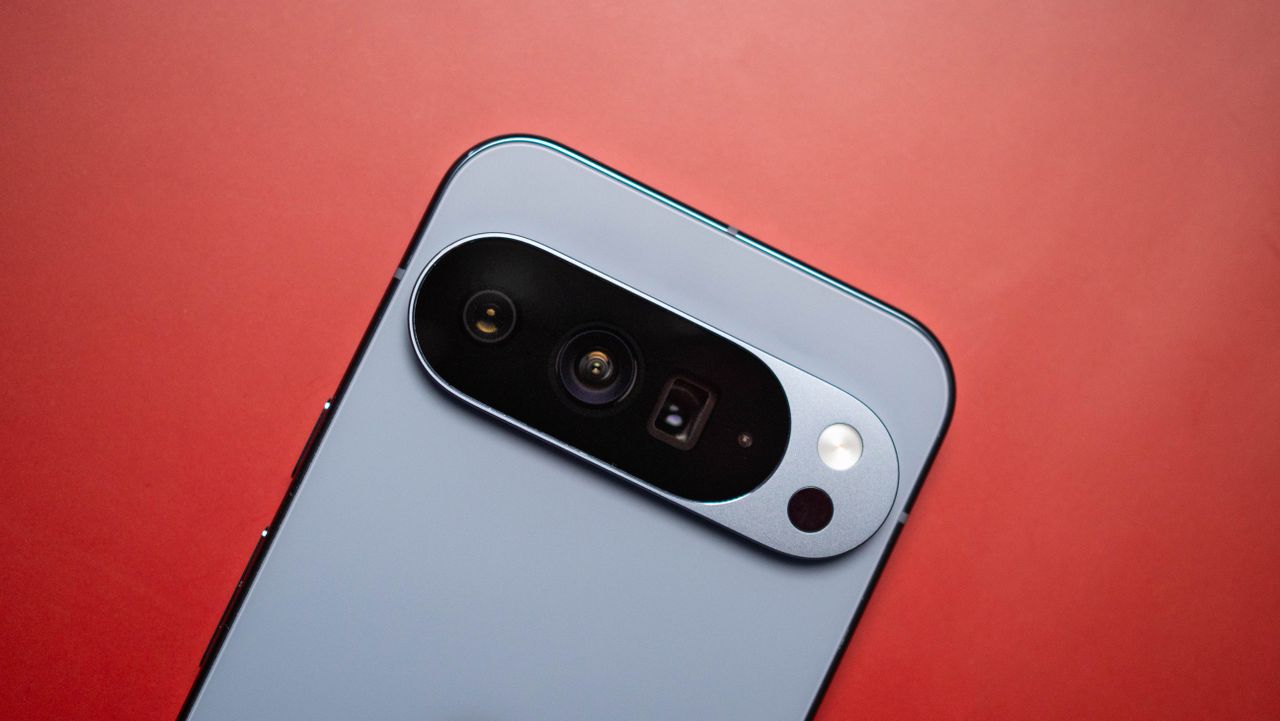
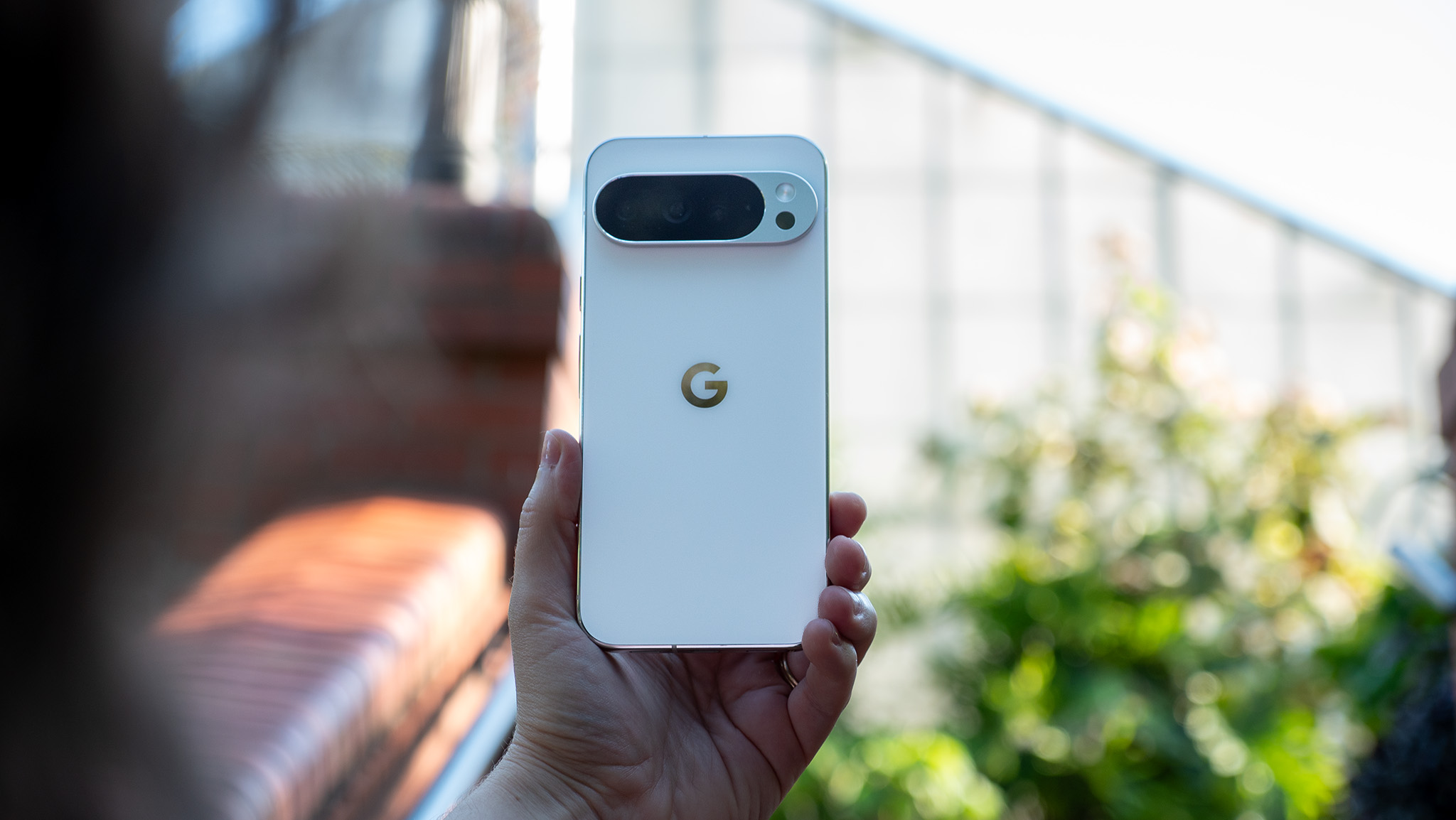
The Pixel 10 Pro XL looks virtually identical to the Pixel 9 Pro XL. If you compare them side by side, you'll probably notice a few differences, such as the larger camera cutouts on the back and the new polished finish on the side rails. What you'll also notice is the weight, which has actually gone up to 232 grams from 221 grams. This makes the 10 Pro XL way heavier than the 190 grams of the S25 Plus.
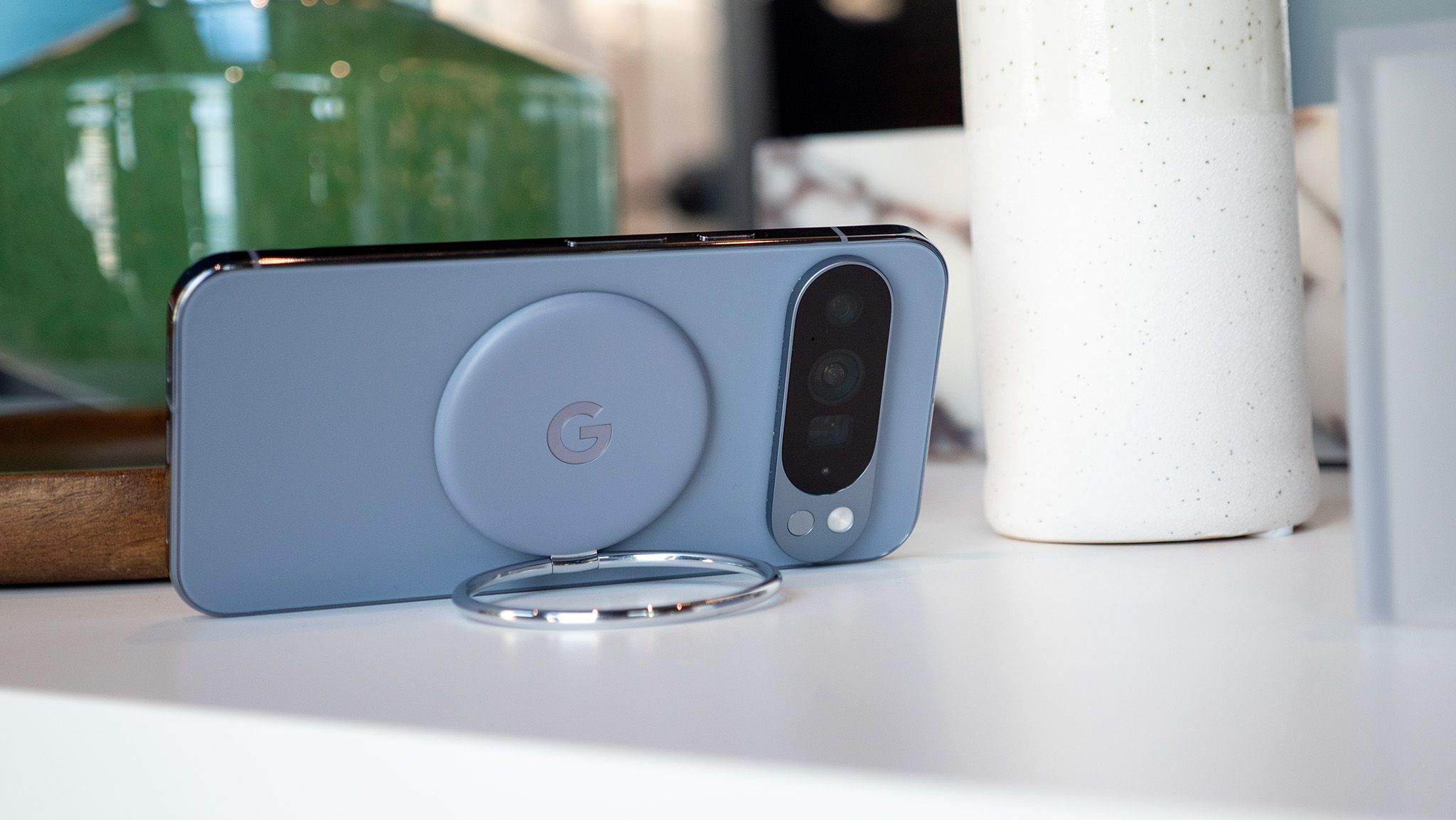
While the dimensions of the 10 Pro XL are nearly the same as the 9 Pro XL, the larger camera bar might still make it tricky to reuse older cases. The 10 Pro XL comes in Moonstone, Jade, Porcelain, and Obsidian. Moonstone is Google's flagship color for this series. The phone is also IP68 rated for dust and water resistance, and it supports Pixelsnap, which allows it to magnetically use Qi2 chargers without a case. The S25 Plus also supports Qi2 charging, but you need a Qi2 case to make it work.
The Pixel 10 Pro XL keeps the same display as the 9 Pro XL but with higher brightness of up to 3,300 nits. It's a 6.8-inch OLED with a 120Hz refresh rate, 2,992 x 1,344 pixel resolution, and Gorilla Glass Victus 2. PWM-sensitive users should also rejoice as Google has finally addressed this issue by offering a new accessibility setting which claims to "improve the viewing experience for sensitive eyes." While it is a slight improvement, it doesn't solve the problem completely.
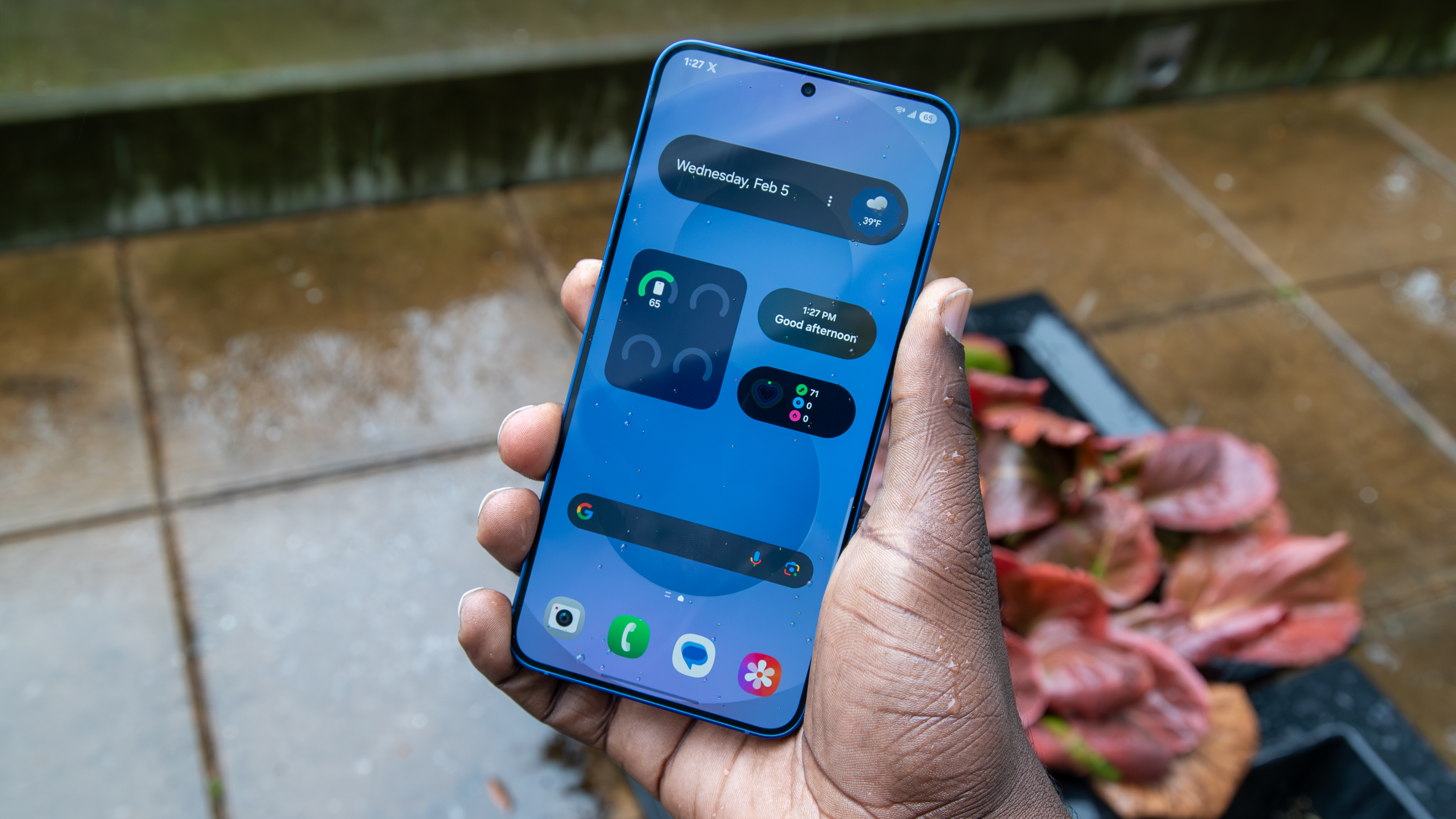
Samsung has always offered somewhat more eye-friendly displays, and the Galaxy S25 Plus features a 480Hz PWM rate. It's a tad smaller at 6.7 inches, but it's equally pixel dense, has a high brightness of up to 2,600 nits, and good scratch protection. The screen is also great for watching content and playing games.
Google Pixel 10 Pro XL vs. Samsung Galaxy S25 Plus: Hardware and specs
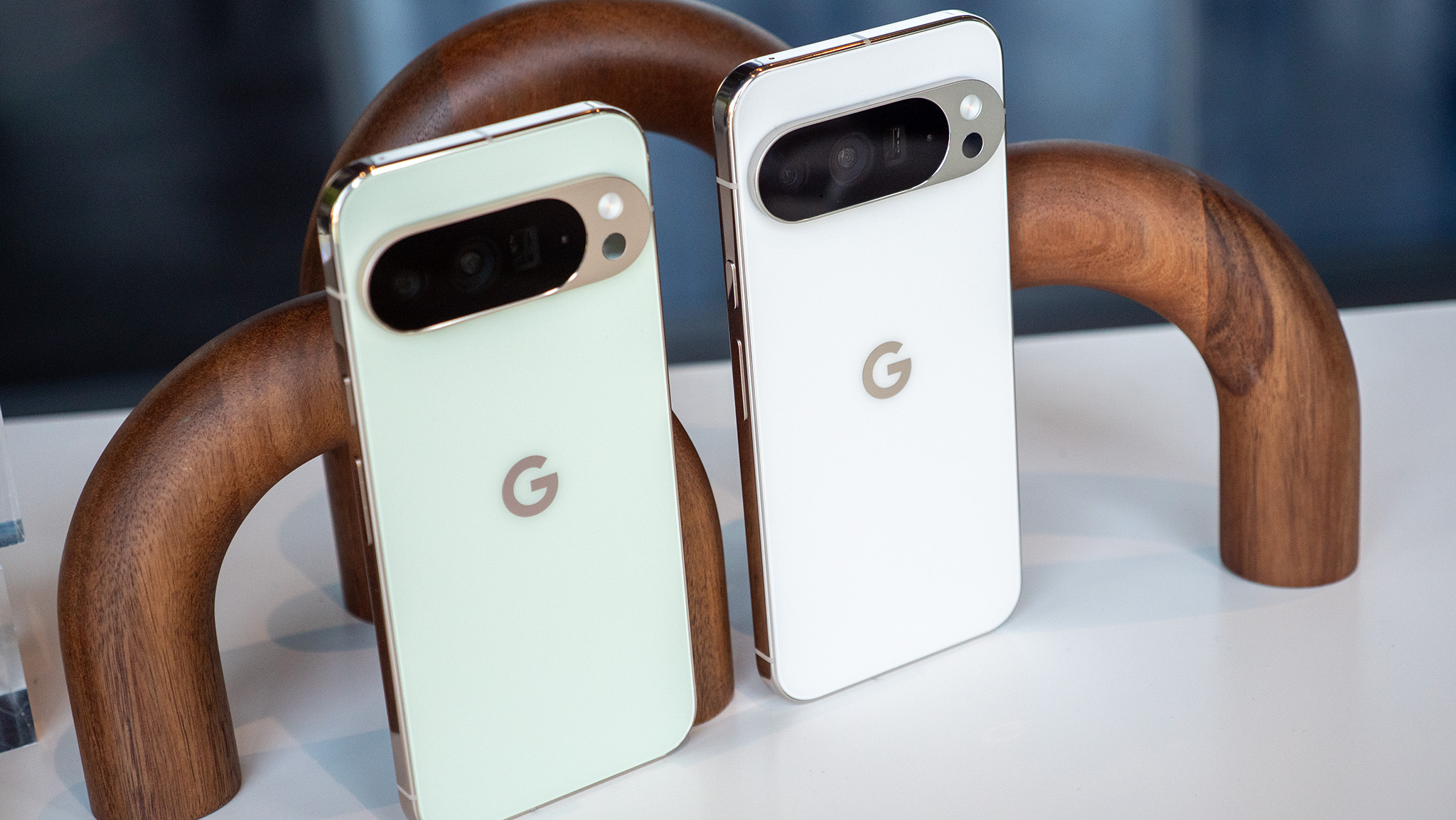
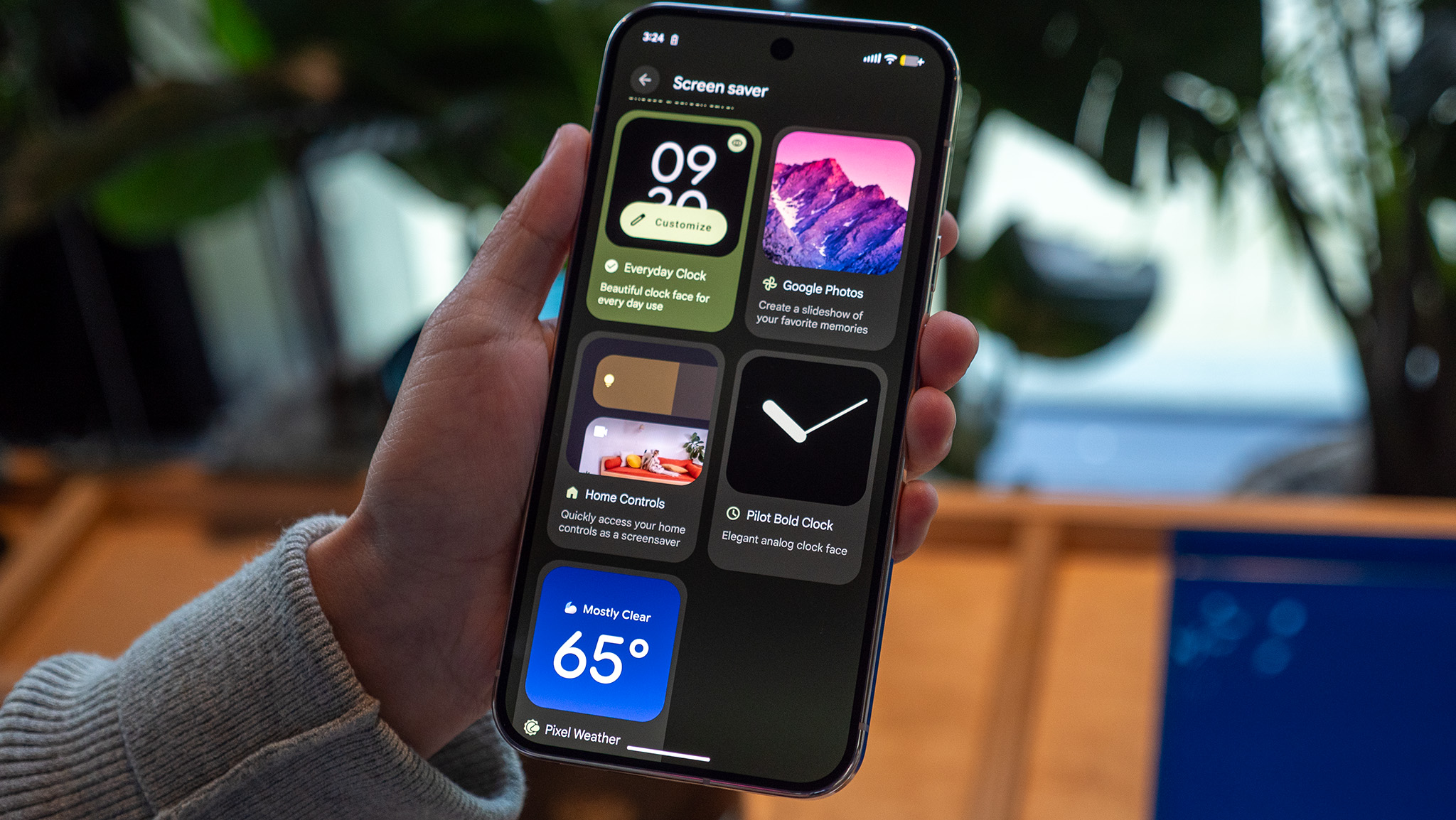
The Pixel 10 Pro XL features the new Tensor G5 chip, which is faster than the G4, but still misses out on updated Vulkan support. It's this new custom chip that has enabled Google to introduce new features like Magic Cue, which proactively offers support like finding a photo that someone from your contacts might request in a message or call. The 10 Pro XL ships with Android 16 out of the box, and will get seven years of OS and security updates.
The Galaxy S25 Plus is equipped with the Qualcomm Snapdragon 8 Elite for Galaxy mobile platform, which is the best available for Android phones. It'll be interesting to see how the Tensor G5 compares, so keep an eye out for our Pixel 10 review. There is a difference in RAM, too, with the 10 Pro XL getting 16GB while the S25 Plus gets 12GB.
As expected, the Pixel 10 Pro XL gets new AI features like Camera Coach, which guides you on framing your shot, Auto Best Take, and Edit with Ask Photos. The latter feature is great for novice users as it lets you perform edits with simple text prompts. The Galaxy S25 Plus comes with a suite of useful Galaxy AI features, too, so choosing one over the other will depend on which ones you find most useful.
Category |
Google Pixel 10 Pro XL |
Samsung Galaxy S25 Plus |
|---|---|---|
Software |
Android 16 |
One UI 7 (Android 15), upgradable |
Display |
6.8-inch LTPO OLED, 120Hz, HDR10+, 3,300 nits (peak) |
6.7-inch QHD+ Dynamic AMOLED 2X, 120Hz Adaptive Refresh Rate |
Processor |
Google Tensor G5 |
Qualcomm Snapdragon 8 Elite for Galaxy |
Memory |
16GB |
12GB |
Storage |
256GB, 512GB, 1TB |
256GB, 512GB |
Rear Camera 1 |
50 MP, f/1.68 wide |
50MP Wide, AF, OIS |
Rear Camera 2 |
48 MP, f/1.7 ultrawide, AF |
12MP Ultrawide |
Rear Camera 3 |
48 MP, f/2.8 5x periscope telephoto |
10MP 3x Telephoto, AF, OIS |
Front Camera |
42 MP, f/2.2 |
12MP (wide) |
Camera Features |
Edit with Ask Photos, Auto Best Take, Camera Coach, Best Take, Add Me, Magic Editor |
HDR Portraits, Selfie AI ISP, Nightography, High-res Macro, High-res Zoom, Log Video |
Battery |
5,200mAh |
4,900mAh |
Charging |
45W wired, 25W Pixelsnap wireless charging |
45W wired, 15W wireless, 4.5W reverse-wireless |
Connectivity |
5G, Wi-Fi 7, UWB |
5G (sub-6GHz, mmWave), Wi-Fi 7, UWB |
Biometrics |
Ultrasonic Fingerprint Scanner, Face Recognition |
Ultrasonic Fingerprint Scanner, Face Recognition |
Ingress Protection |
IP68, Corning Gorilla Glass Victus 2 (front and rear glass) |
IP68, Corning Gorilla Armor (front glass), Corning Gorilla Glass Victus 2 (rear glass), Titanium |
Dimensions |
162.8 x 76.6 x 8.5 mm |
158.4 x 75.8 x 7.3 mm |
Weight |
232 grams |
190 grams |
The Pixel 10 Pro XL wins the battle of cameras and battery life against the Galaxy S25 Plus. The Pixel 10 Pro XL has the same camera hardware as its predecessor, including a 50MP primary, 48MP telephoto, and 48MP ultrawide cameras on the back. However, the new Tensor G5 chip and updated ISP help fix many of the issues we had with the Pixel 9 Pro. Portrait mode finally works really well, Camera Coach and Auto Best Take are excellent features, and Pro Res Zoom can magnify your image up to 100x.
The S25 Plus has a solid 50MP primary camera, but the other two (10MP and 12MP) don't really capture the same level of detail as the Pixel.
The 10 Pro XL should also last longer per charge than the Samsung, thanks to its larger 5,200mAh battery. Keep in mind, though, that Google will throttle the battery after 200 charging cycles. There's faster wired charging than before, and you get Pixelsnap magnetic Qi2 wireless charging as well. As noted before, the Galaxy S25 Plus can do Qi2 charging, but only with a compatible case.
Google Pixel 10 Pro XL vs. Samsung Galaxy S25 Plus: Which one is the best?
The Pixel 10 Pro XL and Galaxy S25 Plus are both expensive phones at the end of the day, and if you've decided to buy either of them, I don't see price being a major deciding factor. I'd put my money on the Pixel 10 Pro XL simply because it's newer, will get day-one Android updates directly from Google, and its cameras and battery life would be better than Samsung's. Plus, I do like the design way better than the Galaxy, but that's subjective.
The Samsung Galaxy S25 Plus is a good value and will continue to get updates for the next seven years. It's also lighter and slimmer than the Pixel, which could swing a lot of votes in its favor. Remember, though, that Samsung is preparing to launch the Galaxy S26 series sometime in early 2026, so if you're not in a rush, I'd wait to see what the new models have to offer.
A promising upgrade
The Google Pixel 10 Pro XL is an enticing Android phone due to the Tensor G5 platform shift, larger battery, native Qi2 charging, and cool new features. It costs a bit more than the Galaxy, but I think you'll find that premium to be worth it.
Value XL flagship
The Samsung Galaxy S25 Plus is a dependable flagship that offers solid gaming performance, good battery life, and useful cameras.