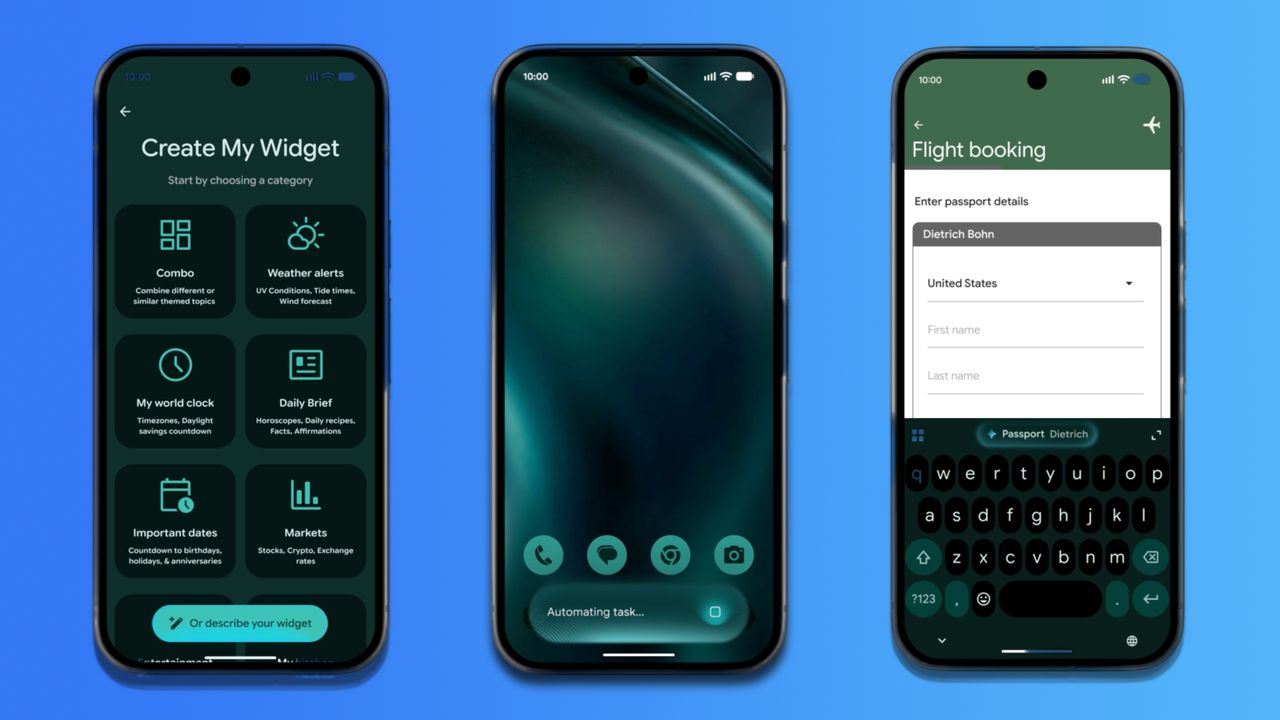
For the past two years, Google has mostly been framed around Gemini as a chatbot. From Gemini Live to Nano Banana, Gemini has proved to be a useful tool for users, even reaching the number one spot in Google play and app store.
But Google’s latest Android push, announced today at The Android Show: I/O Edition, suggests the company has bigger ambitions for Gemini. With the introduction of Gemini Intelligence, Google appears to be positioning its AI as more than an app you open — it’s becoming the intelligence layer running underneath Android itself.
This move underscores Google is rethinking Android as an AI-first operating system, which could be be one of the biggest shifts in Android’s history.
What is 'Gemini Intelligence'?
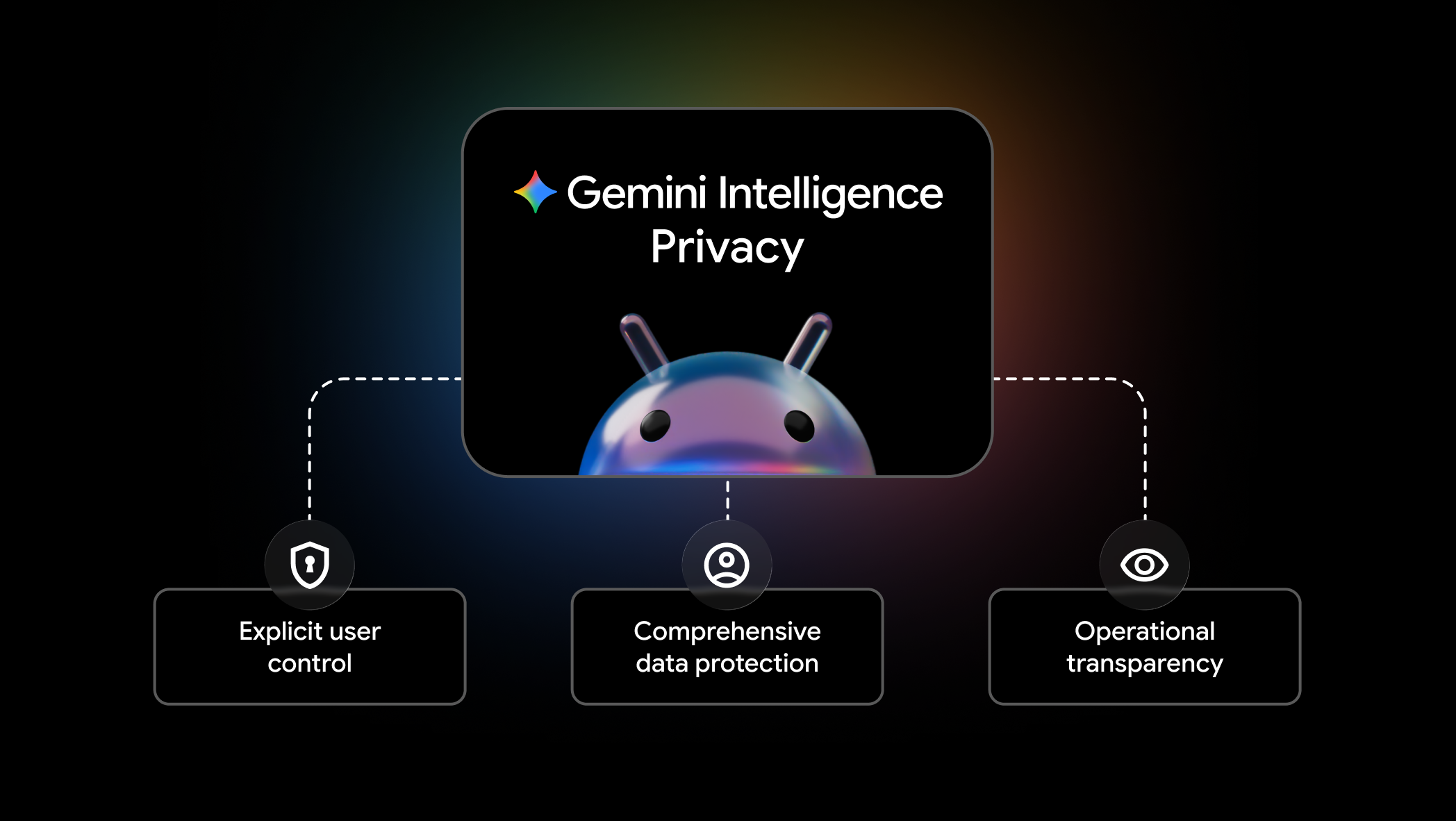
Google has already made Gemini a central part of its product strategy, from Search and Gmail to Chrome and Android devices. But “Gemini Intelligence” changes the framing.
Rather than a stand alone app, Google appears to be placing it inside the operating system itself — connecting apps, understanding context and taking action across devices. This move represents a much bigger change in how Android works.
Now, rather than jumping between apps, menus and search bars, Google wants Gemini to understand what you are trying to do and move through the workflow for you. And that's where the phrase “Gemini Intelligence” starts to make sense.
Gemini in Chrome could be the real power move
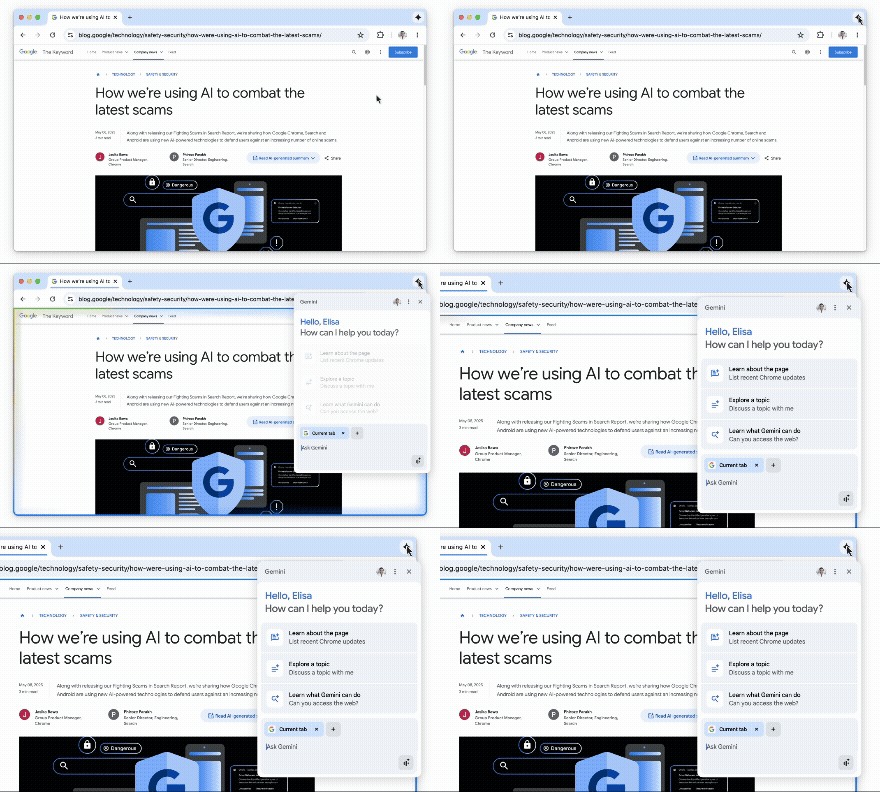
One of the most important pieces of this shift is Gemini in Chrome for Android. Google is bringing Gemini deeper into the browser, where it can summarize articles, answer questions about web pages and help with tasks such as booking travel.
With Gemini as a foundational layer inside Chrome, instead of simply searching, clicking and reading, users can ask Gemini to interpret what is on the page, extract what matters and potentially take action.
That fits perfectly with the larger Gemini Intelligence strategy. Google is not trying to make users leave Android to use AI. It is trying to make AI show up wherever users already are.
Googlebook shows how far this could go
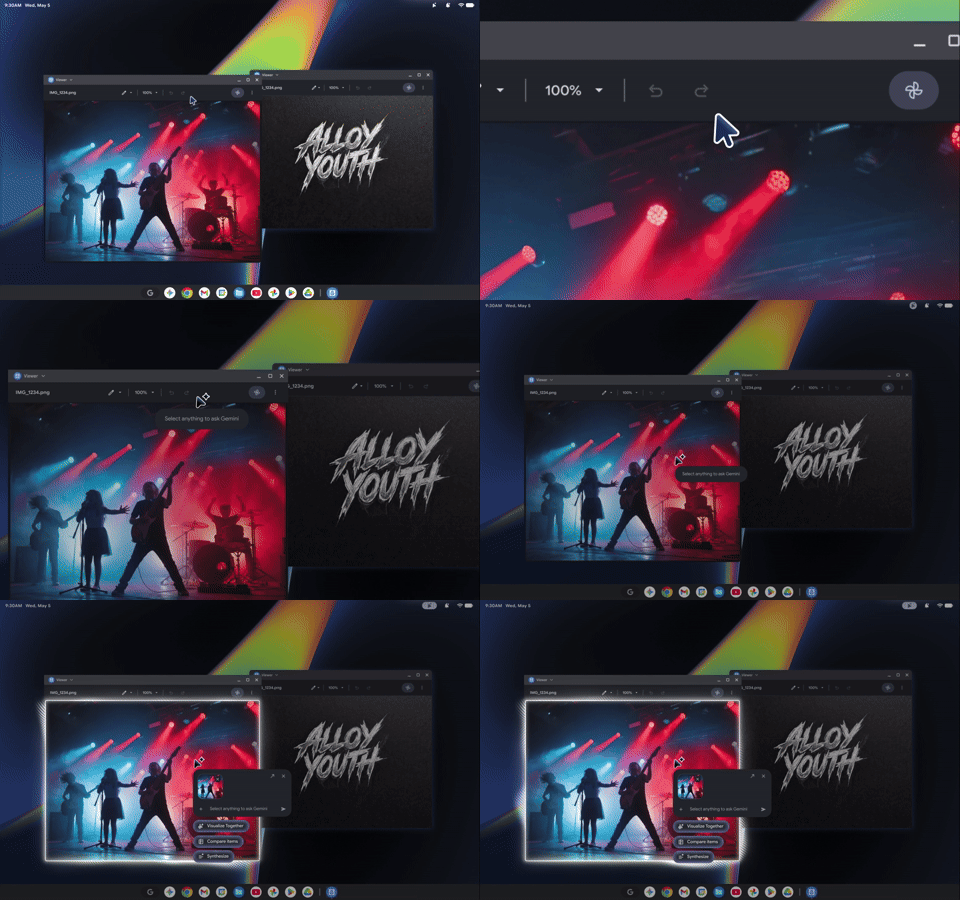
The new Googlebook category may be the clearest hardware expression of this idea. According to Google, Googlebook is a new Android-powered laptop platform “designed for Gemini Intelligence,” with partners including Acer, ASUS, Dell, HP and Lenovo. The same report describes features including a “Glowbar” and “Magic Pointer,” a cursor designed to surface contextual Gemini suggestions.
A Gemini-first laptop would suggest Google is not limiting this strategy to phones. It wants Android, Chrome and Gemini to converge into a broader computing platform. That could put Google in a very different position against Apple, Microsoft and OpenAI.
Google’s advantage is that it already controls Android, Chrome, Gmail, Maps, YouTube, Search and a growing Gemini ecosystem. If Gemini Intelligence becomes the layer connecting all of that, Android could become much more than a phone OS.
The takeaway
The biggest thing to understand about Gemini Intelligence is that it moves AI from a destination to infrastructure, which users will immediately notice. But the big questions beyond usability remain. How much access should Gemini have? How transparent will these agentic actions be? Will users trust AI to move across Gmail, Chrome, shopping apps and banking tools? And will this actually save time, or just create new kinds of friction?
Those questions will only get more important as Gemini Intelligence becomes more capable. For now, it's clear that Google is no longer just trying to make Gemini a better chatbot. It is trying to make Gemini the intelligence layer for Android. And if it succeeds, Android will start feeling like one that understands what you need before you finish asking.
More from Tom’s Guide
- I tried the ‘Goldfish Prompt’ with ChatGPT — and it instantly stopped my overthinking
- I asked ChatGPT to apply Lewis Howes’ ‘Greatness’ mindset to my life — and it completely changed how I approach work
- I gave ChatGPT permission to disagree with me with this prompt — and its responses became dramatically better