
While Google took 2025 to set up the stage for people to care about AI, in 2026, the company needs to harness the momentum and seal the deal. Next year will need to be the year Google makes people care about AI when they’re buying a new phone.
And while it’s not all about AI, it’s going to be what Google needs to rely on to push the needle on smartphones, which seemingly are becoming boring by the year, with nothing to really excite a lot of people.
2026: the year AI becomes ubiquitous and accessible
I’m saying it now, but Google will fail if it takes 20 years to position Gemini as a unified experience that will power AI across all platforms as it did with Google Workspace.
While Google Workspace is probably the most popular and most used office suite, it took the company literally 20 years to have something absolutely flushed out, unified, and perfect to compete with the likes of Microsoft Office.
Granted, Google was smart to offer Docs, Gmail, and many apps right off the bat to be used across different platforms, but it wasn’t until 2016 that the company rebranded these offerings into G Suite, later renaming it to Workspace.
It absolutely can’t do that with Gemini because of the stiff competition out there.
As Android Central contributor Brady Snyder writes, while ChatGPT has better models, more use cases, and superior brand power, Google’s Gemini has shown a strong sense that the tide is turning. Gemini is the only chatbot that consistently gains web traffic, and now that Gemini 3 is available, Google is taking creative steps to meet the outstanding demand.”
In 2026, Google needs, no sorry, HAS TO make Gemini ubiquitous and accessible.
As we begin to see less AI innovation as it finds its place, 2026 will be about convincing people that AI is here to stay and is becoming a more everyday thing.
A new formfactor?
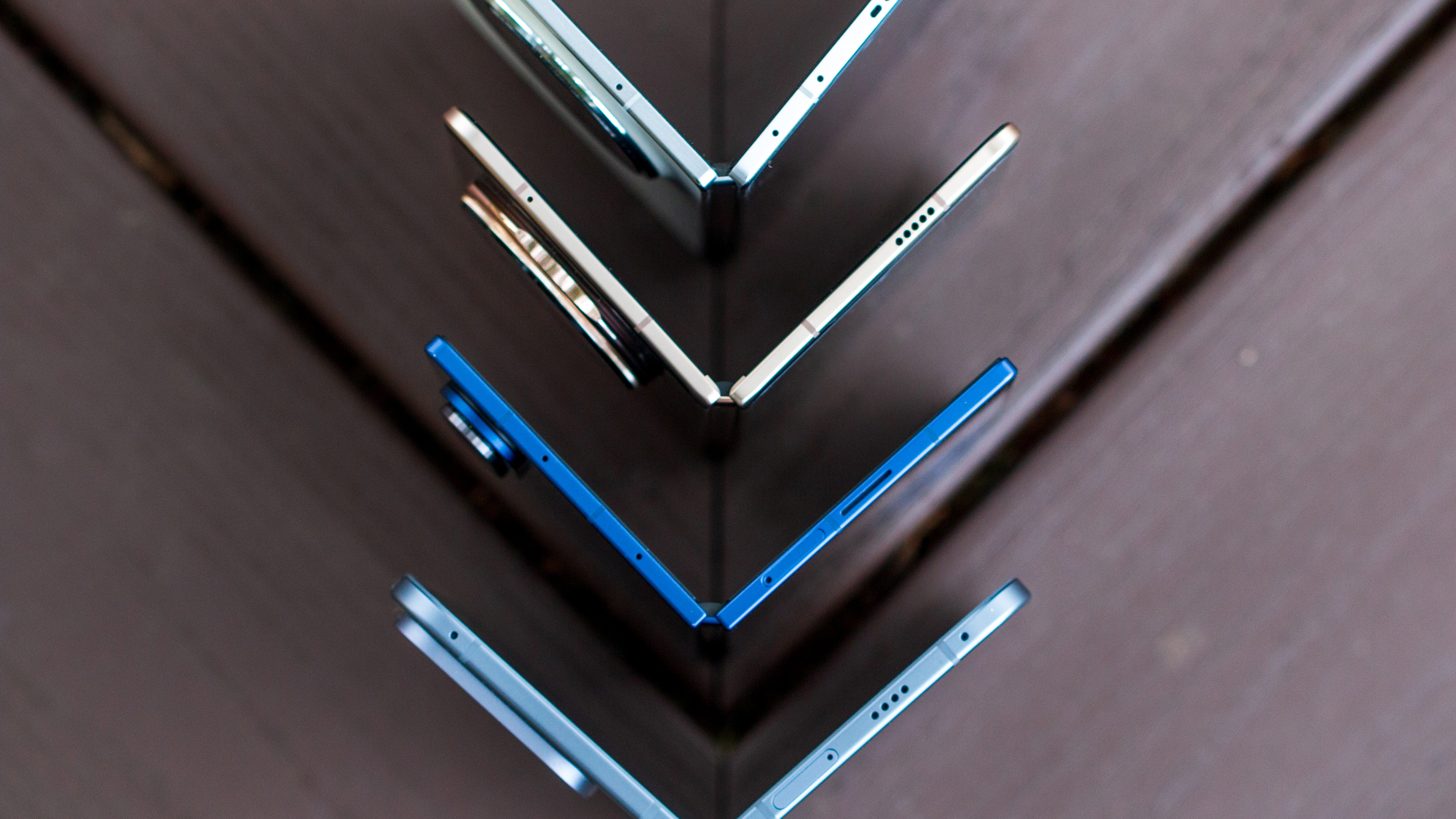
In 2026, I want to see some growth within Google’s hardware strategy. We didn’t see much from the company in 2025 because the focus was setting its hardware up for AI success. But now it’s time to see some change. Dare I say it? We need a Pixel Flip!!!!
While I understand companies have launched a fold because the ROI is far greater for foldable phones than what can be made from the sales of a flip, there’s some merit in reaching a large audience and a flip phone can do that. Flip phones are cute, compact, easy to use, and user-friendly. There is more of a use case scenario for someone to buy a flip phone than a fold.
I also challenge Google to expand its Google Home suite of products. Yes we are getting a new Nest speaker in 2026, and it upgraded the Nest Thermostat in 2024, but I still don’t think Google has figured out unifying it’s smart home experience yet. And with a robust Gemini experience and set up, there’s no reason why Google can’t do something about it.
Guardrails in place need to be strong
As I urge Google to make AI more ubiquitous and accessible, I beg that the company takes the severity of what AI can do to society incredibly seriously. And I know that it is.
This past year showed us that companies are shelling money into the fast production of AI, it is also showing us the dangers that come with the use of AI. Earlier this summer, parents sued Open AI, alleging the company’s ChatGPT contributed to their teen’s suicide.
Stories like this makes my heart ache. Because while I think AI is mind-blowing, it’s in moments like these that I know companies like Google need to set humans up for success rather than failure.
I want to see the world proliferate because of AI, not be defeated. We saw the rise of social media in 2007 and the fall of social media in 2016. I know we are going to hear more disaster stories come out of AI’s follies, but here’s my please to you Google, let’s try to help humankind succeed instead of tearing it apart.