Recent research from Which? may lead a lot of retailers to reassess their approach to order delivery. In a survey of online shoppers, over 25% of respondents said they had experienced a problem with the delivery of at least one online purchase made in the past 12 months. A separate survey found that almost one in three customers associated bad delivery with the brand they bought from, rather than the carrier who delivered the parcel. As well as this, most customers are leaving their online orders later every year, with 47% of shoppers saying they would be confident of a delivery coming in time even when ordering a week before Christmas.
This means that the delivery of online orders is more than a detail and can be central to a retailer’s brand strength. It also means there is a real opportunity for retailers to gain a competitive advantage through improving the flexibility and reliability of their delivery service.
Retailers hoping to improve their delivery should first look to make it more flexible. Customers may want certain items at short notice, like a dress for a night out or a tie for a conference. As well as this, modern consumers don’t want to plan their day around the timetables of couriers; they expect to be able to choose from a range of delivery times. Retailers can facilitate this by working with a range of carriers to ensure they can allocate each order to the right carrier.
Customers like to know as much as possible about their delivery. This isn’t just about good customer service; a study by Royal Mail showed that 73% of people would feel more confident shopping online if parcel tracking was available. This can mean gaining not just a sale, but also a potentially valuable repeat customer. Good customer communications also enable carriers to flag any delays to the expected delivery time by text message or email.
Supporting customers also means allowing customers to choose how they would like to receive their parcel on their own, without having an unwanted trip to a delivery depot. By providing customers with an alternative delivery location, for example a locker at a bus or train station, a missed delivery doesn’t have to mean a disappointed customer. Convenience and flexibility are keys.
Returns are another important consideration, particularly in fashion, where returns from online sales are at their highest and were estimated to have cost retailers £1.6bn last year. Retailers cannot isolate these channels; they need to look at online purchase, delivery and return as a single, smooth process.
The rate of change in today’s market means that retailers can’t afford to get complacent about delivery. The job doesn’t end once the delivery has been made and feedback from both customers and carriers is vital to maintaining quality of service, while keeping on top of changing preferences and trends. Retailers need to see every delivery as a new insight into how to improve their service and should constantly try to improve routes, return rates and customer satisfaction.
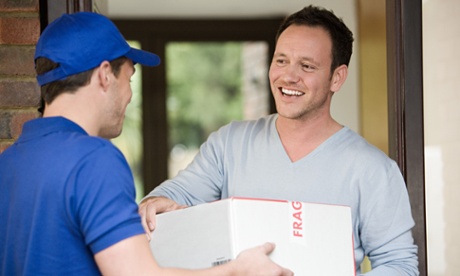
A customer’s lasting impression of a retailer often comes from how and when their latest order arrives at their door. To ensure that each parcel is greeted with a smile, retailers should constantly work to tailor and improve their service, offer flexible delivery and listen to customer feedback. A top-class brand needs top-class order fulfilment.
Michael Kliger is vice president international for eBay Enterprise
This advertisement feature is provided by eBay, sponsors of the Guardian Media Network’s Technology in retail hub