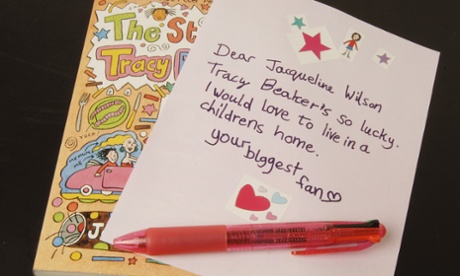
We used to watch Tracy Beaker on TV, which is about a young girl in a home, so I thought I knew what it was going to be like. But it was nothing like that. You have to live with different people who you don’t really know and you don’t have a choice. Even if you didn’t get along with them they were still there. There were rules you had to abide by and if you didn’t come home by a certain time then they would tell the police and they would come and get you. I lost a lot of freedom.
My mum used to take us to do the shopping and we would help clean the house, but in the home it was just rules and if you didn’t obey them you would get into trouble. I lived in two homes, one private and one run by the council. The rules were different in both homes. I preferred the first home that was privately run. It was a big house and it felt more homely and had rooms you could escape to if you wanted to be on your own or get away from people. I could take school friends back if I wanted to but I didn’t, because I would have felt the need to explain myself and people at school would have found out I was living in a home. I did have my own room in the homes and my own space, but I couldn’t paint them or put nails in the walls. I never felt it was my room – I always had to think about who would be moving in after me.
One of the things I enjoyed about being in residential care, though, was that we got to go camping in the holidays, which wouldn’t have happened with mum because she wasn’t keen on the great outdoors. My biggest regret? We spoke Luganda at home as my family’s from Uganda. Me and my sister weren’t allowed to speak it to each other in the homes because people thought we were talking about them even though we weren’t.
Now, because I wasn’t allowed to practise Luganda, I can no longer speak it. I wish there was somewhere we could have gone to keep the language going, but we weren’t given the option. I feel that I have lost part of my heritage and the link that I had to my mum.
*Not her real name