
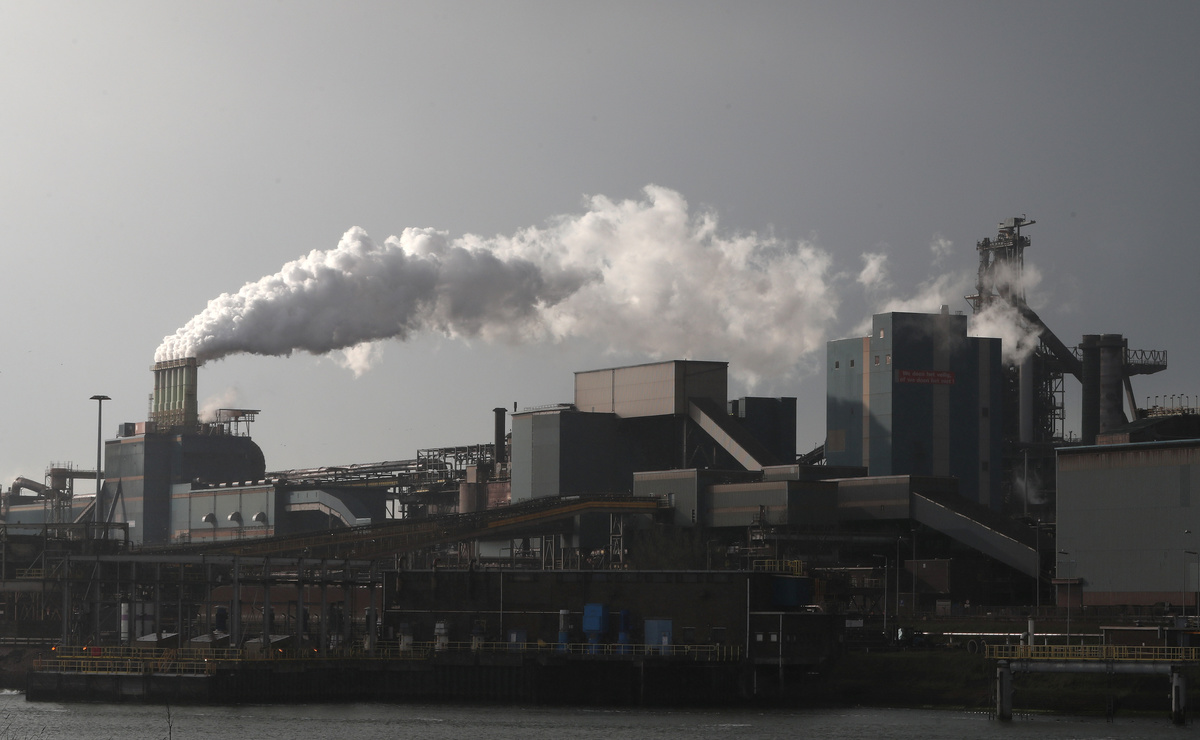
AMSTERDAM (Reuters) - In a meeting at the economic affairs ministry in The Hague late last year, Tata Steel's Dutch chief Theo Henrar pledged he would spend hundreds of millions of euros to cut factory emissions - on condition the government invested a similar amount.
The proposal from the industrial giant, which has not been made public, comes against the backdrop of global wrangling between governments and corporations over who should foot the bill to ensure countries meet tough climate targets.
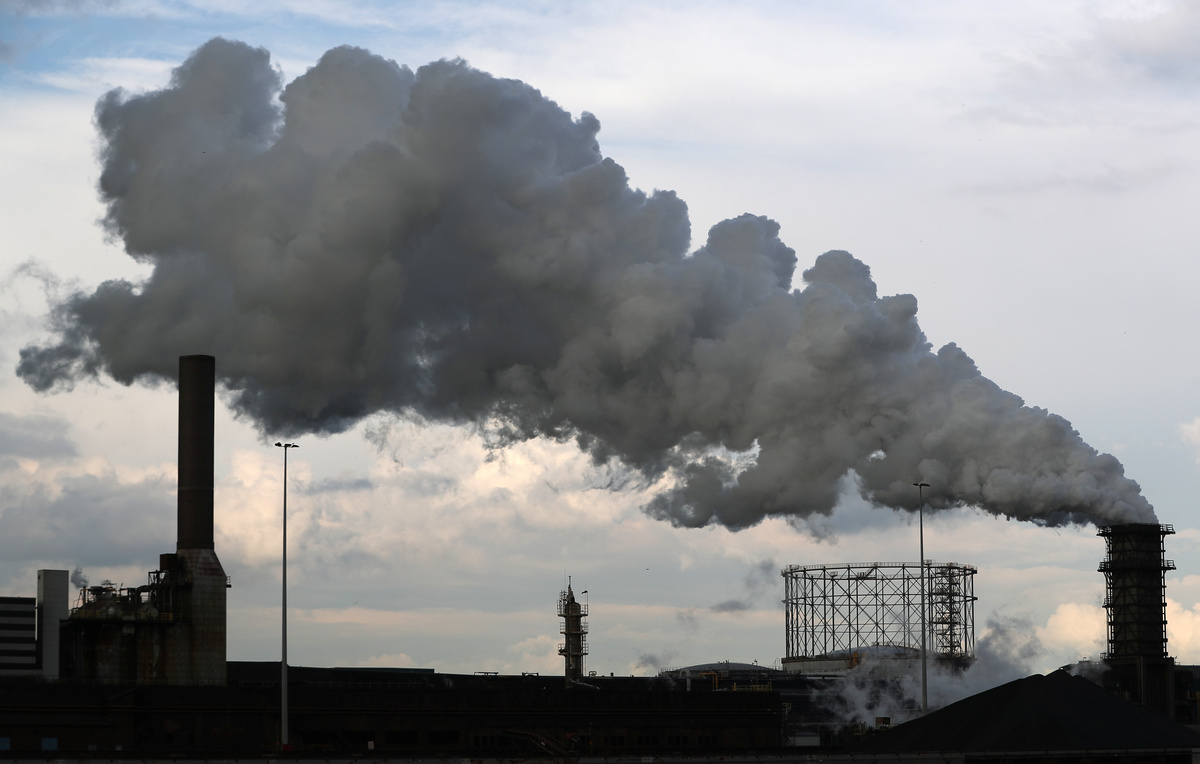
It is an example of how big companies in the Netherlands and beyond are putting forward their own plans to reduce emissions as they look to ward off the carbon taxes they fear will hammer their businesses, or at least see them softened.
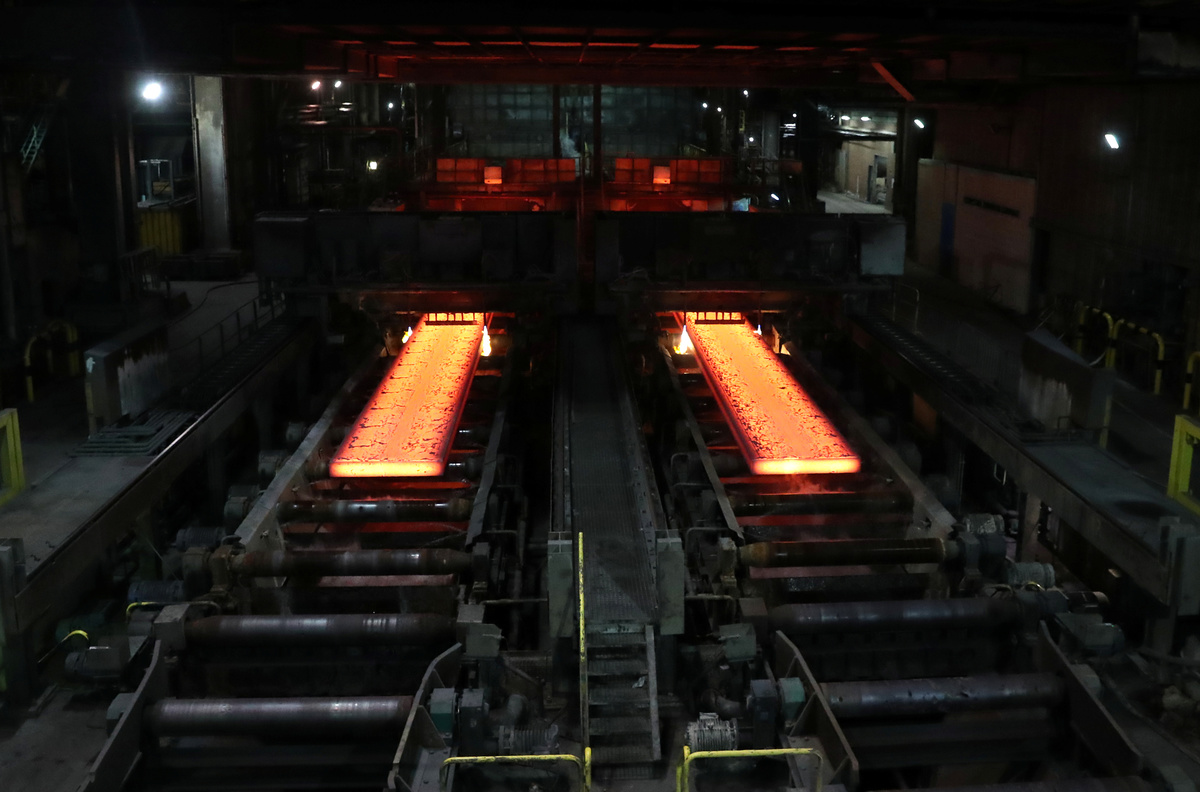
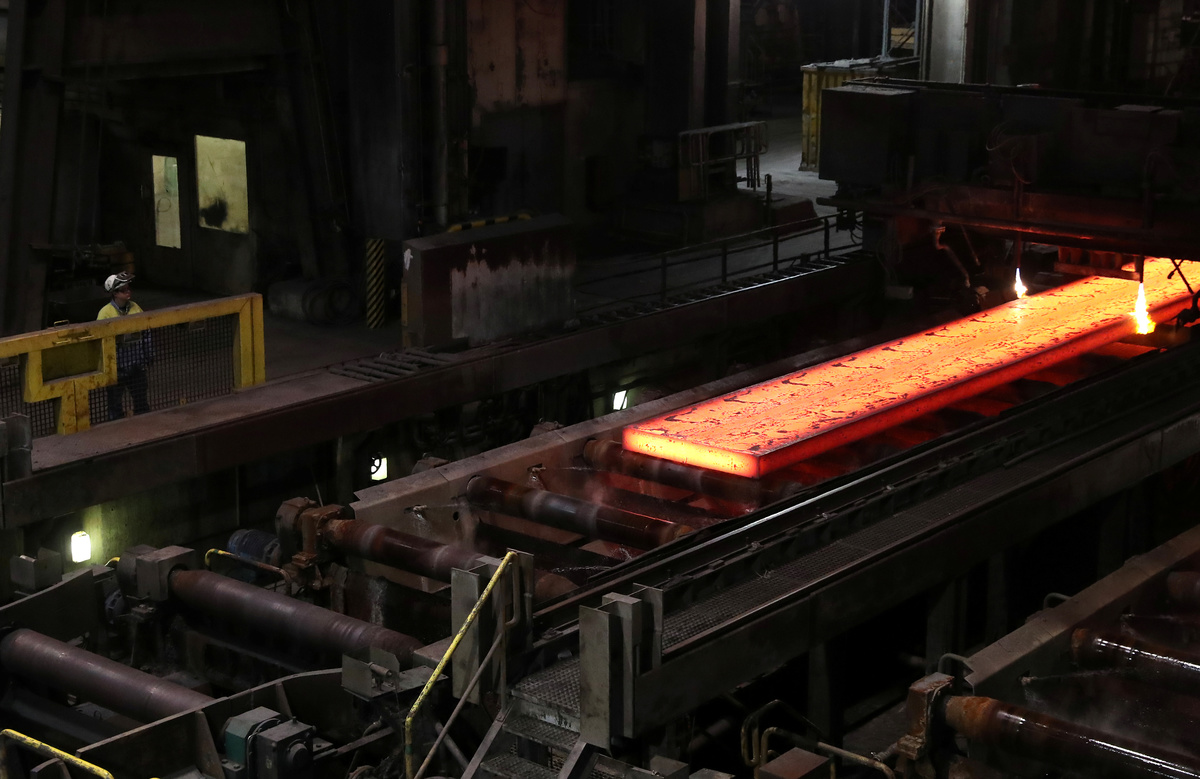
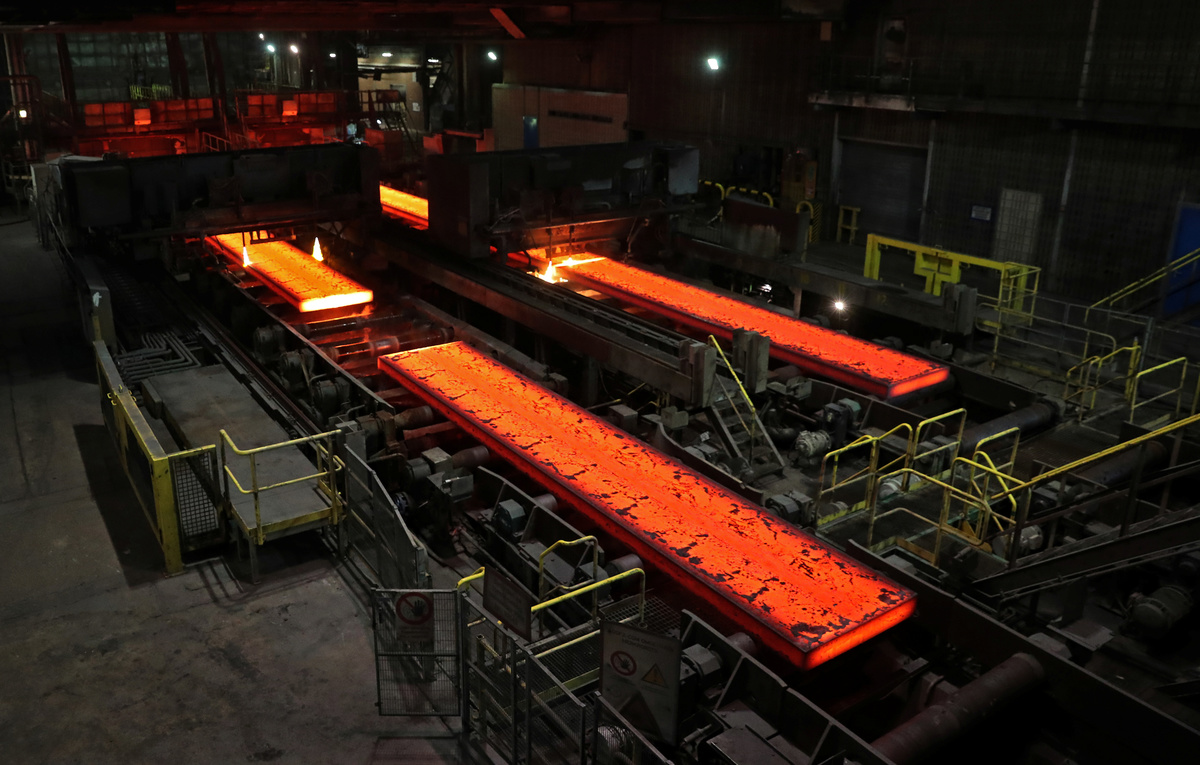
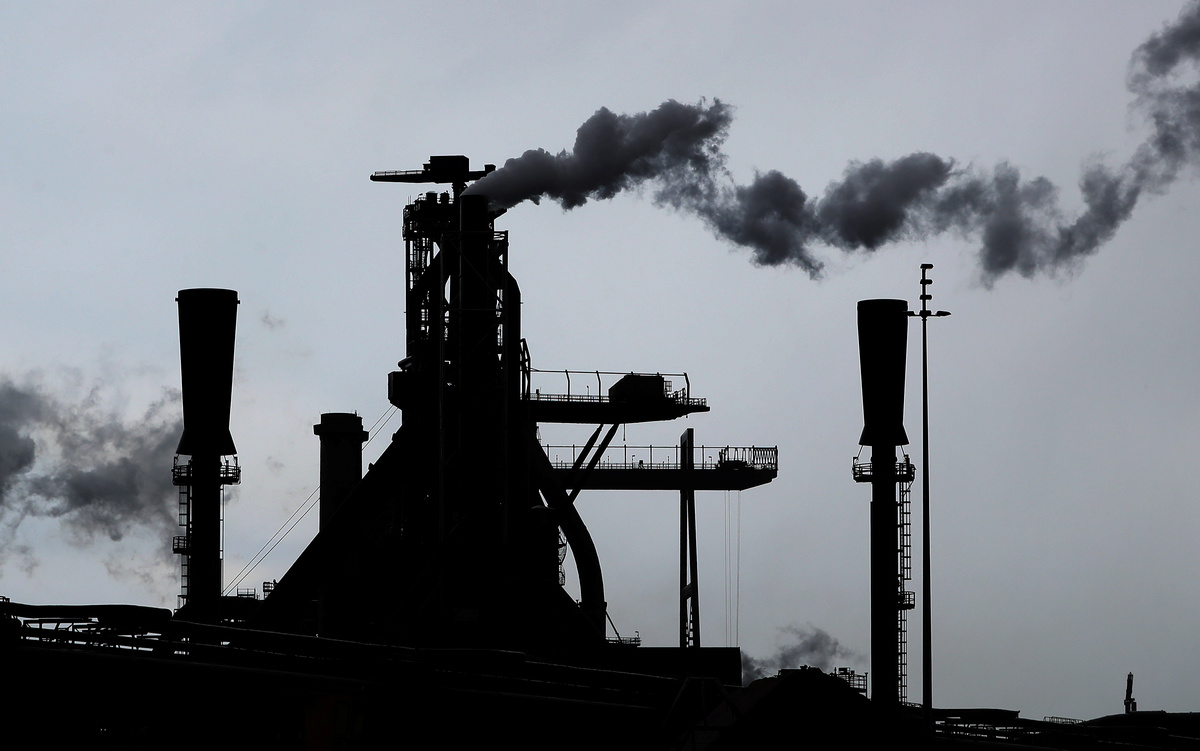
Tata Steel, the largest corporate polluter in the Netherlands, proposed that it would build a 500-million-euro ($560 million) energy-efficient alternative to its blast furnace at its plant near Amsterdam using newly developed technology, Henrar told Reuters.
For the investment to be most effective, however, he said the government would also need to invest hundreds of millions in infrastructure, to create a carbon capture site under the North Sea that could trap and store CO2 emitted by the plant.
Tata said high-ranking officials at the ministry responded positively to its proposals but made no commitments.
Paul van der Zanden, spokesman for the economic affairs ministry, which includes climate policy, declined to comment on Tata's proposals. But he said a national corporate carbon emissions tax was needed to make sure industrial companies delivered reductions.
The government will in June outline its strategy for switching the country - among the most polluting in the European Union - to more sustainable sources of energy.
A key part of the strategy will be laying out who will pay for the estimated costs of 1.5 to 3 billion euros per year until 2050, for measures such as insulating buildings, promoting electric vehicles and increasing the supply of sustainable energy, including building offshore wind farms.
A growing number of politicians and voters favor a tough carbon tax on polluting companies.
A similar social and political debate is taking place in countries around the world which are also moving towards carbon taxes as pressure intensifies on them to sharply cut CO2 emissions to comply with the 2015 Paris climate accord.
Those that have already introduced such levies, of varying breadth and stringency, include South Africa, Canada and Norway, while the likes of Germany and several U.S. states are considering such measures.
Many industrial companies say the taxes damage a country's competitiveness and are putting forward proposals for what they view as more sustainable solutions.
In the Netherlands, it is not just Tata Steel. In a separate proposal, Tata, Dow Chemical, another of the biggest polluters, and fellow steelmaker ArcelorMittal have together pitched a 1.3-billion-euro project to the government that would see Dow using gases from steel factories in its chemical plants to make plastics, reducing its need for fossil fuels.
The companies are willing to invest heavily in the project, Henrar said, but they want the state to subsidize initial loss-making phases. The economy ministry declined to comment.
In recent examples of companies taking the initiative elsewhere in the world, Italian energy group Eni said this year it would expand its renewable capacity and invest in planting forests to cut its net carbon emissions to zero by 2030.
'WE'VE DONE TOO LITTLE'
Negotiations between Dutch authorities, businesses and public interest groups on the country's energy transition have dragged on for a year, deadlocked on the question of who should foot the bill.
So far, the public has borne the brunt via a rapidly rising surcharge on energy bills, which by next year will have tripled since 2017 to an average of 64 euros per household per year.
With Prime Minister Mark Rutte's pro-business VVD party in power, discussions were headed toward an outcome that favored corporates. But last month, in the face of opposition from voters and climate experts, the government said it would introduce a national corporate CO2 tax on top of the European Trading System (ETS) which penalizes high polluters across the EU.
However, there has been no indication about the level of the taxes, if there will be an emissions threshold to target only the largest polluters, and whether there will separately be subsidies for investment in cleaner technology.
The Netherlands is home to many large industries, Europe's main seaport and an abundant supply of cheap natural gas. As a result, less than 7 percent of all energy used came from sustainable sources in 2017, compared to 15 percent in Germany and over half of all energy in Sweden.
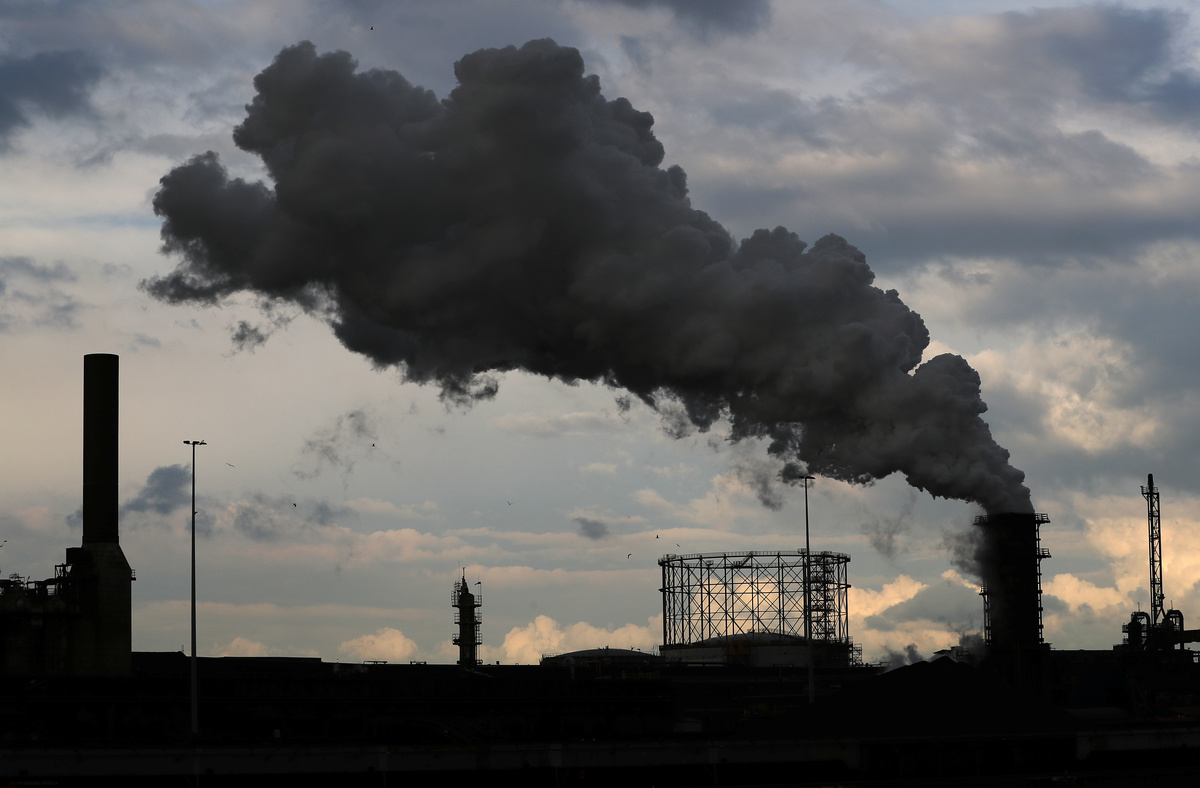
The government has pledged to halve CO2 emissions from 1990 levels by 2030, but by 2017 had only achieved a 13 percent cut.
"The Netherlands is further behind on all of its goals than the rest of the EU," the government's top climate adviser, Pieter Boot, told Reuters in an interview. "We have simply done too little in the past 20 years."
That inaction led to a court ruling last year, in a case brought by climate activists, ordering the government to reduce CO2 emissions by 25 percent by the end of 2020.
'CUT-THROAT BUSINESS'
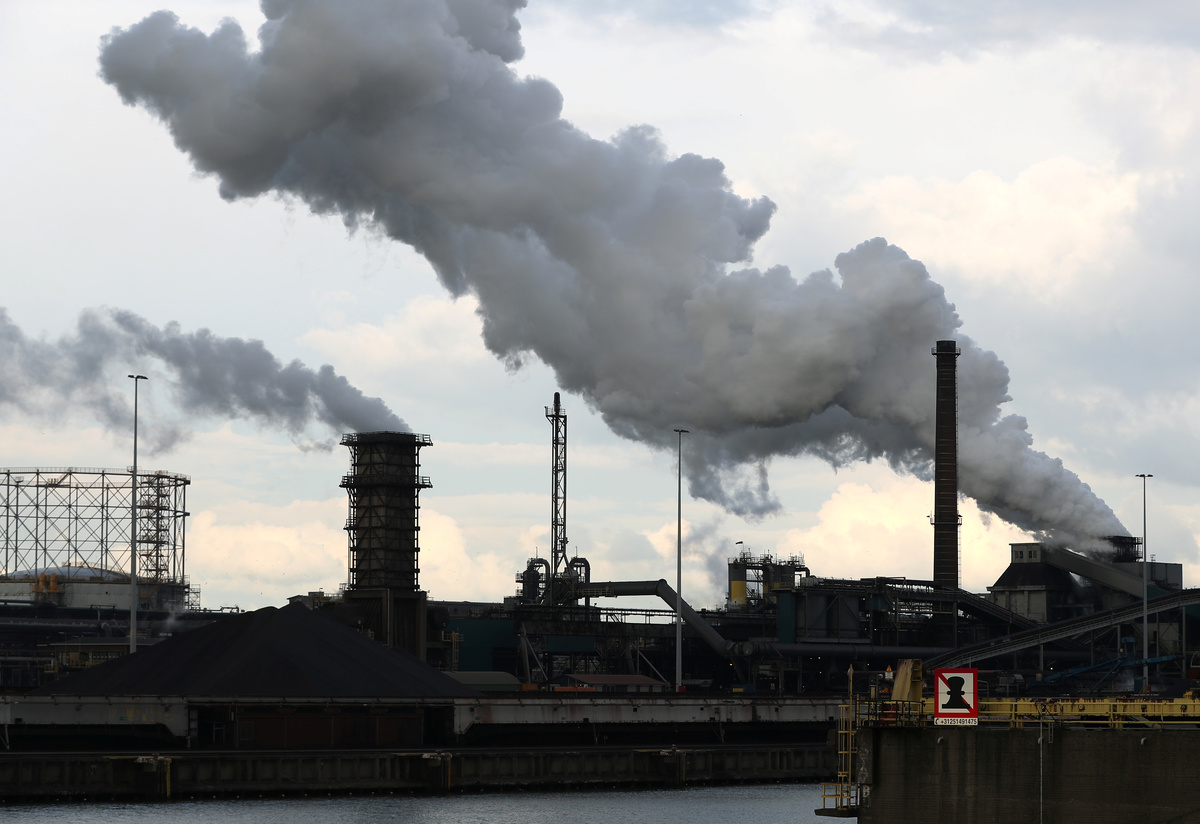
Industrial and energy companies are responsible for more than half of the Netherlands' emissions, with oil majors Royal Dutch Shell and Exxon Mobil also among major polluters.
Economists and climate experts are united in their support for a carbon tax, saying it is crucial if the country is to meet its commitments.
The Dutch central bank said an additional tax of 50 euros per tonne CO2 would not significantly harm the Dutch economy, although acknowledged that steel and chemicals makers would lose clients to international competitors.
Rutte said the tax would be "reasonable" and would not chase business away, but gave no further details.
However big business fears the worst.
"A tax does not stimulate companies to make unprofitable investments," said Hans Gruenfeld, head of industry lobby group VEMW. "The Dutch are trying to get companies to suddenly move faster than elsewhere in Europe. There's a large chance that will only shift production abroad, without reducing CO2 emissions on an international scale," he said.
Tata Steel's Netherlands CEO, Henrar, concurred.
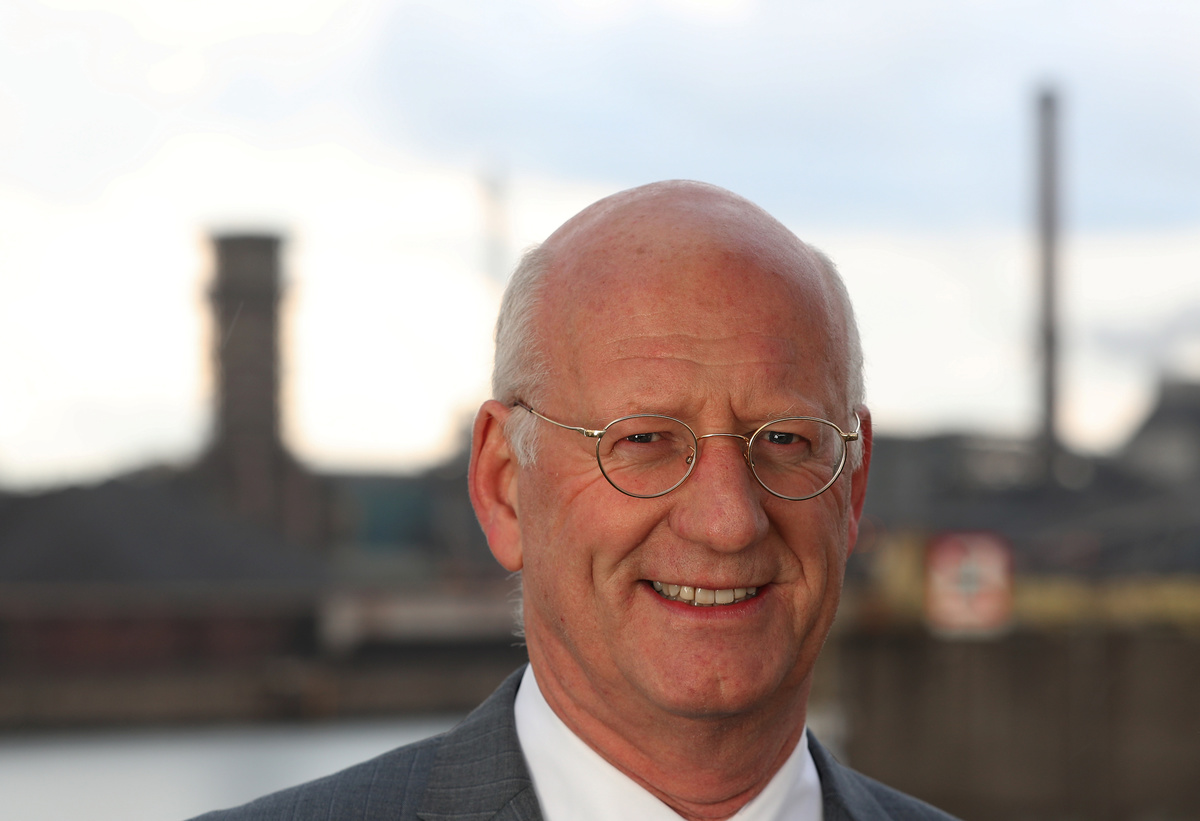
"A national tax, on top of the ETS, could kill our business, without helping the climate in any way," he said. "This is a cut-throat business - if our prices rise too much, demand will move elsewhere."
CAPTURING CARBON

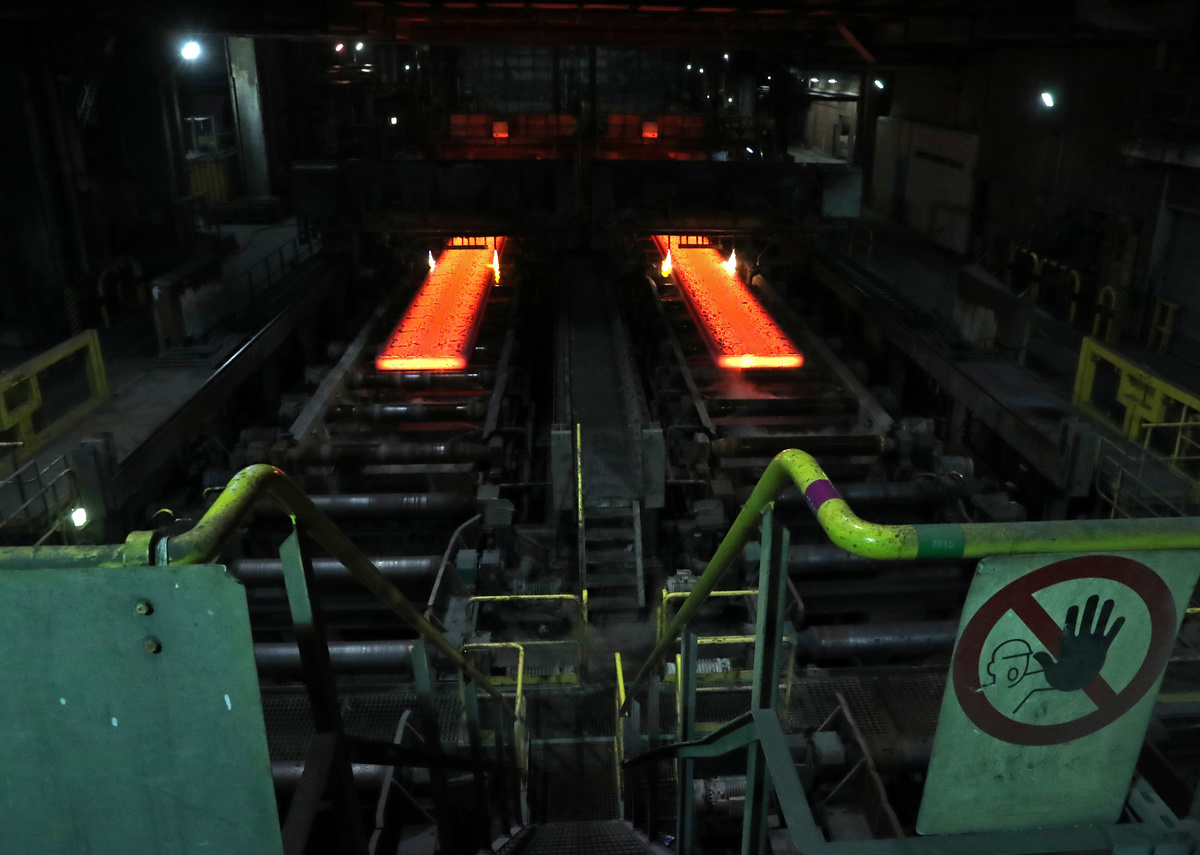
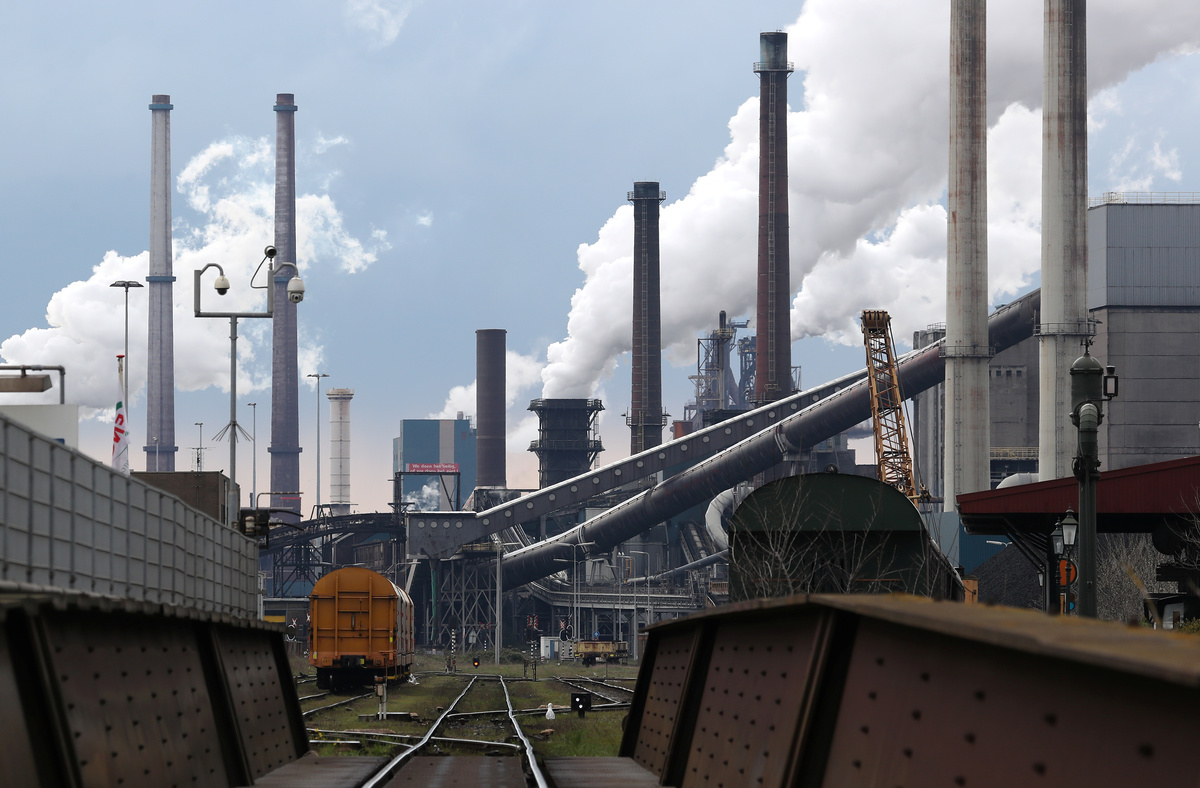
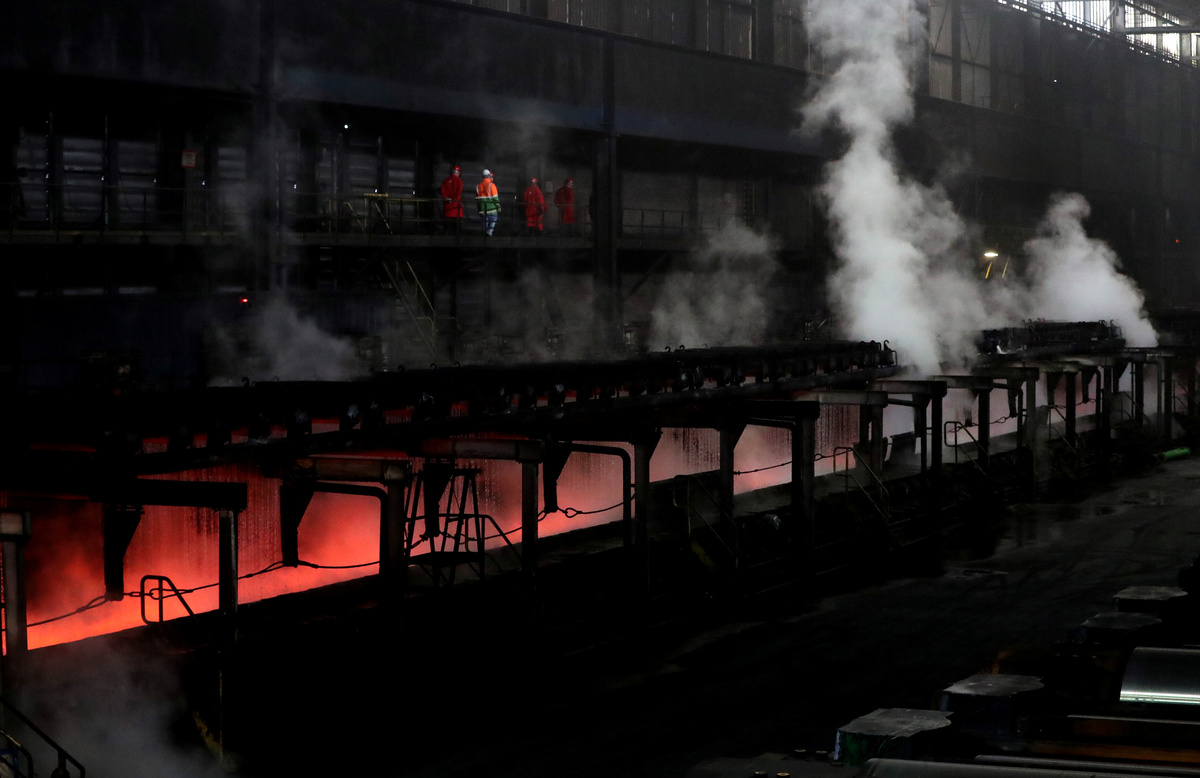
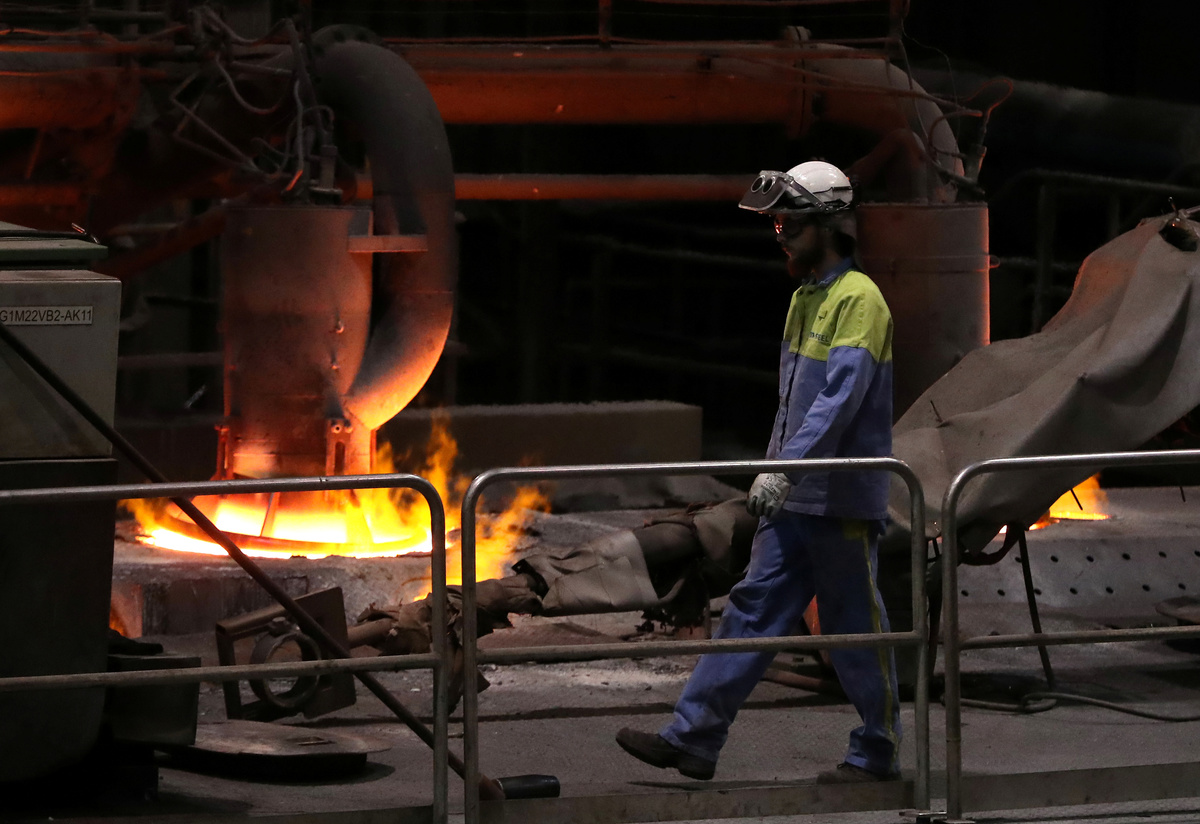
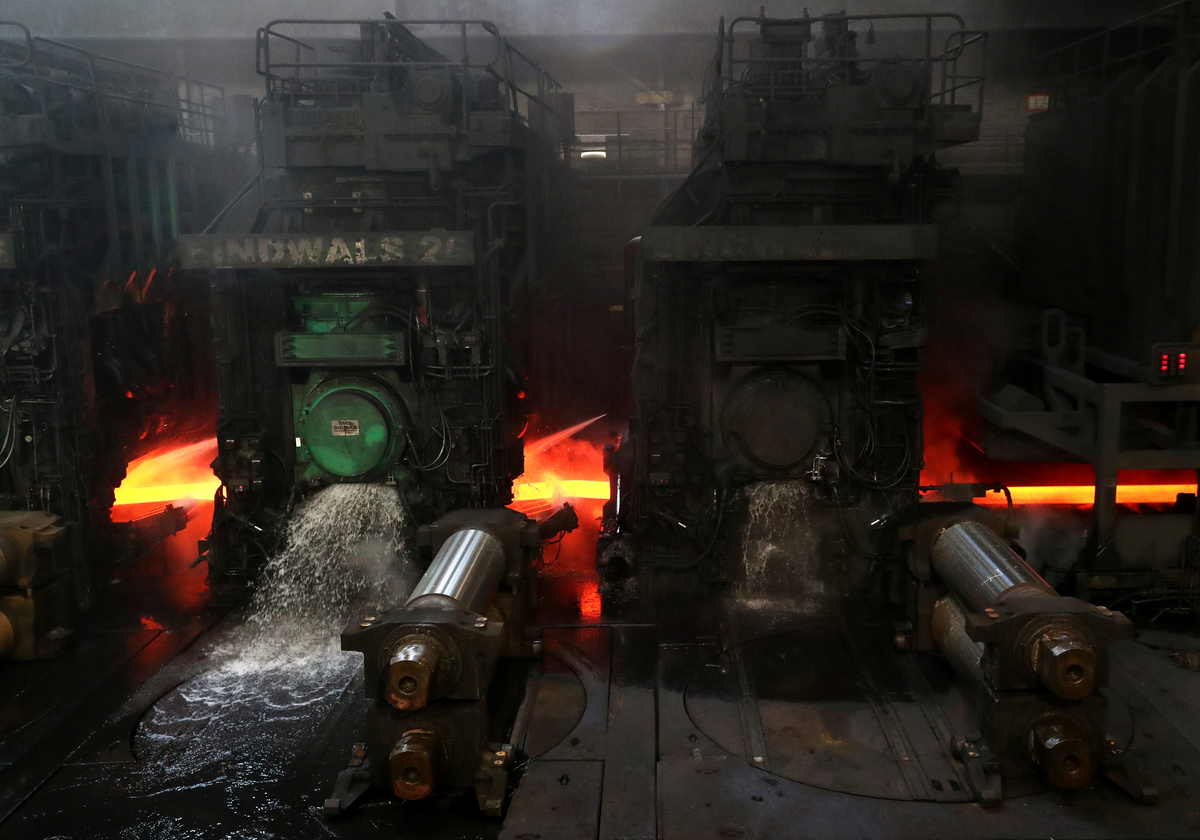
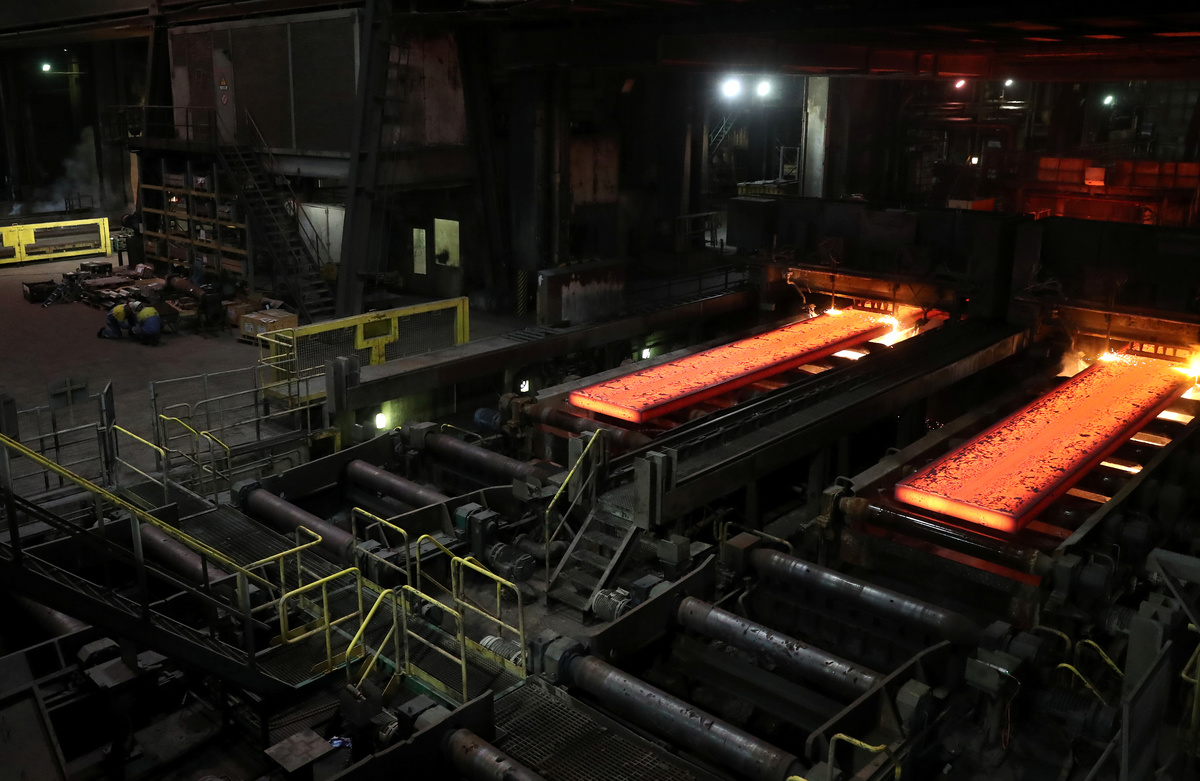
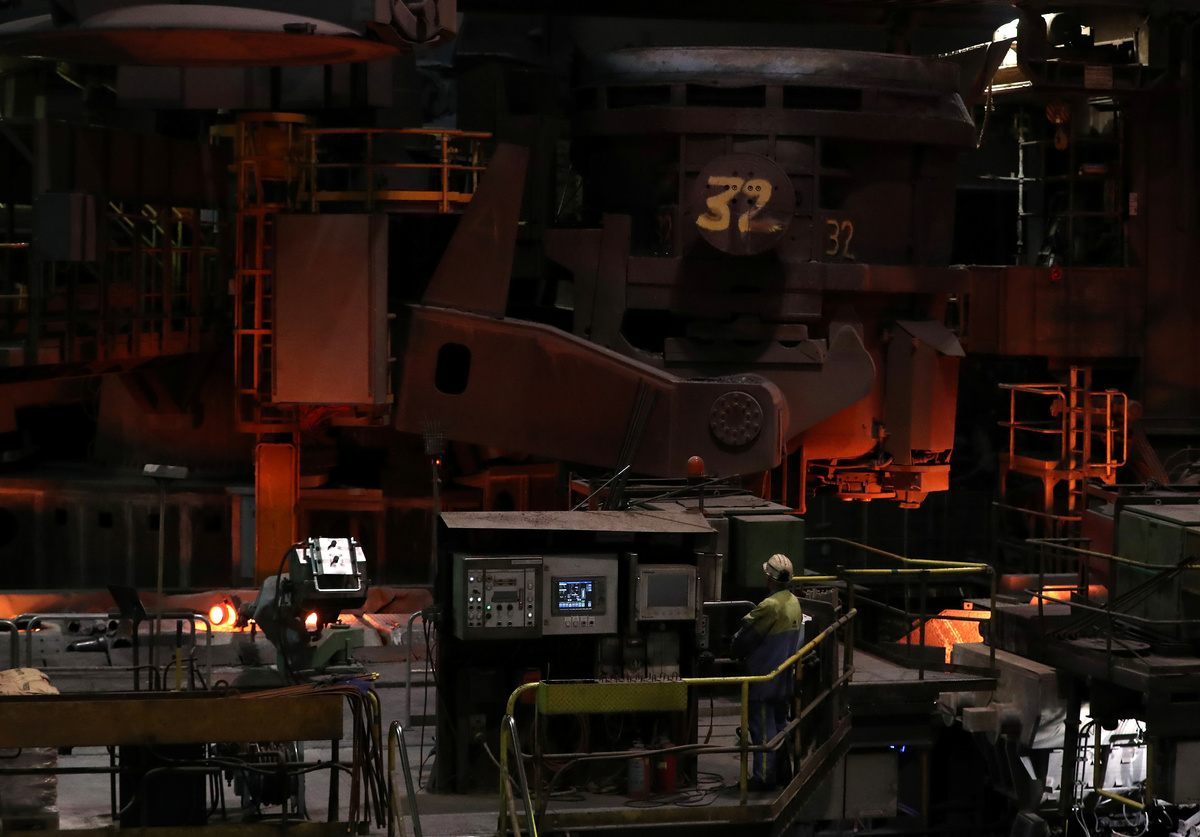
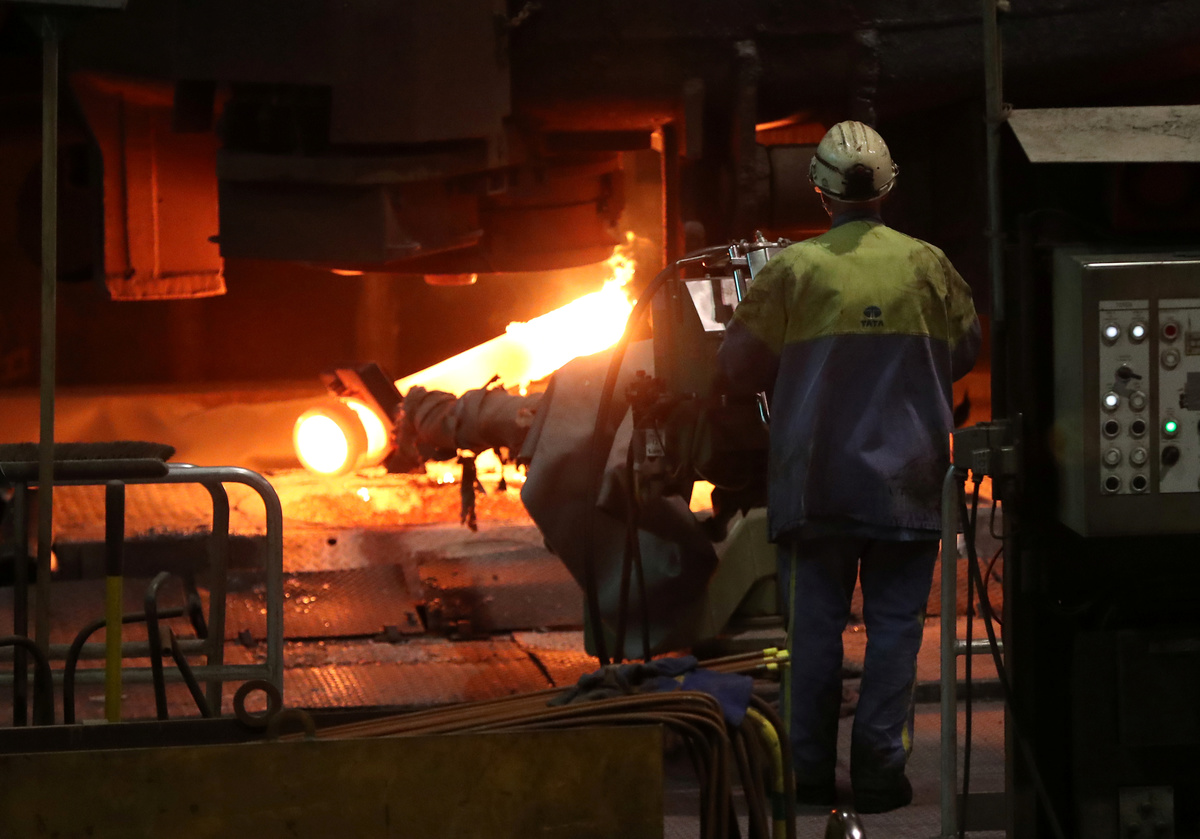
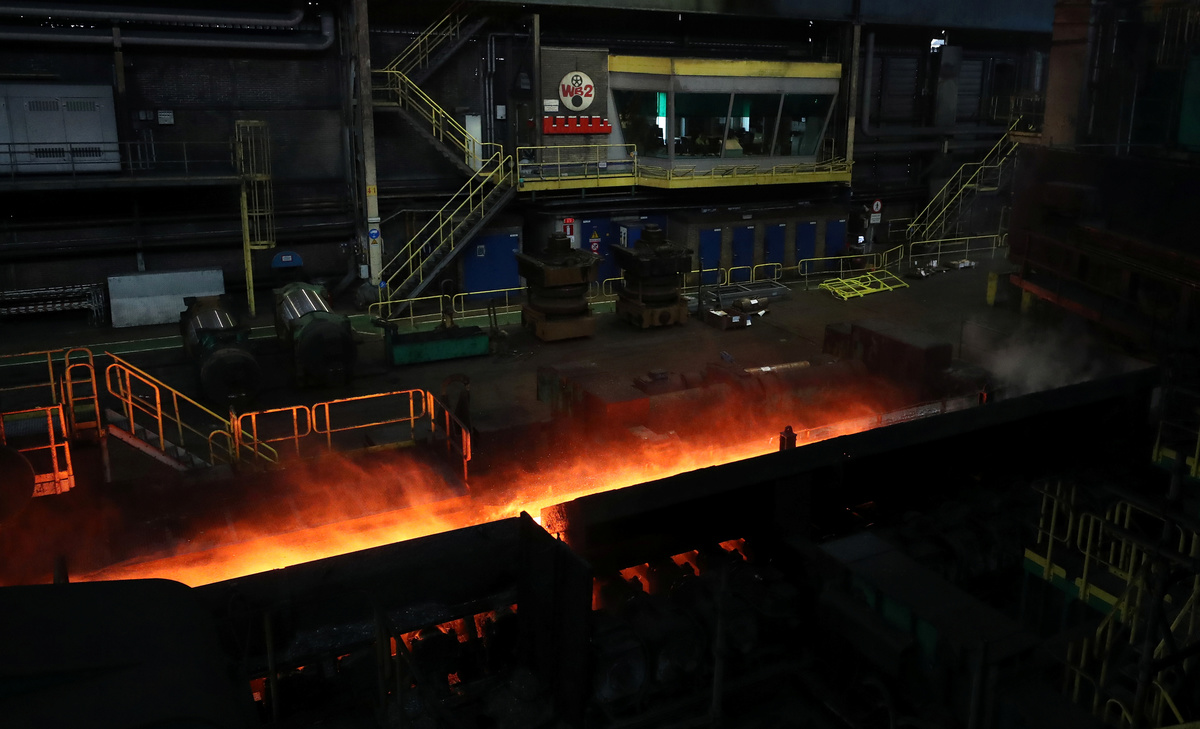
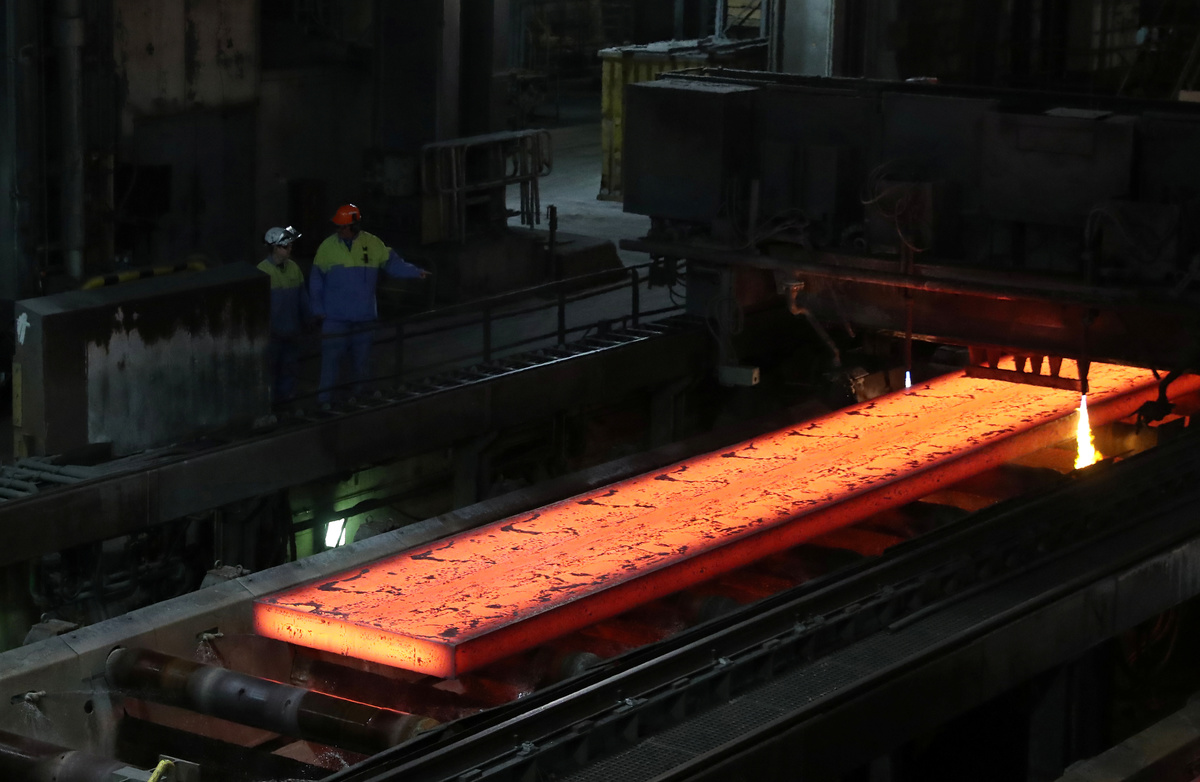
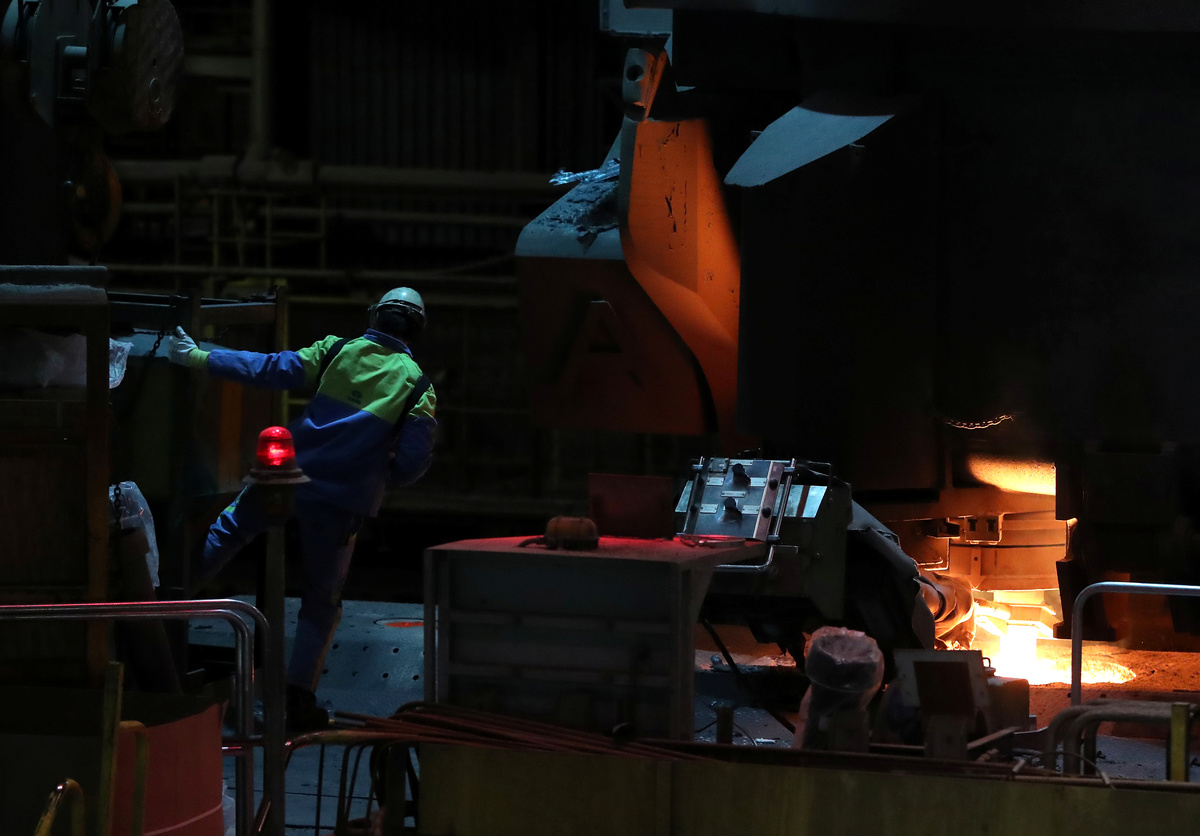
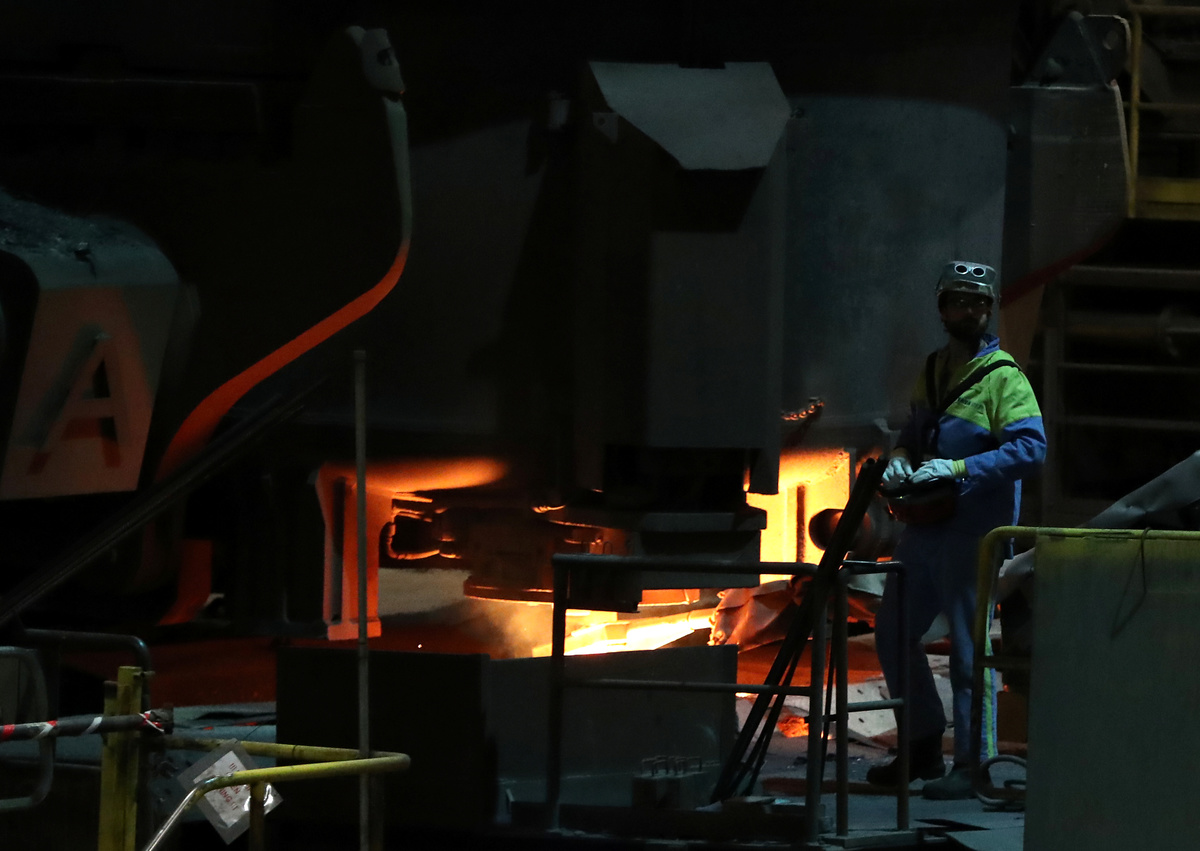
Tata Steel, which employs around 9,000 people in its factories at IJmuiden, about 25 km northwest of Amsterdam, says it has a clear strategy of its own to slash its emissions - the plan submitted to the government.
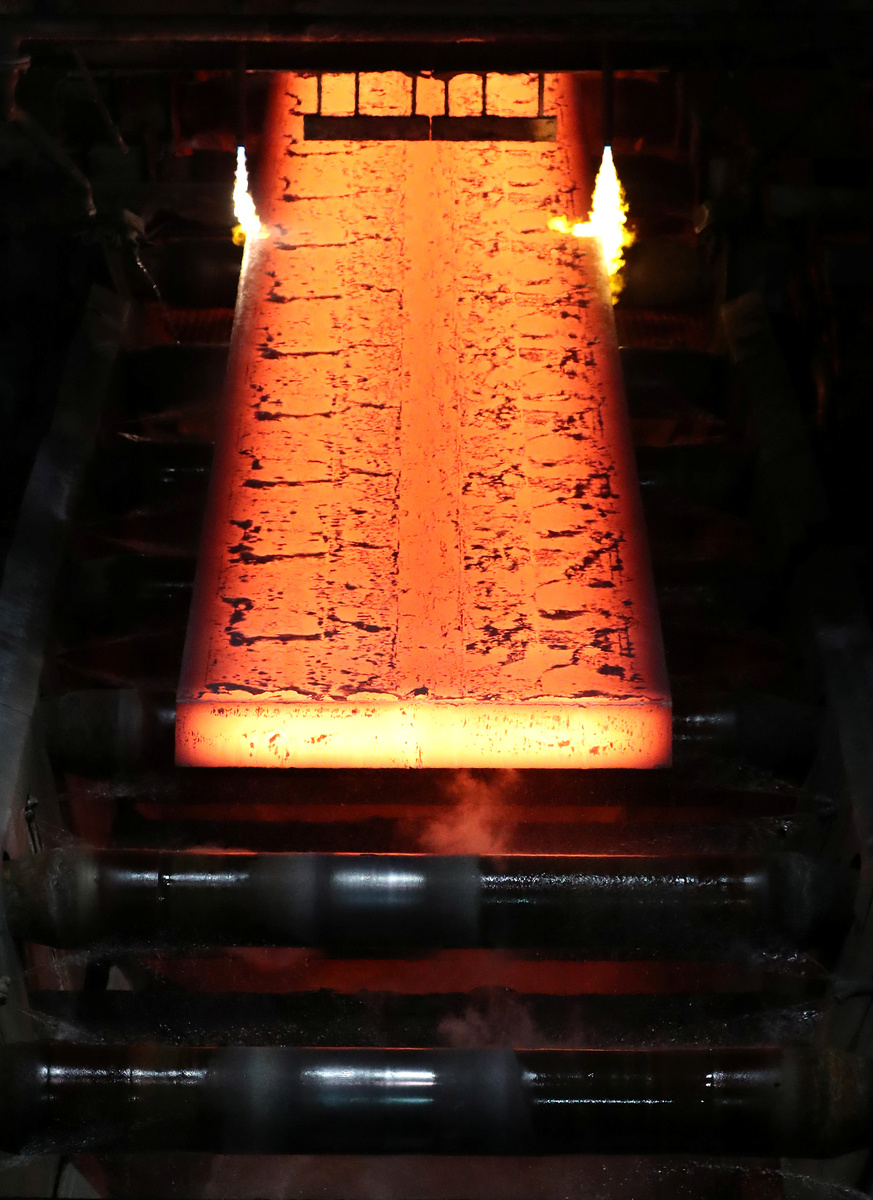
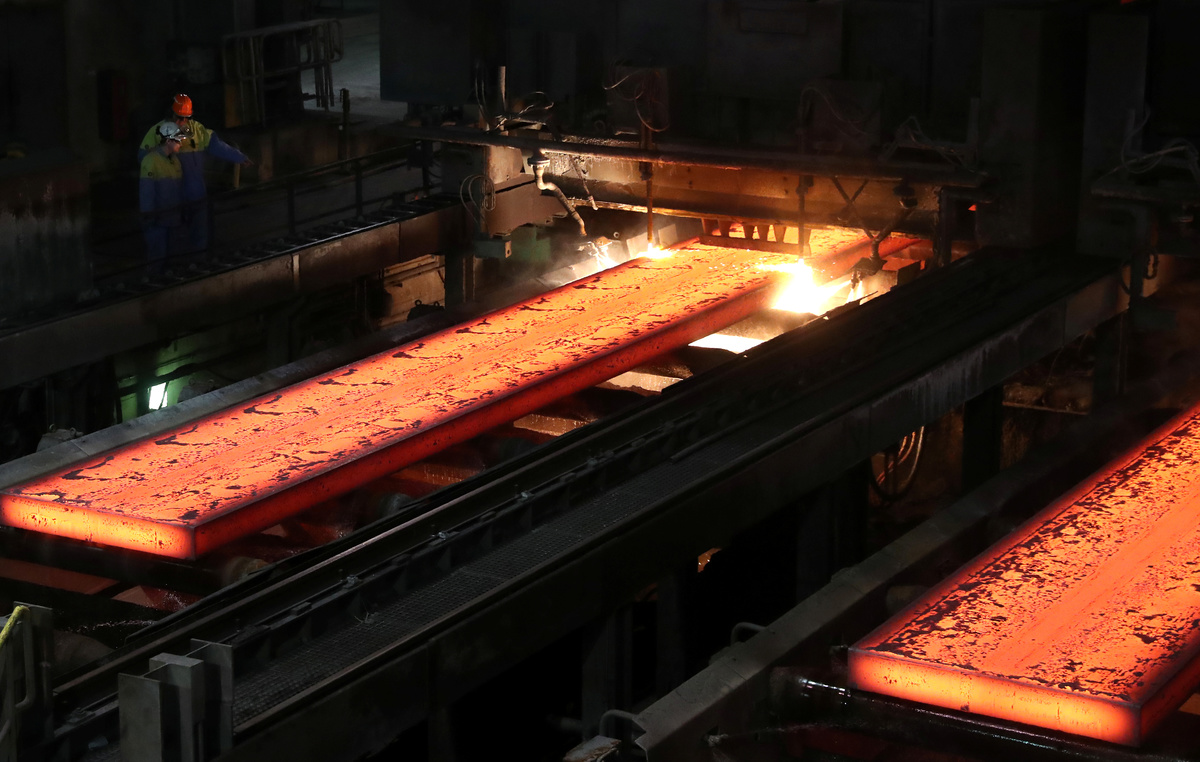
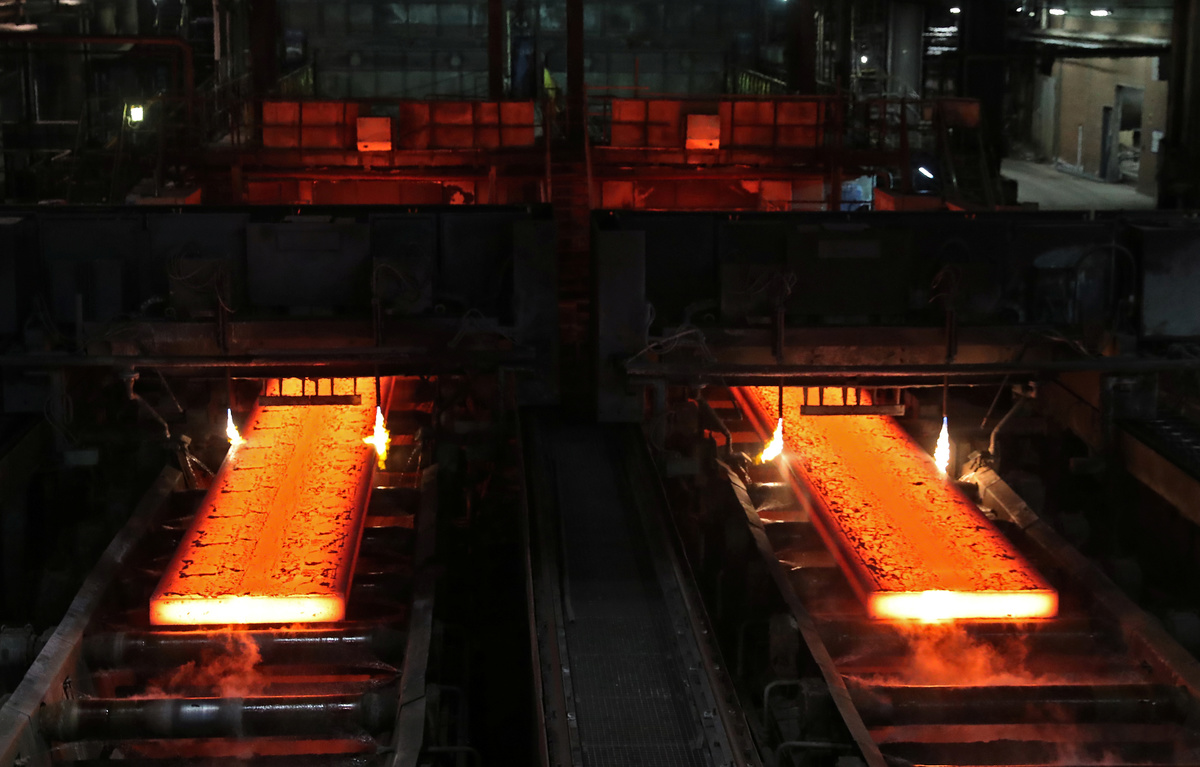
It told Reuters it had developed an energy-efficient alternative to its blast furnace, which cut emissions by 20 to 50 percent during a pilot project. It said it could build a larger version at IJmuiden by 2030 which could produce 1 million tonnes of steel a year, about a sixth of the plant's output.
However, to reduce the site's pollution in line with the Dutch target of halving CO2 emissions by 2030, Henrar said the government would need to build the undersea carbon capture site.
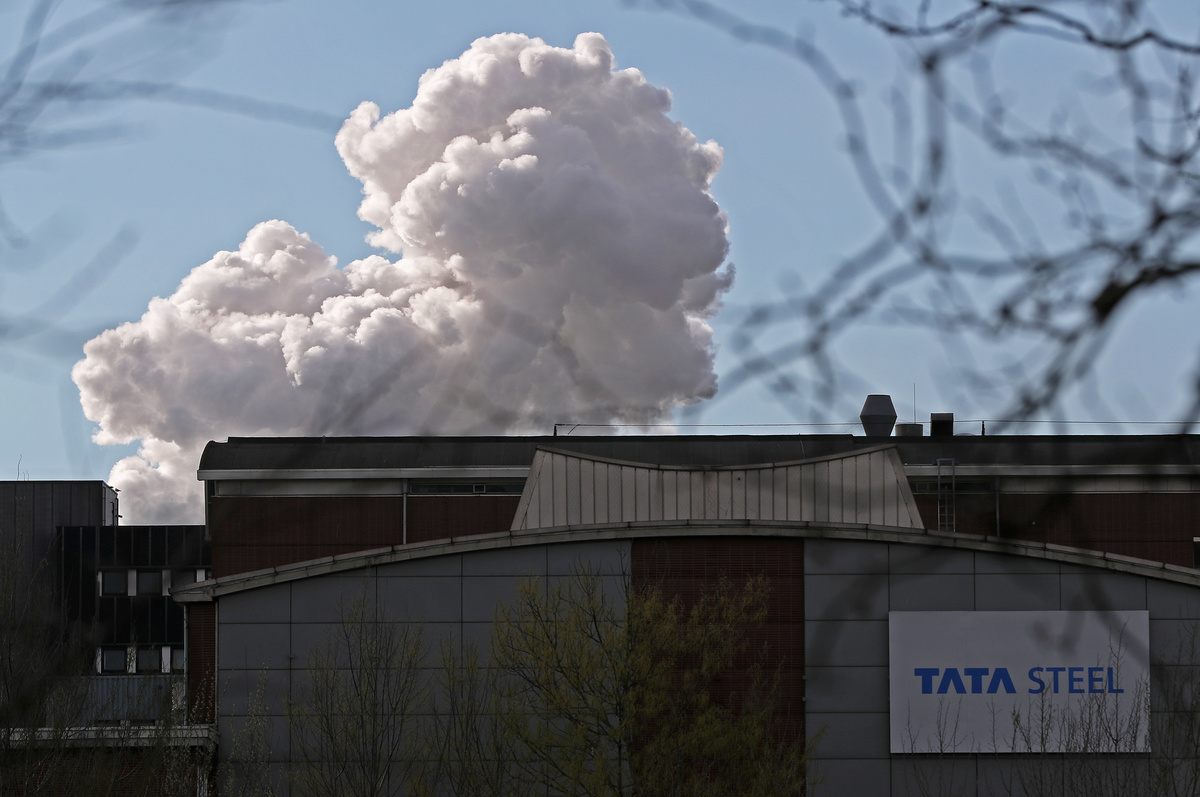
This would include building pipelines to transport CO2 from factories to empty gas fields deep under the sea. The carbon would be stored, possibly for future use in chemical processes.
"In combination with carbon capture and storage we would increase our CO2 reductions up to 80 percent," Henrar said.
The Dutch government has said carbon capture and storage will be part of its climate strategy, but has not committed to any investments.
Leo Meyer, a Dutch former project leader for the U.N. Intergovernmental Panel on Climate Change, told Reuters a carbon tax was essential. But he said the Netherlands, like many other nations, would still struggle to meet its goals under the Paris deal, meant to limit global warming to 1.5 degrees Celsius in 2050.
Recent climate models predict global warming will top 2 degrees by 2050 which could translate to a rise of around 3 degrees in the Netherlands, according to Meyer.
The rapid rise of sea levels caused by such warming could one day pose a major threat for the country, which already has over a quarter of its land below sea level, he warned.
"There is a real risk the country ultimately disappears under the sea, and our grandchildren's grandchildren become climate refugees."
(GRAPHIC: Emissions and energy in EU - https://tmsnrt.rs/2XIzjC6)
(Reporting by Bart Meijer; Editing by Pravin Char)




.png?w=600)








