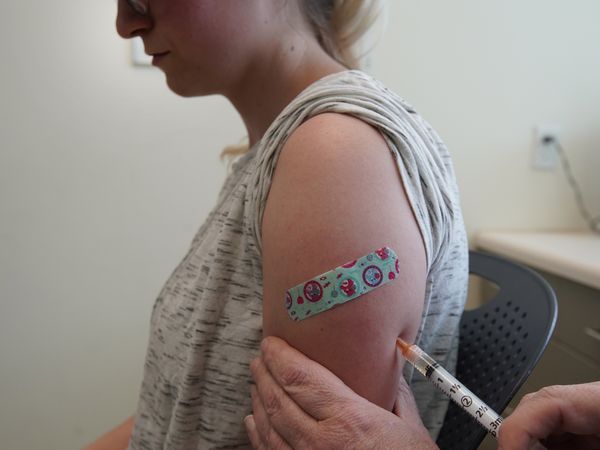
The University of Arizona has opened a clinical trial testing whether GLP-1 receptor agonist drugs — the class that includes semaglutide (Ozempic, Wegovy) and tirzepatide (Mounjaro, Zepbound) — can be safely used alongside standard chemotherapy in patients with metastatic pancreatic, colorectal, or hepatocellular (liver) cancer.
The trial is registered with ClinicalTrials.gov under identifier NCT07627191, with an estimated start date of June 30, 2026, and an estimated completion date of June 30, 2028. The trial is sponsored by the University of Arizona.
The trial addresses a direct and pressing clinical question: as GLP-1 drugs have become among the most widely used medications in the United States, more cancer patients are taking them at the time of a cancer diagnosis — and neither patients nor oncologists currently have clear clinical evidence to guide the decision of whether to continue, pause, or stop GLP-1 therapy during chemotherapy.
Why This Matters
GLP-1 receptor agonist drugs have been prescribed to or used by more than one in eight American adults. They are approved for Type 2 diabetes management, cardiovascular risk reduction, and weight management. As their use has expanded dramatically, the patient population taking them now includes many people who are simultaneously navigating serious illnesses, including cancer.
Chemotherapy profoundly alters how the body processes nutrition, manages weight, maintains energy reserves, and handles medications. GLP-1 drugs affect appetite, gastric emptying, insulin secretion, and weight through mechanisms that interact — in ways not yet established clinically — with how the body responds to and recovers from cytotoxic chemotherapy regimens.
At ASCO 2026, emerging evidence spanning breast cancer prevention, metastatic progression across multiple tumor types, and outcomes in patients receiving chemotherapy was presented — signaling a shift in how GLP-1 drugs are perceived in oncology practice. But most of this emerging evidence is observational. No controlled clinical trial had previously established whether it is safe to continue GLP-1 therapy during active cancer treatment, which is precisely why this trial was opened.
What We Know So Far
The University of Arizona trial is specifically designed for patients with metastatic (spread) disease in three cancer types: pancreatic cancer, colorectal cancer, and hepatocellular carcinoma (primary liver cancer). These are cancers where malnutrition, weight loss, and metabolic disruption are already major clinical challenges, making the safety question around GLP-1 co-administration particularly important.
The trial's primary objective is to establish safety: whether GLP-1 drugs can be administered alongside standard first-line chemotherapy regimens without increasing adverse effects, treatment interruptions, or other harms. A secondary objective is to generate preliminary data on whether GLP-1 drugs affect chemotherapy efficacy or cancer outcomes in this patient population.
The trial is not yet recruiting as of July 8, 2026. Patients interested in participating should monitor ClinicalTrials.gov NCT07627191 for enrollment status updates.
The Clinical Context: Why Oncologists Are Asking This Question Now
The question this trial addresses is not hypothetical. Oncologists nationwide are already seeing patients who arrive at a cancer diagnosis while taking semaglutide or tirzepatide for weight management or diabetes. These patients want to know whether they should continue, and oncologists often do not have evidence-based guidance to offer.
The three cancer types selected for this trial are not arbitrary. Pancreatic cancer is associated with profound metabolic disruption — including new-onset diabetes in many patients — and appetite loss is nearly universal. Colorectal cancer patients on FOLFOX or FOLFIRI regimens commonly experience significant gastrointestinal side effects that overlap with known GLP-1 effects. Hepatocellular carcinoma patients frequently have underlying liver disease that alters drug metabolism.
What Doctors and Experts Say
The trial design reflects what is missing from the current evidence base: not observational data on cancer patients who happened to be taking GLP-1 drugs, but a prospectively designed study with a defined patient population, standardized chemotherapy regimens, and structured safety monitoring.
Cancer patients who are considering starting or continuing a GLP-1 drug should not make that decision based on current anecdotal or observational data alone. The honest answer, for now, is that the evidence is insufficient to confidently guide the co-administration decision in either direction — which is precisely why this trial was opened.
What the Evidence Shows — and What It Does Not
MedicalDaily Evidence Check
- Study type: Clinical trial (phase and design details pending full protocol publication)
- NCT number: NCT07627191
- Institution: University of Arizona
- Cancer types studied: Metastatic pancreatic cancer, colorectal cancer, hepatocellular carcinoma
- Estimated enrollment period: June 2026 – June 2028
- What it seeks to find: Safety and preliminary efficacy of GLP-1 receptor agonist drugs combined with standard first-line chemotherapy
- What it does not yet prove: Nothing yet — the trial is not yet recruiting. No results exist
- What readers should know: This trial addresses a real and urgent clinical question; do not change GLP-1 or chemotherapy plans based on the trial's existence alone
Who Should Be Aware of This Trial
- Adults with a diagnosis of metastatic pancreatic, colorectal, or hepatocellular (liver) cancer who are also taking a GLP-1 drug for diabetes, weight management, or cardiovascular risk reduction
- Cancer patients who have been asked by their oncologist to stop a GLP-1 drug before or during chemotherapy and want to understand what the current evidence says
- Patients who have been taking semaglutide or tirzepatide and recently received a cancer diagnosis
- Oncologists and oncology nurses navigating co-prescribing questions in patients with GLP-1 prescriptions
Symptoms That Cancer Patients on GLP-1 Drugs Should Watch For
Cancer patients on GLP-1 therapy during or around chemotherapy should tell their oncologist immediately if they experience:
- Significant unintended weight loss beyond what is expected from chemotherapy
- Persistent nausea or vomiting that prevents adequate food intake for more than 48 hours
- Signs of severe dehydration: dizziness, dark urine, confusion
- Blood sugar fluctuations that are unusual for their baseline pattern
- Any new or unusual gastrointestinal symptoms beyond their typical chemotherapy side effects
What You Can Do Now
Talk with your oncologist before making any changes. If you are taking a GLP-1 drug and have been diagnosed with cancer, do not stop or continue GLP-1 therapy based on this article. Discuss the decision with your oncology team.
Ask about clinical trial eligibility. If you have metastatic pancreatic, colorectal, or hepatocellular cancer and are also on a GLP-1 drug, ask your oncologist whether the University of Arizona trial may be relevant to your care as enrollment opens.
Monitor ClinicalTrials.gov. The trial's status can be tracked at ClinicalTrials.gov NCT07627191. When the trial opens enrollment, patients at participating institutions may be eligible.
Cost and Access: What Patients Should Know
Clinical trial participation is typically provided at no cost to the patient — the institution and its funders cover the cost of study-related interventions. Patients who participate in a clinical trial retain the right to withdraw at any time. Questions about participation can be directed to the University of Arizona Health Sciences.
What Happens Next
The University of Arizona trial is estimated to complete data collection by June 2028. Results from the trial would represent the first controlled clinical evidence on GLP-1/chemotherapy co-administration in metastatic cancer — a finding that could meaningfully change oncology practice guidelines. MedicalDaily will follow the trial's enrollment, interim findings, and final results as they become available.
The Bottom Line
The University of Arizona has opened the first clinical trial directly addressing whether GLP-1 drugs are safe for patients actively undergoing chemotherapy for metastatic pancreatic, colorectal, or liver cancer. The trial does not yet have results — but it exists because thousands of cancer patients and their oncologists are already wrestling with this question without adequate clinical evidence. Cancer patients currently taking a GLP-1 drug should discuss co-administration with their oncologist, not make changes on their own, and monitor ClinicalTrials.gov for enrollment updates.
.jpg?w=600)