As the end of the year draws to a close, the travel industry starts to predict what sort of trends will shape the trips people will take in 2026.
While predicting travel trends can be a useful tool for booking platforms, hotels and travel companies, sometimes these “trends” become rather outlandish – and there are a number we’ve spotted this year that we’re unconvinced are really going to take off, or perhaps feel have always been a constant interest among travellers instead of a passing fad.
Factors such as cost of living, countries’ political situations and climate change continue to morph how we travel, but this year the industry is also taking a closer look at groups who base their travel on cosmic timing and astrology, as well as those who visit a destination purely for skincare stores, or even to live out a “romantasy” inspired by fictional books.
In reality, these sorts of travel trends are a bit of fun and can simply be a dose of inspiration, so we have decided to round up the most interesting and borderline ridiculous trend predictions for 2026 that have come across our desks.
Glowmads
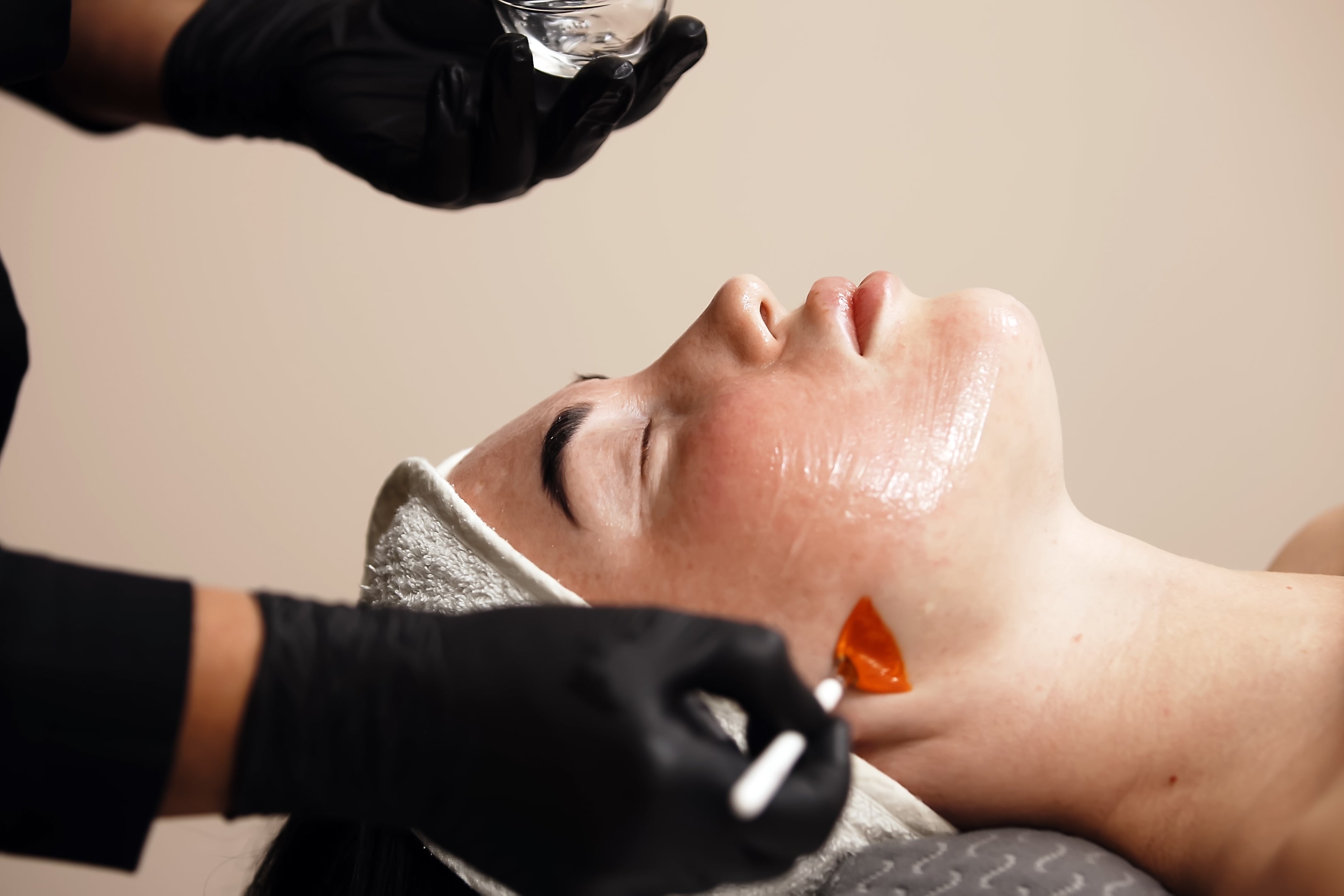
According to Skyscanner, 27 per cent of Gen Z “glowmads” are planning to experience local beauty culture and visit skincare stores while travelling in 2026. The beauty “trend” has spilt over to social media with trips to South Korea and Japan for facials, personal colour analysis and visits to scalp spas being promoted by influencers on TikTok. Travelling for beauty isn’t anything new. Travellers have long dunked into the sea to enjoy its restorative effects on the skin and flown far and wide seeking the kind of bronze-y glow you can’t achieve from a bottle. But while a small handful of skincare “glowmads” will be jetsetting with serums and beauty rituals in mind, I think the vast majority of tourists are likely taking off only in search of suncream. – Natalie Wilson, senior travel writer.
Creating a ‘shelf-ie’
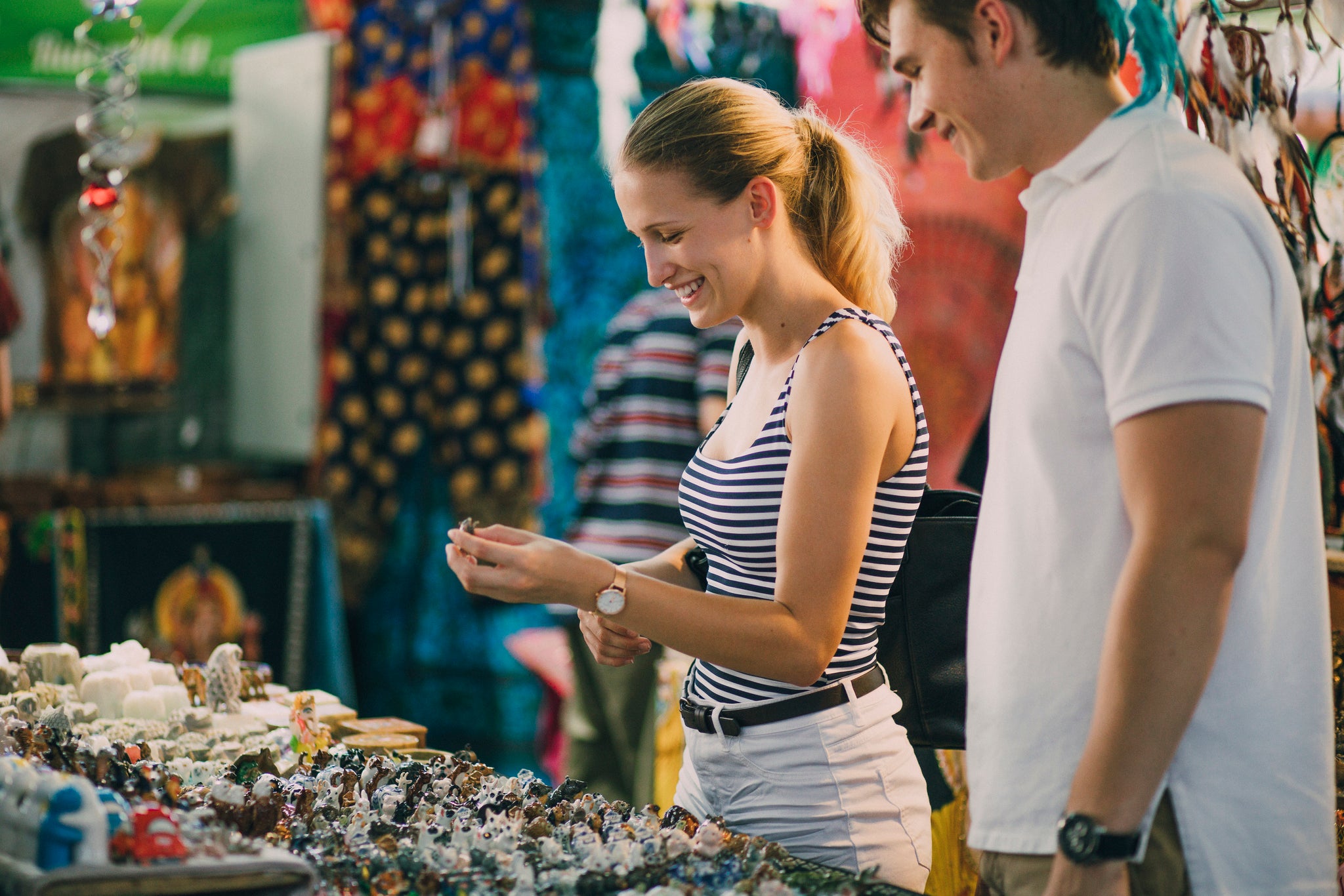
Hotel booking giant Booking.com has predicted that “shelf-ie” souvenirs will take off in 2026, meaning that travellers are more likely to be in search of an elevated memento to take and display in their homes – rather than purchasing the standard magnet or beaded bracelet. The company predicts that a quarter of holidaymakers will be seeking a souvenir that they appreciate for its local craft, sustainability and tradition. I like this idea, as supporting local businesses, giving back to the community and taking something more authentic than a bottle opener home is important. Yet, holidays are expensive, and I suspect only a few travellers will have the spare cash (and the luggage space) to splash out on the high-priced artisan trinkets to bring home with them.
However, it would be great if this trend took off and saw travellers being more mindful about where they shop, as well as considering if it's worth spending a little more on something authentic. Social media can also heavily influence the desire to line our shelves with cute and colourful objects, so I’d urge travellers to only purchase an item if it really means something to them, rather than falling victim to overconsumption. – Amelia Neath, travel writer.
Neurosurfing
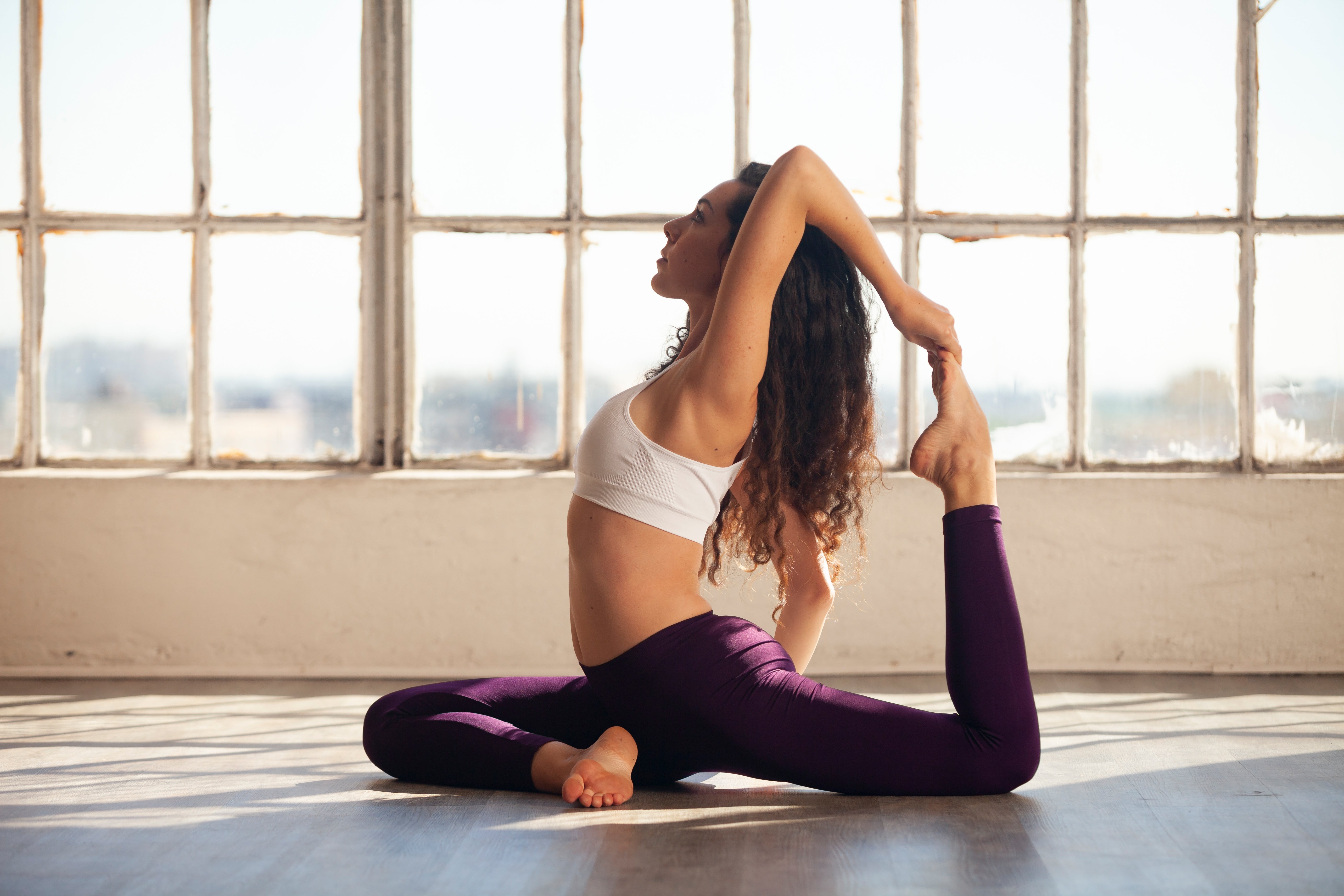
According to British Airways Holidays, you've been relaxing all wrong. In a trends report drenched in pseudo-science, the firm declares that digital detoxing and fly-and-flop holidays “aren't producing the calm ‘alpha’ brainwaves real rest requires”, leading to a rising interest in "neurosurfing", holidays designed to deliver high-impact relaxation through "curated shifts in brainwave states rather than stillness”. Neurosurfers, we're told, want a combination of multisensory experiences that “ripple across beta, alpha, theta and delta states”, such as yoga, meditation, drumming lessons, flotation tanks, cold plunges and “modern biohacks”, developmental drawings and binaural beats.
To me, this sounds like a recipe for increasing stress levels, not lowering them, with travellers – instead of properly switching off – now burdened with monitoring whether their brains are doing calm "properly". – Ted Thornhill, US travel editor
Destined-ations

While I can certainly see why this would seem like a fun idea (and I've no doubt that whoever came up with “destined-ations” may have found the name irresistible), but I just can’t believe that a significant number of people are going to choose their next holiday based on astrology.
I did a cursory Google of the places I should visit according to my star sign (I stopped short of investigating my sun, moon and and rising signs) and was told I might want to consider Rome, Istanbul, Dublin and Gran Canaria. All lovely places and good recommendations, but none of which I have a particular desire to visit in 2026 – and certainly no more so now that I’ve been told they’re a good fit for a Libra. Although I’m sure a few people who are very into astrology might allow their signs to dictate their travels in 2026, I suspect it’s going a bit far to suggest it’s a “trend”.
I do agree with Booking.com, which says that the younger generations are more attuned to “a sense of spiritual exploration”, but realistically I think it’s highly impractical for the vast majority of holidaymakers to plan trips based on moon phases or cancel a getaway because mercury is in retrograde – Annabel Grossman, global travel editor
Noctourism cruises
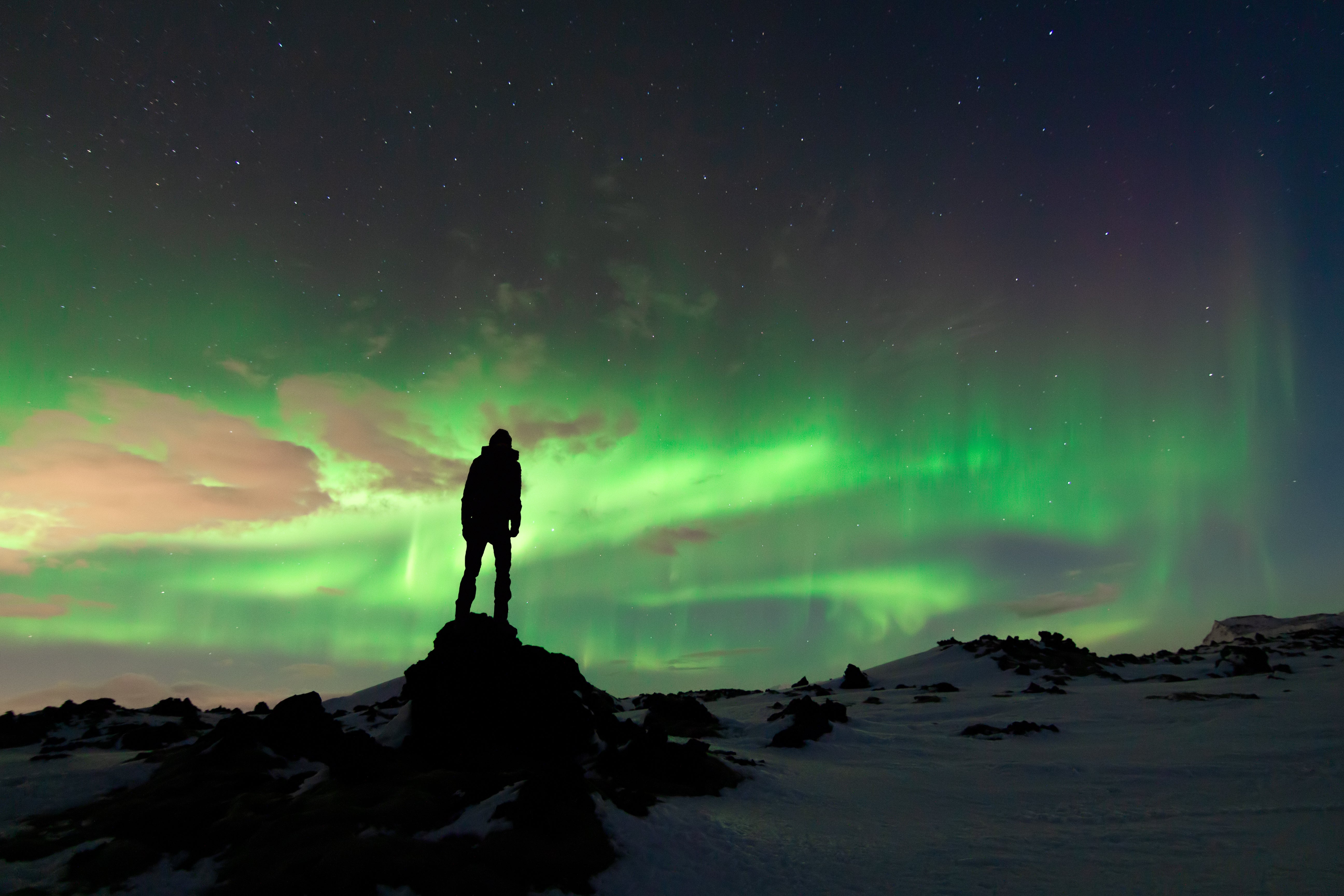
Increasing numbers of cruise lines appear to have adopted the term “noctourism”. This is essentially activities you do at night but covers everything from seeing the northern lights to immersive dining experiences. Expect this to ramp up in the coming months with the total solar eclipse in 2026.
But evening activities on a cruise are already well-established and it feels like many of these standalone magical experiences such as witnessing the aurora borealis already sell themselves without another marketing buzzword. - Marc Shoffman, cruise editor
Chronocations

The British Airways Holidays 2026 report has defined “chronocations” as holidays which tap “into our growing desire to live in sync with our biological chronotypes rather than the rigid rhythms of modern life.” In layman’s terms this means: to do what you want, when you want.
Surely this is what many know as being on “holiday time”? Or the average trip for a hardened Type B, who has no real plan beyond check-in. Our desire to break free from routine is why people have long romanticised the Italian sentiment of “la dolce far niente”, or travel to Spain hoping a “mañana mañana” mentality will rub off on them.
“Ignoring the clock entirely” as the trend suggests, is frankly, wildly impractical. Good luck demanding it’s lunchtime during a small town’s siesta hour, or getting into a tourist attraction past closing time. Plus, jet lag is bad enough, without consciously avoiding adjusting to a new time zone. It sounds like a recipe for stress and being hangry to me.
So if the aim is to slow down and reset, I’d suggest people head to an all-inclusive or a wellness retreat with a very flexible timetable over taking a so-called chronocation. – Hayley Spencer, assistant travel editor
Hushpitality
Playing videos on your phone at volume? Or conducting telephone calls on loudspeaker in public places? You are my nemesis. Much has been written about how the pandemic disrupted social norms and basic courtesy, with private behaviour leaking into the public sphere. Couple this with rising levels of stress and anxiety in an increasingly polarised world, and simply being out and about – particularly in large cities such as London – can often feel exhausting and overwhelming.
According to research by Hilton, travellers’ number one motivation for leisure travel in 2026 is to rest, recharge and seek out destinations and experiences to “dial down life’s distractions”. It’s a trend they’re calling “hushpitality”, which I’m not even mad about. Top desires expressed include spending time in nature, improving mental health and spoiling themselves with “me time”. Has someone read my vision board? “Whether it’s embracing the soothing sounds of ocean waves, enjoying a crackling campfire or soaking in the serenity of a spa, travellers are craving moments of calm as a departure from the busyness of their daily routines,” they state.
The hotel giant cites Cancun, Honolulu, Orlando, Bali and the Maldives as destinations travellers in search of “hushpitality” are particularly interested in, places I’d argue that even the most antisocial of travellers would struggle to remain stressed in. It might sound ridiculous, but I say, sign me up. Until then, invest in some earphones – and keep the noise down. –Joanna Whitehead, travel writer.
TikTok reveals the travel destinations most popular among Brits
Airplane ‘lost’ for 13 years turns up in airport parking bay
The Christmas travel chaos to expect this year
SWR train trials Elon Musk’s Starlink satellite internet
I have discovered the best value for money hotels in Venice
Passengers face Christmas travel chaos amid ferry queues and train cancellations