Global warming reshapes almanac for tea growers in China's Yunnan
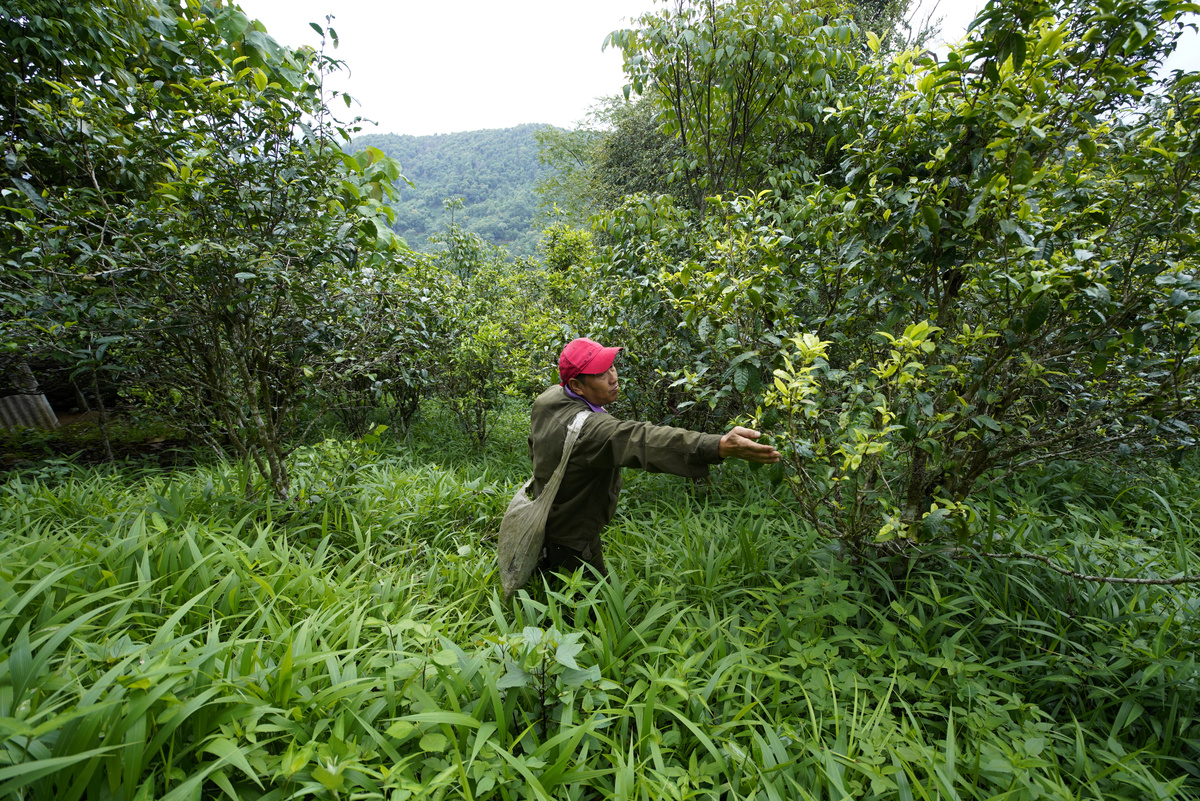
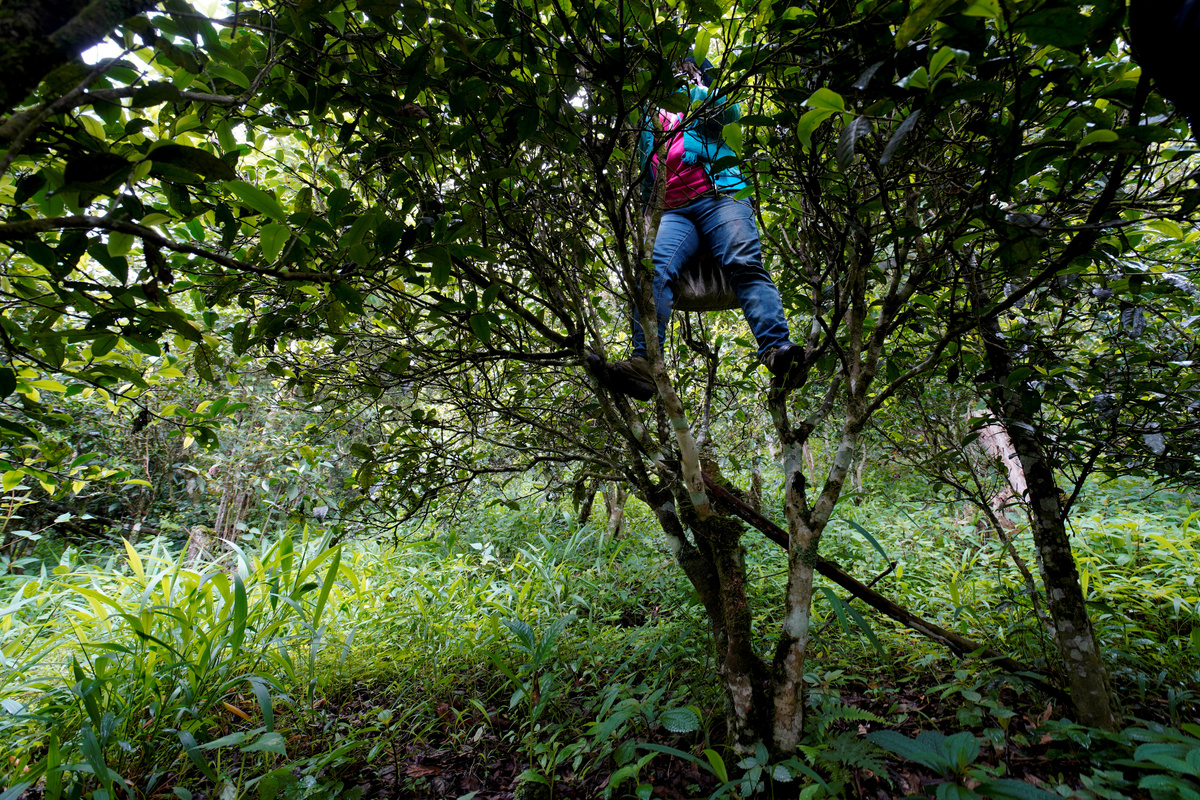
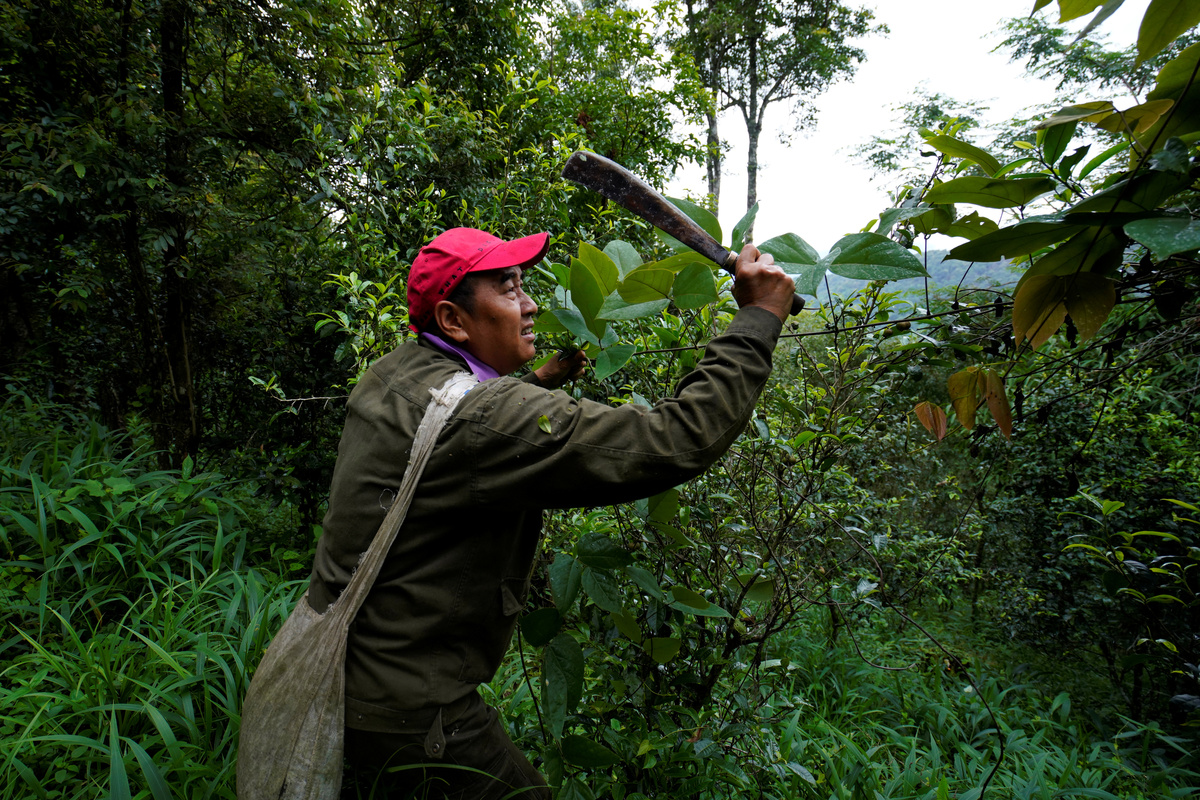
Qiu Liu, 48, an ethnic Aini tea farmer, clears weeds at his tea plantation at a mountain village in Nannuoshan in Xishuangbanna Dai Autonomous Prefecture, Yunnan Province, China, July 12, 2019.REUTERS/Aly Song
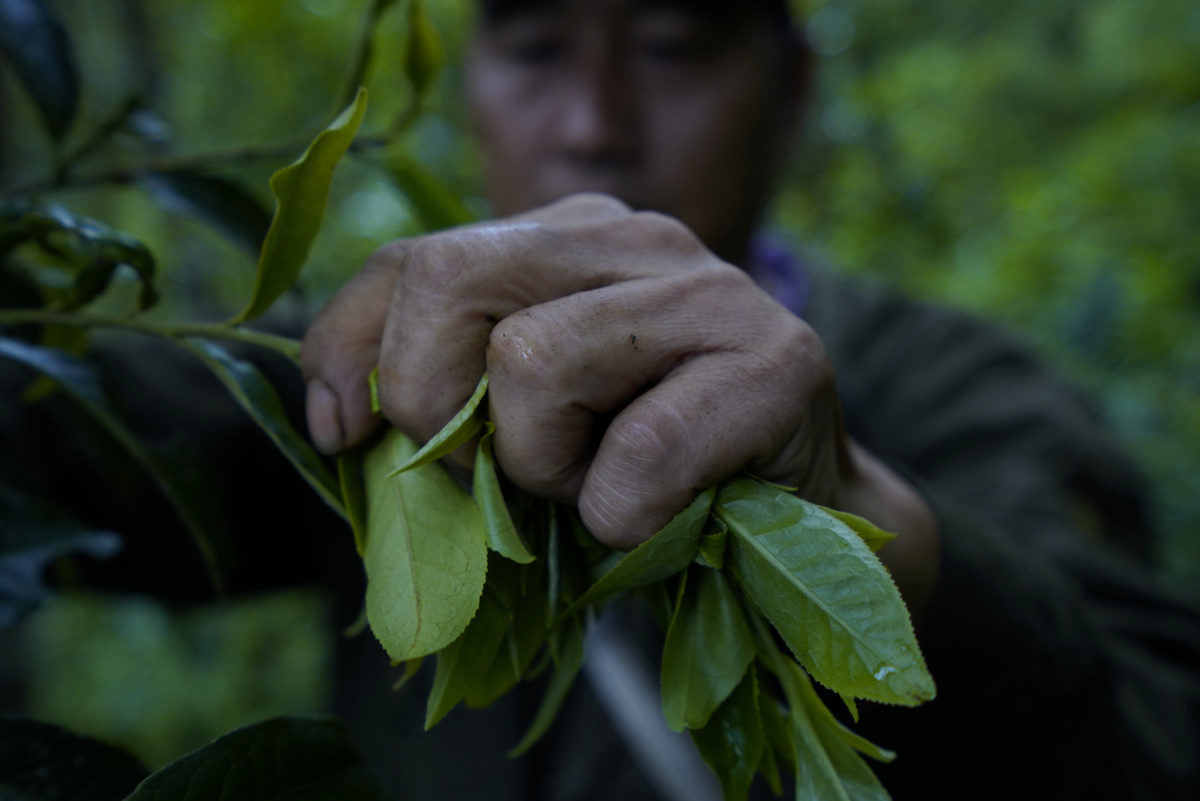
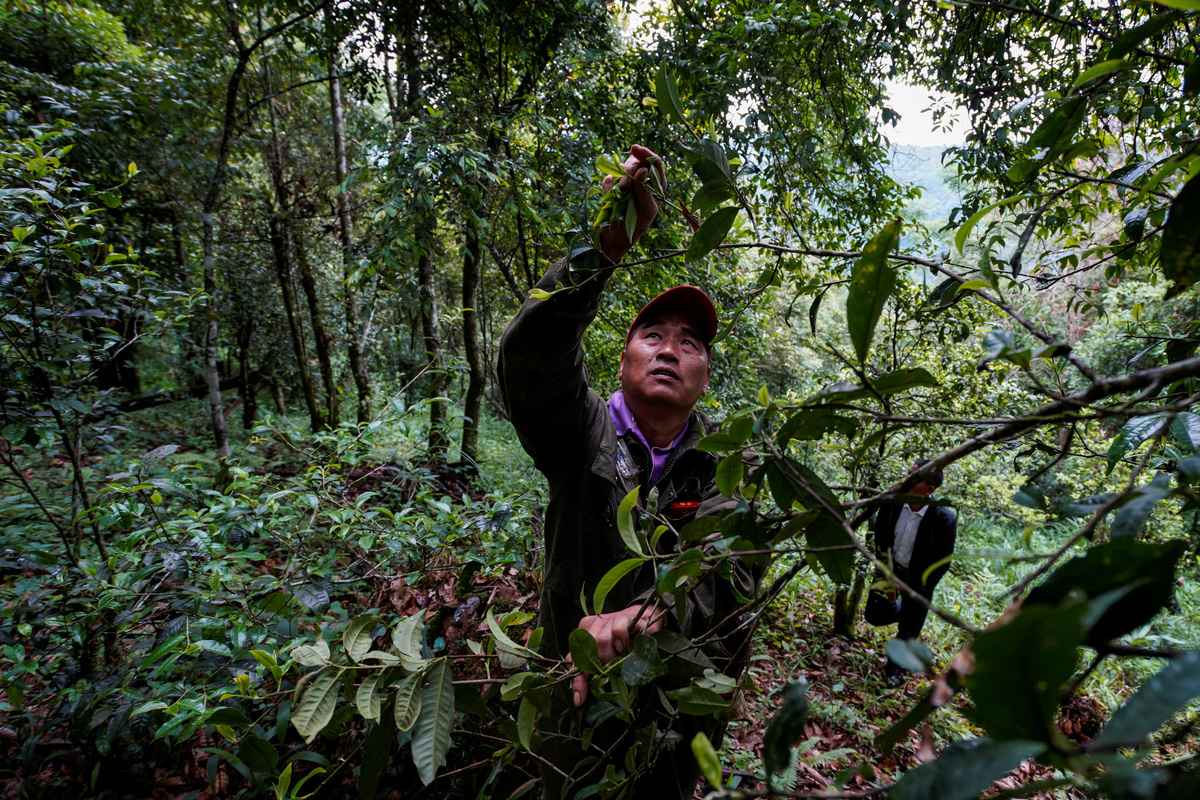
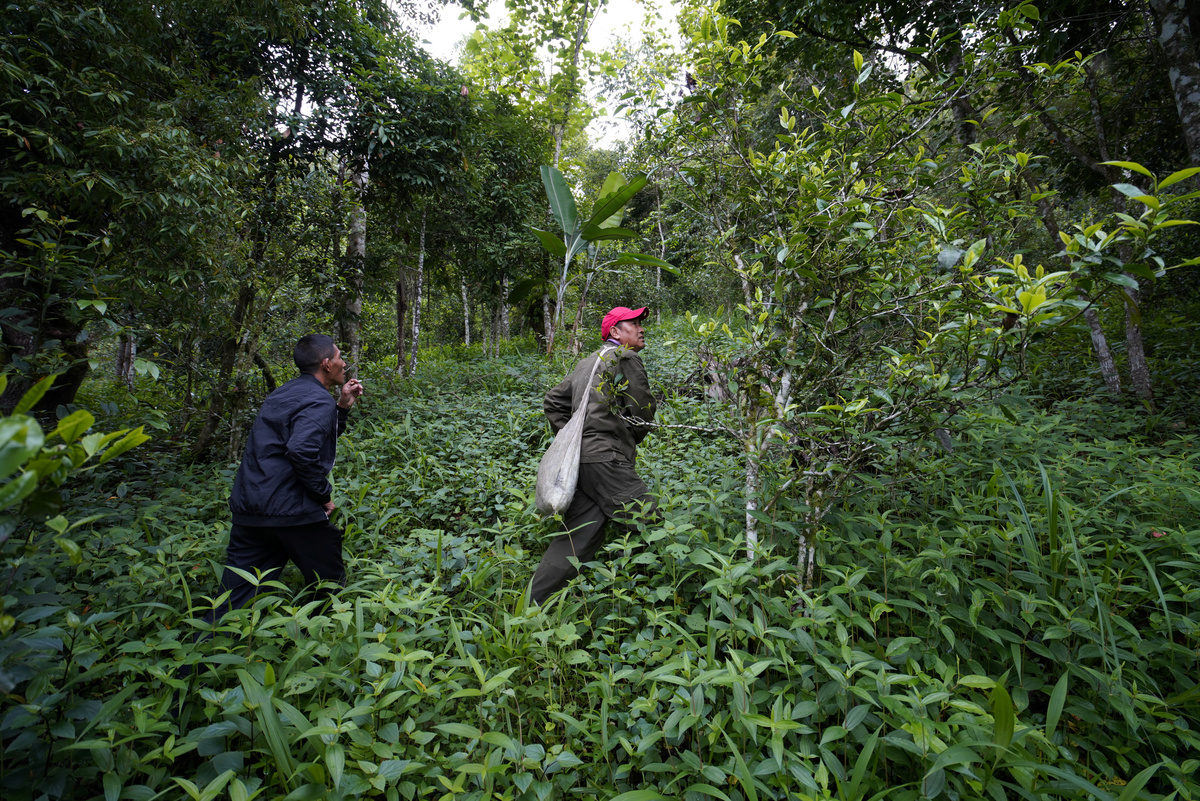
NANNUOSHAN, China (Reuters) - Que Liu and his wife Si En spend their mornings picking pu'er leaves in an ancient tea garden in a forest not far from their hillside village, one of many that dot the subtropical highlands of southwest China.
Coveted by tea connoisseurs, pu'er is a variety distinguished by its earthy tones and complex taste structure, with each successive steeping releasing a unique flavor, devotees say.
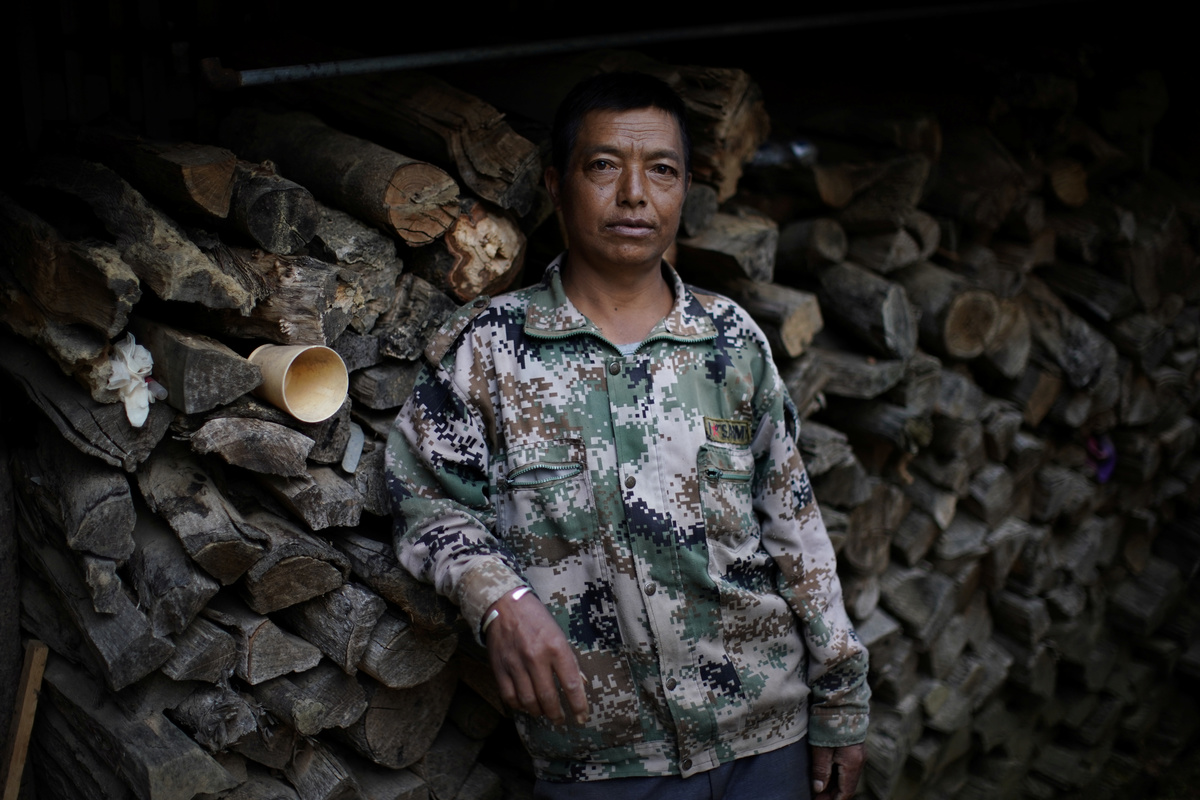
Sang Er, an ethnic Aini tea farmer, is pictured at his house at a mountain village in Nannuoshan in Xishuangbanna Dai Autonomous Prefecture, Yunnan Province, China, July 11, 2019. REUTERS/Aly Song
But pickings this year have been slim at Nannuoshan, one of six major pu'er mountains in Yunnan, where the hottest weather and lowest rainfall in decades have lowered output.
"Drought has cut production by about half this spring," said Zi Sai, the couple's son.
Provincial officials blame climate change for the greater frequency of drought in recent years, warning that rising temperatures threaten losses in crop production.
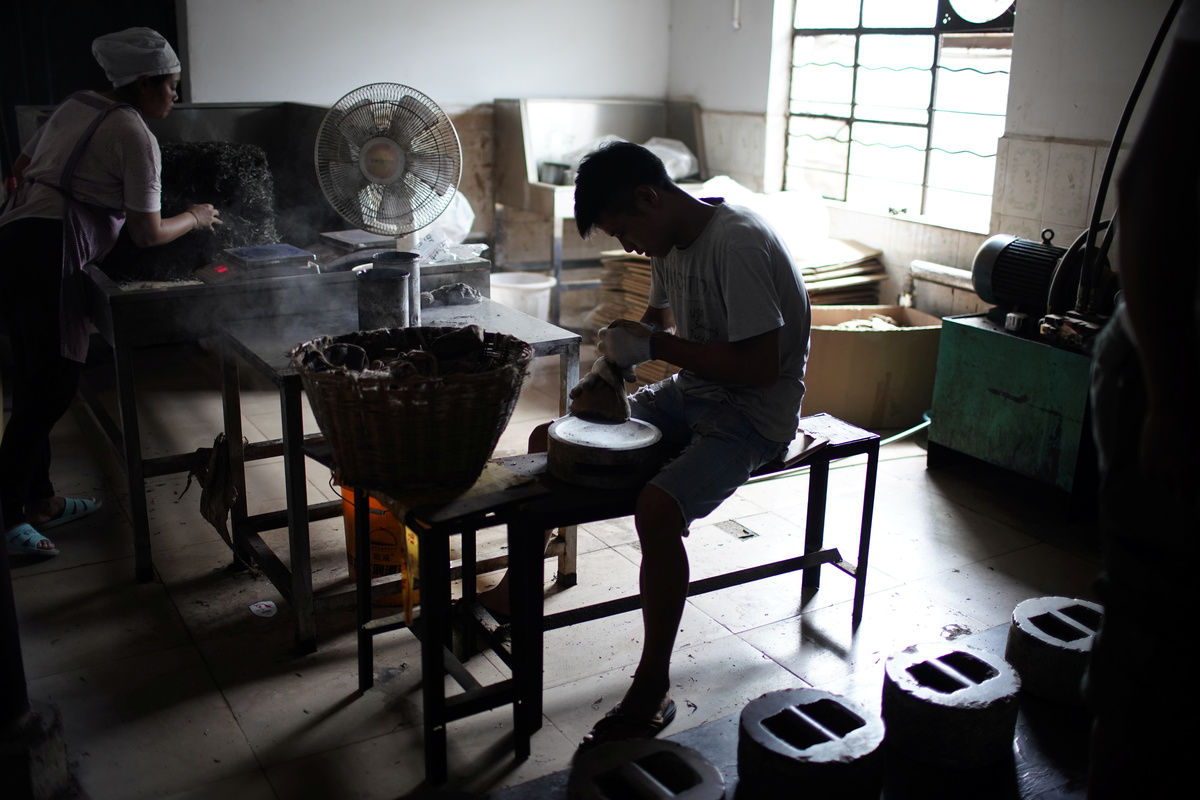
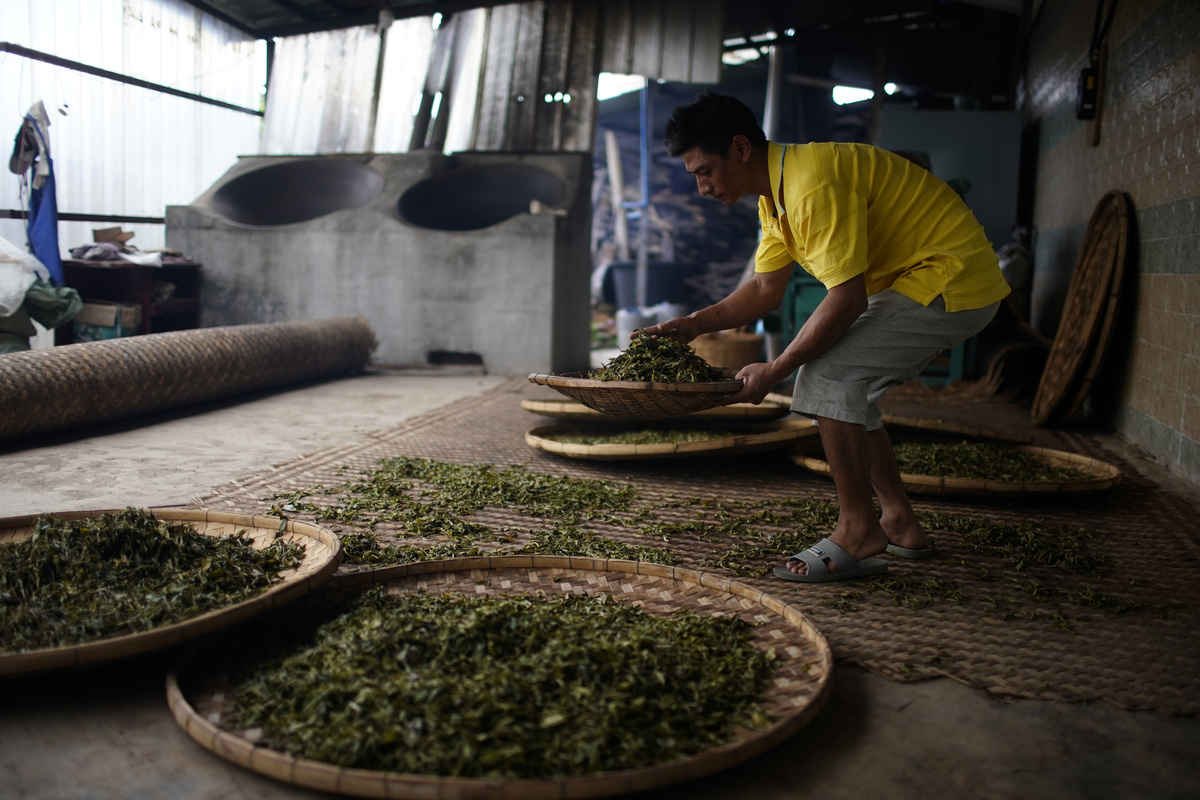
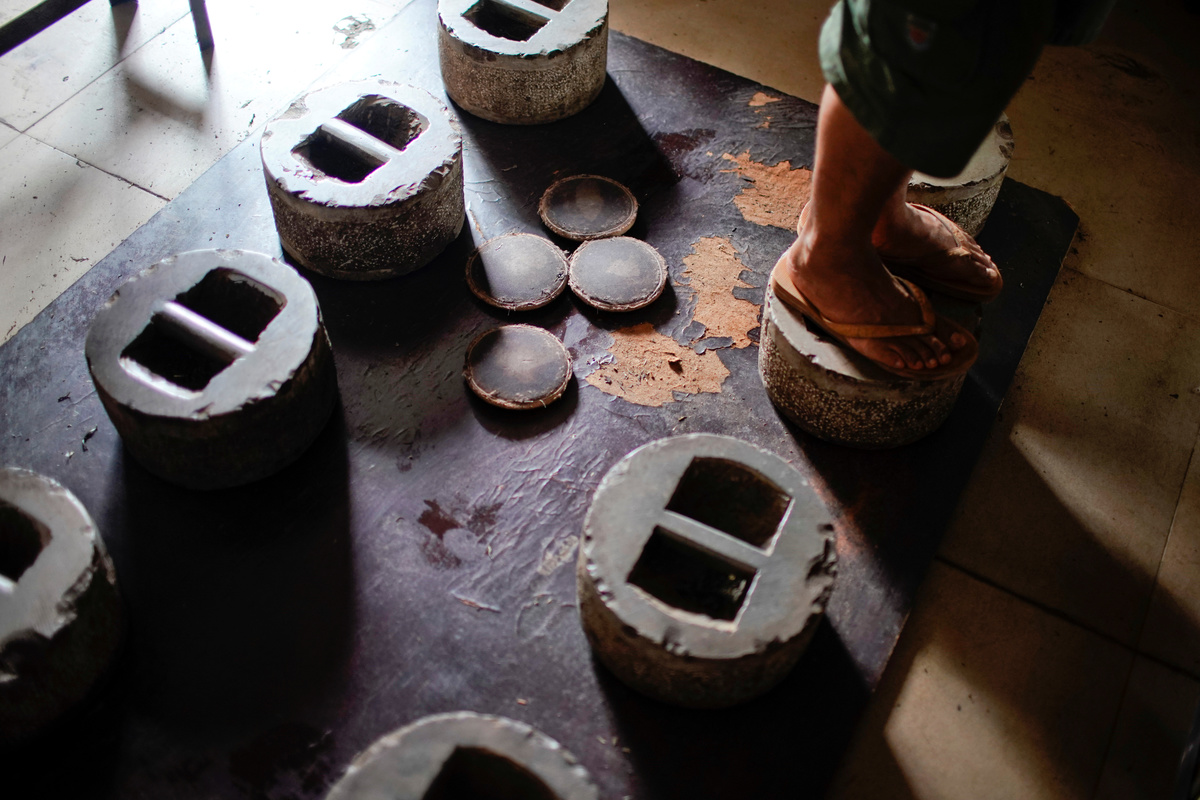
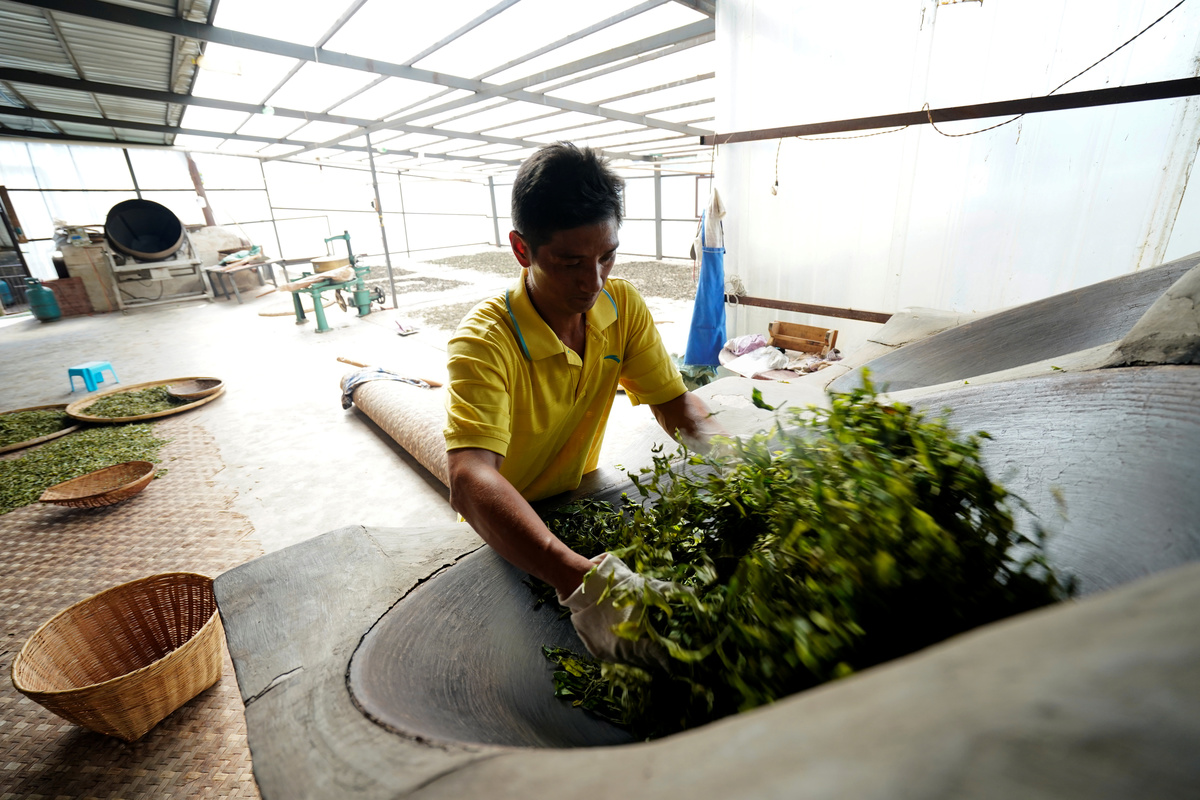
People work at a tea leaf processing factory in Jinghong in Xishuangbanna Dai Autonomous Prefecture, Yunnan Province, China, July 12, 2019. REUTERS/Aly Song
Extreme weather will also rewrite tea-growing seasons among the ethnic minority groups living in Yunnan, such as the Aini, to which the 49-year-old Que Liu and his family belong.
Production seasons in Yunnan, which for centuries had been part of a tea trading network linking Tibet and imperial China, have been dictated more by the taste buds of wealthy tea-drinkers in the last two decades.
But this year, the worst drought since 2010 slowed the growth of new leaves, delaying the picking season 15 days and slashing output.
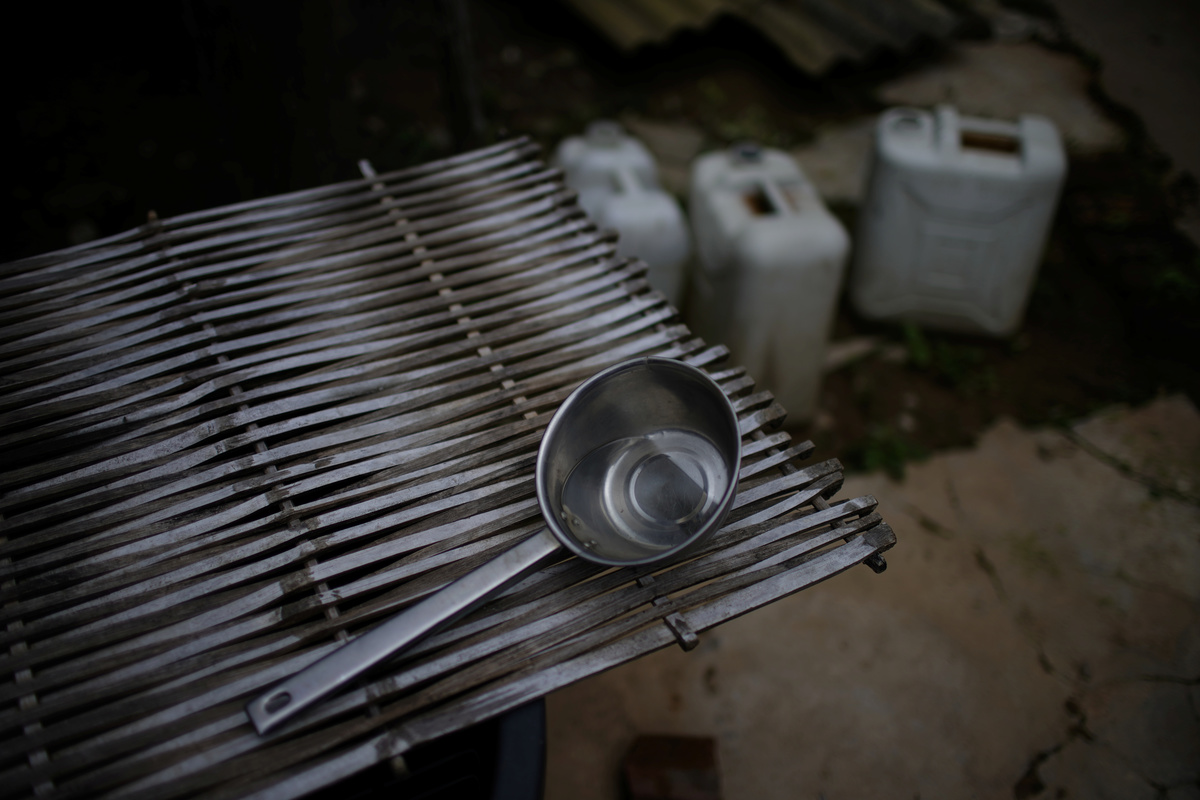
A water scoop is seen at a tea plantation at a mountain village in Nannuoshan in Xishuangbanna Dai Autonomous Prefecture, Yunnan Province, China, July 11, 2019. REUTERS/Aly Song
"In a good year, we can pick as much as 300 kg in the spring, but this year, my family's output was only 160 kg," said Zi Sai.
The tea leaves they gather sell for 3,000 yuan ($436) per kg to well-to-do customers, predominantly businessmen in Zhejiang and Guangdong, who snap up fermented pu'er compressed into "bing", or circular cakes.
"To meet clients' orders, we had to borrow tea leaves from my relatives," the 25-year-old said.
Si En, 47, an ethnic Aini tea farmer, picks tea leaves at her tea plantation at a mountain village in Nannuoshan in Xishuangbanna Dai Autonomous Prefecture, Yunnan Province, China, July 12, 2019. REUTERS/Aly Song
DROUGHTS COMMON
Droughts, common through China's history, have shown a new ferocity in the last two decades, with this year's episode shattering some records, even though its geographical spread was modest and it didn't last as long as some.
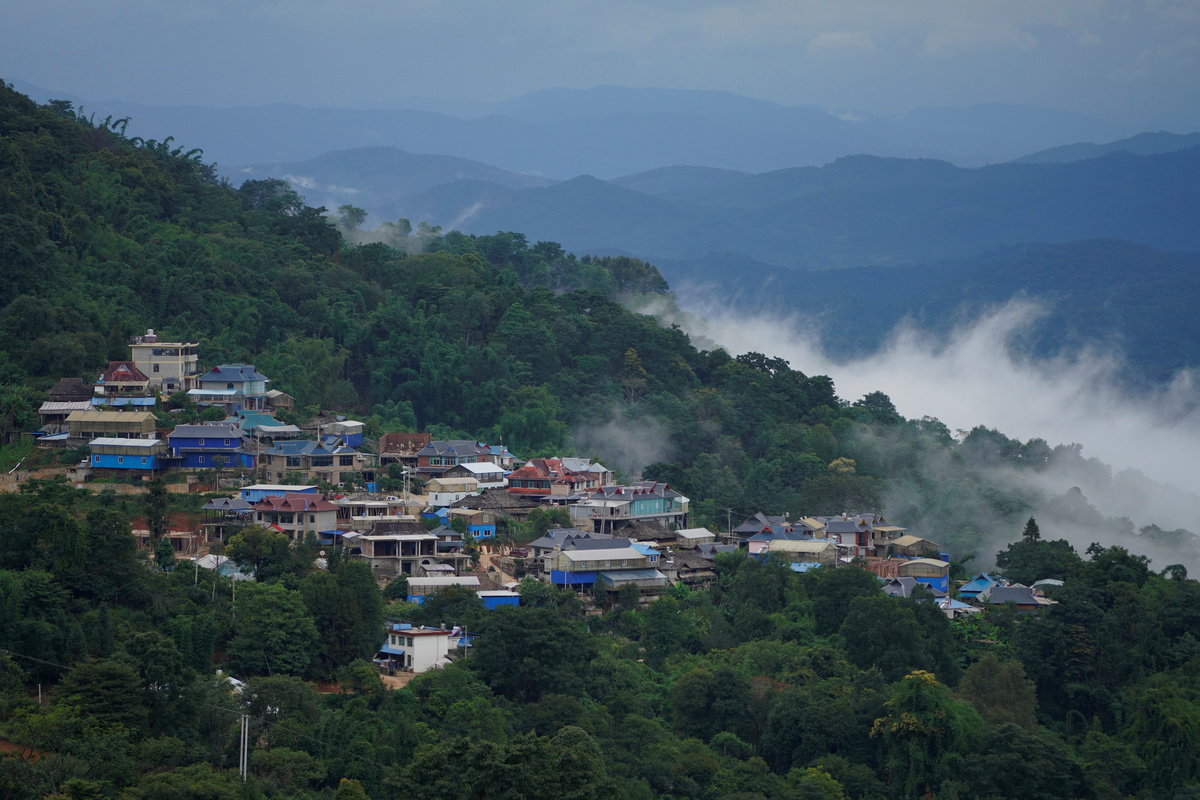
A mountain village is seen in Nannuoshan in Xishuangbanna Dai Autonomous Prefecture, Yunnan Province, China, July 11, 2019. REUTERS/Aly Song
Yunnan's rainfall of 212.1 mm (8.4 inches) in the four months through June was the lowest since at least 1961, national climate data shows, accompanied by the hottest conditions in almost six decades.
"The entire precipitation pattern has changed due to global warming," said Xiao Chan, head of weather services at Beijing's National Climate Center.
Temperatures ranged as high as 40 degrees Celsius (104 degrees Fahrenheit) from March to April, he told Reuters, adding that May saw fewer days of rain and less rainfall.
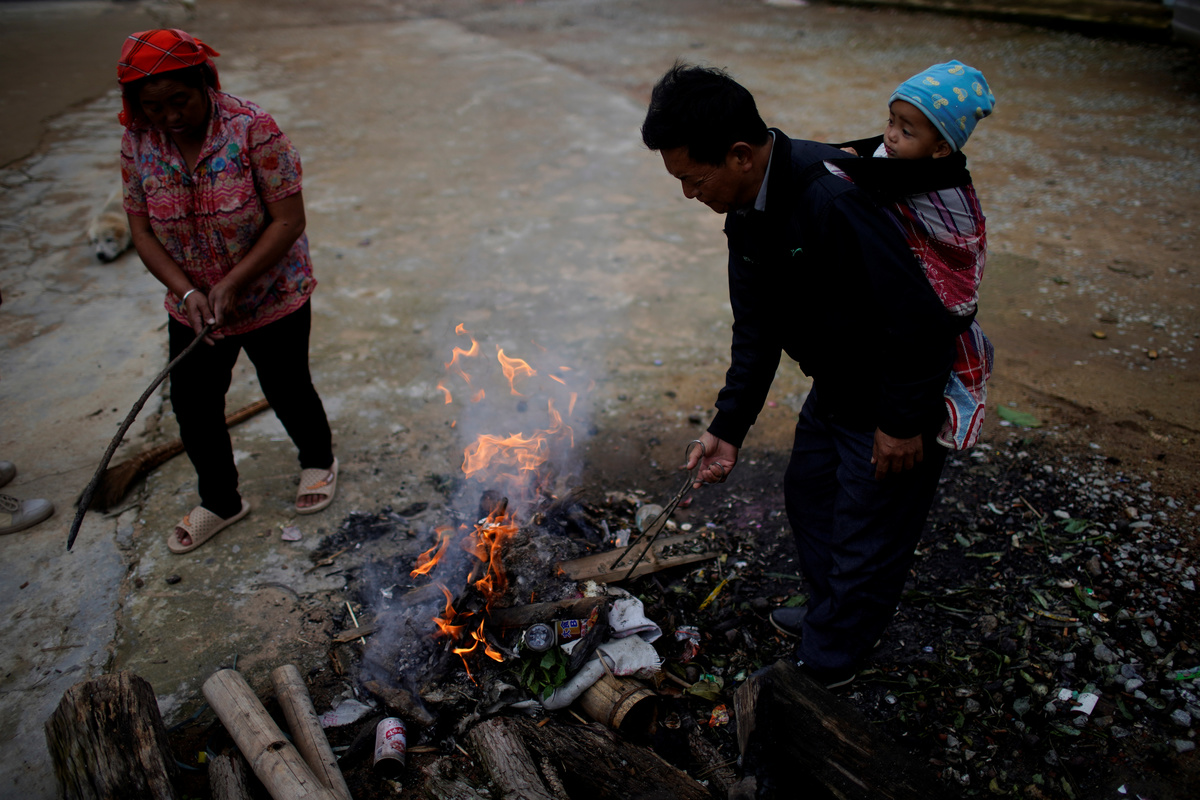
Ethnic Aini people burns garbage at a mountain village in Nannuoshan in Xishuangbanna Dai Autonomous Prefecture, Yunnan Province, China, July 12, 2019. REUTERS/Aly Song
A previous drought in 2009 and 2010 parched a swathe of provinces from China's southwest to its northeast, coming a year after parts of the Yangtze River fell to their lowest levels in 150 years.
In 2005, southern Guangdong province suffered its worst drought in half a century, while in 2001, more than 20 million people were left without drinking water by drought that decimated tens of millions of hectares of farmland.
Mean annual temperatures will keep rising over the next 10 to 30 years, the Yunnan government warned in 2016, adding that rain patterns disrupted by climate change will threaten the output of crops such as tea, tobacco and rubber.
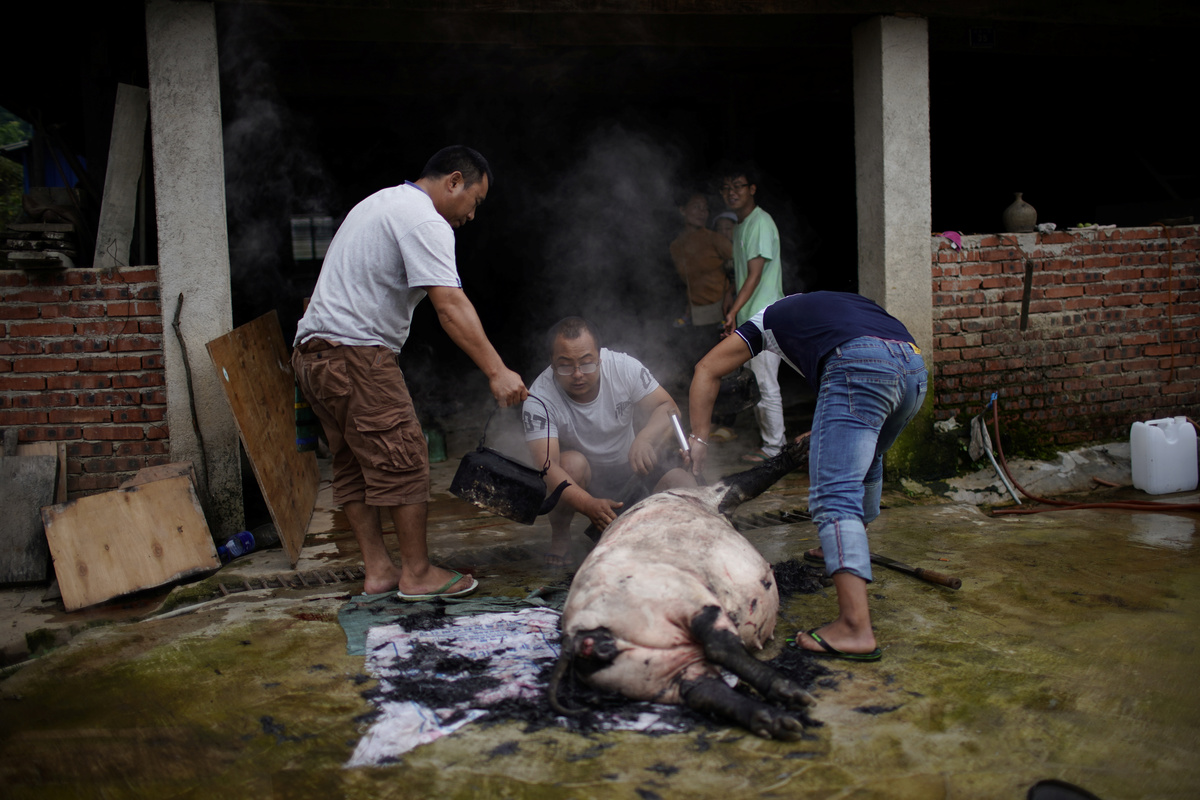
Ethnic Aini people slaughter a pig at a mountain village in Nannuoshan in Xishuangbanna Dai Autonomous Prefecture, Yunnan Province, China, July 12, 2019. REUTERS/Aly Song
Analysts blame Yunnan's hydrodams on major rivers such as the Lancang, known as the Mekong as it meanders through Southeast Asia, for the dryness, adding that the conversion of primary forests into commercial plantations with low water-retention powers has tilted the odds.
CHANGING SEASONS
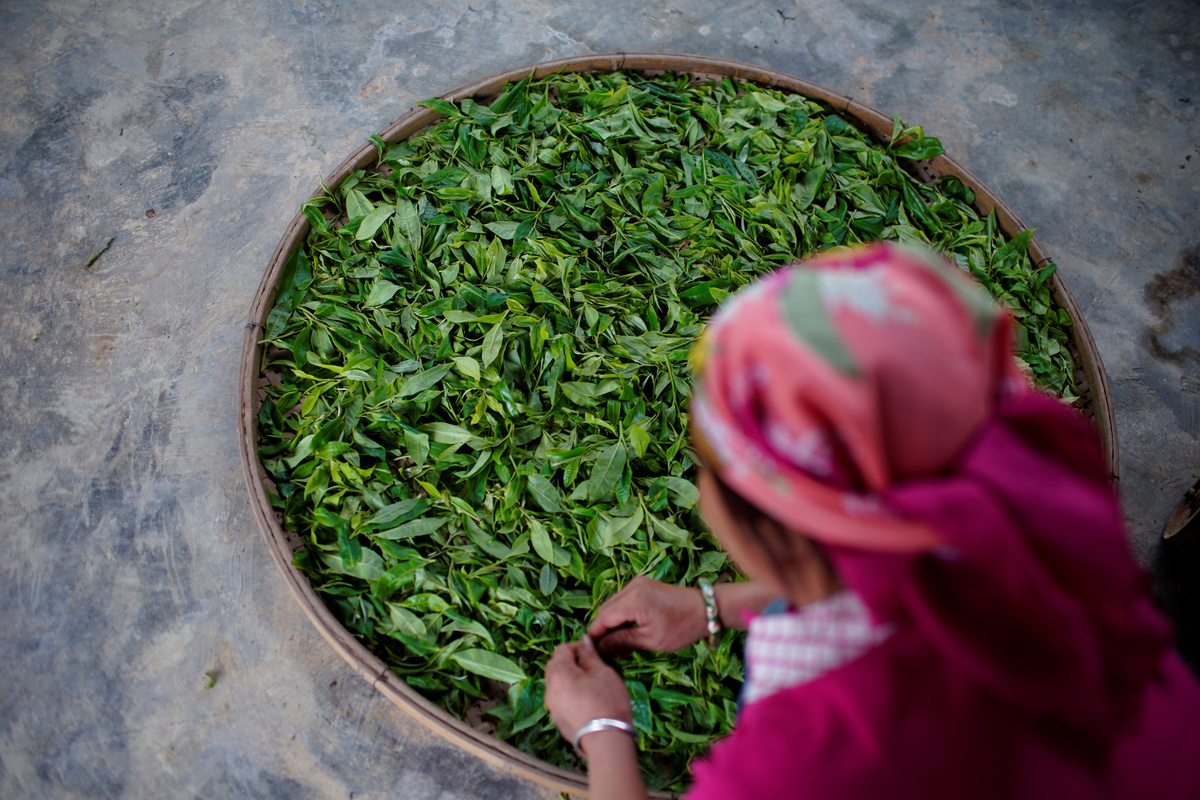
An Nu, an ethnic Aini tea farmer, dries tea leaves at his house at a mountain village in Nannuoshan in Xishuangbanna Dai Autonomous Prefecture, Yunnan Province, China, July 11, 2019. REUTERS/Aly Song
Pu'er trees in Yunnan, which can grow to 4 m (13 feet) tall, mature in cloud forests on their own, with no added fertilizer or pesticide, unlike tea grown elsewhere on terraces in massive plantations.
Spring produces the highest-quality leaves while the summer harvest, with a higher water content, is considered inferior, and destined for mass consumption, said Zi Sai, who added that leaves are also picked in autumn.
But this year's lack of rain spells a bleak economic outlook for the 32 villages of Nannuoshan.
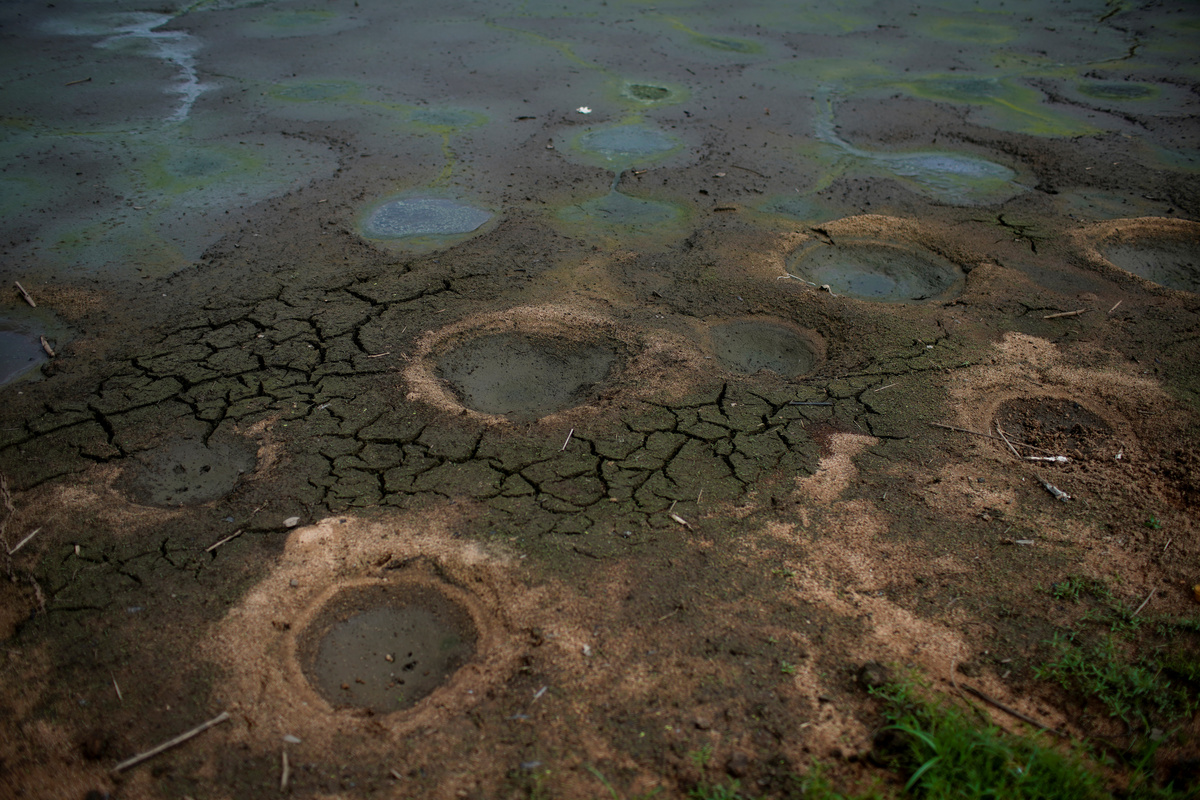
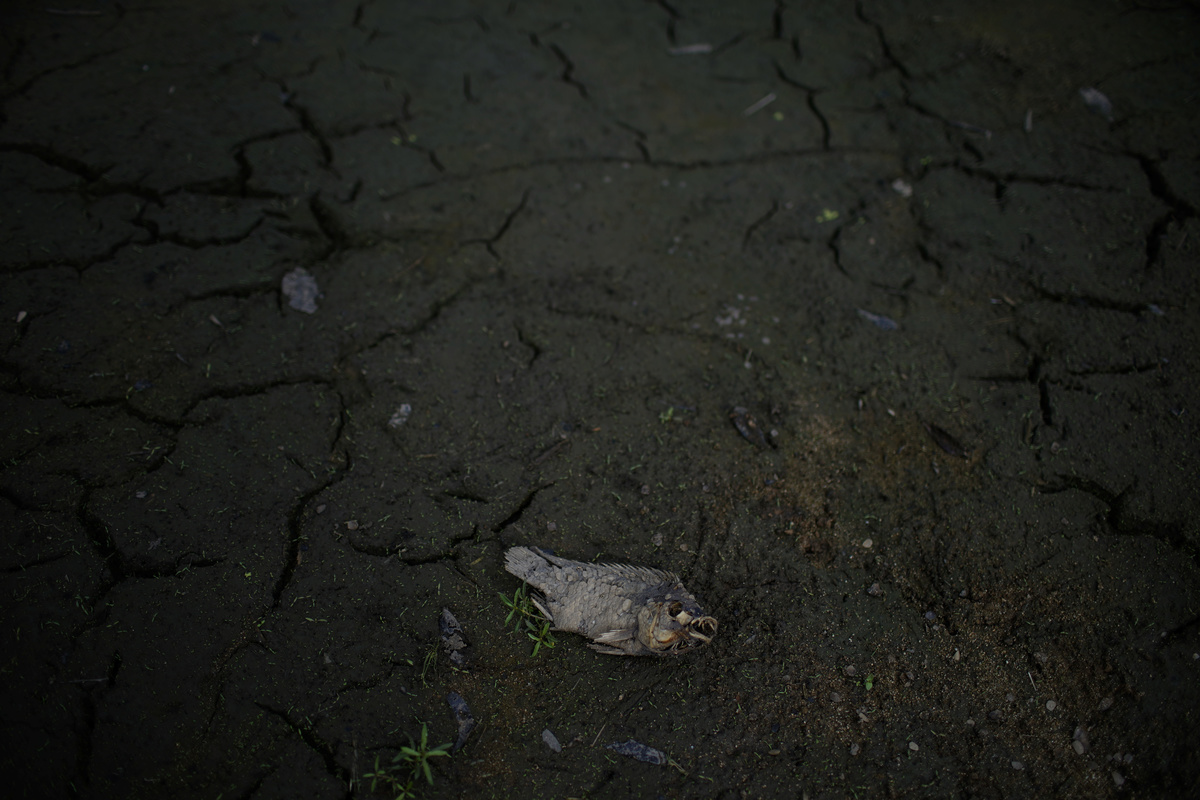
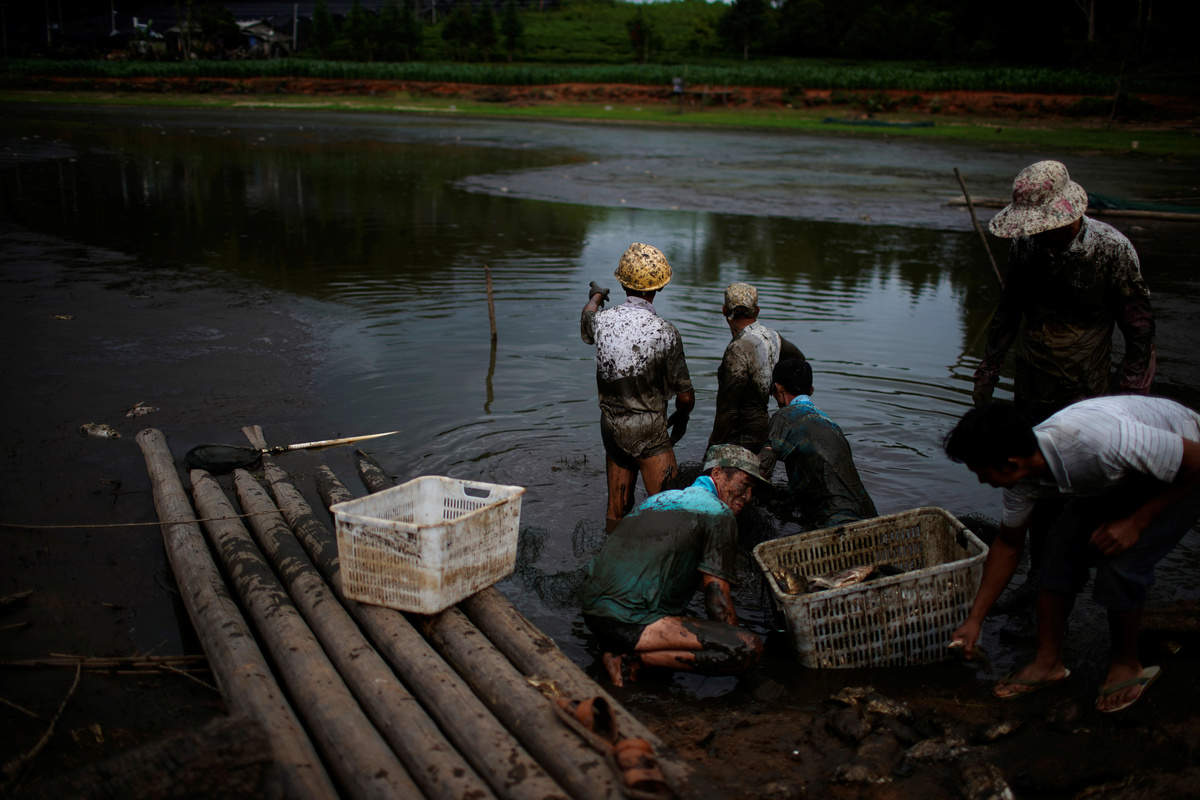
A dry pond is pictured in a village of Menhai county in Xishuangbanna Dai Autonomous Prefecture, Yunnan Province, China, July 12, 2019. REUTERS/Aly Song
"My family depends wholly on tea for survival, earning about 200,000 yuan a year," said Zi Sai's uncle, Si Da, who is 44.
"This year, the weather has been drier, reducing our tea output," Si Da added. "Our income has been cut by tens of thousands of yuan."
Although one ancient tree, said to date from before the era of the Mongol invader Genghis Khan 800 years ago, survived the drought, other younger ones were less lucky.
A moth is seen on a glass window at a mountain village in Nannuoshan in Xishuangbanna Dai Autonomous Prefecture, Yunnan Province, China, July 11, 2019. REUTERS/Aly Song
If they survive, they may need three to five years for a full recovery, Si Da said.
"They are quite pitiful, these trees," he added. "They should be protected, like children are."
Qiu Liu, 48, an ethnic Aini tea farmer, clears weeds at his tea plantation at a mountain village in Nannuoshan in Xishuangbanna Dai Autonomous Prefecture, Yunnan Province, China, July 12, 2019. REUTERS/Aly Song
(Reporting by Ryan Woo; Additional reporting by Hallie Gu and Beijing Newsroom)
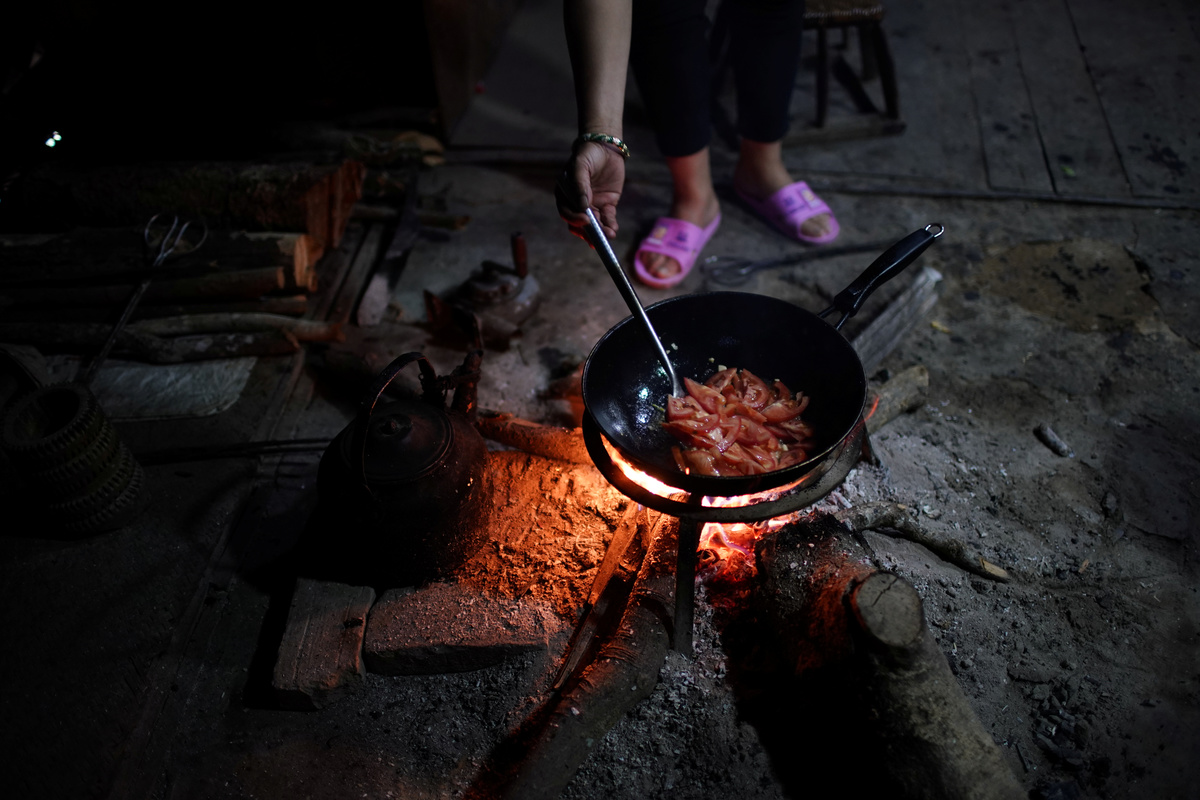
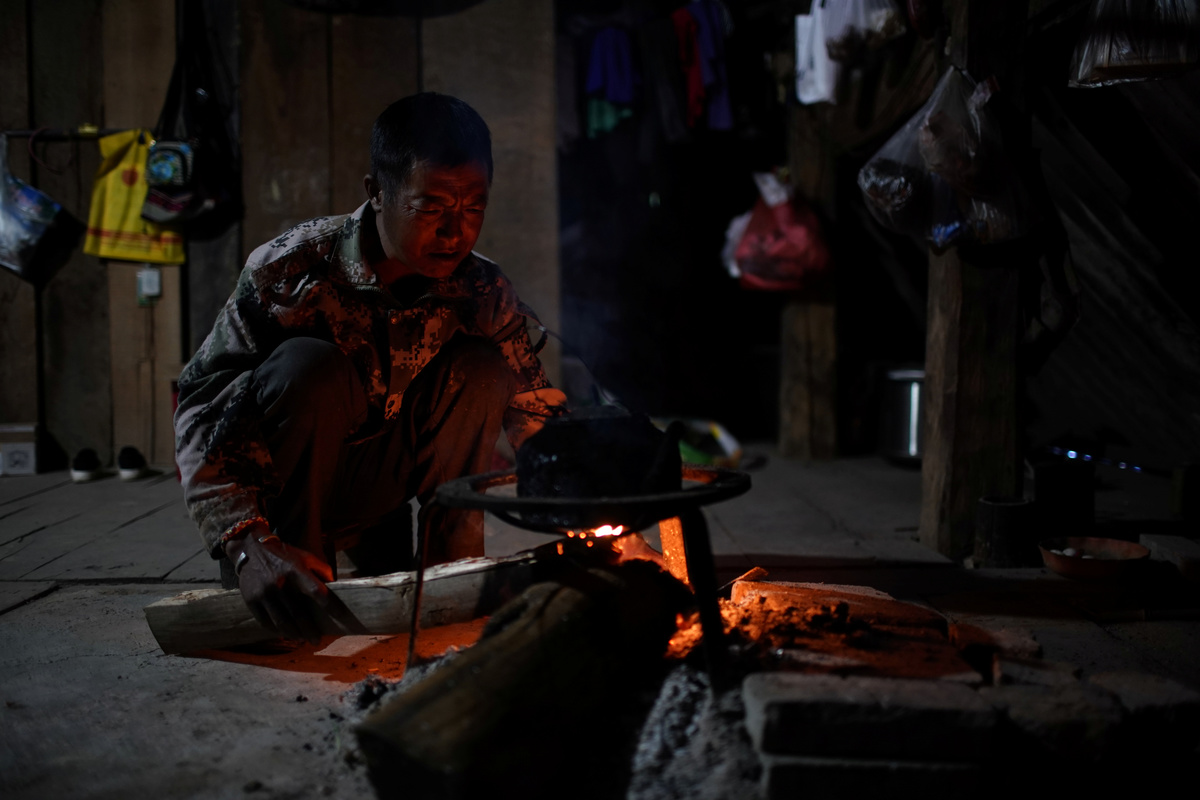
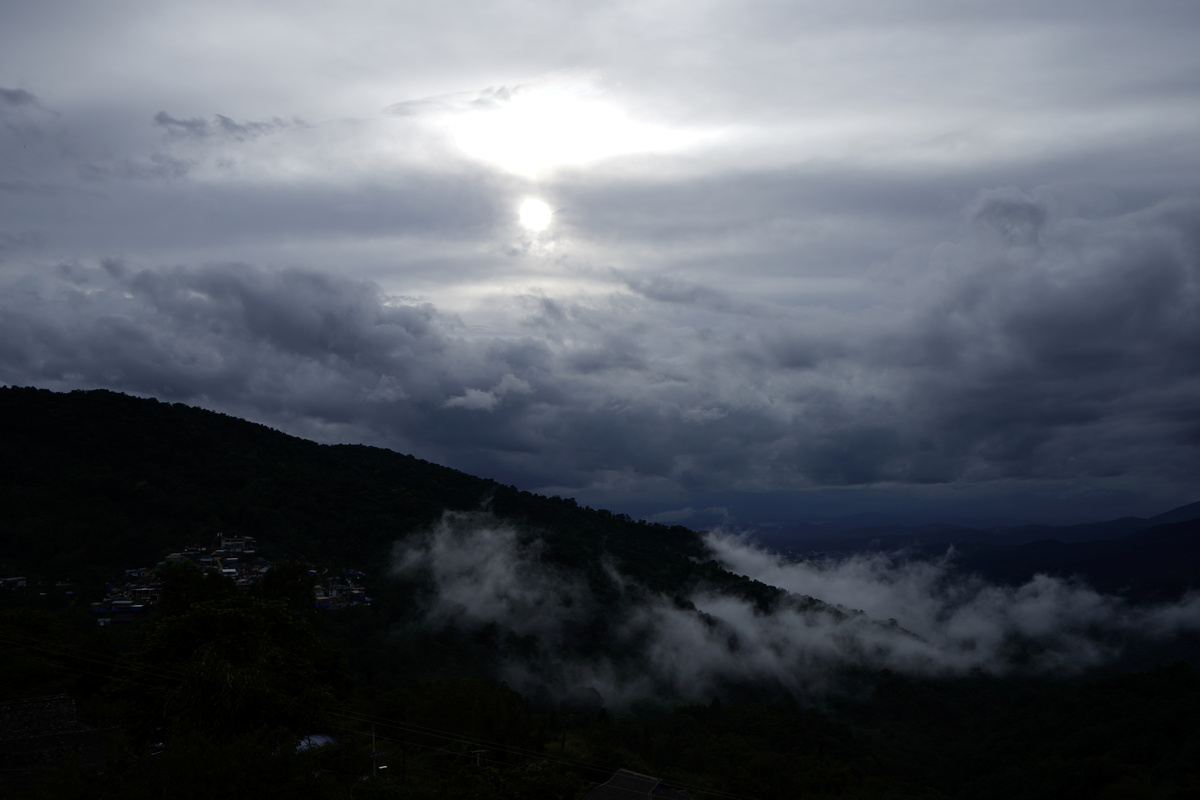
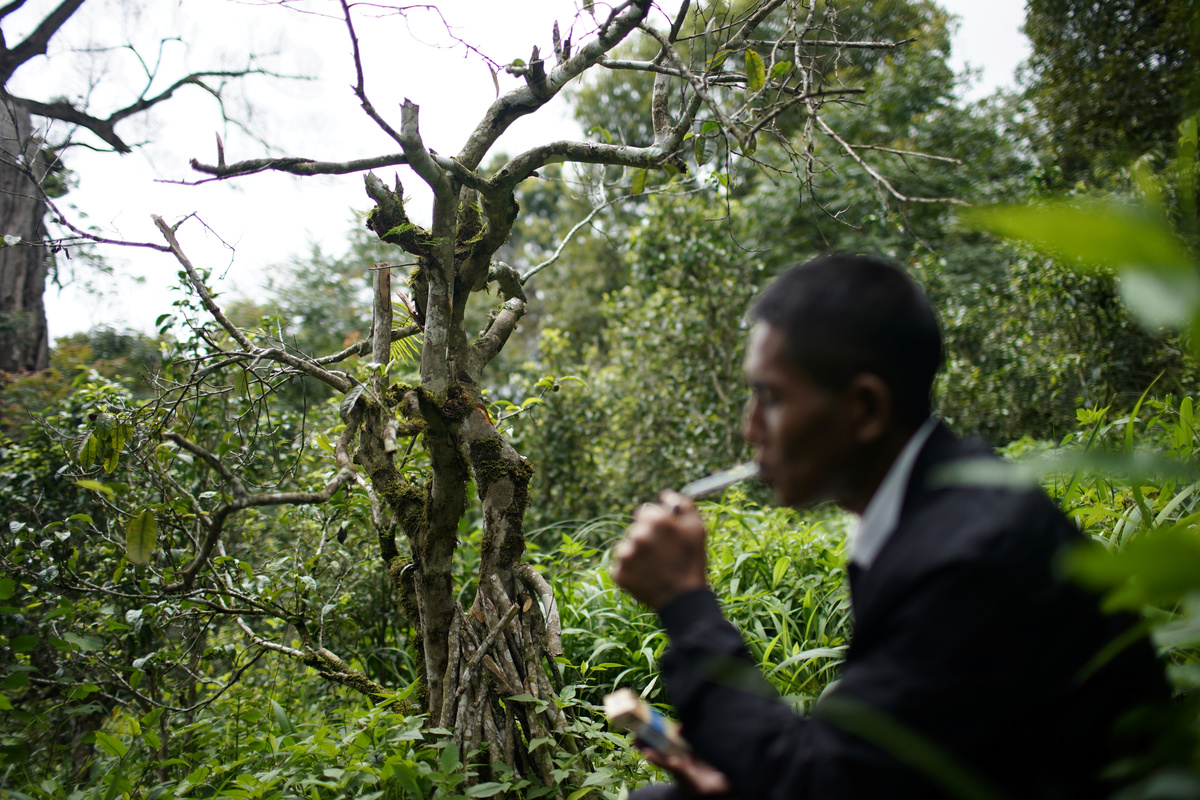
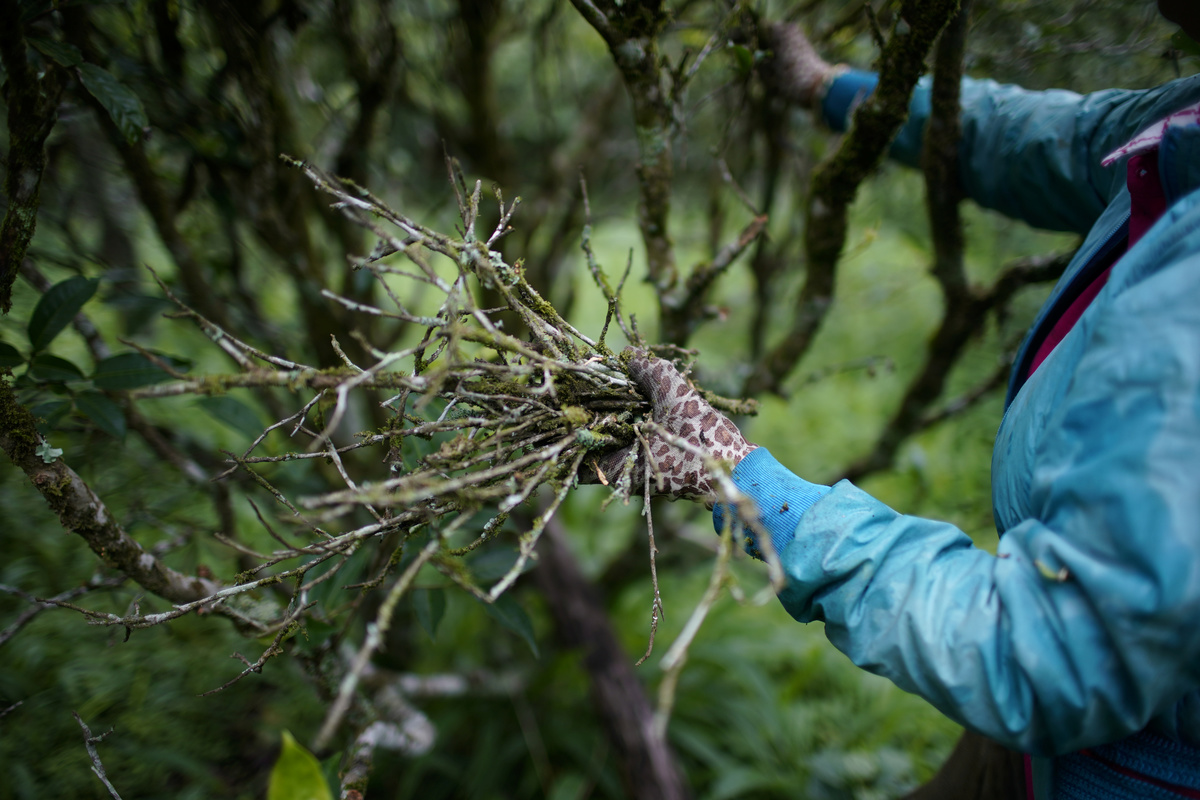
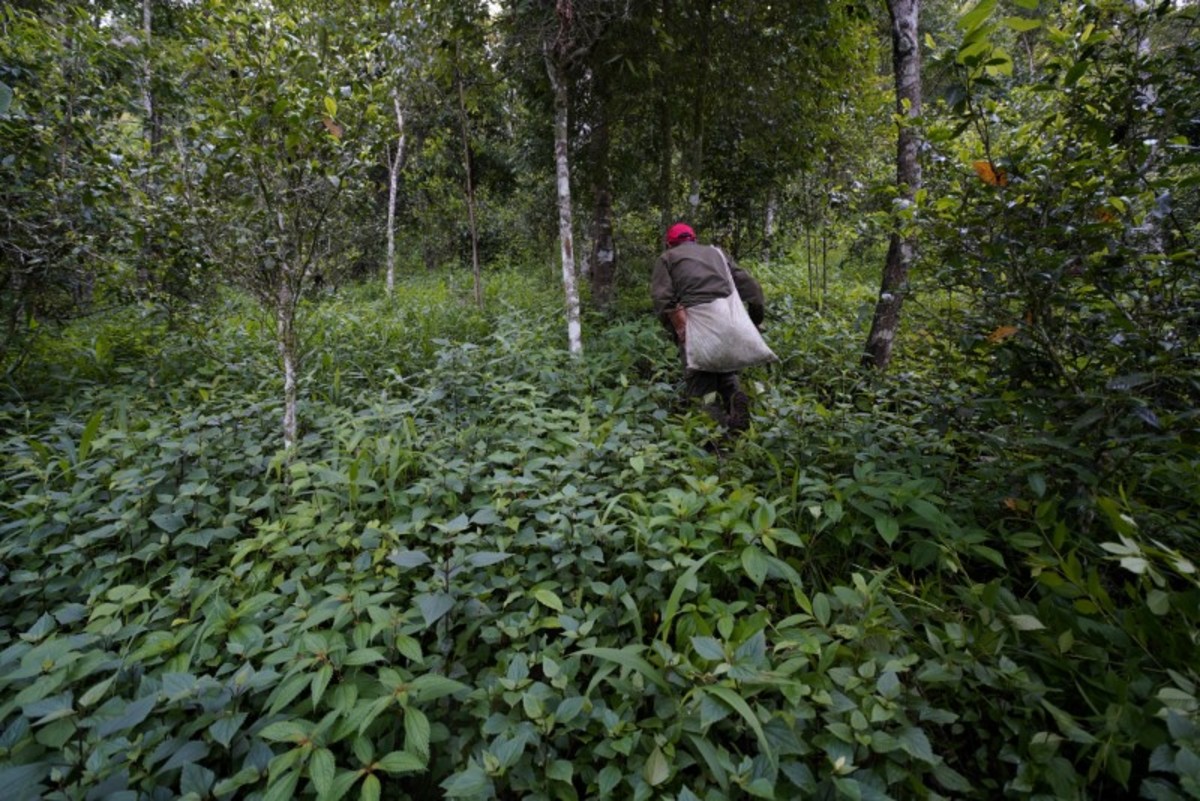
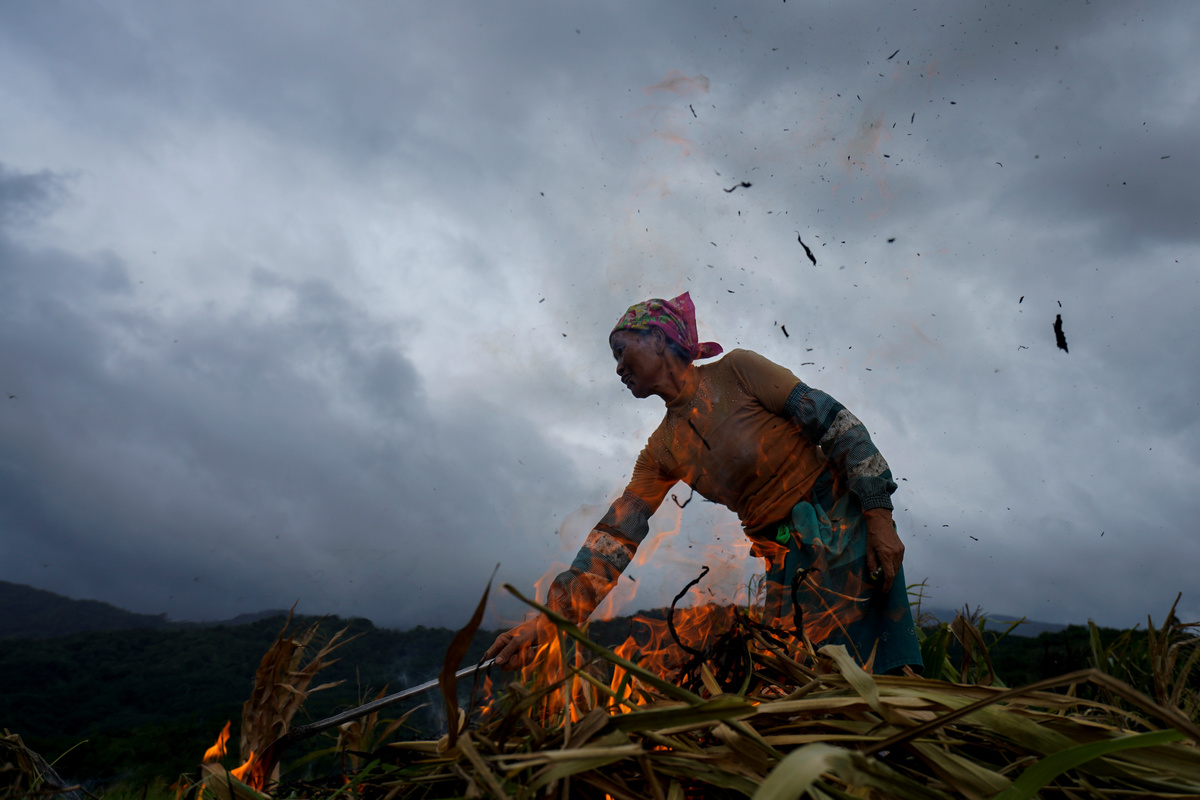
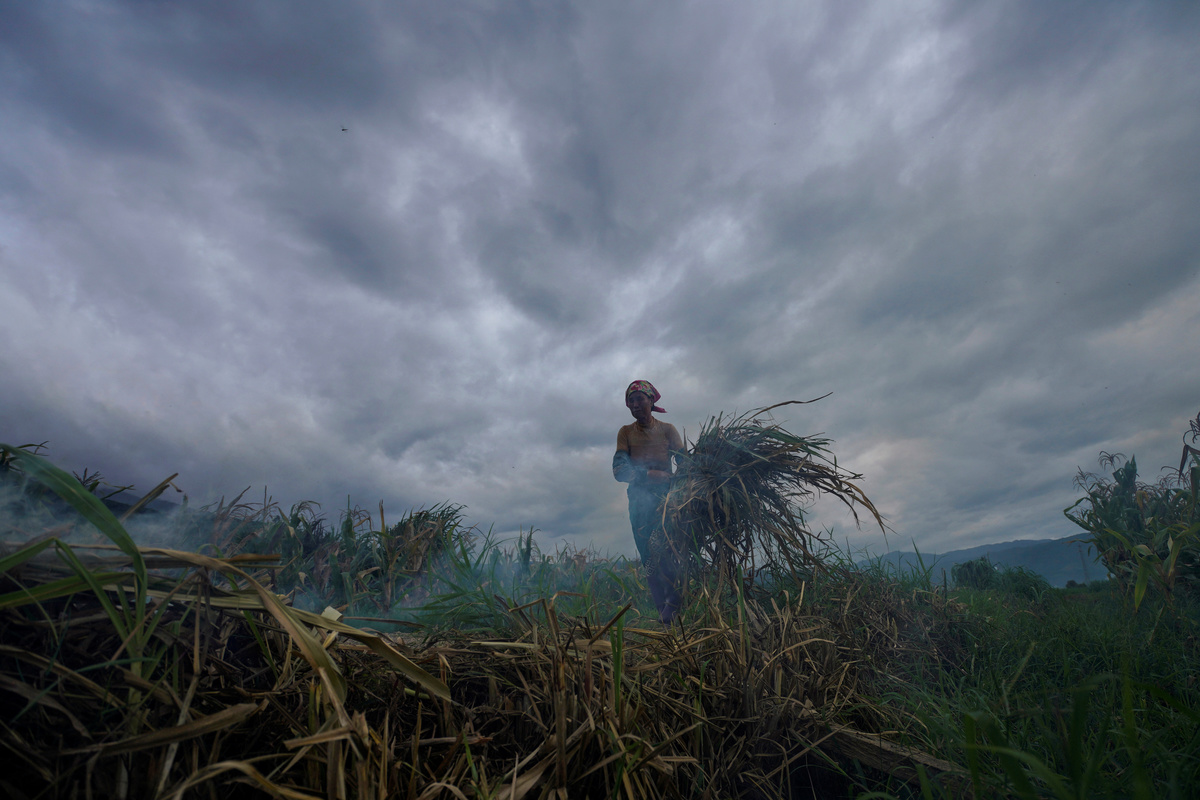
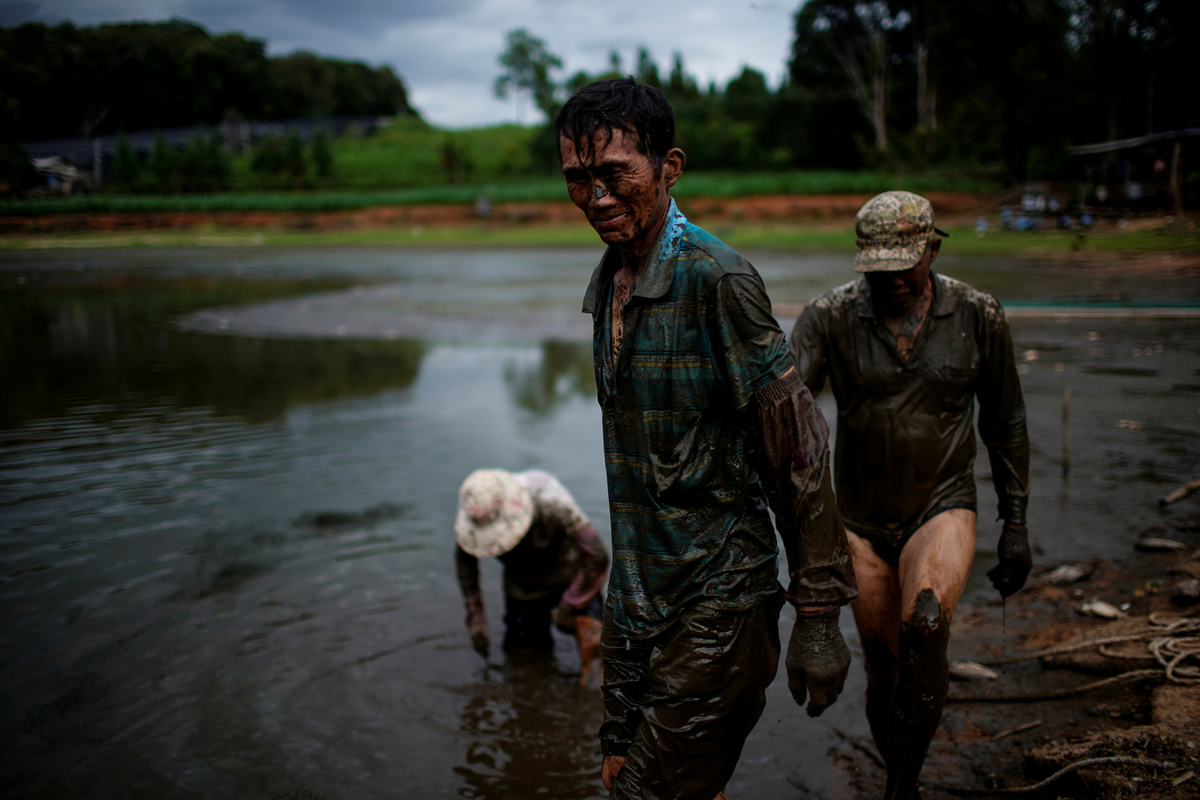
Qiu Liu, 48, an ethnic Aini tea farmer, clears weeds at his tea plantationat a mountain village in Nannuoshan in Xishuangbanna Dai Autonomous Prefecture, Yunnan Province, China, July 12, 2019. REUTERS/Aly SongSi En, 47, an ethnic Aini tea farmer, mades tomato dinner at her house at a mountain village in Nannuoshan in Xishuangbanna Dai Autonomous Prefecture, Yunnan Province, China, July 11, 2019. REUTERS/Aly SongSang Er, an ethnic Aini tea farmer, prepares hot water for tea at his house at a mountain village in Nannuoshan in Xishuangbanna Dai Autonomous Prefecture, Yunnan Province, China, July 11, 2019. REUTERS/Aly SongNannuoshan is pictured in Xishuangbanna Dai Autonomous Prefecture, Yunnan Province, China, July 11, 2019. REUTERS/Aly SongQiu Liu, 48, an ethnic Aini tea farmer, picks tea leaves at his tea plantation in Nannuoshan in Xishuangbanna Dai Autonomous Prefecture, Yunnan Province, China, July 12, 2019. REUTERS/Aly SongSi Da, 44, An ethnic Aini tea farmer smoks, next to a dead tea tree at a tea plantation at a mountain village in Nannuoshan in Xishuangbanna Dai Autonomous Prefecture, Yunnan Province, China, July 12, 2019. REUTERS/Aly SongSi En, 47, an ethnic Aini tea farmer, cleans dead tea branches at her tea plantation at a mountain village in Nannuoshan in Xishuangbanna Dai Autonomous Prefecture, Yunnan Province, China, July 12, 2019. REUTERS/Aly SongQiu Liu, 48, an ethnic Aini tea farmer, picks tea leaves at his tea plantation in Nannuoshan in Xishuangbanna Dai Autonomous Prefecture, Yunnan Province, China, July 12, 2019. REUTERS/Aly SongXiang Ding, 56, burns hay next to her cornfield at Nuodong village of Menhai county in Xishuangbanna Dai Autonomous Prefecture, Yunnan Province, China, July 13, 2019. REUTERS/Aly SongQiu Liu (R) , 48, and Si Da, 44, ethnic Aini tea farmers, picks tea leaves at his tea plantation at a mountain village in Nannuoshan in Xishuangbanna Dai Autonomous Prefecture, Yunnan Province, China, July 12, 2019. REUTERS/Aly SongA dead fish is seen in a dry pond in a village of Menhai county in Xishuangbanna Dai Autonomous Prefecture, Yunnan Province, China, July 12, 2019. REUTERS/Aly SongPeople fish at a dying pond in a village of Menhai county in Xishuangbanna Dai Autonomous Prefecture, Yunnan Province, China, July 12, 2019. REUTERS/Aly SongAn ethnic Dai couple leaves their sugarcane cropland on a tractor in a village of Menhai county in Xishuangbanna Dai Autonomous Prefecture, Yunnan Province, China, July 12, 2019. REUTERS/Aly SongXiang Ding, 56, burns hay next to her cornfield at Nuodong village of Menhai county in Xishuangbanna Dai Autonomous Prefecture, Yunnan Province, China, July 13, 2019. REUTERS/Aly SongPeople fish at a dying pond in a village of Menhai county in Xishuangbanna Dai Autonomous Prefecture, Yunnan Province, China, July 12, 2019. REUTERS/Aly SongZi Sai, 25, an ethnic Aini tea farmer, prepares tea at his house at a mountain village in Nannuoshan in Xishuangbanna Dai Autonomous Prefecture, Yunnan Province, China, July 11, 2019. REUTERS/Aly SongTea leaves are left to dry at a tea plantation at a mountain village in Nannuoshan in Xishuangbanna Dai Autonomous Prefecture, Yunnan Province, China, July 12, 2019. REUTERS/Aly SongA man works at a tea leaf processing factory in Jinghong in Xishuangbanna Dai Autonomous Prefecture, Yunnan Province, China, July 12, 2019. REUTERS/Aly SongAn Nu, an ethnic Aini tea farmer, dries tea leaves at his house at a mountain village in Nannuoshan in Xishuangbanna Dai Autonomous Prefecture, Yunnan Province, China, July 11, 2019. REUTERS/Aly Song
Sign up to read this article
Read news from 100’s of titles, curated specifically for you.