The chance of Brexit happening as planned on 31 October is now just 10 per cent according to analysts at Swiss bank Julius Baer.
Meanwhile, the UK chancellor, Sajid Javid, attempted to sweeten the Brexit pill by promising to re-introduce duty-free cigarettes and alcohol if the UK leaves the EU without a deal on 31 October.
The Treasury said excise duty would no longer be charged on alcohol and cigarettes bought when leaving Britain.
Please allow a moment for the live blog below to load...
"We are very aware of the financial benefit that other retailers appear to get when they downsize their estates and, whilst we have no plans to fundamentally alter the size of the JD store network in the UK at this time, we continue to seek fairness and flexibility in the terms of our leases."
The National Farmers' Union has ambitions for the sector to reach net-zero greenhouse gas emissions by 2040, a decade ahead of the UK economy as a whole, and has published a report on how it thinks it can be done.
“At a testing time, the labour market is surpassing expectations, though there are early signs the jobs boom could be cooling down.
“As so many people have entered work, there has been an uplift to household incomes which has helped to keep consumers ticking. For a long time, businesses have been eager to expand their workforce despite difficult economic conditions. With the supply of available workers shrinking and uncertainty lingering, firms are now beginning to dial down their recruitment ambitions.
“Vacancies are likely to continue falling. It’s becoming harder for business leaders to do any meaningful workforce planning, let alone find the talent that they need. High costs and an unclear view of future revenue have also led some to hold off on new hires. Meanwhile, though the ongoing strength in pay packets is a plus for workers, wages may be pushing at their limit. Cash-strapped SMEs in particular are already finding it difficult to compete for talent by upping their salary offers.
“While the jobs market continues to be a strong suit for the economy, emerging signs of a slowdown should focus the minds of policymakers. Businesses up and down the country are seeking improvements to the skills system and clarity on the future immigration system to inform their hiring plans going forward.”
Brexit uncertainty undoubtedly has sapped firms’ enthusiasm for hiring new workers, but sharply rising unit labour costs also are playing a role.The pick-up in the headline rate of wage growth to the symbolic 4% level—the highest rate since 2008—has not been accompanied by any improvement in productivity, which still is flatlining.With surplus labour scarce, workers are flexing their muscles; XpertHR’s measure of the median pay settlement rose to 2.6% in July—the highest rate since March 2009—from 2.5% in June.
Warehouse and Oasis move into menswear
The bosses of women's fashion chains Oasis and Warehouse have ventured into menswear for the first time, snapping up Shoreditch-based start-up The Idle Man.
Launched by a former Asos menswear buyer, The Idle Man was opened in 2014, selling big name fashion brands and having a team of in-house designers to cash in on rising demands by male shoppers.
Hash Ladha, Oasis and Warehouse group chief executive, said: "We can bring scale to The Idle Man's proposition as well as infrastructure support, and the brand allows us to tap into the growing demand for fashionable menswear through a credible and well-established brand."
Analysts and retail observers had been fearful that Oasis and Warehouse could be struggling, after its former stablemate Coast went bust last year and several high street fashion brands pushed through insolvencies known as CVAs to reduce rents.
Press Association
The proportion of people out of work remains very low, with the unemployment rate at 3.8% in the three months to July. Overall wage growth has continued to improve since the original Brexit deadline in March, with nominal wage growth rising to 4.0%. Real wages also rose at their quickest rate in nearly four years, delivering a boost to workers’ pay packets.
This evidence of continued jobs growth, together with yesterday's stronger than expected GDP data for July, reinforces our view that the UK should avoid a technical recession in the third quarter. Indeed, our latest GDP nowcasting model estimate, based on a machine learning analysis of a broad range of timely economic indicators, points to potential GDP growth of 0.4% in the third quarter of 2019. This would more than reverse the 0.2% GDP decline seen in the second quarter.
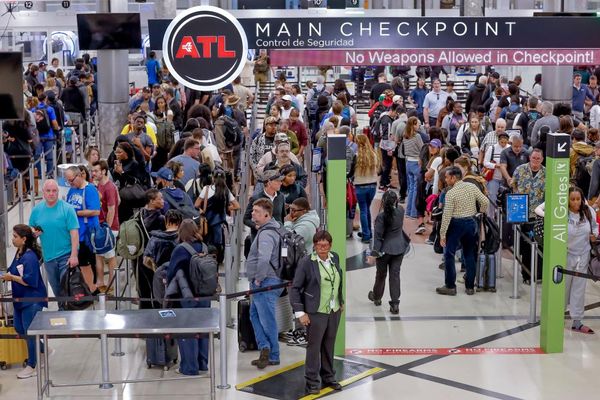
The Treasury announced on Tuesday that duty-free shopping for those products will be reintroduced for EU countries if Britain leaves the bloc without an agreement, falling out of the single market and becoming a third country.
He said: “We know who you are Boris Johnson. We know your game. Your wish to be Churchillian, rather than the Wreck-it Ralph that you are.
“But know this. We will fight you in our hospitals, we will fight you in our factories, we will fight you in our communities. Pick your beach prime minister – we’ll never surrender. We are the workers of Britain and we’re coming for you.”