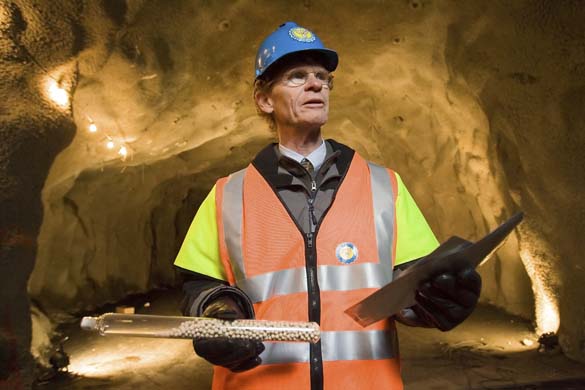
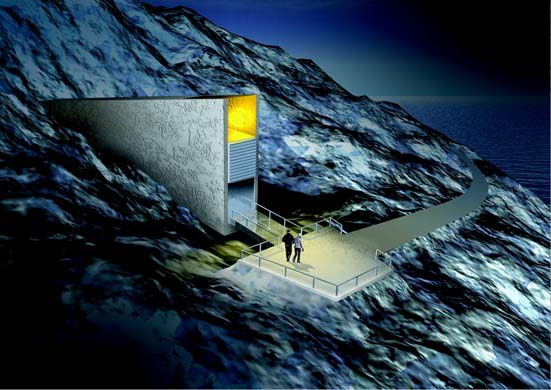
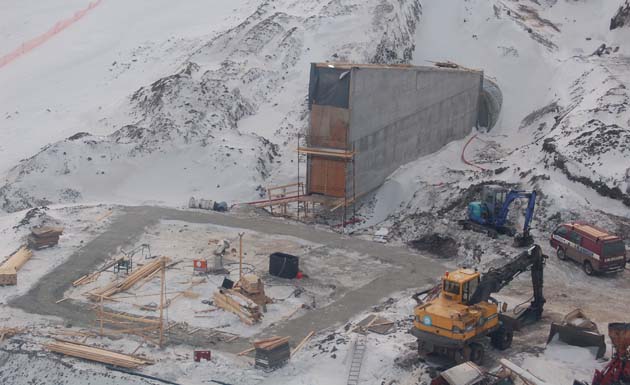
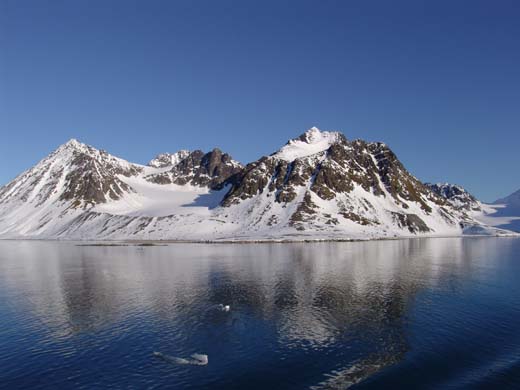
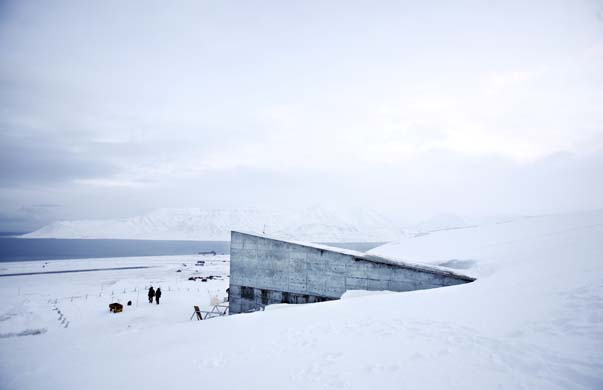
The global seed vault is "the last line of defence against the extinction of our agricultural diversity", says Cary Fowler, the executive director of the Global Diversity Crop Trust, which will take charge of the £63,000 yearly operating costsPhotograph: Kalle Koponen/PRAn artist's impression of the entrance to the seed vault, which aims to ensure that the genetic variability needed for crop production is available to tackle future challenges in agriculture. At today's ceremony, the first 250,000 samples will be placed in the vault, with more on their way. It is estimated there are between 2-3m unique varieties of crops in the worldPhotograph: Global Crop Diversity TrustThe vault is built into a frozen mountain near the village of Longyearbyen, Svalbard, a group of islands nearly 1,000km north of mainland NorwayPhotograph: Cary Fowler/Global Crop Diversity Trust
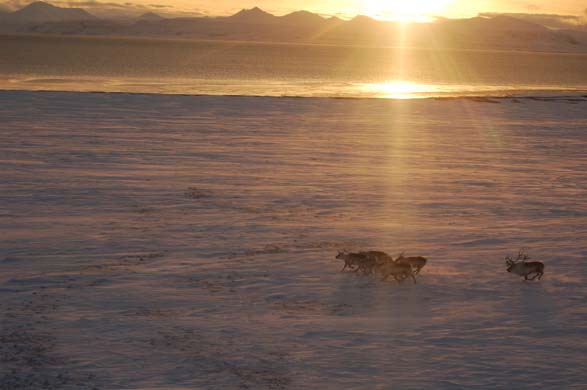
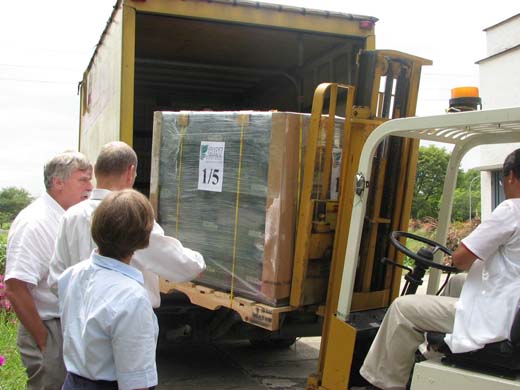
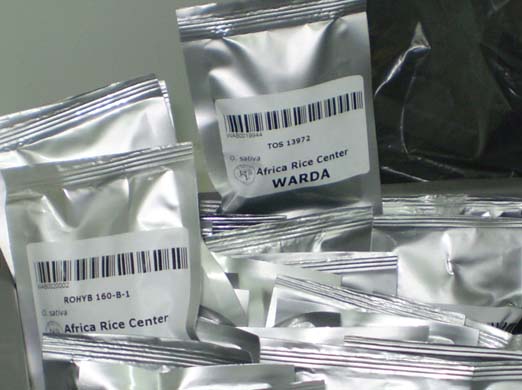
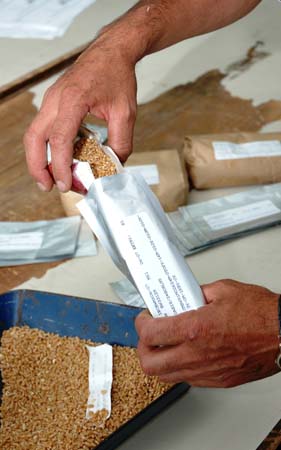
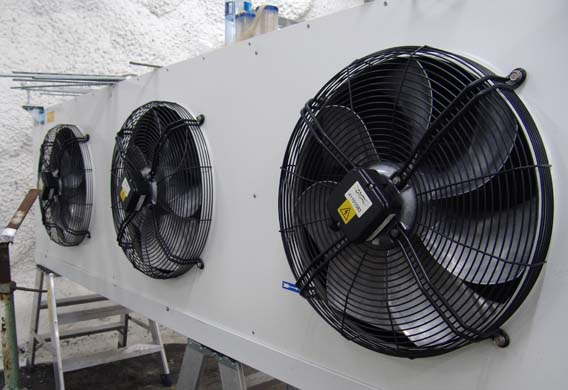
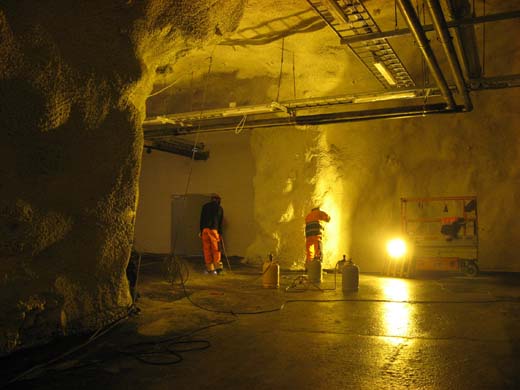
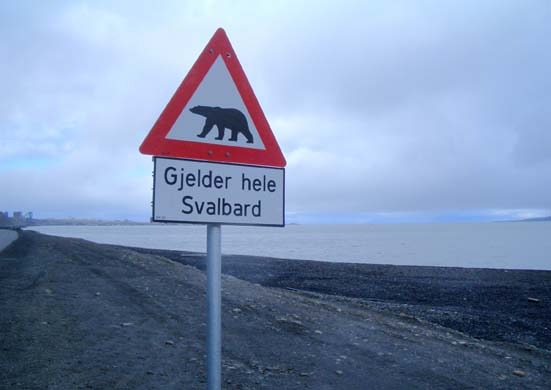
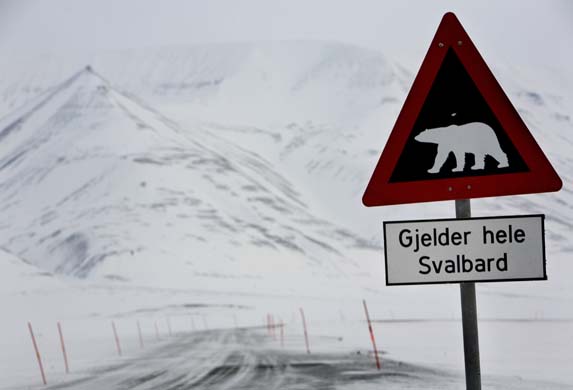
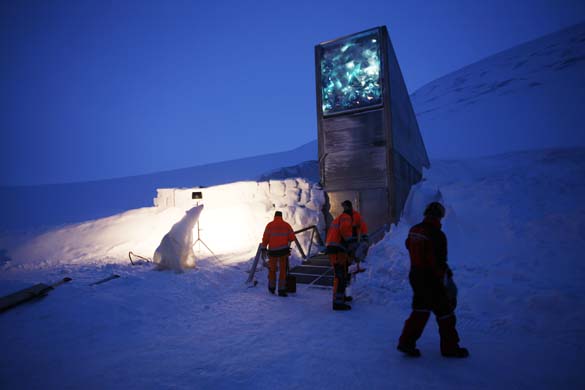
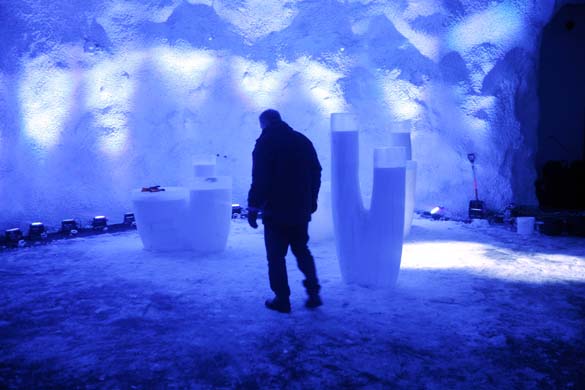
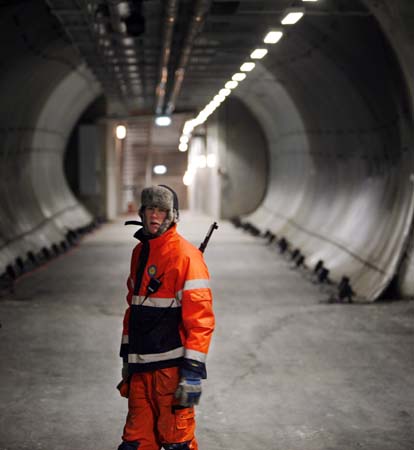
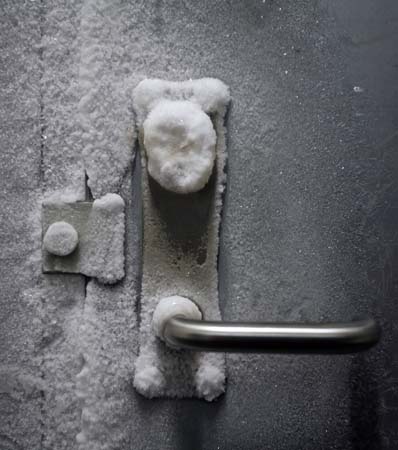
The permafrost and thick rock of the area will ensure that even without electricity, the genetic material stored in the vault will remain frozen and protected Photograph: Cary Fowler/Global Crop Diversity TrustSeeds leaving Colombia destined for the vault. The trust has assisted developing countries with preparing, packaging and transporting their representative seeds to the ArcticPhotograph: CIATThe vault will house batches of seeds from nearly every variety of food crop on the planet, such as wheat, rice or maize, and protect them in case of a global catastrophe. Should a variety of crop disappear, a sample could be taken out of the vault and sent to the gene bank it belongs to. It could then be germinated - and the crop reconstituted Photograph: WARDAThe vault has a capacity for around 2bn seeds. They will be contained in grey envelopes made of polyethylene and aluminium, to protect them from air and moisture. The envelopes are stored in corrugated plastic boxes, up to 400 envelopes per box, on metal shelves Photograph: CIMMYTThe seeds will be stored at -18C to prevent them from germinating. But even if these fans in the cooling system fail, the natural permafrost surrounding the vault will keep them at around -4C Photograph: Mari Tefre/Global Crop Diversity TrustInside the vault, a 120m-long reinforced concrete tunnel gently slopes into the heart of the mountain towards three chambers each measuring about 1,500 cubic metres where the seeds will be stored Photograph: Mari Tefre/Global Crop Diversity TrustSvalbard landscape. National seed banks were meant to be a key defence against crop failure, but some have suffered serious damage, such as those in Iraq and Afghanistan, which were destroyed by looters. Typhoons caused major damage to a seed bank in the PhilippinesPhotograph: Mari Tefre/Global Crop Diversity TrustThe only answer, it was decided, was to build an international vault, so the trust sought out a site that was remote but accessible, and that was so cold that there would be no problem if the refrigeration equipment failed. Roughly 620 miles from the north pole, Svalbard was considered to be the perfect solutionPhotograph: Global Crop Diversity TrustA road sign sporting a polar bear notifies motorists of their presence is seen outside the arctic town of Longyearbyen, Photograph: Daniel Sannum Lauten/AFPThe Svalbard Global Seed VaultPhotograph: John McConnico/APGuards outside the Svalbard Global Seed Vault Photograph: John McConnico/APMagnus Bredeli-Pveiten, project manager for the Svalbard Global Seed Vault at the vault in Longyearbyen, NorwayPhotograph: John McConnico/APAn armed guard stands in the entrance tunnel to the Svalbard Global Seed VaultPhotograph: John McConnico/APThe frozen door handle to the vaultPhotograph: John McConnico/APProf. Dr. Andreas Graner of the Leibniz Institute of Plant Genetics and Crop Plant Research (IPK) checking glasses with weed at the institute in Gatersleben, Germany. Vacuum-packed seed will be sent by the IPK for the Svalbard Global Seed VaultPhotograph: Peter Foerster/EPA
Sign up to read this article
Read news from 100’s of titles, curated specifically for you.

-A--9437.jpg)