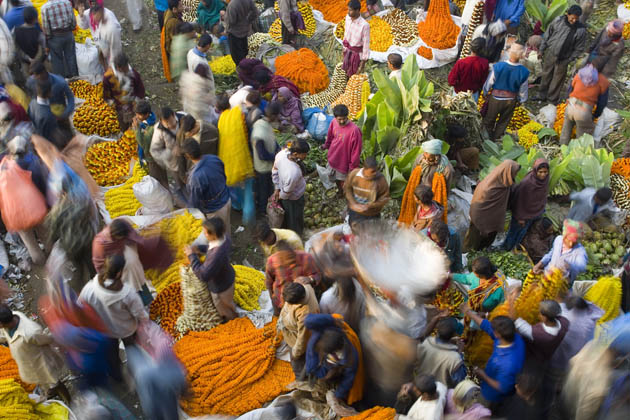
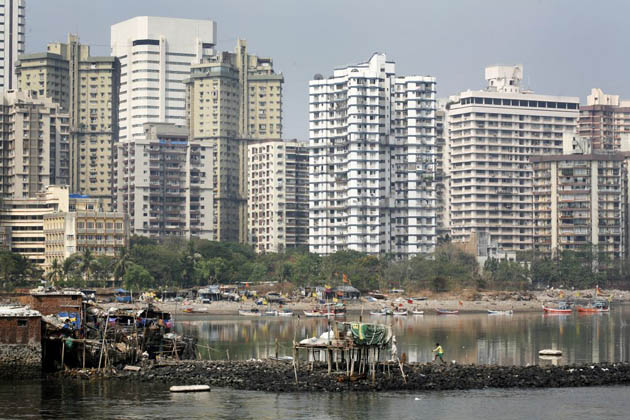
The research, from the University of Southampton’s school of civil engineering and the environment, Risk Management Solutions, CIRED/Meteo-France and the OECD, aims to pinpoint which cities are most reliant on adequate flood defences, and investigates how climate change is likely to impact each port city’s exposure to coastal flooding by the 2070s, taking into account socio-economic factors such as population growth and urbanisationPhotograph: Adi Shah/GettyKolkata, situated on the Bay of Bengal on the Ganges plains, has a current “exposed” population of 1.9 million people. By 2070, the report says, over 14 million people will face coastal flooding. It is between 1.5 metres and 9 metres above sea level and much of the city was originally a vast wetlandPhotograph: Peter Adams/CorbisMumbai, on India’s west coast, is the city with the second largest exposed population. Currently, 2.8 million people are exposed to coastal flooding. By 2070 this number will grow to 11.4 million, the report says. The research focuses on the exposure of population and assets to a 1 in 100 year surge-induced flood event (assuming no defences), rather than the ‘risk’ of coastal floodingPhotograph: David Levene/Guardian
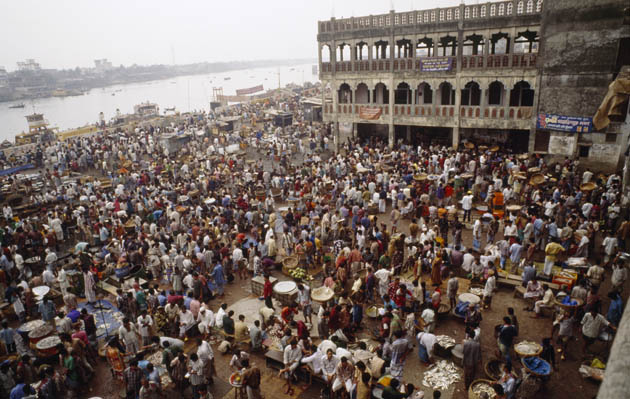
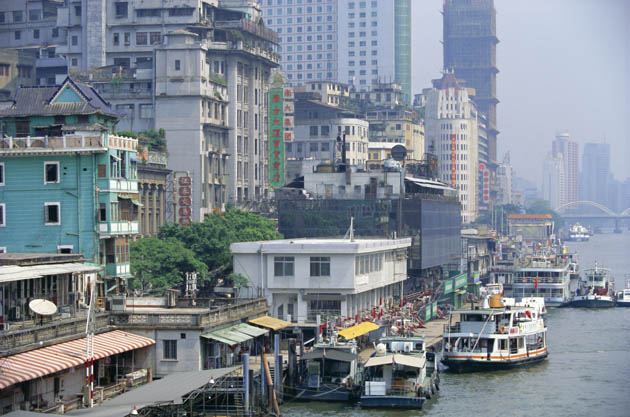
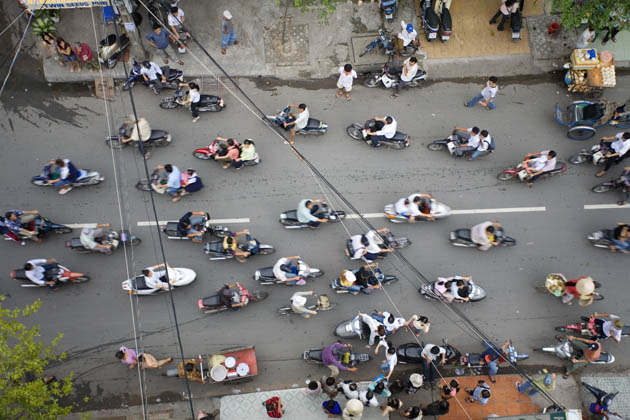
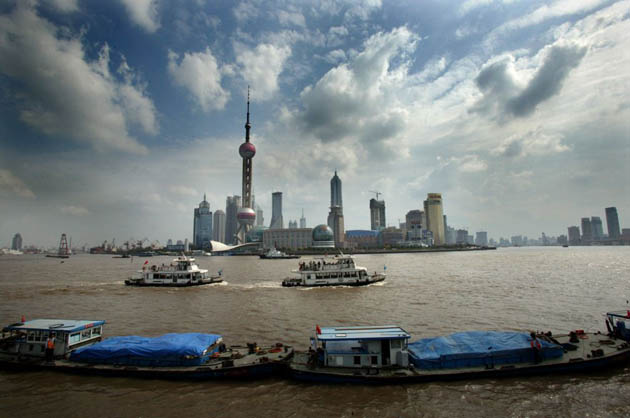
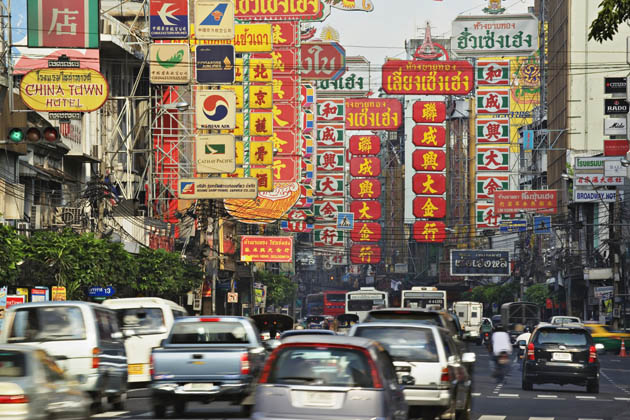
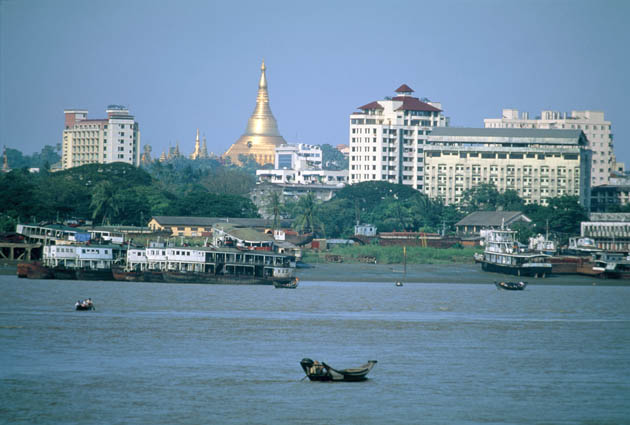
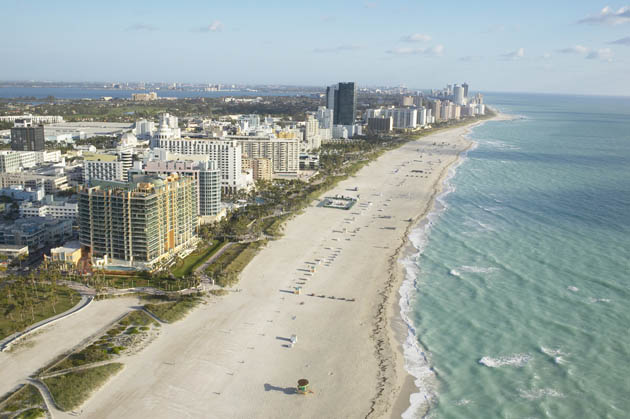
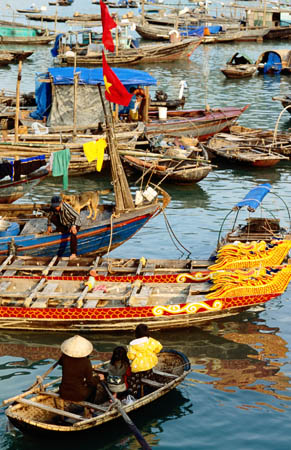
Dhaka, the capital of Bangladesh, has 844,000 of its population exposed to flooding, which is expected to reach 11.1 million by 2070. The report says this is due to the combined effects of climate change (sea-level rise and increased storminess), subsidence, population growth and urbanisationPhotograph: Justin Guariglia/GettyGuangzhou, in China’s southern Guangdong province, is part of the Pearl river delta. The report found that most of the largest port cities exposed to flooding are found in Asia (38%), and many of them (27%) are located in deltaic settings, which tend to have higher coastal flood risk because they are at lower elevations and experience significant subsidence. In 2070, the report says, some 10.3 million people in Guangzhou will be exposed to coastal floodingPhotograph: Tim Hall/GettyAcross all cities, about 40 million people (0.6% of the global population) are exposed to a 1 in 100 year coastal flood event. The number exposed to flooding by 2070 in Ho Chi Minh City, on Vietnam’s south coast, is expected to rise from 1.9 million to 9.2 million people, the report warnsPhotograph: Stuart Fox/GettyOne hundred and thirty six port cities around the world currently have more than 1 million inhabitants, the report says. Shanghai, one of the world's busiest ports and the world’s largest cargo port, currently has 2.3 million of its population exposed to coastal flooding, but in 2070 this number is expected to grow to 5.4 millionPhotograph: Don McPhee/GuardianBangkok, the capital of Thailand, is located on the banks of the Chao Phraya river, near the Gulf of Thailand. The area surrounding Bangkok and the nearby provinces is made up of plains and river deltas which lie about two metres above sea level. This causes huge problems during monsoon season when there are frequently massive floods. Bangkok currently has 907,000 of its population exposed to flooding, expected to grow to 5.1 million in 2070Photograph: Adam Jones/GettyRangoon, in Burma, is located at the convergence of the Yangon and Bago rivers near the Gulf of Martaban and regularly floods during the Asian summer monsoon season. At present, 510,000 are thought to be at risk of flooding, compared with a projected 4.9 million in 2070Photograph: Sergio Pitamitz/CorbisMiami, in Florida, is the only city from a developed country among the top 10 populations expected to be exposed to coastal flooding in the 2070s. It also faces the biggest threat to assets from flooding in 2070 - to buildings, transport and utilities infrastructure. It currently has $416bn worth of exposed assets but, by 2070, this figure will total $3,513bnPhotograph: George Doyle/GettyHai Phòng, the third most populous city in Vietnam, is located in the delta of the Red River and has existed as a port for several centuries. The report says that 794,000 of its current population is affected by flooding, but 4.7 million would be at risk in 2070 Photograph: Anthony Plummer/Getty
Sign up to read this article
Read news from 100’s of titles, curated specifically for you.