CARACAS (Reuters) - The murder and kidnap rates rival a war zone. Streets often shake to violent political protests. The poor scavenge garbage for food, while the rich go around with armored cars and bodyguards.
Only a fool would go for a quiet stroll in Caracas, right?
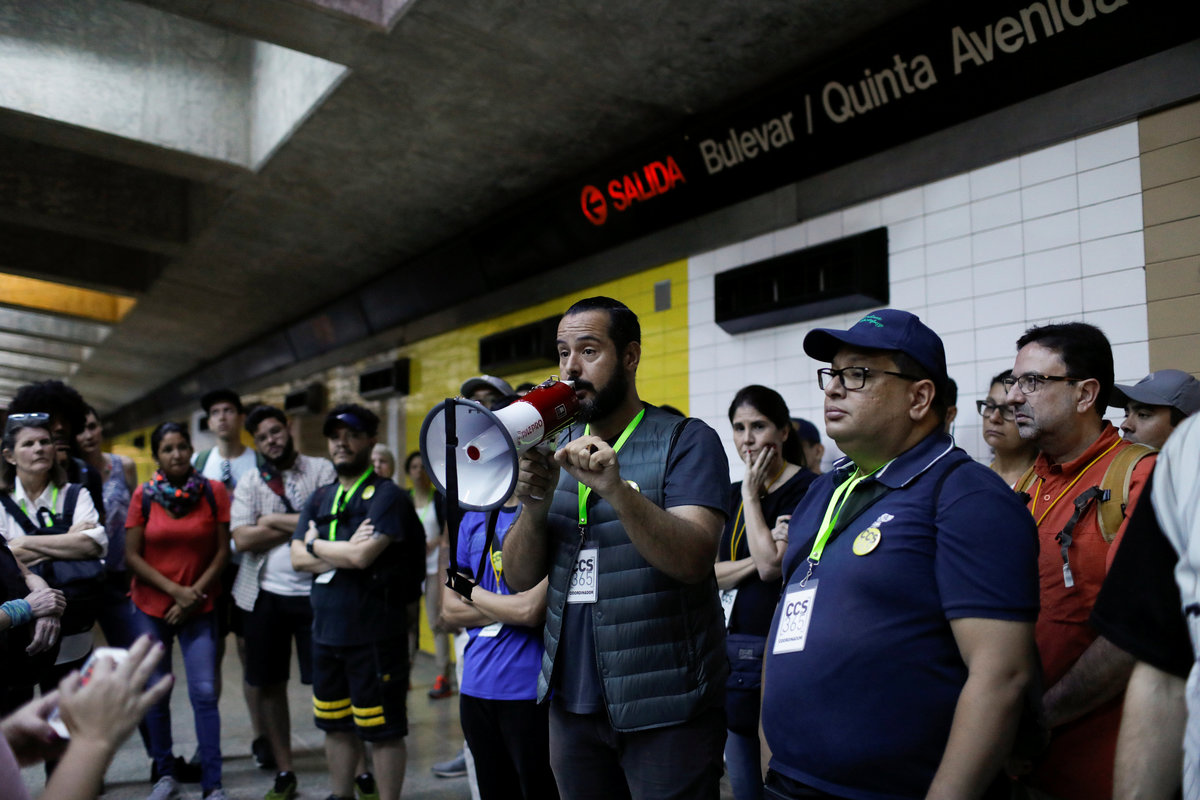
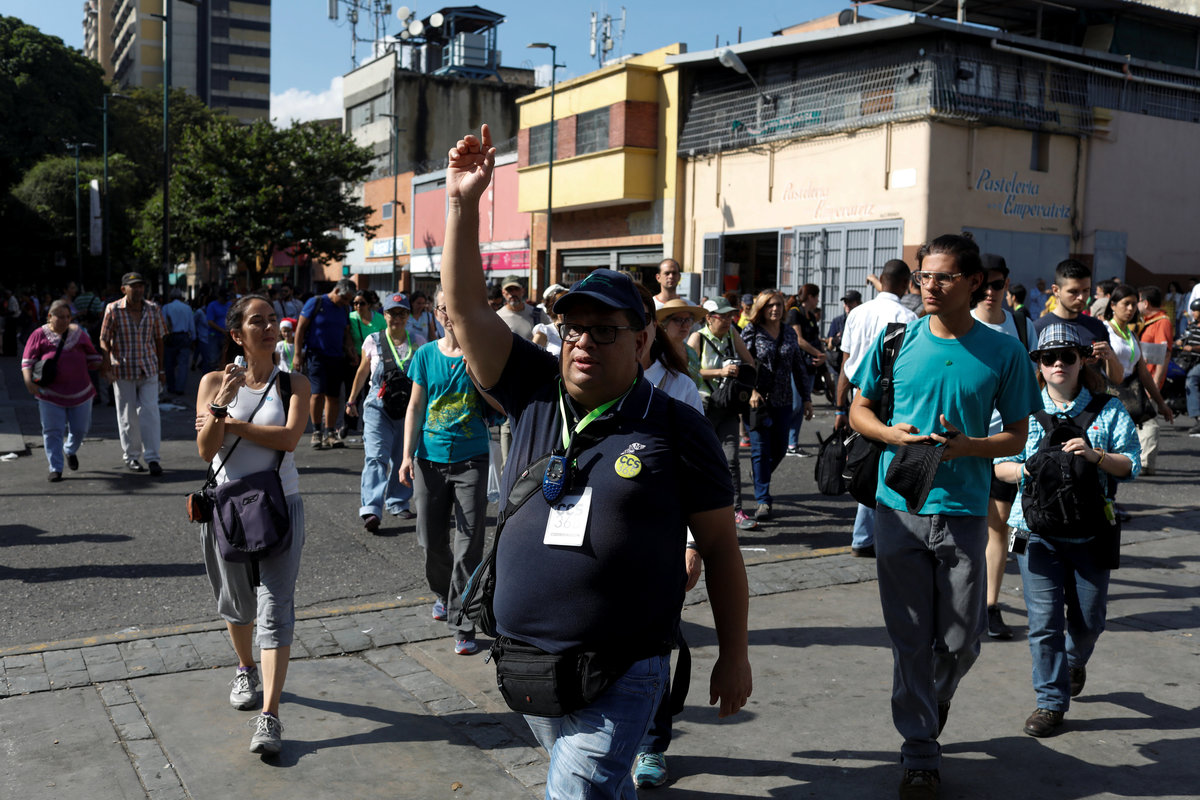
Not so. In the last few years, groups have sprung up offering walking tours of the chaotic Venezuelan capital's architecture, historic sites and famous hillside "barrios."
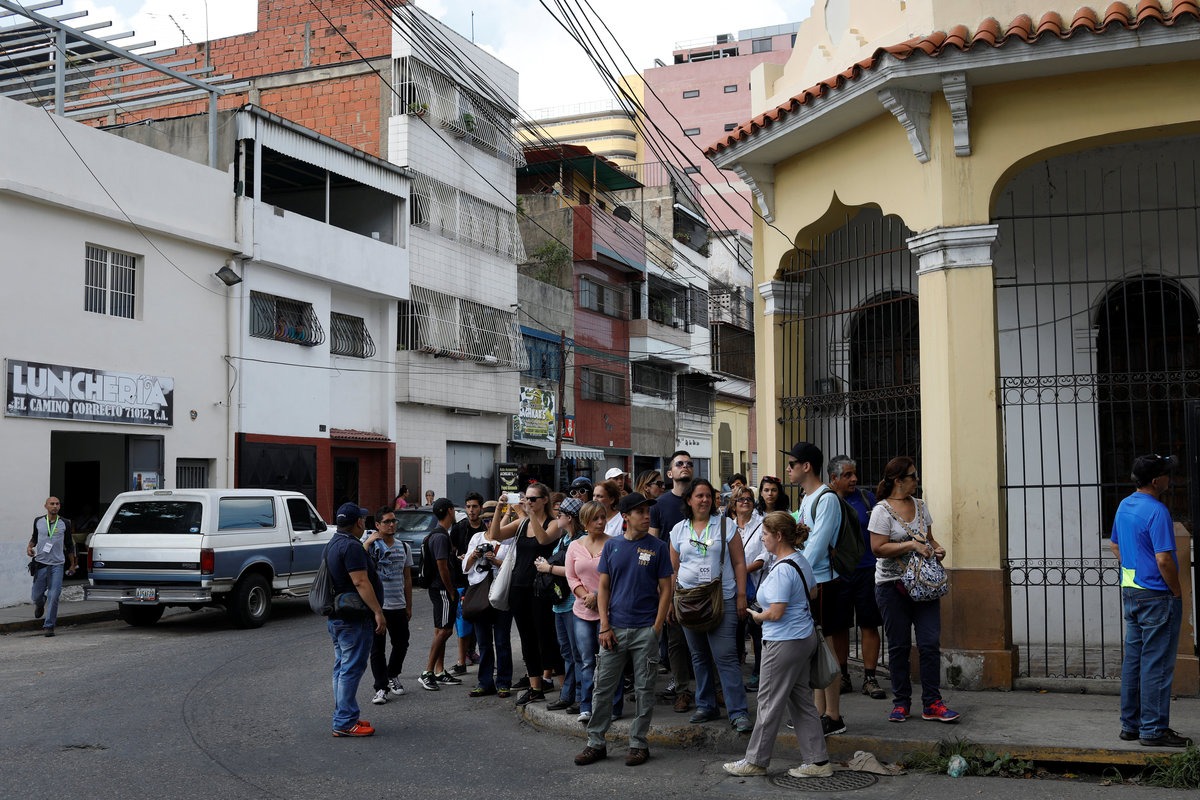
Nearly a dozen organizations now run trips of several hours at a time for groups as small as four or as large as 150.
While volunteers offer some tours for free, others are small businesses charging between 20,000 and 200,000 bolivars per person - 20 cents to $2 at the black-market exchange rate.
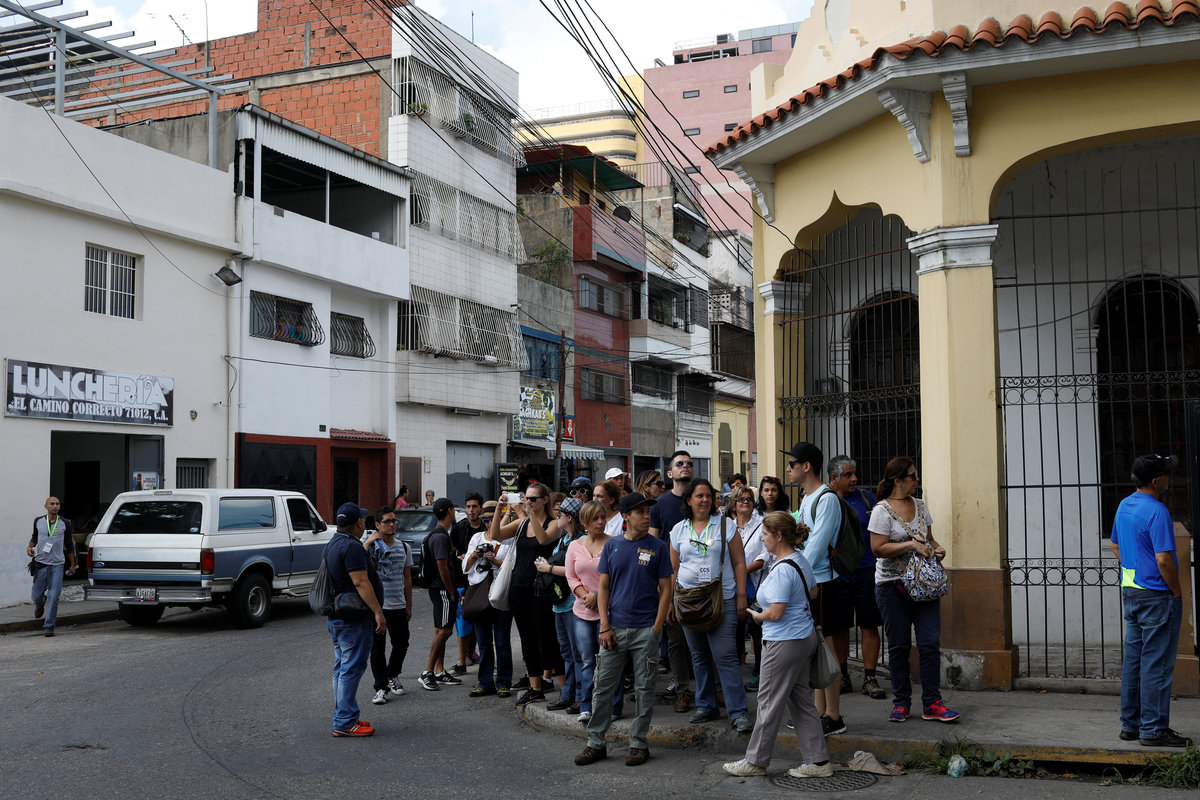
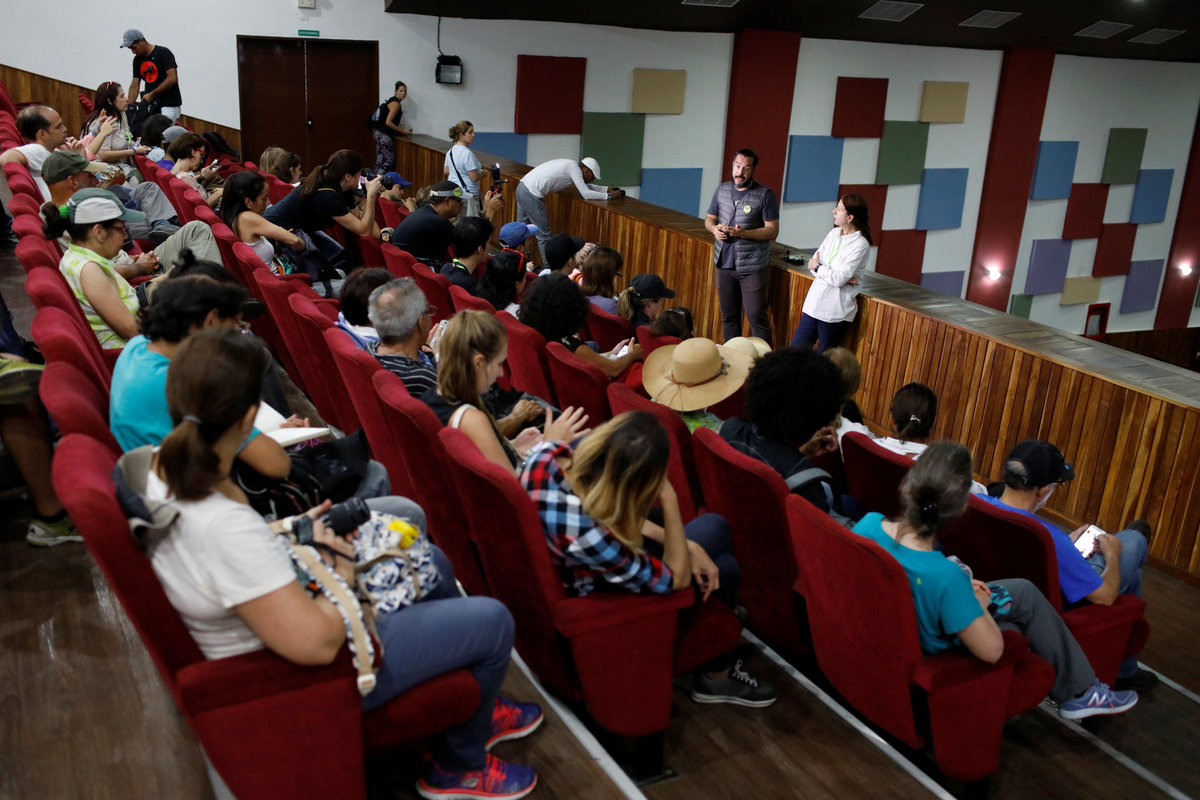
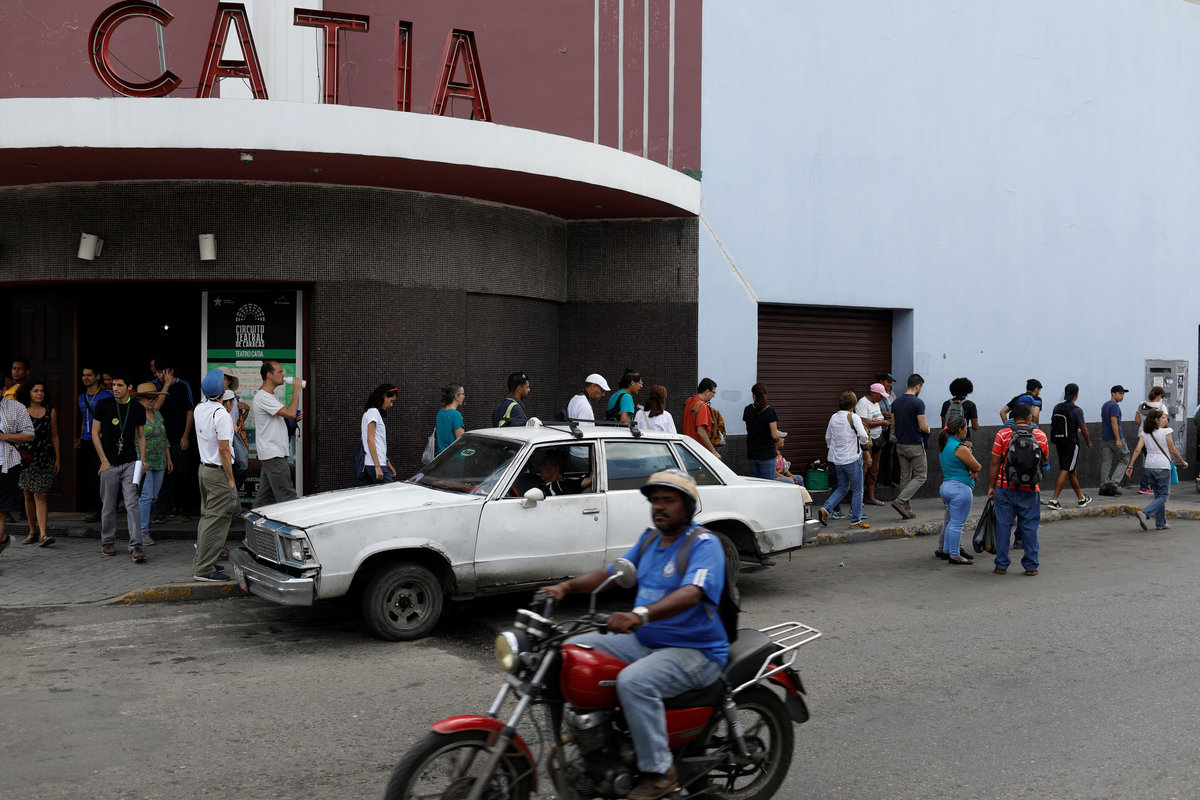
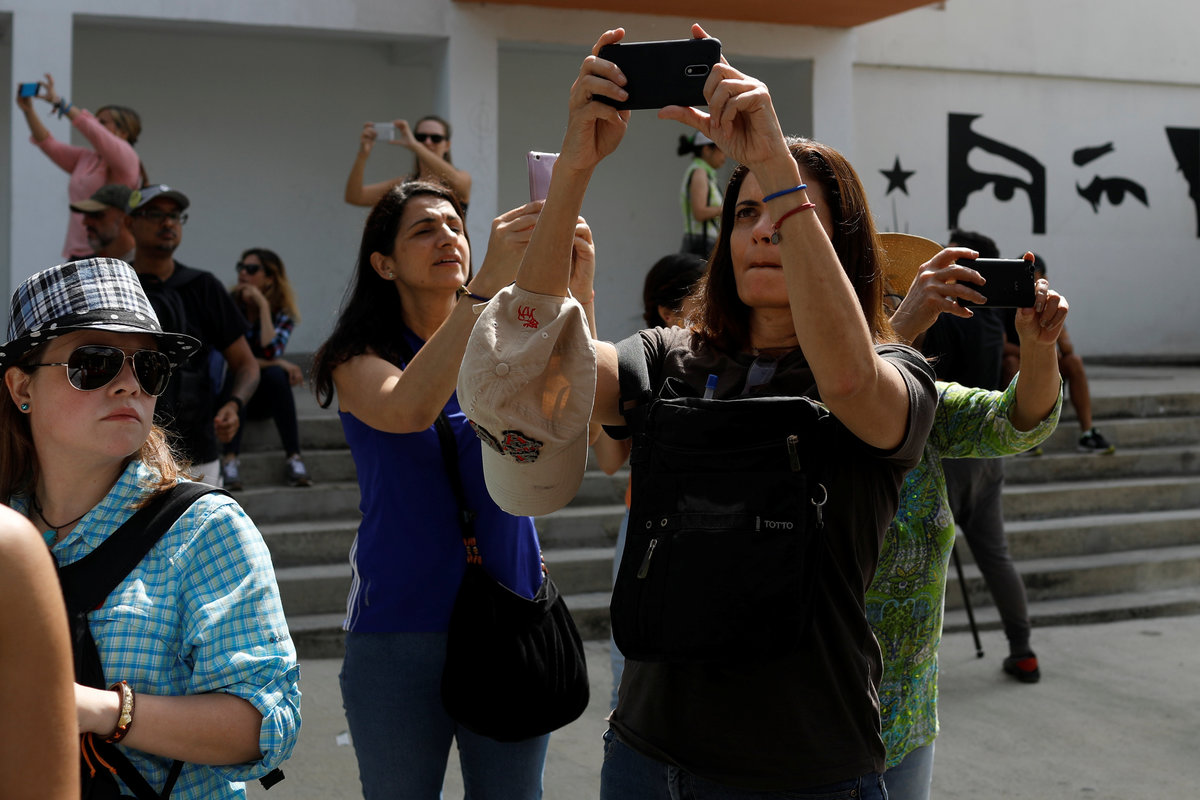
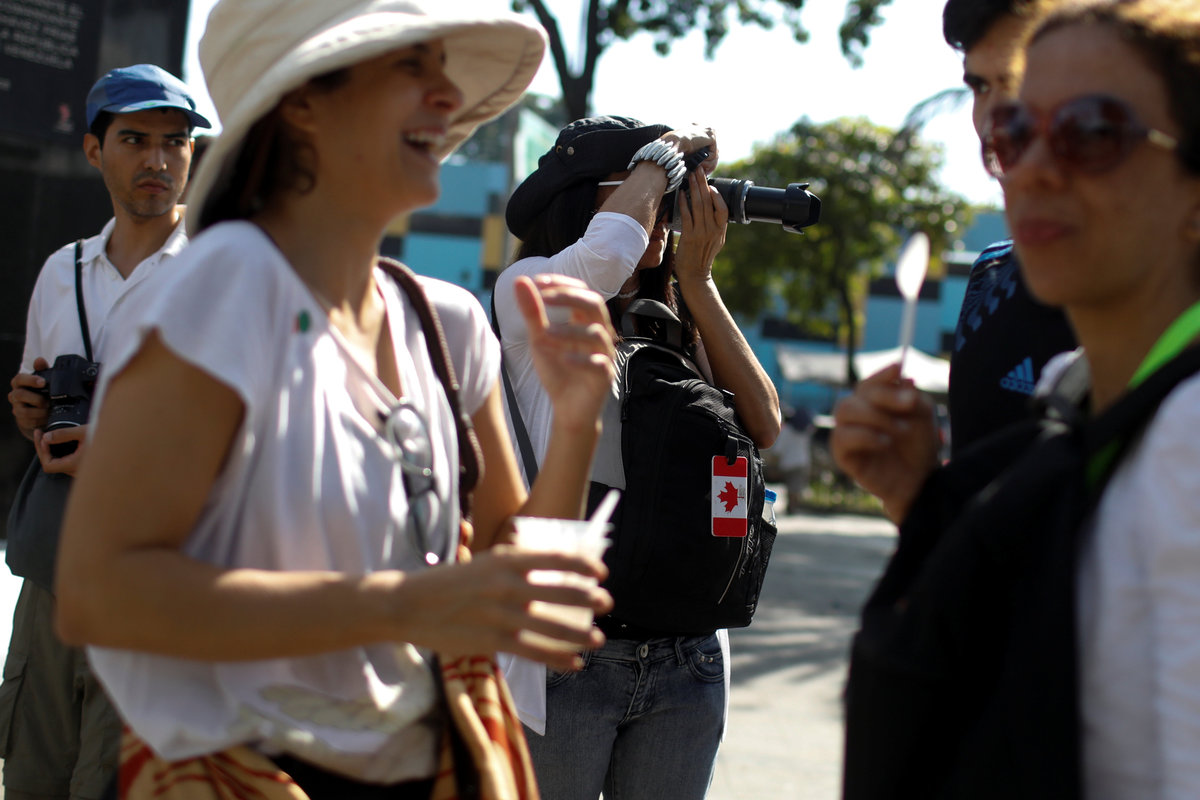
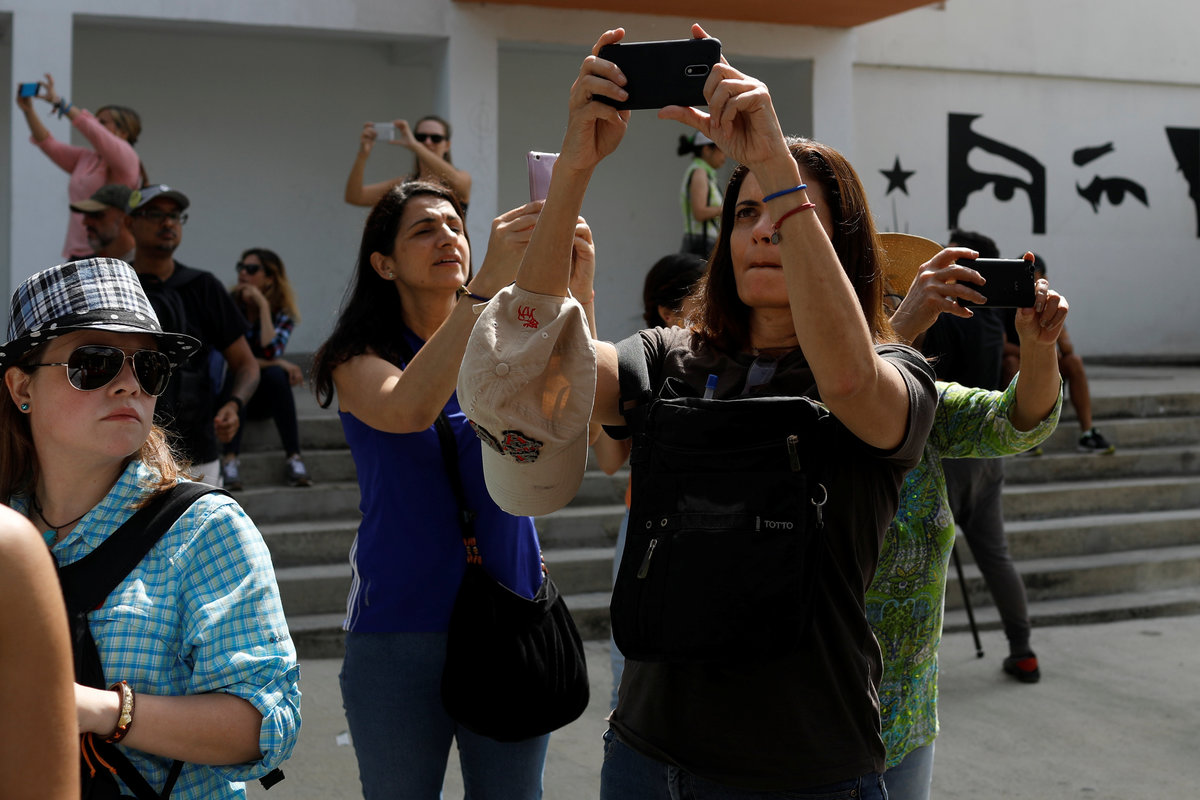
"I want to see the positive side of the city," said lawyer Francis Lopez, 50, who joined dozens of other people on a recent Saturday walking tour around the poor west Caracas neighborhood of Catia, avidly snapping pictures of the colorful marketplace.
"In the old days, I used to go all over the city, but people have stopped going out ... for fear of being assaulted. It's not just that they rob you, they can shoot you too."
With more than three killings per hour, Venezuela last year was the world's second most murderous nation after El Salvador, a local crime monitoring group said. The homicide rate in Caracas alone was a staggering 140 per 100,000 people, according to the group, the Venezuelan Observatory of Violence.
Authorities say nongovernmental groups inflate figures to create paranoia and tarnish the government, but even so the most recent official national murder rate - 58 per 100,000 inhabitants for 2015 - was still among the world's highest.
Violence peaks in the teeming shantytowns that cling to Caracas' steep slopes, and it is precisely there that some of the tours head, using locals as guides and for protection. Tourists who would never go alone into "barrios" like Catia or Petare feel safe moving in large numbers.
'BREAKING MYTHS'
The groups walk freely, chat with residents, buy artisan products and sometimes even enjoy traditional music. Most are Venezuelans, though the occasional foreigner joins.
"It enables us to break the myth that the 'barrio' is different from the city, full of bad things: violence, insecurity and poverty," said Lorena de Marchena, 27, who helps organize walking tours in the "barrio" of El Calvario near the colonial hilltop suburb of El Hatillo.
"When you enter El Calvario, you connect at different levels because you see that people are the same as anyone in the city."
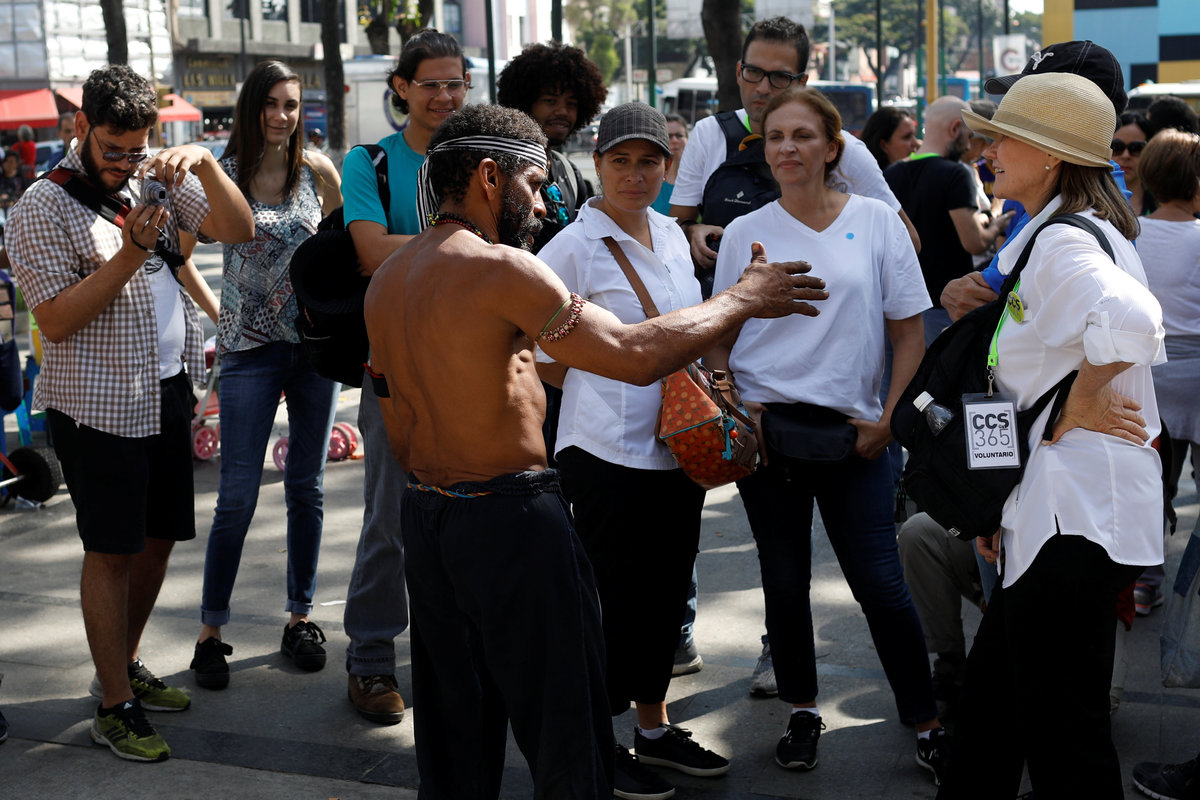
Locals often tag along, most friendly and laughing, but some suspicious as to the outsiders' intentions.
"Here we are revolutionaries, 'Chavistas'!" one old lady chided a recent group, mistaking middle-class visitors to Catia for opposition supporters opposed to the ruling movement called "Chavismo" for former leader Hugo Chavez.
Though a relatively new phenomenon in Caracas, such "barrio" tours have long been common in other dangerous part of the world such as Rio de Janeiro or some African capitals.
Political tourism has also been going on for years in places like Belfast, where visitors see the "peace walls" dividing Roman Catholic and Protestant communities, or Medellin where they trace the steps of ex-Colombian drug boss Pablo Escobar.
During Chavez's 1999-2013 rule of Venezuela, leftist sympathizers would often travel here on "solidarity" tours from Europe or other Latin American countries.
However, much of the current tours' emphasis is on celebrating the city's underappreciated cultural heritage, particularly in this year's 450th anniversary of its founding.
Especially popular is the colonial center, where visitors can see a statue to 18th-century liberation hero Simon Bolivar, as well as his house and the pantheon housing his remains.
Some tours also go to the main state university, which is a UNESCO heritage site; the cobbled streets of El Hatillo; the once-upmarket boulevard of Sabana Grande; and elegant Plaza Altamira, known both for its signature obelisk and as a focus of anti-government protests.
Various people died close to Plaza Altamira during this year's anti-government protests, in which 125 people were killed in all.
While some are rediscovering a city they have for years feared to walk around in, others are taking a last, wistful look before joining Venezuela's ever-growing wave of emigration.
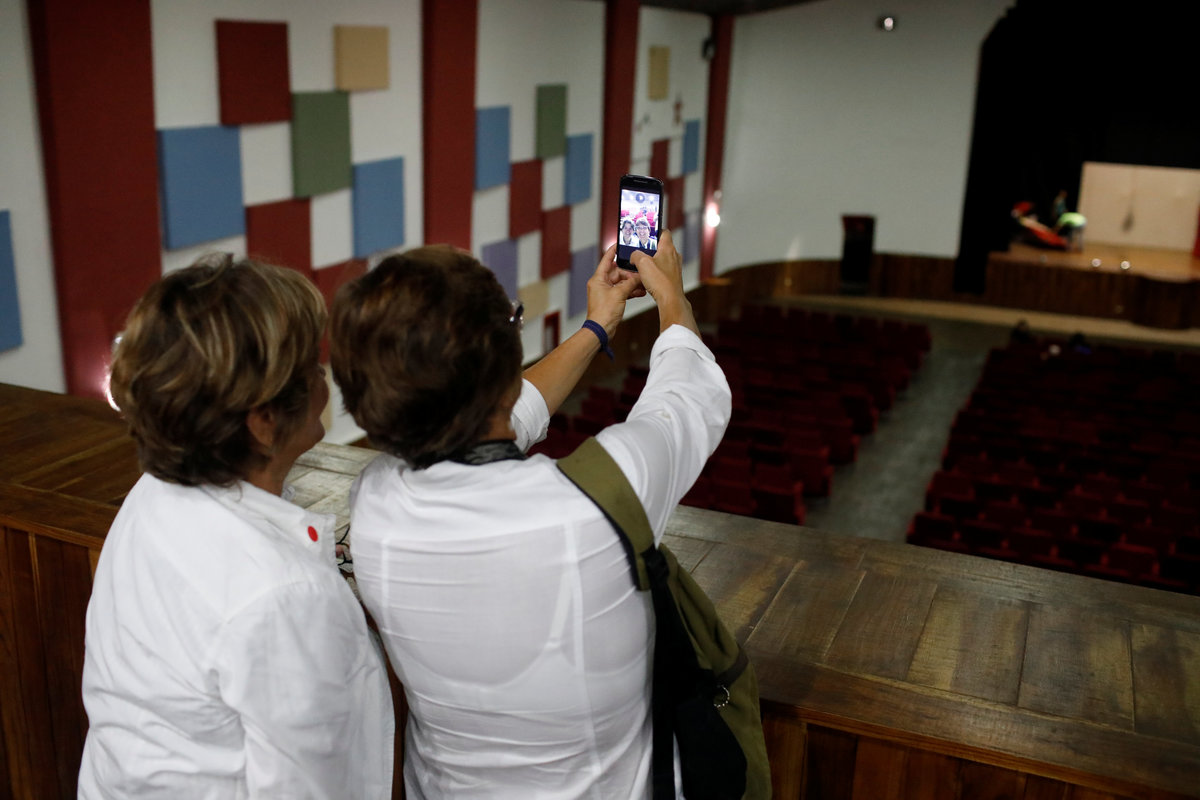
"Caracas is such a beautiful city," enthused oil company worker Zaylin Daboin, 29, admiring a renovated 1940s theater in Catia that she had never seen before. "We lost our initiative and curiosity because of the insecurity."
(Additional reporting by Leon Wietfeld; Writing by Andrew Cawthorne; Editing by Jonathan Oatis)