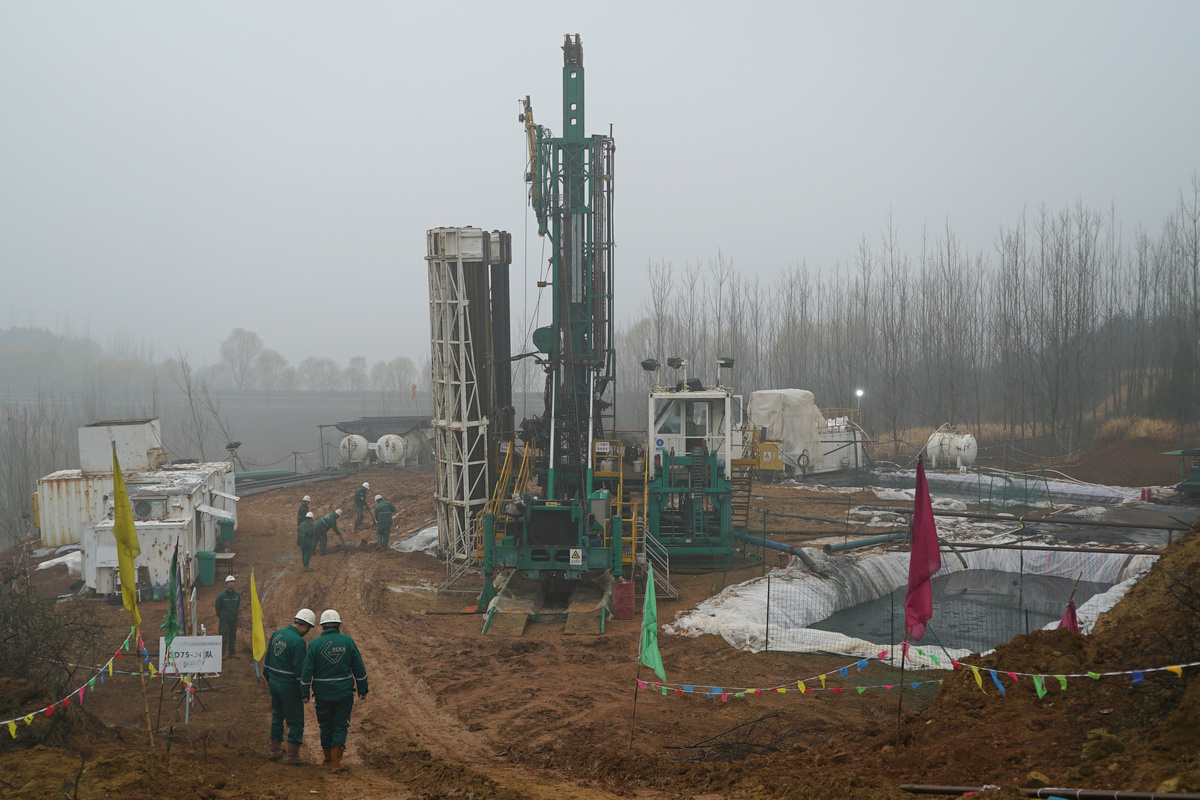
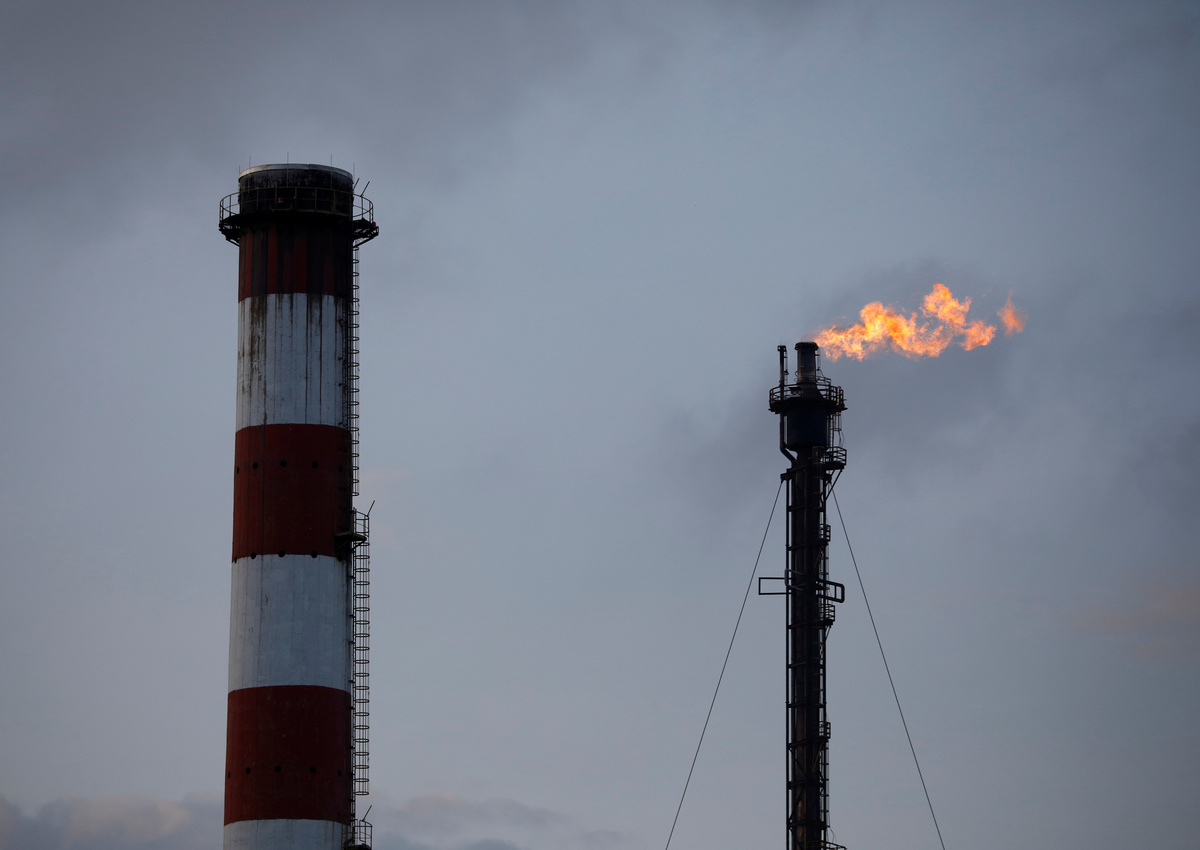
U.S. oil and gas drilling along with agricultural production worldwide are driving up global emissions of methane, a potent greenhouse gas, two new studies show.
That marks a shift from the 2000s, when methane output from human activity came mostly from coal mines. But from 2007 through 2017, methane emissions have climbed on leaks from fossil fuel operations and on food production as people around the world eat more meat.
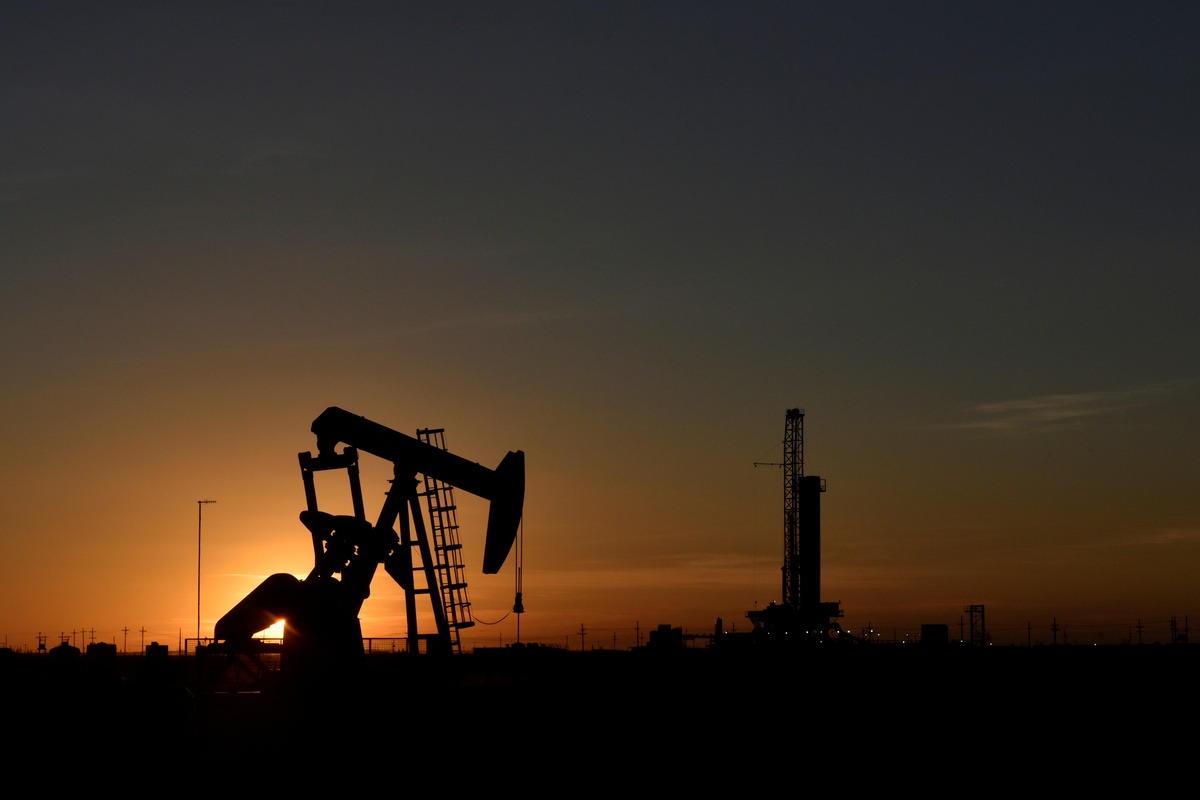
In the United States, now the world's top oil and gas producer, increased drilling by the industry contributed most to the rise.
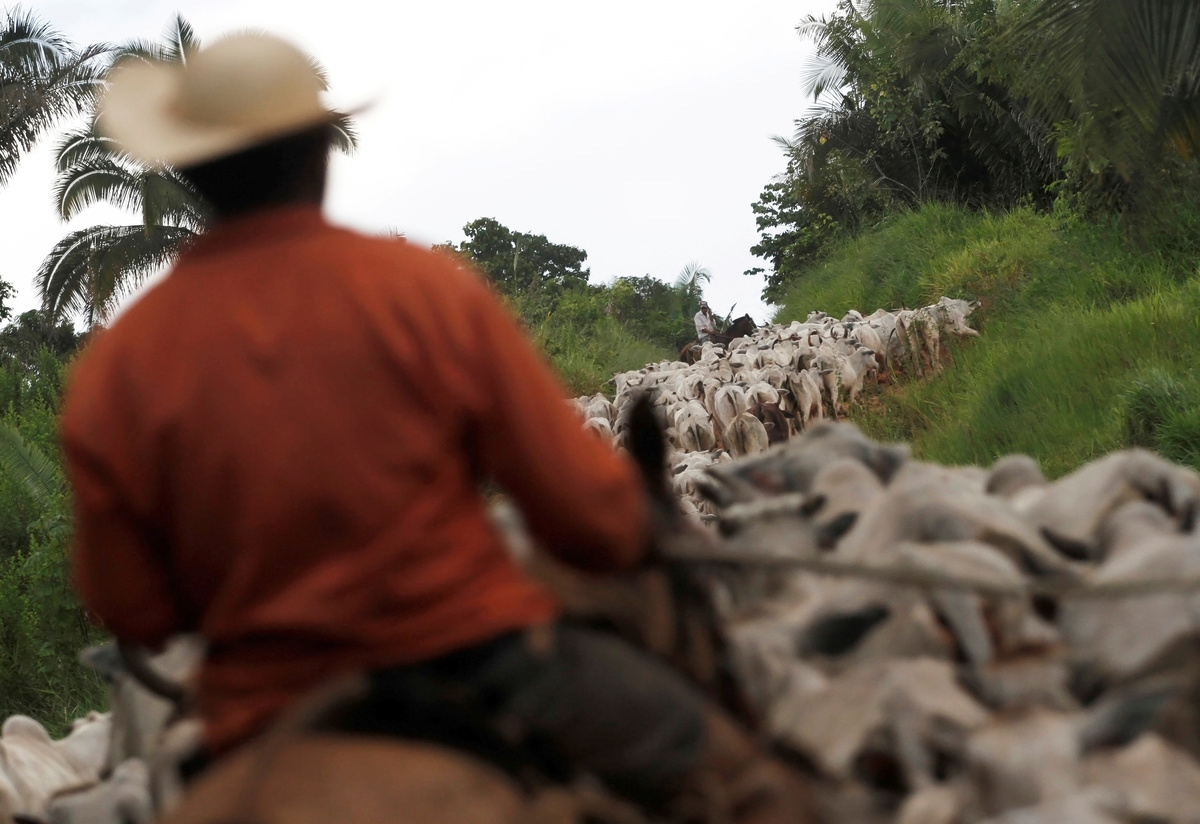
In South Asia, South America and Africa, growing agricultural activities such as livestock operations and farm waste caused methane levels in those regions to spike, both studies showed. A rise over China was attributed to both agriculture and fossil fuels.
"It's more robust evidence that fossil fuels and agriculture are both equally contributing to the increase of methane contributions in the atmosphere," said co-author Ben Paulter, and environmental scientist at NASA Goddard.
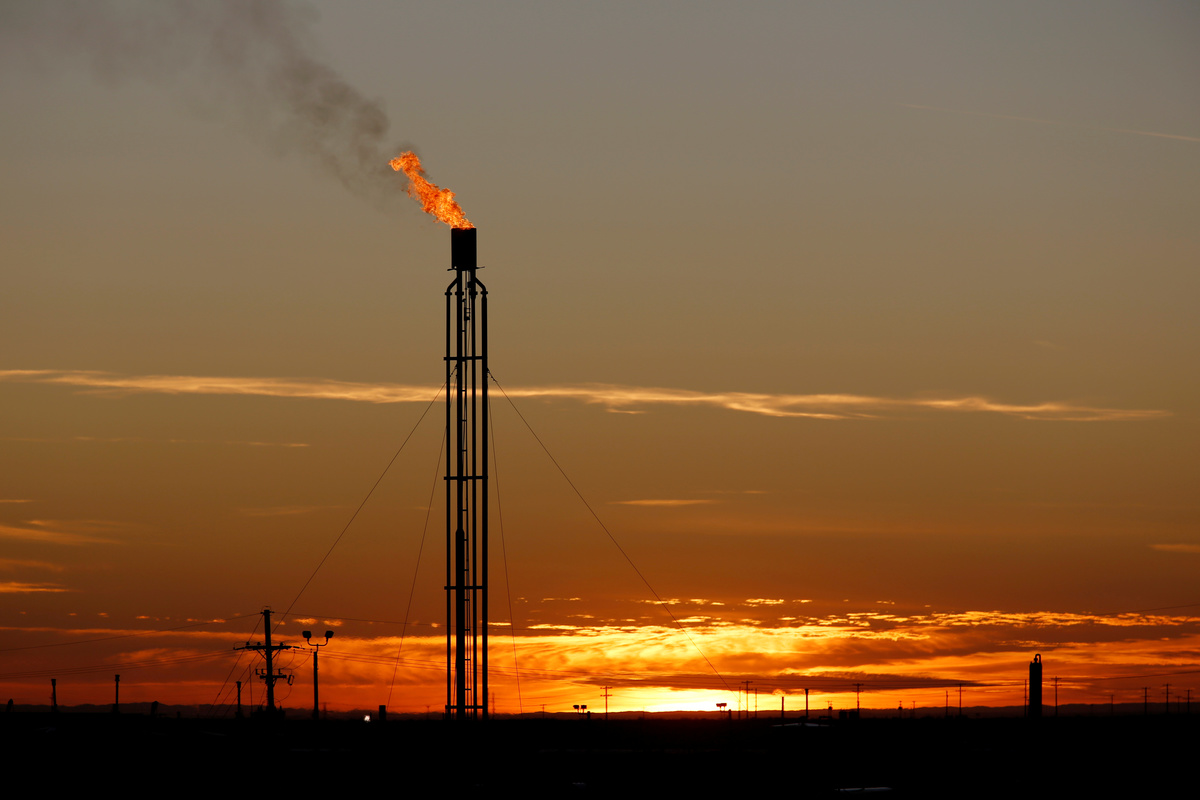
The two studies - published in the journals Earth System Science Data and Environmental Research Letters - update global knowledge on both natural and human-driven methane sources, or what is known as the Global Methane Budget. The last update was in 2016, and accounted for emissions up to 2012.
Methane, an invisible gas, is more efficient in trapping heat than carbon dioxide. But it lingers for less time in the atmosphere, so reducing methane emissions could help to prevent the worst impacts from climate change.
The only region shown to have lowered emissions between 2000 and 2017 was Europe.
This was likely due to lower meat consumption and stricter regulations on landfills, where decomposing garbage releases methane, said Euan Nisbet, an Earth scientist at Royal Holloway, University of London, who did not contribute to the reports.
"There are huge, juicy targets for mitigating emissions," Nisbet said.
The studies used several ways of measuring emissions, including both ground and satellite observations as well as consumption and production trends, which are good at capturing large point sources. Harder to assess are the emissions from thousands of small farms, rice paddies and more than 1 billion head of cattle.
Identifying sources of methane is an important first step in figuring out how to bring emissions down.
For example, covering landfills and better managing methane-belching cattle could have a big effect, Nesbit said. Even just spreading manure around over a field, rather than having it piled up, can help fight the formation of methane.
"There's a lot policymakers and companies can do to cut methane emissions. But in most places around the world, we aren't doing them," said environmental scientist Rob Jackson at Stanford University, a co-author on one of the new studies and chair of the Global Carbon Project.
U.S. President Donald Trump last year proposed rolled back methane regulations to help the drilling companies cut costs.
While the example of Europe cutting emissions gives some scientists hope the region can serve as a blueprint for others, the reports also serve as a warning.
"Given that these reports show that methane emissions are currently increasing globally, it does not encourage me that we will be able to reverse the trend and achieve the necessary reductions within the next decade," said one study co-author Thomas Weber, at the University of Rochester in New York.
(Reporting by Timothy Gardner; Editing by Katy Daigle and Marguerita Choy)