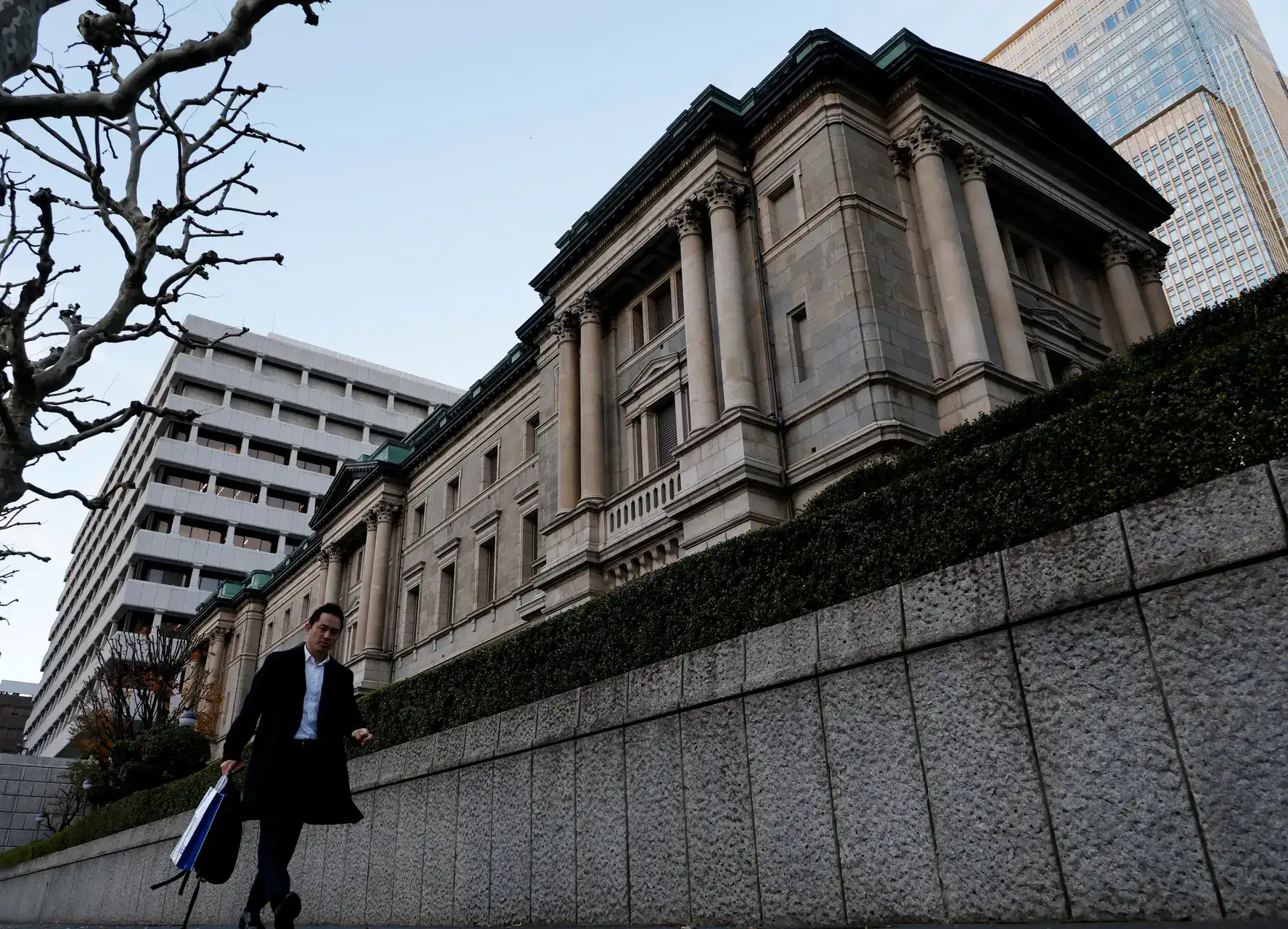
Japan’s central bank could continue tightening monetary policy over the next two years, with the Organisation for Economic Co-operation and Development (OECD) projecting that the Bank of Japan’s benchmark short-term interest rate may rise to 2% by the end of 2027 from the current 0.75%. The assessment reflects growing confidence that Japan’s economy is finally moving beyond decades of ultra-low inflation and weak domestic demand.
According to a Reuters report citing the OECD’s latest outlook, stronger wage growth, resilient consumer demand and improving inflation expectations are giving policymakers room to gradually raise borrowing costs despite global uncertainties, including tensions in the Middle East.
The OECD said Japan is undergoing a structural economic transition after nearly three decades of near-zero inflation. Labour shortages have pushed companies to increase wages, while rising prices are no longer being driven solely by imported commodity costs. Domestic demand is increasingly becoming the main engine of economic growth.
The Paris-based organisation noted that Japan’s economy should be capable of absorbing external shocks as inflation stabilises around the Bank of Japan’s long-term 2% target over the next two years. The OECD forecasts Japan’s economy to grow 0.7% in 2026 and 0.9% in 2027, moderating from 1.2% growth recorded last year.
The report also strengthens expectations that the Bank of Japan may continue signalling a hawkish stance at upcoming policy meetings. Investors are closely watching the central bank’s June 15–16 meeting for further guidance on interest rates and bond purchase reductions.
The OECD believes the current policy rate still remains near the lower end of Japan’s estimated neutral rate range, suggesting additional increases may be appropriate if inflation and wage trends remain firm.
Apart from monetary policy, the OECD also called on Japan to improve its fiscal position through higher consumption taxes. It pointed out that Japan’s current consumption tax rate of 10% remains relatively low compared with many other OECD member countries.
The report further supported the Bank of Japan’s ongoing efforts to gradually reduce purchases of Japanese government bonds (JGBs), a major component of its long-running stimulus programme. However, it warned that risks remain in bond markets as banks, insurers and pension funds now hold a smaller share of government debt following years of low interest rates and aggressive central bank intervention.
According to Reuters, the OECD said the central bank should remain flexible and be prepared to adjust the pace or maturity profile of bond purchases if financial market conditions become unstable.
The Bank of Japan is expected to review its existing bond tapering framework at the June meeting and announce a fresh roadmap covering the period beyond March 2027. Market participants are also debating whether slower bond buying by the BOJ has contributed to increased volatility in Japan’s government bond market in recent months.