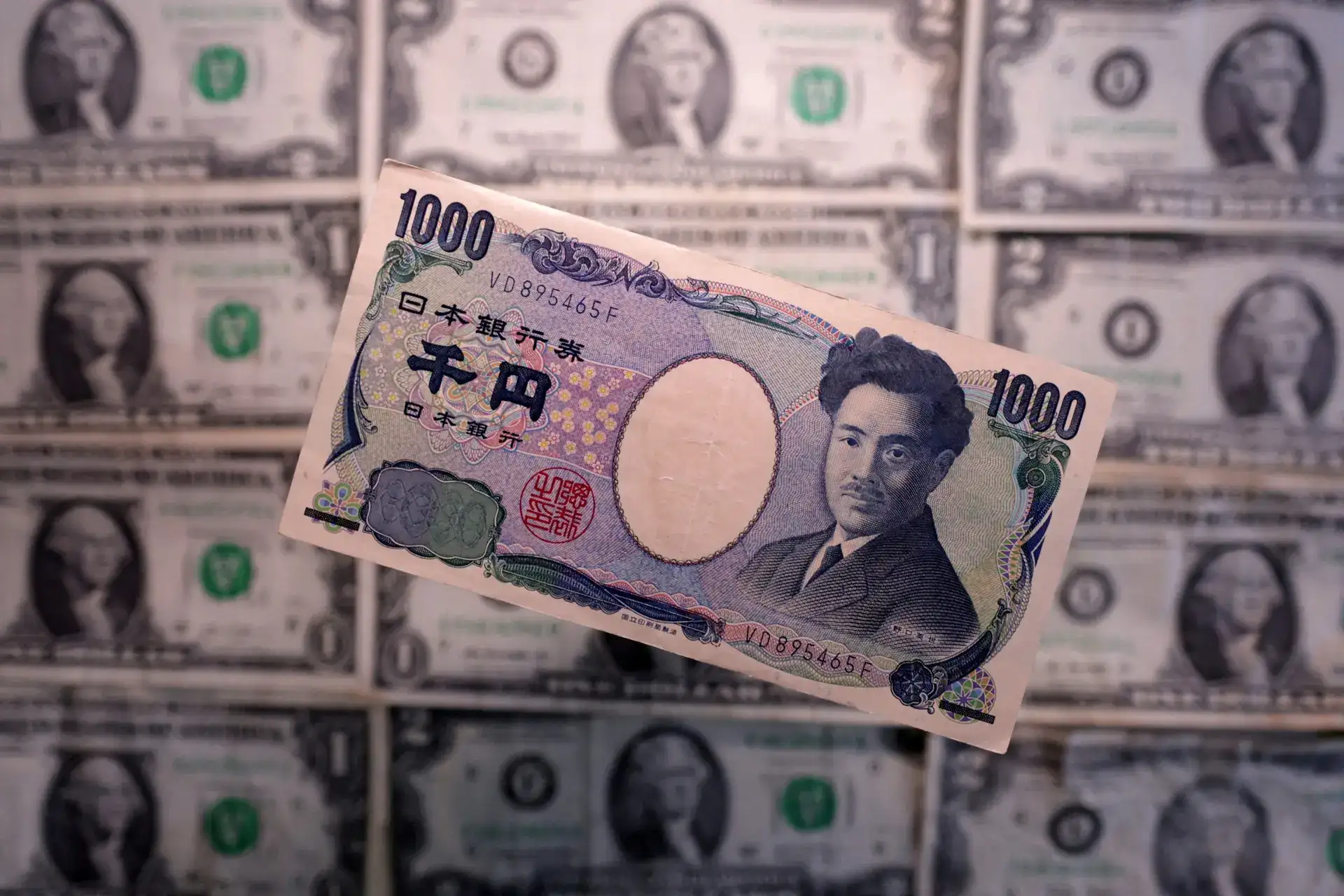
Japan's wholesale inflation accelerated to its fastest pace in more than three years in June, as companies continued to pass on higher input costs stemming from the conflict in the Middle East, strengthening the case for further interest rate increases by the Bank of Japan (BOJ), according to Reuters.
The producer price index (PPI) climbed 7.1% in June from a year earlier, exceeding the median market forecast of a 6.8% increase and marking the strongest annual rise since March 2023, BOJ data showed. The reading also accelerated from a revised 6.6% increase recorded in May.
The latest figures follow a BOJ report released on Thursday that highlighted a faster-than-usual pass-through of input costs by businesses, warning that the trend could translate into higher consumer inflation later this year.
The sharp rise in wholesale prices was largely driven by a 22.8% increase in fuel prices and a 39.2% jump in non-ferrous metals prices, reflecting the impact of higher energy costs linked to the Middle East conflict as well as strong demand for raw materials used in artificial intelligence-related industries.
A persistently weak yen also continued to inflate the cost of imported raw materials. The yen-denominated import price index rose 29.7% year-on-year in June, accelerating from a revised 26.1% increase in May and recording its fastest growth since October 2022.
The inflation data is expected to be closely watched at the BOJ's policy meeting later this month. While policymakers are widely expected to leave interest rates unchanged, the central bank will publish updated quarterly growth and inflation forecasts that could provide further guidance on the timing of the next rate increase.
The conflict in the Middle East has complicated the BOJ's policy outlook by simultaneously pushing up inflation through higher oil prices and weighing on Japan's import-dependent economy.
However, recent economic indicators suggest the economy has remained resilient despite the geopolitical tensions. The BOJ's latest Tankan survey showed business sentiment improved to its highest level in eight years, while corporate inflation expectations reached record highs, reinforcing expectations that further monetary tightening could be warranted.
The central bank raised its benchmark interest rate to 1% last month, the highest level in 31 years, citing mounting inflationary pressures, including those stemming from the conflict in Iran.
According to a Reuters poll, most analysts expect the BOJ to raise its policy rate again to 1.25% before the end of the year.
Despite rising wholesale prices, consumer inflation has remained relatively subdued. Core consumer inflation stayed below the BOJ's 2% target for a fourth consecutive month in May, partly due to government subsidies aimed at cushioning households from higher fuel costs.
Japan's minister also indicated that government measures have helped limit the pass-through of higher wholesale prices to consumers and suggested that the inflationary impact of the weaker yen has been relatively moderate so far, according to Reuters.
(Disclaimer: Recommendations, suggestions, views, and opinions given by experts are their own. These do not represent the views of the Economic Times.)