The foreign minister remains hopeful the Strait of Hormuz can reopen to traffic, as merchant ships will soon be given a military escort through the waterway.
Donald Trump says the US will start guiding merchant ships through the Strait of Hormuz, which has been effectively closed since the start of the war, in response to the requests of countries not involved in the conflict.
"For the good of Iran, the Middle East, and the United States, we have told these countries that we will guide their ships safely out of these restricted waterways, so that they can freely and ably get on with their business," the US president wrote on Truth Social.
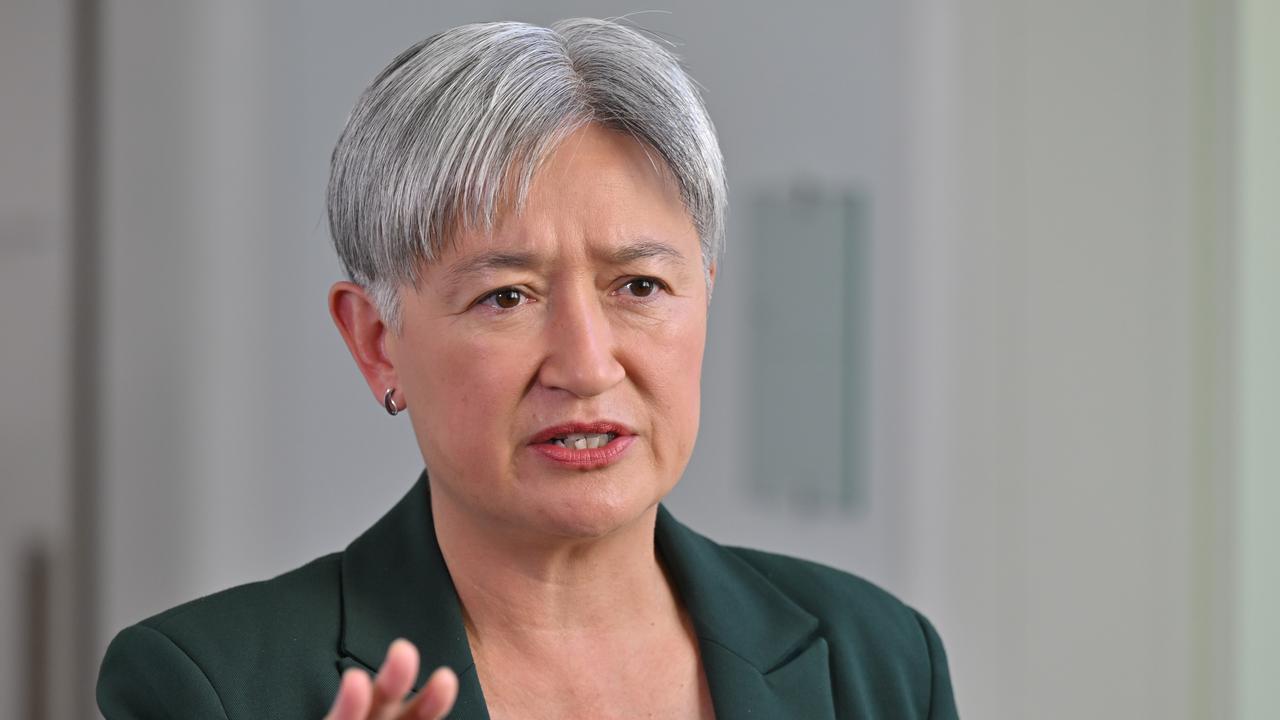
Foreign Minister Penny Wong said the strait needed to open as soon as possible.
"The best way for that to happen is to allow them to come to a negotiated outcome with the United States that allows the strait to be opened. That's what we want," she told Sky News on Monday.
"We'll certainly keep working with other countries on this, supporting that outcome.
"There is a lot of pressure on Iran, obviously, and they are using the Strait of Hormuz as leverage. "
As Mr Trump announced the operation, he raised doubts the proposal by Iran to end the war was acceptable.
Tehran confirmed it had received a US response to its latest peace offering, which had been delivered via Pakistan and was now being reviewed.
The 14-point peace plan asks the US to withdraw all its forces located near Iran, lift its naval blockade of the Strait of Hormuz, and for Israel's offensive in Lebanon to end.
It called for a deal to be reached within 30 days.
The war has led to increased fuel prices across the world, with the spikes increasing inflation and affecting large sections of Australia's economy.
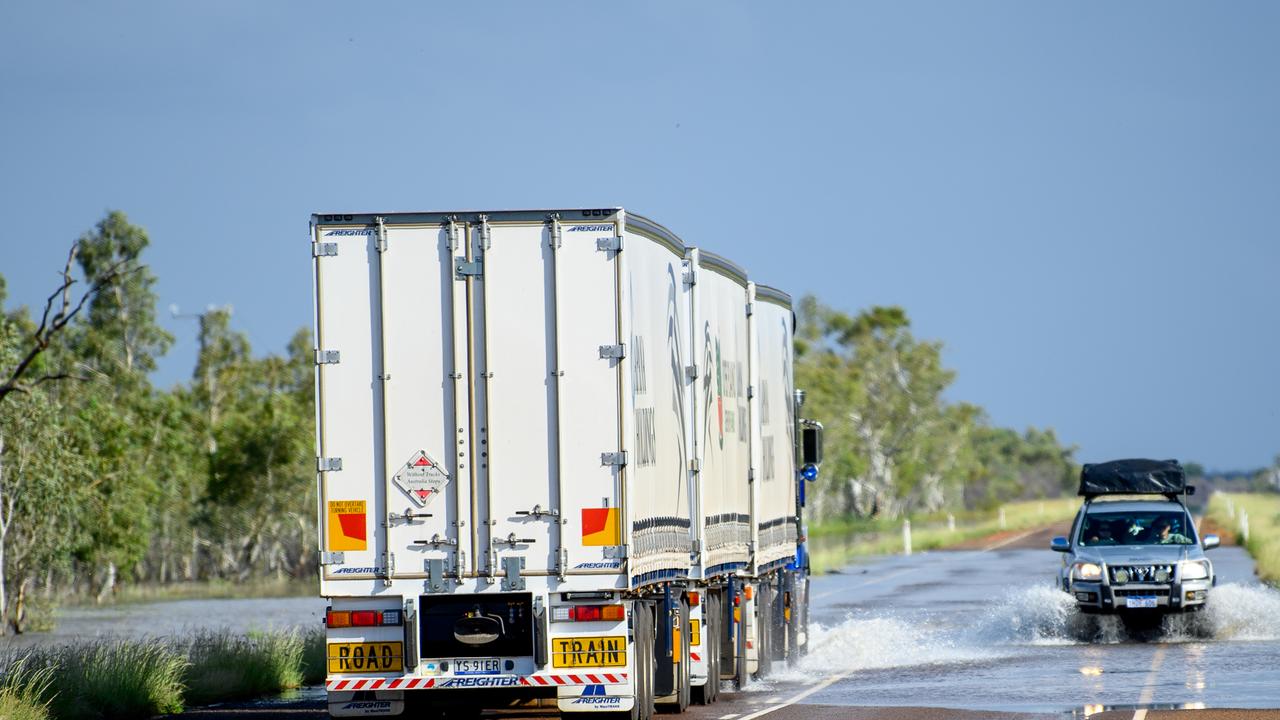
The fuel spike has led to the National Road Transport Association urging the federal government to scrap road user charges for heavy vehicles until the end of 2026 to help mitigate rising costs at the bowser.
"Diesel prices are still well above where they were prior to the current global disruptions, and all indications are they will remain elevated for some time," the association''s chief executive Warren Clark said.
"Truck operators are still facing sustained cost pressures. Those costs don't stay within the industry - they flow through to every Australian household."